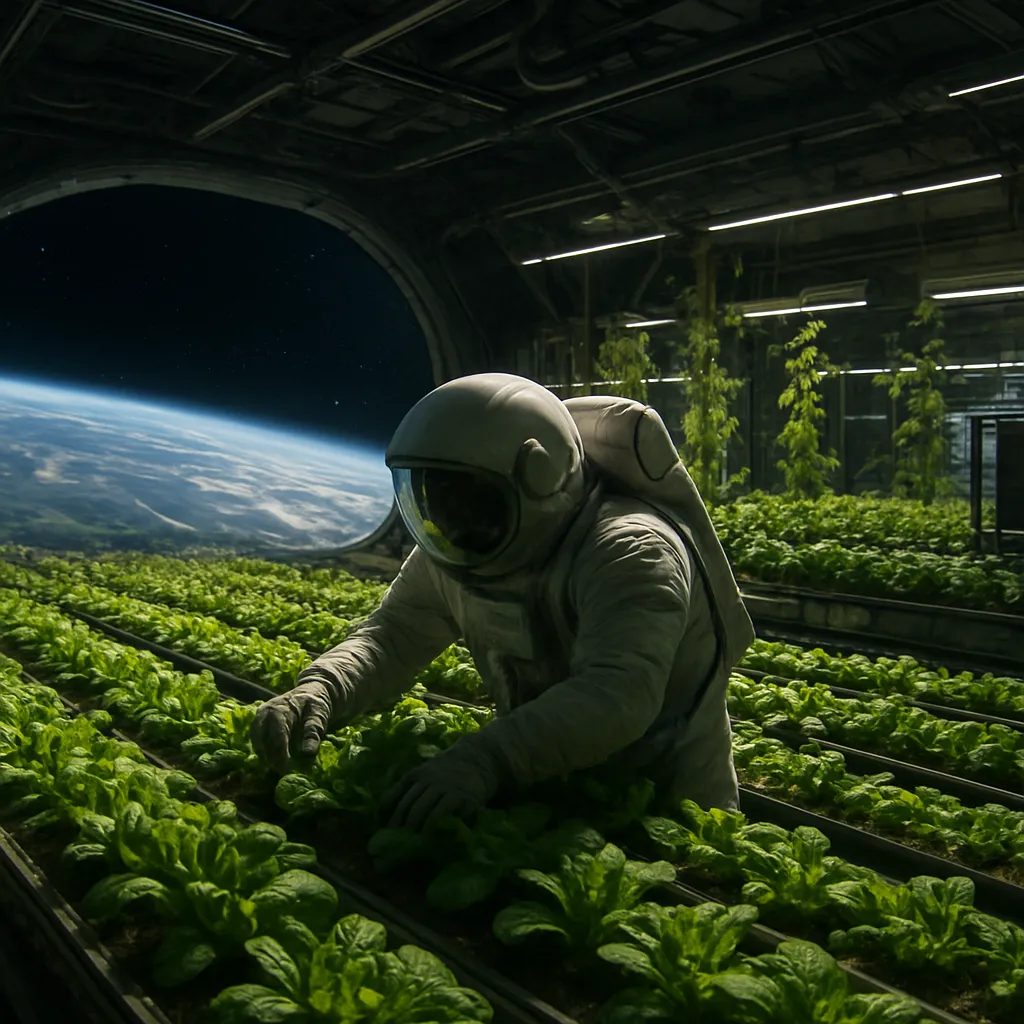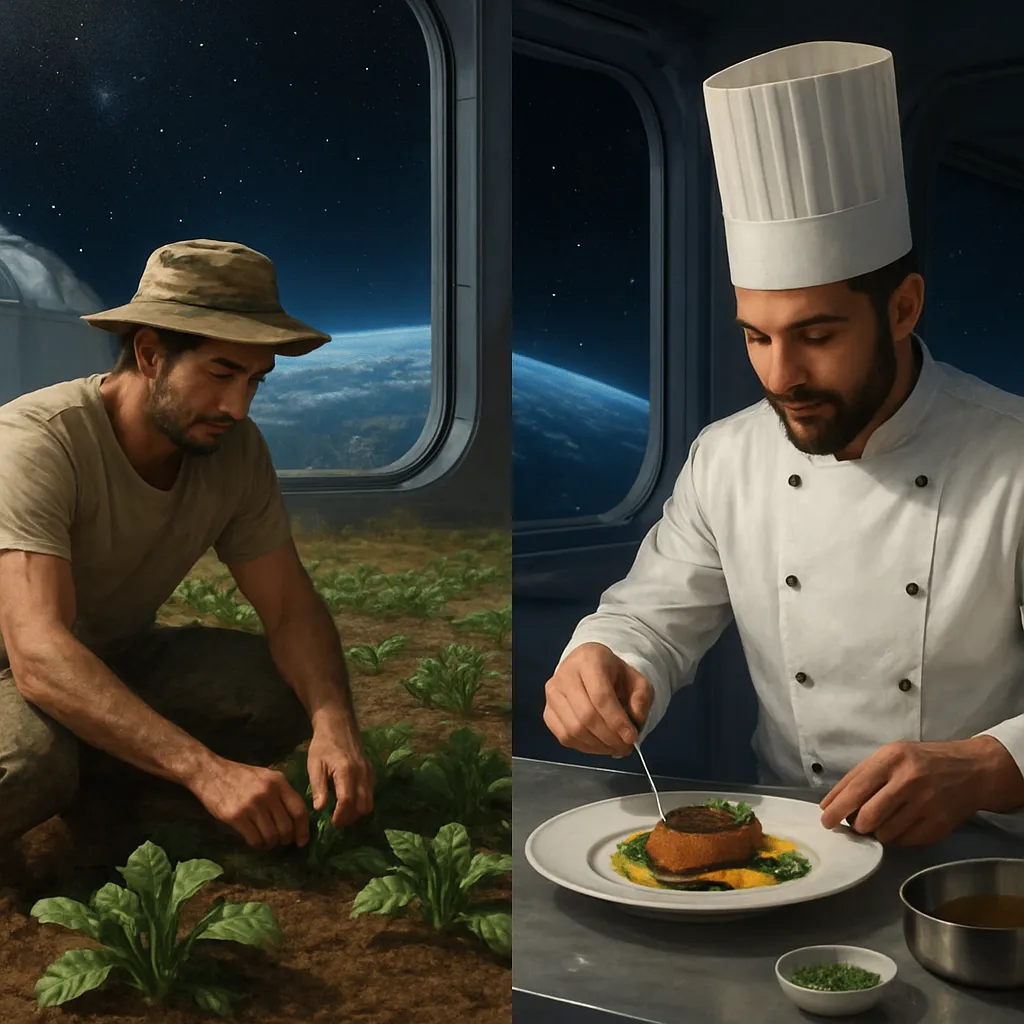
Long-duration space missions demand innovative approaches to food production that ensure crew health and mission success. This article explores the complex strategies used to manage crop cycles on extended journeys beyond Earth, examining the systems and methods that transform sterile spacecraft modules into thriving gardens. By integrating advanced technologies and ecological principles, spacefarms become a cornerstone of deep-space exploration.
Challenges of Cultivating Crops in Microgravity
Growing plants in orbit or on planetary surfaces presents unique obstacles. The absence of gravity disrupts root orientation, water distribution, and air circulation around leaves. Engineers and biologists work together to overcome these hurdles, ensuring that seeds germinate properly and plants develop robust root systems capable of sustaining healthy growth.
Root Zone Management
- Capillary-based substrate systems guide water to roots without flooding.
- Specialized wicks and felt liners support uniform moisture distribution.
- Hydroponics and aquaponics modules maintain precise hydration levels.
Airflow and Gas Exchange
In microgravity, stagnant air pockets can inhibit photosynthesis and gas exchange. Fans and airflow channels are strategically placed to circulate carbon dioxide around leaves and carry away excess humidity. This ensures plants receive the nutrients they need to produce oxygen and edible biomass.
Advanced Cultivation Technologies for Long-Term Missions
To sustain crop production through multiple growth cycles, spacefarms rely on closed-loop, bioregenerative systems. These integrate lighting, irrigation, and environmental control in compact growth chambers, allowing crews to cultivate vegetables, grains, and herbs in confined habitats.
LED Lighting and Spectral Optimization
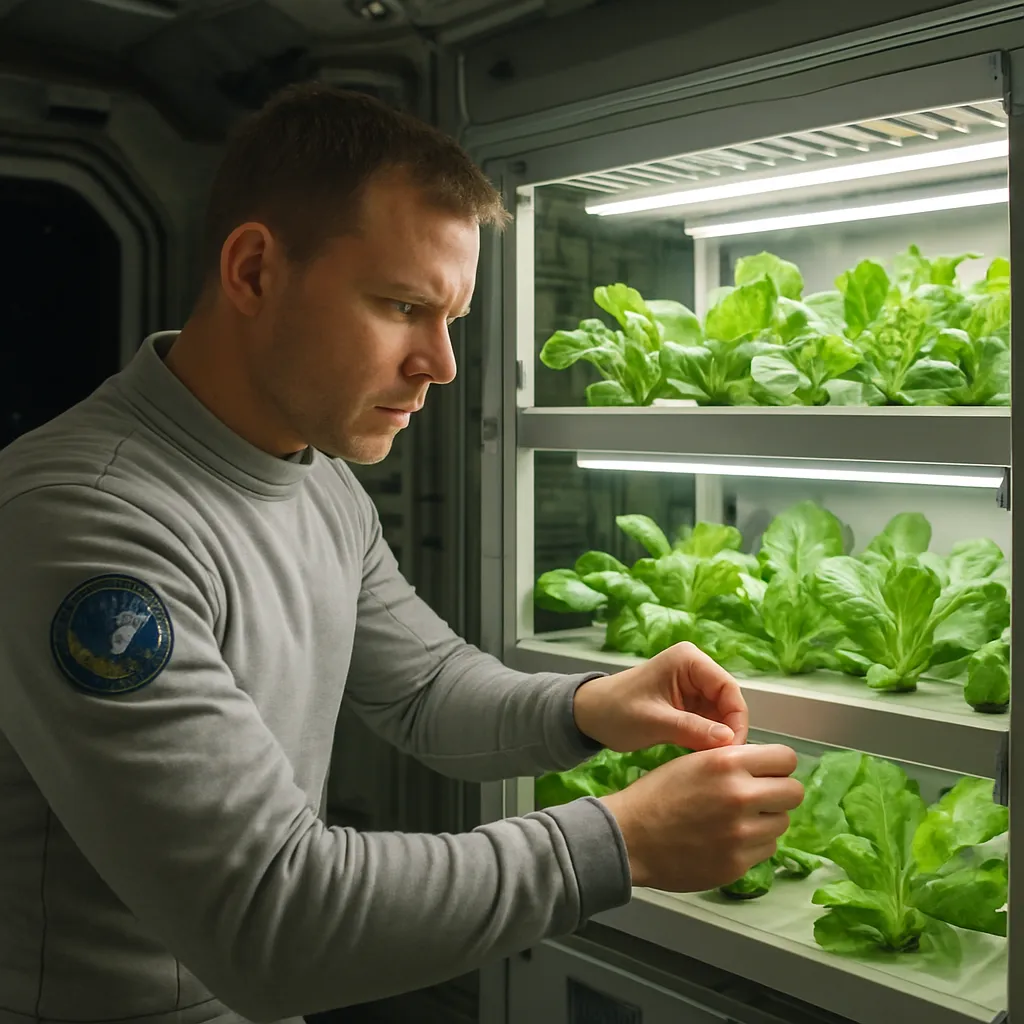
- Customizable light spectra promote vegetative growth or fruiting stages.
- Dynamic dimming ensures energy efficiency throughout each crop cycle.
- Light-emitting diodes offer minimal heat output and long operational lifespan.
Modular Growth Chambers
Stackable racks offer flexible cropping plans, enabling crop rotation schedules without reconfiguring the entire habitat. Each rack can be isolated for pest control or experimental conditions, and modules can be swapped in and out for maintenance without disrupting neighboring crops.
Efficient Resource Recycling and Nutrient Management
On long missions, resupply opportunities are limited or nonexistent, so every drop of water and gram of fertilizer must be conserved. Integrated waste-to-resource loops transform crew waste into plant-available compounds, reducing dependency on Earth-supplied consumables.
Water Recovery and Purification
- Condensate collected from cabin humidity is filtered and sterilized for irrigation.
- Greywater undergoes membrane filtration followed by UV treatment to remove pathogens.
- Closed water loops minimize losses through transpiration by recapturing vapor in dehumidifiers.
Organic Waste Recycling
Solid waste, including plant residues and food scraps, is processed by microbial bioreactors. These systems break down organic matter, yielding nutrient-rich liquids and gases. Recovered compounds feed back into hydroponic solutions, while excess biomass is converted into biochar to enhance substrate structure.
Crop Strategies and Rotation Planning
Maintaining soil or substrate health over multiple cycles requires careful diversity planning. Crew members and mission planners coordinate crop schedules based on nutritional needs, growth durations, and compatibility to suppress opportunistic pathogens.
Short-Cycle vs. Long-Cycle Crops
- Leafy greens (e.g., lettuce, spinach) mature in 20–30 days, providing rapid yields.
- Fruiting plants (e.g., tomatoes, peppers) require 60–90 days but yield high calorie and vitamin content.
- Legumes contribute to nitrogen fixation, reducing external fertilizer inputs.
Disease Suppression through Crop Rotation
By alternating families of plants, microbial balances in the root zone remain stable. This approach prevents build-up of species-specific pathogens and supports beneficial bacteria, promoting long-term sustainability of the growing medium.
Environmental Monitoring and Control Strategies
Automated sensors and control software ensure optimal conditions are maintained around the clock. Data analytics and machine learning algorithms predict deviations and make real-time adjustments to lighting, temperature, and irrigation schedules.
Sensor Networks
- Soil moisture probes detect drying before crop stress occurs.
- CO2 sensors regulate gas supplementation to match photosynthetic demand.
- Spectral light sensors verify LED outputs remain within target wavelengths.
Predictive Control Systems
Algorithms analyze historic growth data to forecast resource needs, enabling preemptive adjustments. Early warning alerts notify crew and ground teams of anomalies, such as nutrient imbalances or power fluctuations that could jeopardize crop health.
Looking Ahead: Towards Sustainable Space Agriculture
As missions extend to Mars and beyond, scalable systems will be crucial. Research on exotic substrates, advanced genetic lines, and fully closed ecological habitats promises to reduce Earth dependence even further. Collaboration between space agencies, universities, and private companies accelerates innovations that could one day transform farming on Earth as well as in space.
Integration with Life Support
Future habitats may incorporate multi-tiered bioregenerative loops, where plants, microbes, and crew interact symbiotically. Oxygen production, carbon dioxide removal, and nutrient cycling will converge in a unified ecosystem, maximizing efficiency and resilience.
Earth Applications
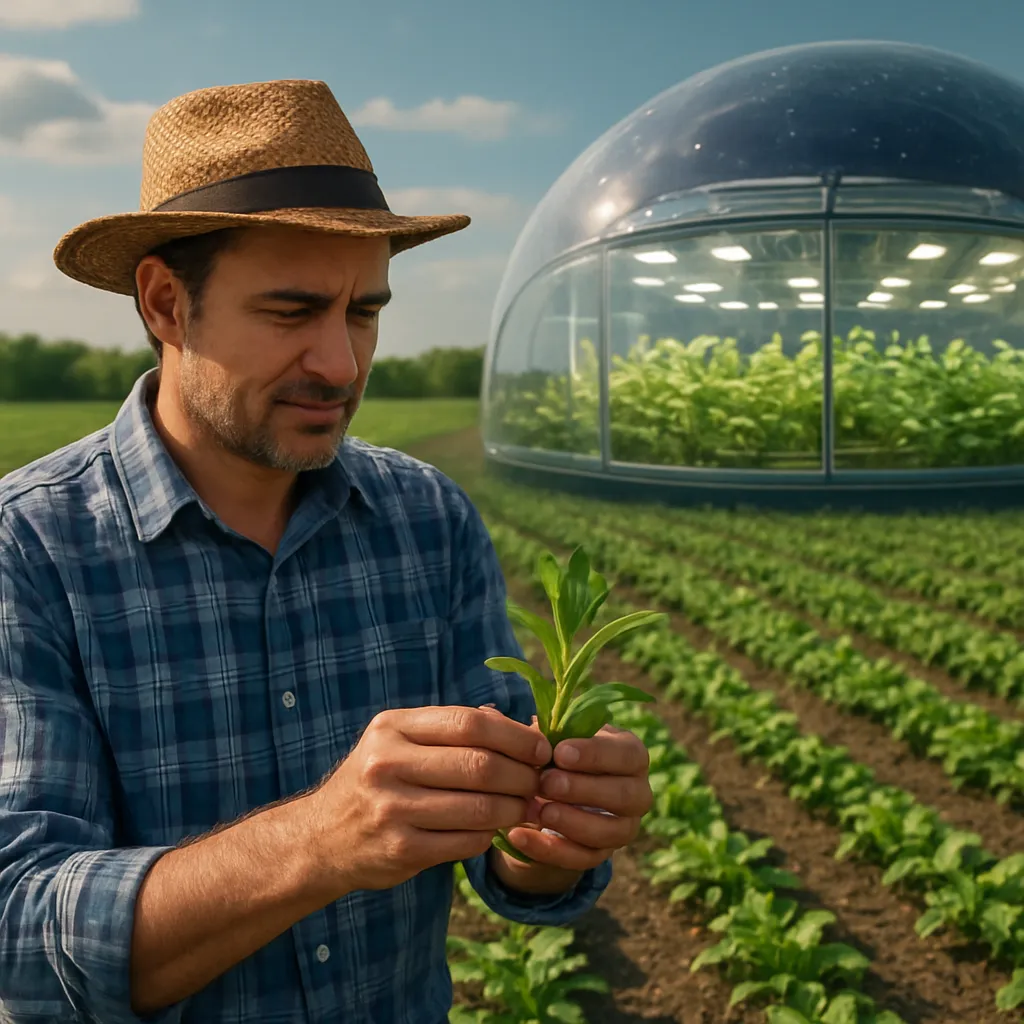
Technologies developed for space — such as vertical farms with precision LED lighting and closed hydroponic systems — are already revolutionizing urban agriculture and regions with scarce water resources. By mastering crop cycles in extreme environments, we lay the groundwork for meeting global food challenges.