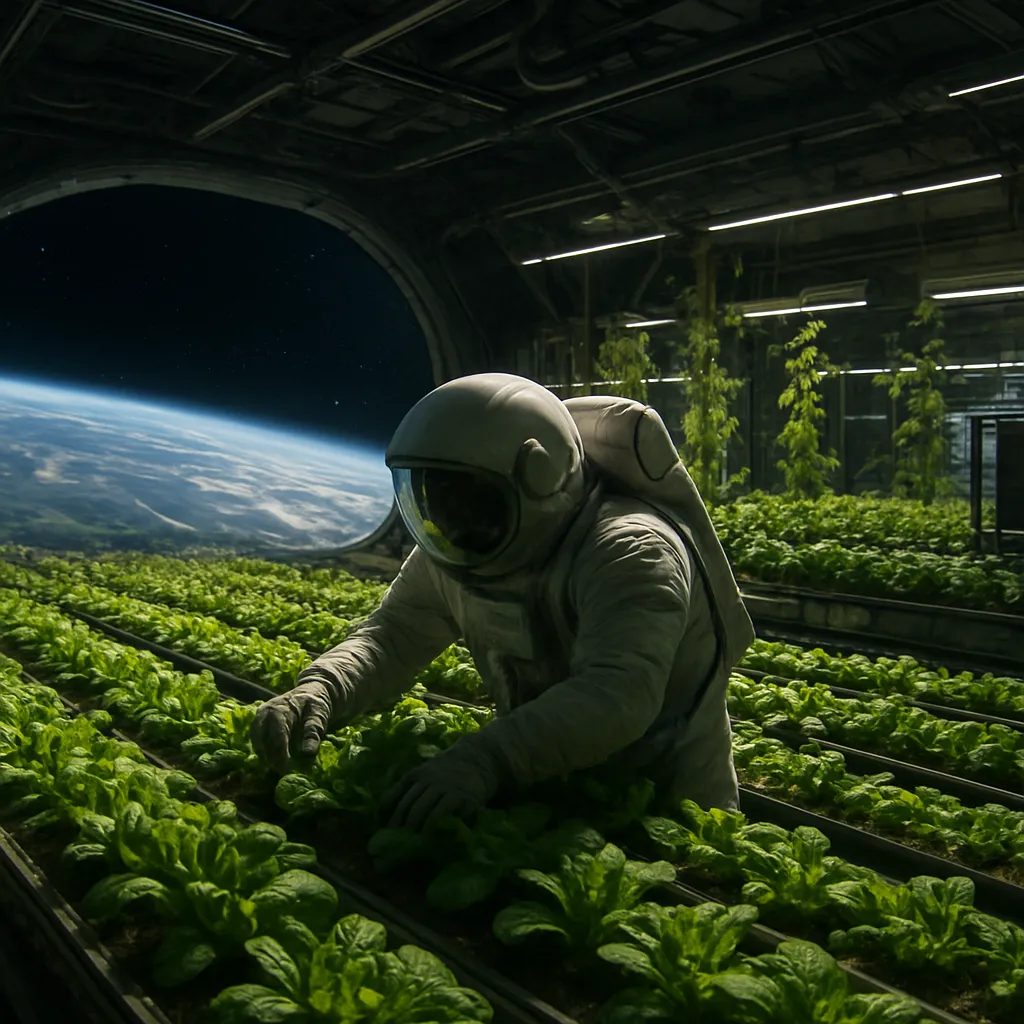
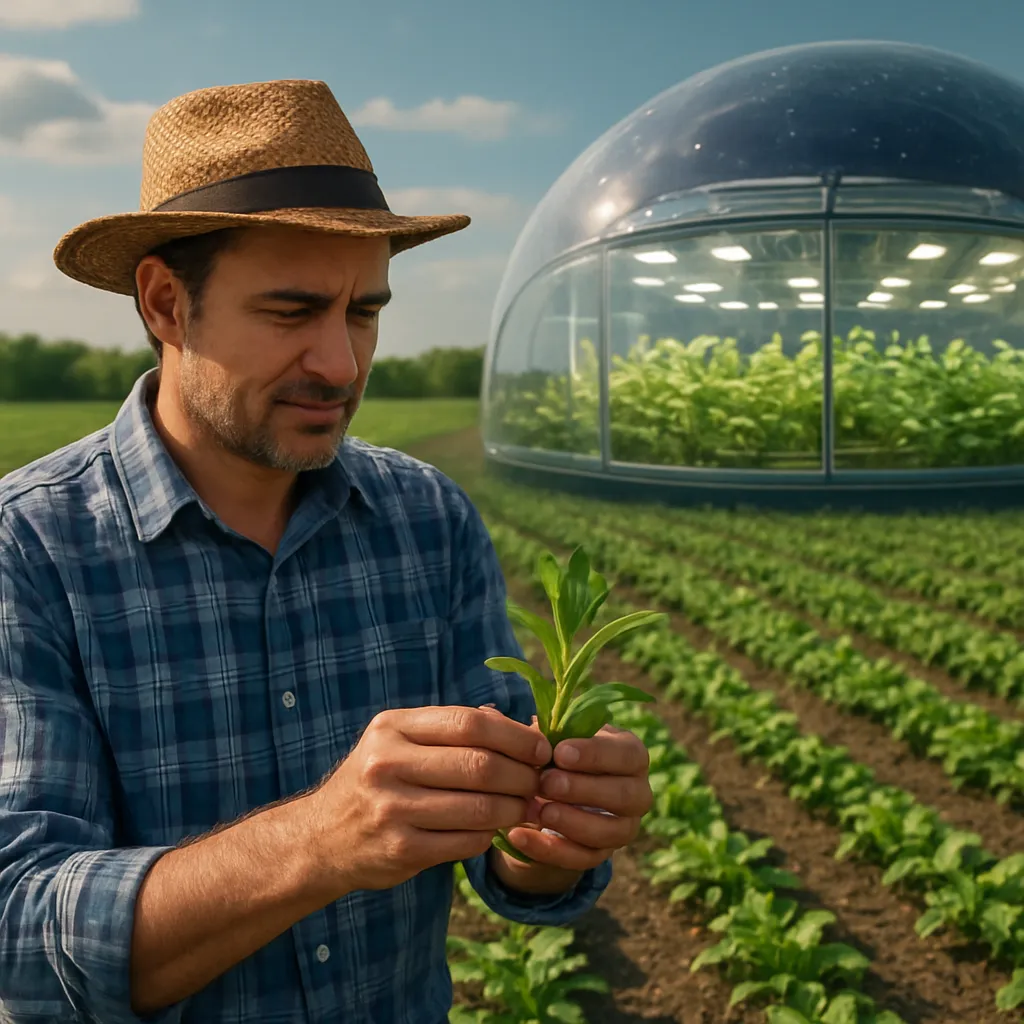
The exploration of cultivating plants beyond Earth’s surface has ushered in a new era for both space science and agriculture. Researchers are delving into how vegetables and herbs thrive in confined, microgravity environments, and how these conditions shape their taste and aroma. By integrating advanced cultivation systems aboard orbital platforms, scientists not only aim to sustain long-duration missions but also to unlock unique flavor profiles that could redefine gastronomic experiences on Earth and beyond.
The Science of Space Agriculture
Understanding plant growth in space requires grappling with the absence of Earth’s gravity, elevated radiation levels, and closed-loop life support systems. In microgravity, fluids behave differently, affecting water distribution around roots and within tissues. This has profound implications for photosynthesis efficiency and nutrient uptake. Meanwhile, cosmic radiation can induce genetic mutations that alter metabolic pathways, potentially enhancing or diminishing the production of flavor compounds.
Growth Chambers and Bioregenerative Life Support
On the International Space Station (ISS), specialized growth chambers maintain controlled atmospheres. These modules regulate temperature, humidity, CO₂ concentration, and light spectra using LED technology. Such elaborate systems form the backbone of bioregenerative life support, where plants recycle carbon dioxide into oxygen and purify water via transpiration. Each factor—light intensity, photoperiod, airflow, and root-zone moisture—must be optimized to replicate or even surpass terrestrial conditions.
Cultivation Techniques and Technology
Space-based farming employs innovative methods tailored for environments lacking soil and stable gravitational pull. Traditional agriculture gives way to compact, efficient systems that use minimal mass and volume.
- Hydroponics: Plants grow with roots suspended in nutrient-rich water solutions. This approach minimizes water waste and simplifies nutrient management, allowing precise control over pH and mineral concentration.
- Aeroponics: A fine mist delivers nutrients directly to root surfaces, maximizing oxygen exposure and promoting rapid growth. Reduced water usage and lower microbial risks make aeroponics an attractive option for space habitats.
- Substrate-based systems: Lightweight foams or porous ceramics support root structures while wicking moisture and nutrients. These inert media prevent microbial overgrowth and facilitate root-zone monitoring.
Automation and AI Monitoring
Given the limited crew time during missions, automation plays a pivotal role. Robotic arms reposition trays, while sensors continuously track humidity, temperature, and nutrient levels. AI algorithms analyze growth patterns, predicting deficiencies or disease onset before visible symptoms appear. Such data-driven systems optimize resource allocation, ensure resilience, and uphold consistent plant quality.
The Taste and Aroma Profile of Space-Grown Produce
One of the most intriguing outcomes of space agriculture is the alteration of sensory characteristics. Researchers employ gas chromatography–mass spectrometry (GC-MS) and electronic nose technology to quantify volatile organic compounds (VOCs) responsible for flavor and scent. Variations in metabolism triggered by microgravity and radiation can yield unique profiles.
- Leafy greens like lettuce often exhibit higher concentrations of certain terpenes, contributing to a more pronounced aromatic note.
- Herbs such as basil and cilantro may develop intensified essential oils, enhancing both fragrance and taste intensity.
- Fruit-bearing crops, including dwarf tomatoes and peppers, can show shifts in sugar–acid balance, leading to novel sweetness or tang.
Analytical Methods
Post-harvest analysis compares space-grown samples against Earth controls. Techniques include high-performance liquid chromatography (HPLC) for nutrient profiling and sensory panels for subjective evaluation. Combining objective chemical data with human taste tests helps determine whether microgravity fosters beneficial flavor enhancements or requires adjustments in cultivation parameters.
Nutritional and Culinary Implications
Beyond sensory appeal, space-farmed produce holds promise for elevated nutritional value. Controlled environments allow scientists to tweak nutrient solutions, potentially boosting concentrations of vitamins, antioxidants, and other bioactive compounds. For example, slight modulation of calcium and magnesium levels can fortify cell walls against radiation-induced stress, inadvertently raising dietary mineral content.
- Increased polyphenols: Stress responses in space-grown plants often lead to higher polyphenolic compounds, which have antioxidant properties.
- Enhanced vitamins: Optimized light spectra can catalyze the synthesis of vitamin C and carotenoids, improving nutritional density.
- Flavor–nutrient synergy: Stronger aroma and taste may correlate with elevated levels of health-promoting phytochemicals, merging culinary delight with functional benefits.
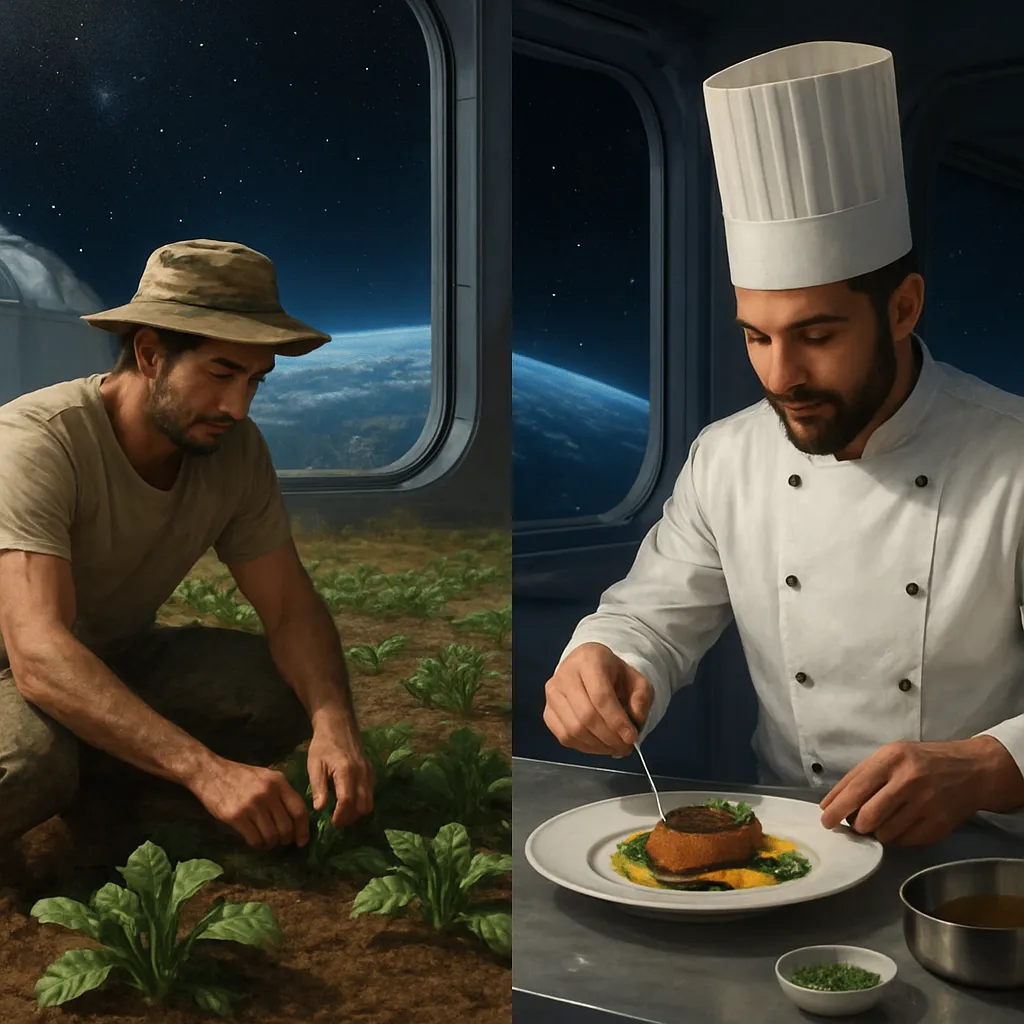
Chefs and food scientists are already experimenting with these space-grown ingredients, crafting dishes that showcase unfamiliar flavor nuances. Imagine a salad featuring lettuce with a hint of citrus-like effervescence or pesto made from basil with an intensified peppery kick. Such innovations could influence future menus aboard spacecraft and inspire novel culinary trends on Earth.
Challenges and Future Prospects
Scaling space agriculture from experimental modules to fully functional bioregenerators entails overcoming technical and logistical hurdles. Mass, volume, energy consumption, and upmass costs to launch supplies remain critical constraints. Ensuring plant health over multiple growth cycles without Earth-based intervention demands robust system redundancy and fail-safe protocols.
Planetary Habitat Integration
Looking ahead to lunar bases and Mars outposts, agricultural units must integrate seamlessly with habitat infrastructure. Designs involve modular growth racks that can be assembled in pressurized greenhouses, using regolith-based substrates or recycled water from habitat systems. These setups aim to deliver a continuous supply of fresh food, reduce reliance on resupply missions, and enhance crew well-being.
Regulatory and Commercial Considerations
As private companies enter space farming ventures, regulatory frameworks will evolve to address safety, standardization, and intellectual property. Defining acceptable levels of radiation exposure for edible plants and certifying food for human consumption beyond low Earth orbit will be paramount. Simultaneously, commercial prospects include microgravity-grown gourmet produce marketed on Earth as exotic culinary novelties.
Continued investment in research and development, coupled with cross-disciplinary collaboration among biologists, engineers, and chefs, will accelerate progress. Ultimately, mastering the art and science of cultivating flavorful, nutritious plants in space not only supports humanity’s cosmic ambitions but also enriches terrestrial agriculture with groundbreaking insights.