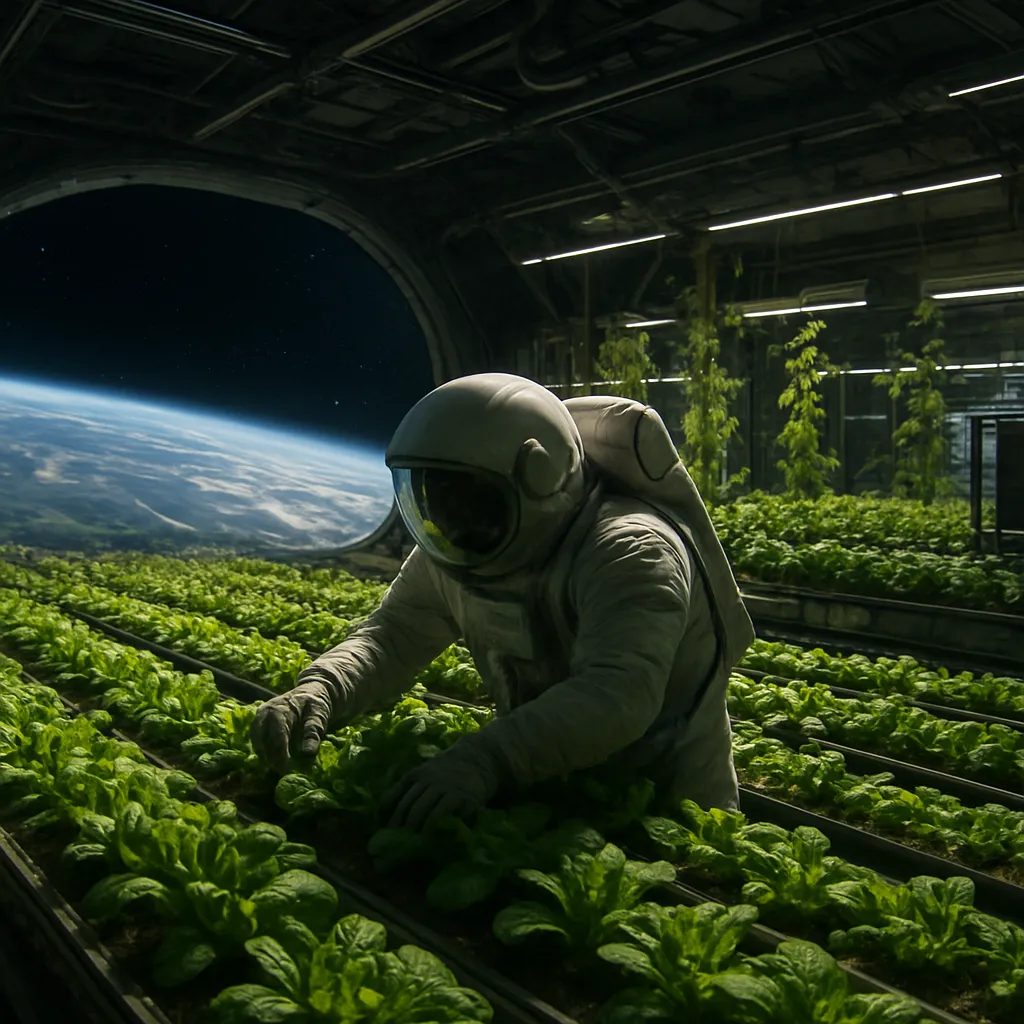
The investigation into how plants communicate beyond Earth’s confines unlocks a new realm of possibilities for sustainable life support in extraterrestrial habitats. As humanity pushes the boundaries of exploration, understanding the subtle conversations occurring among extraterrestrial crops becomes increasingly vital. This article delves into the molecular, physiological, and technological aspects shaping plant interaction under microgravity and harsh space conditions, offering insights for future pioneers cultivating greenery on lunar bases and Martian colonies.
Plant Communication Mechanisms
On Earth, plants exchange vital information through a network of chemical and physical pathways. These include root exudates released into the soil, airborne volatile organic compounds (VOCs), and even electromagnetic field alterations. In closed-loop growth systems, such as those envisioned for Mars, these channels become critical for maintaining crop health and maximizing yield.
- Volatile Organic Compounds: VOCs help plants warn neighbors of pathogen attacks by priming defense gene expression.
- Electrical Signals: Rapid changes in membrane potential travel from wounded tissue to distant leaves, triggering systemic responses.
- Hydraulic Pressure Waves: Fluctuations in xylem pressure communicate water stress, guiding stomatal closure in adjacent plants.
Recent studies on Earth-simulated microgravity environments have shown that the efficiency of these signaling pathways may shift. For example, VOC dispersion in reduced-gravity chambers alters the spatial reach of airborne alerts, demanding novel design considerations for plant growth modules.
Challenges in Space Cultivation
Cultivating plants outside Earth presents unique obstacles. The absence of buoyancy-driven convection impairs gas exchange around leaf surfaces. Meanwhile, cosmic radiation can damage DNA, impairing a plant’s ability to produce and interpret chemical signals. Key challenges include:
- Reduced Gravity Effects: Altered fluid dynamics in xylem and phloem hinder nutrient transport and signal propagation.
- Radiation Stress: High-energy particles cause oxidative damage, forcing plants to ramp up antioxidant production at the expense of growth.
- Atmospheric Control: Achieving optimal CO₂ and O₂ concentrations in sealed habitats is critical to sustain photosynthesis and photoreceptor activation.
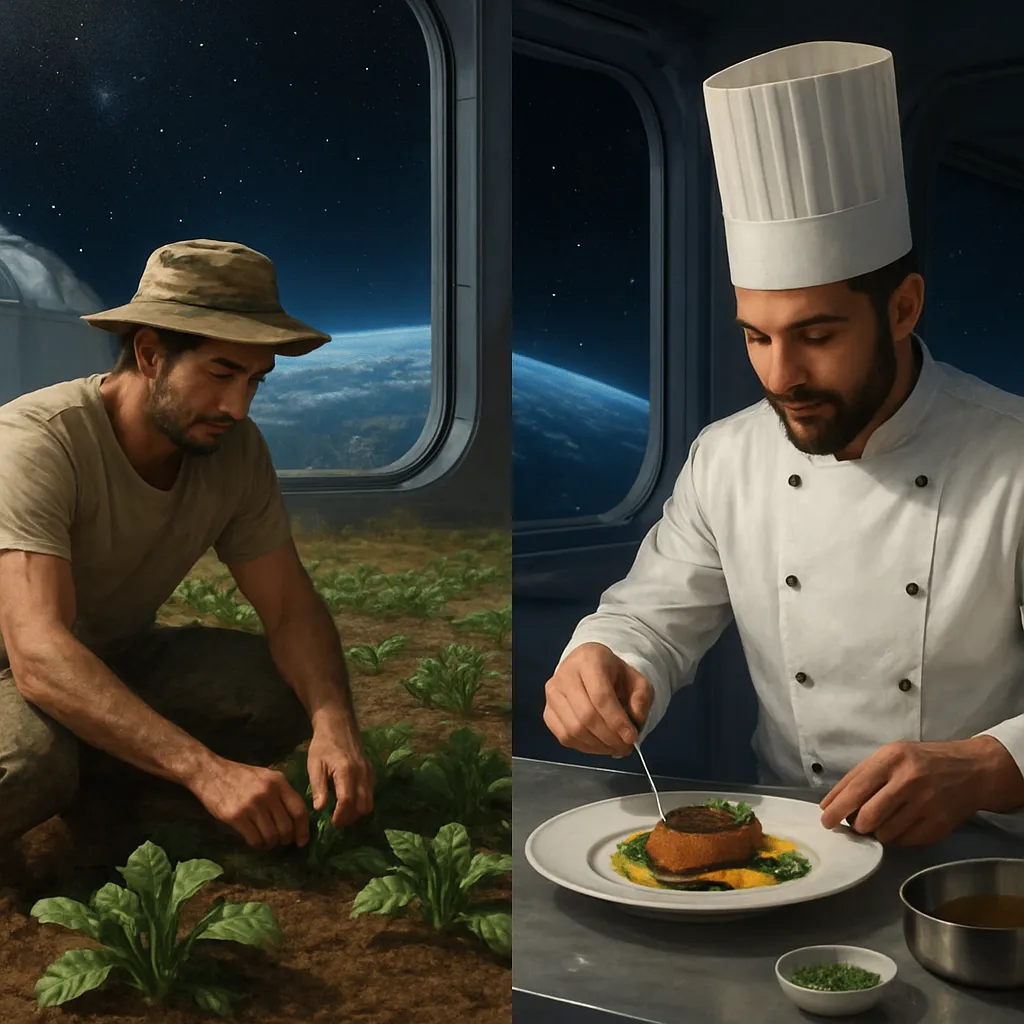
Furthermore, the psychological well-being of astronauts is linked to the vitality of onboard plants. A breakdown in plant communication could manifest as wilting or nutrient deficiency, reducing both food security and crew morale.
Advances in Extraterrestrial Agriculture Technologies
To address these hurdles, researchers have developed a suite of innovative strategies. The following technologies aim to preserve or even enhance interplant communication under spacefaring conditions:
Hydroponics and Aeroponics Systems
Liquid nutrient delivery eliminates soil-borne pathogens, creating a cleaner growth environment. In aeroponics, roots are regularly misted with nutrient solutions, promoting vigorous development and improving the transmission of root exudates signals among neighboring plants.
Bioregenerative Life Support
Closed ecologies integrate crops, microbial cultures, and algae to recycle water, oxygen, and waste. By monitoring VOC profiles, on-board sensors can assess real-time plant health, detecting early stress signals and adjusting environmental parameters accordingly.
Genetic and Synthetic Biology Approaches
Modifying genes involved in signal production and reception augments plants’ ability to communicate under cosmic radiation. For instance, overexpressing antioxidant pathways or introducing novel photoreceptor variants enhances resilience and maintains robust adaptation to fluctuating habitat conditions.
- CRISPR-based edits to increase VOC diversity and potency.
- Synthetic signaling modules integrating light-activated promoters for precise control of stress responses.
- Engineered root microbiomes amplifying beneficial chemical exchanges.
Monitoring and Harnessing Plant Signals
Advanced sensing platforms decode the complex lexicon of plant communication. Machine learning algorithms analyze patterns in volatile emissions, fluorescence signatures, and electrical pulses to predict nutrient deficiencies, disease onset, or suboptimal lighting. Key developments include:
- Portable Spectrometers measuring VOC concentrations in real time.
- Electrochemical probes tracking sap ion fluxes that convey drought stress signals.
- Wearable sensors attached to stems, capturing electrical action potentials linked to wounding or temperature changes.
By integrating these data streams, autonomous control systems can fine-tune irrigation, lighting, and atmospheric composition, ensuring optimal communication among plants and maximizing biomass production.
Future Directions for Space-Based Agriculture
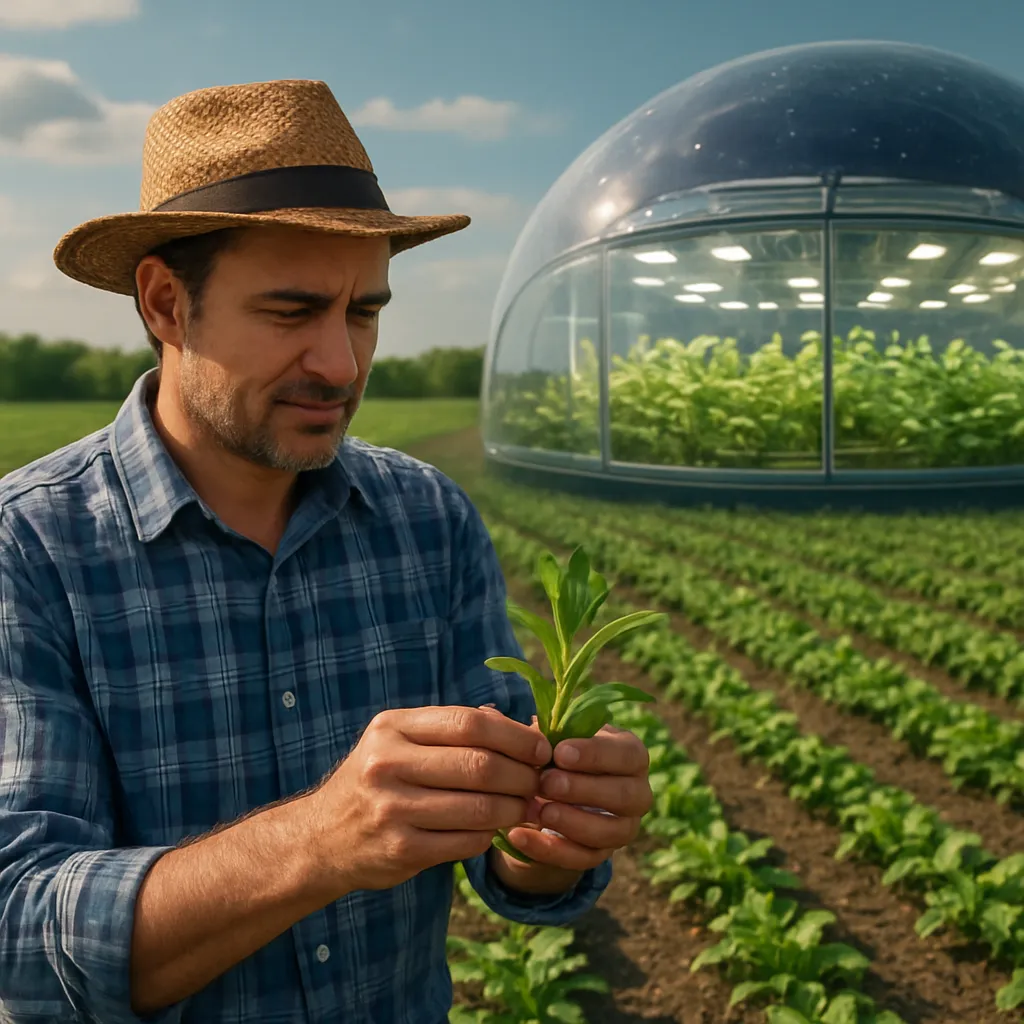
As we venture toward Mars colonization, the concept of farms orbiting Earth—so-called “gravity farms”—could serve as testbeds for refining communication-centric cultivation techniques. These floating facilities would offer continuous exposure to partial gravity regimes, bridging the gap between terrestrial trials and planetary settlements.
- Microbial Consortia: Engineering symbiotic communities that bolster plant signaling fidelity.
- Multispectral Lighting Arrays: Tuning light spectra to synchronize circadian rhythms and chemical messenger synthesis.
- Intercropping Strategies: Designing plant communities whose complementary signaling pathways enhance overall ecosystem stability.
Understanding and leveraging plant communication in the extraterrestrial context not only supports human life in harsh environments but also expands our scientific grasp of how life adapts beyond Earth’s cradle. As the frontier of space agriculture evolves, these insights will underpin efforts to create self-sufficient habitats, ensuring that each green leaf contributes to a thriving off-world society.