Bioreactors represent a transformative technology poised to revolutionize life support systems for long-duration space missions. By harnessing the capabilities of living cells, these closed systems can generate vital resources, recycle waste, and improve overall mission resilience. Understanding how bioreactors integrate into extraterrestrial agriculture and life support is essential for future crewed voyages to Mars, lunar bases, and deep-space outposts.
Bioreactor Fundamentals for Space Agriculture
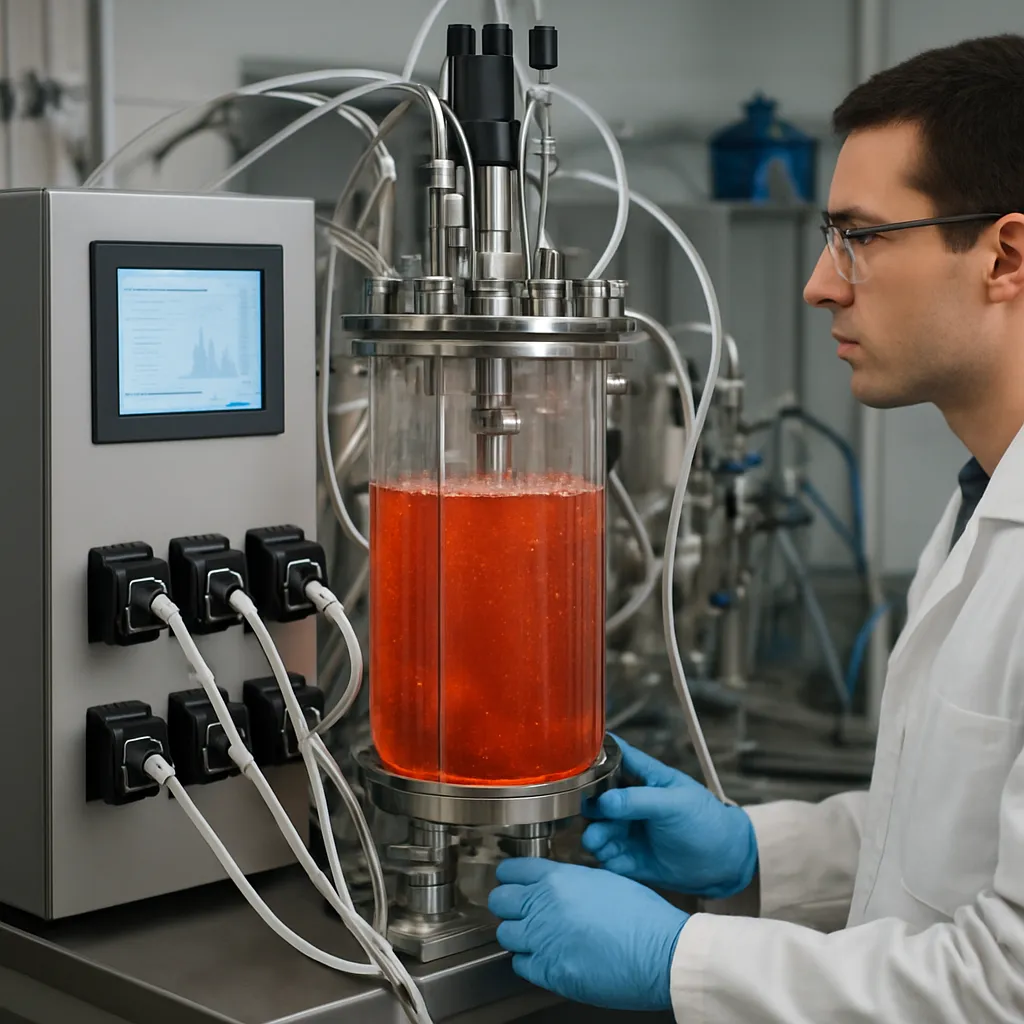
At their core, bioreactors are engineered vessels designed to cultivate biological entities—ranging from algae and bacteria to plant cells—under precisely controlled conditions. In the context of space travel, they must operate within a microgravity environment, where fluid dynamics, gas exchange, and heat transfer behave differently than on Earth. Successful design relies on balancing several factors:
- Precise management of nutrients and pH levels to optimize growth rates.
- Effective mixing and circulation to prevent cell sedimentation in microgravity.
- Gas exchange systems that supply carbon dioxide and remove oxygen or other metabolic byproducts.
- Sterility protocols to avoid contamination by unwanted microorganisms.
By tailoring these parameters, bioreactors can produce a diverse array of outputs, including edible biomass, oxygen through photosynthesis, and even pharmaceuticals. The concept of a closed-loop ecosystem emerges as bioreactors recycle crew waste streams—such as carbon dioxide, gray water, and organic residues—transforming them into life-sustaining products.
Design Considerations for Long-Duration Missions
Crafting a bioreactor suitable for extended missions requires addressing unique challenges. Weight and volume constraints aboard spacecraft demand compact, lightweight systems. Reliability must be exceptionally high to minimize maintenance by astronauts during critical mission phases. Key design elements include:
- Modularity: Segmented units allow for scalable capacity and redundancy.
- Automation: Autonomous sensors and control algorithms reduce crew workload and error.
- Energy Efficiency: Low-power mixing and lighting solutions—such as LED arrays tuned to optimal algal wavelengths—conserve limited power resources.
- Robust Materials: Radiation-resistant polymers or metals ensure structural integrity over years.
Integration with existing life support hardware further boosts efficiency. For instance, waste CO₂ from crew habitats can feed algal bioreactors, while generated oxygen supplements cabin air. Excess algal biomass can enrich hydroponic planting beds, enhancing plant growth and dietary variety. This synergy underpins a broader goal of sustainability in space settlement.
Synergies with Hydroponics and In-Situ Resource Utilization
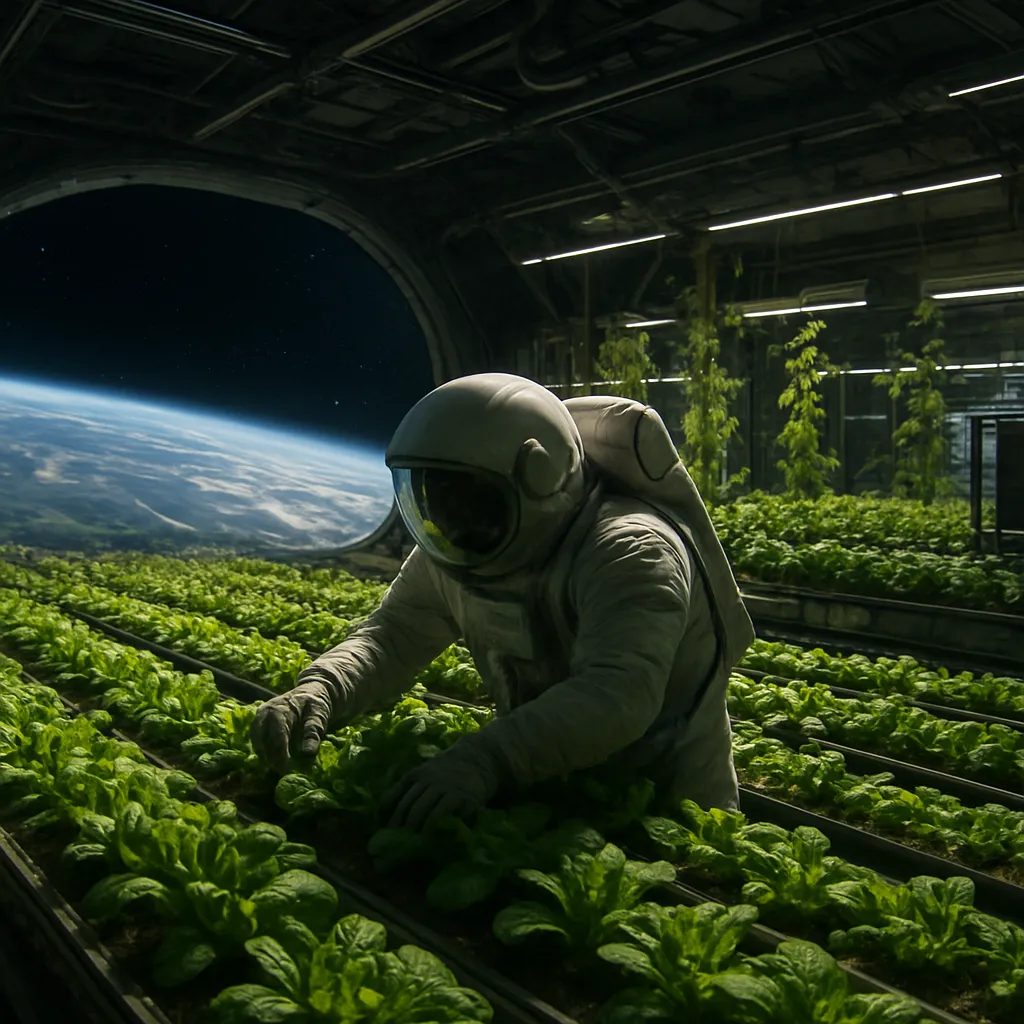
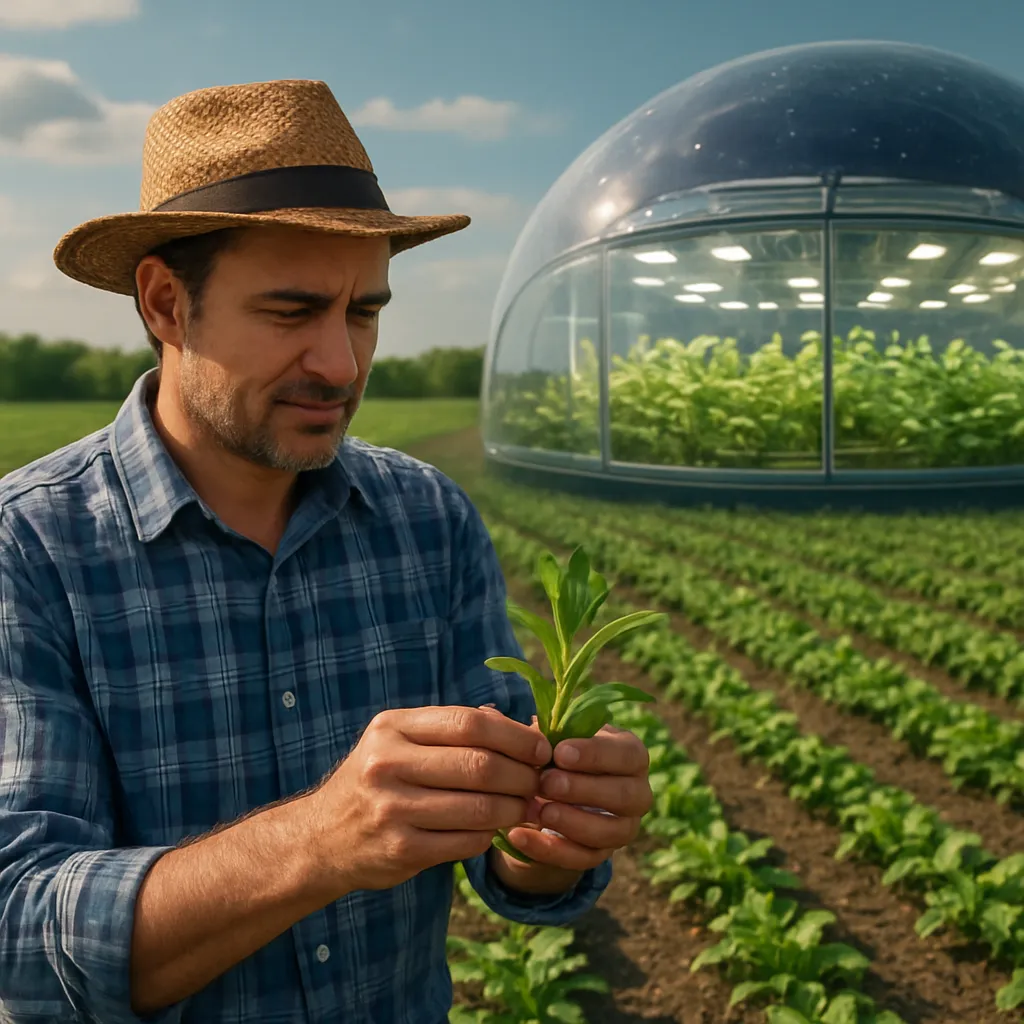
Hydroponic farming systems have demonstrated the feasibility of soilless plant cultivation in microgravity. When coupled with bioreactors, they form a powerful tandem for on-board agriculture. Algal bioreactors can pre-treat waste streams, extracting nutrients and purifying water that later irrigates hydroponic crops. Conversely, plant root exudates and harvested vegetable matter can serve as feedstock for microbial reactors.
Key Advantages
- Enhanced resource cycling: Closed-loop transfer of water and minerals reduces resupply needs.
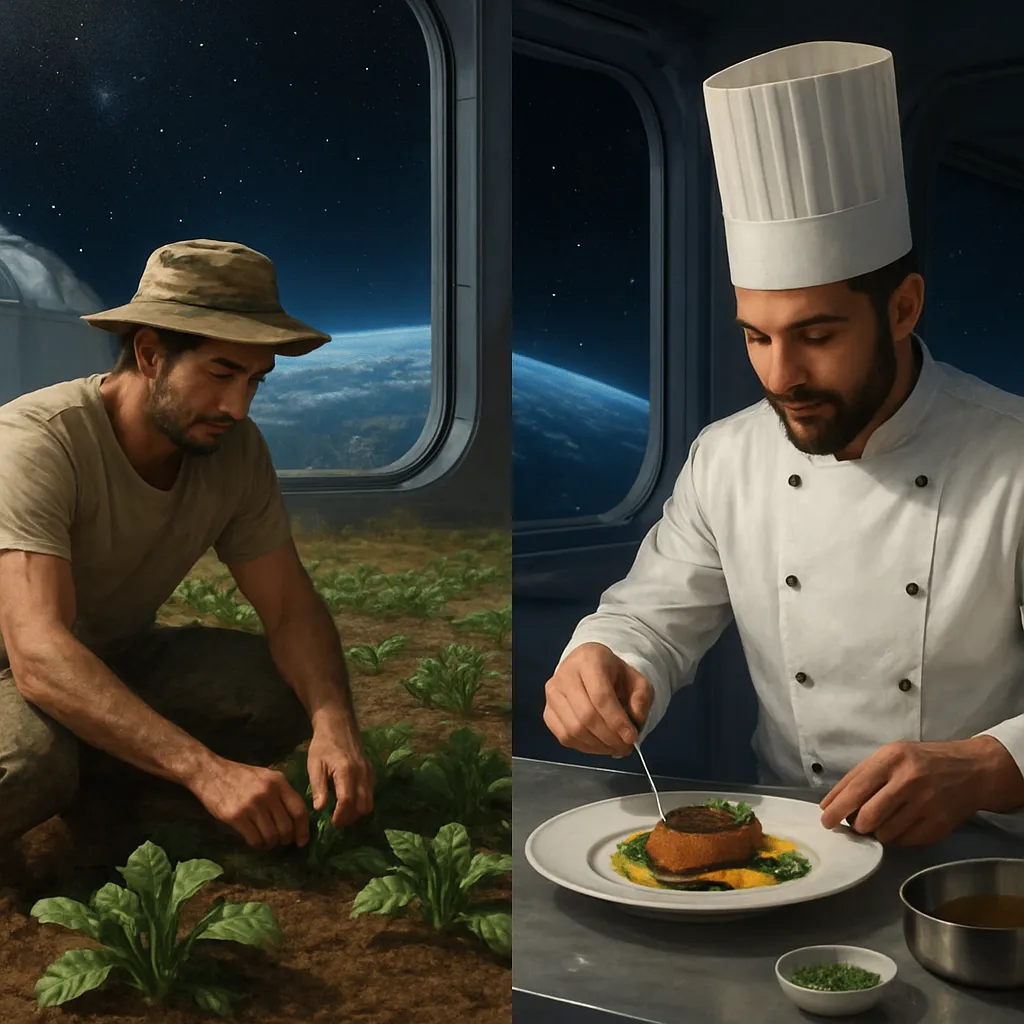
- Diverse food production: Combined outputs of algae, vegetable matter, and plant-based proteins diversify crew diets.
- Bioremediation: Microbial communities can detoxify contaminants, ensuring safe water and air.
Engineering Challenges
- Managing interdependent systems without cascading failures.
- Aeration in microgravity: preventing gas bubble formation that can disrupt fluid circuits.
- Scaling production rates to meet nutritional requirements of a growing crew.
Operational Protocols and Crew Interaction
Efficient operation of space bioreactors hinges on clear protocols that dictate maintenance schedules, sampling routines, and emergency procedures. Minimal crew time allocation is critical—ideally less than one hour per day per system. Strategies include:
- Automated monitoring: Inline sensors track pH, dissolved oxygen, and optical density, with real-time data transmitted to ground control.
- Robotic handlers: Simple robotic arms or actuators perform routine tasks such as media replenishment and harvest collection.
- Standardized cartridges: Pre-packaged nutrient kits and inoculum capsules streamline restarts and reduce contamination risks.
Training protocols for astronauts emphasize remote diagnostics and troubleshooting. By simulating potential failures on Earth-based analog missions, crews gain confidence in maintaining bioreactors with minimal ground support.
Challenges, Mitigation Strategies, and Future Directions
While bioreactors promise transformative benefits, several obstacles remain:
- Genetic stability: Mutations in microbial or algal strains over extended culture periods can degrade performance.
- Biofilm formation: Uncontrolled cell adhesion to vessel walls reduces effective volume and leads to clogging.
- Resource competition: Balancing nutrient allocation between bioreactors and other life support modules.
Mitigation strategies involve periodic strain replacement, advanced surface coatings to inhibit biofilm, and dynamic resource allocation algorithms. Looking ahead, researchers are exploring synthetic consortia of microbes that perform multi-step biochemical conversions—transforming waste organics into complex nutrients with minimal human intervention.
The intersection of bioreactor technology with planetary in-situ resource utilization (ISRU) opens avenues for utilizing Martian regolith extracts or lunar ice deposits. By feeding these raw materials into specialized reactors, future bases could produce fertilizers, building blocks for biopolymers, or even oxygen—all generated on-site.
Conclusion
Implementing bioreactors as central components of space agriculture systems lays the foundation for truly sustainable long-duration missions. Through innovation in design, automation, and integration with hydroponics and ISRU, crews will reduce reliance on Earth resupply, enhance mission safety, and enable human presence deeper into the Solar System.