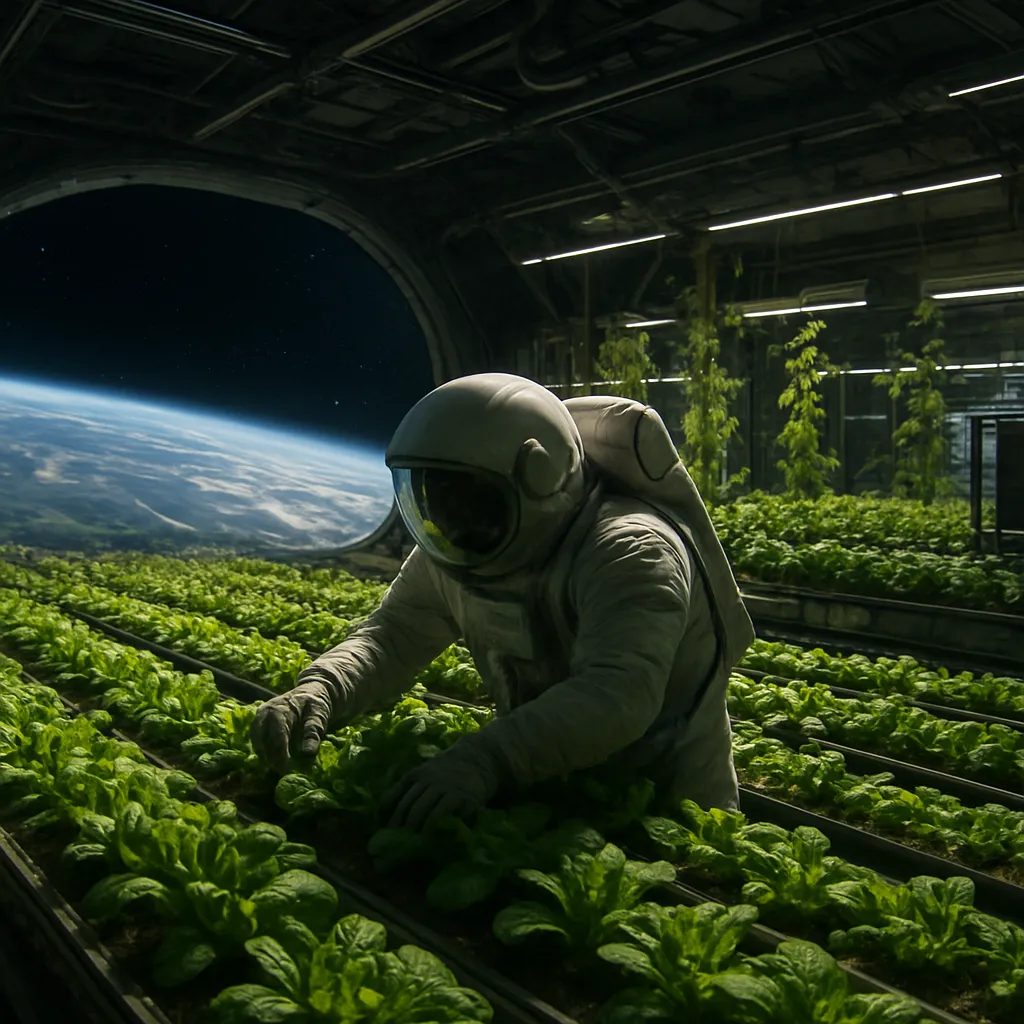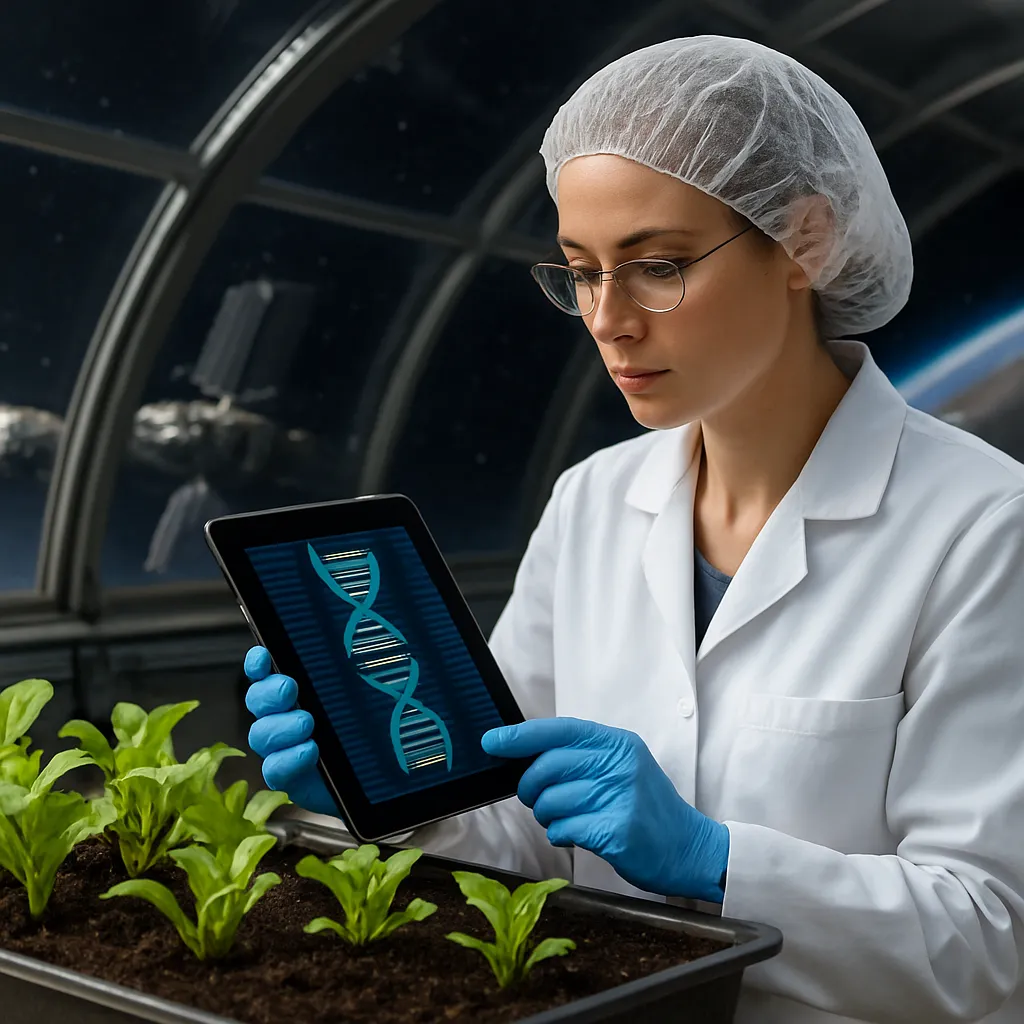
The intersection of biological sciences and computational technology has opened new horizons for cultivating plants beyond Earth’s atmosphere. As humanity prepares for long-duration missions to the Moon, Mars, and beyond, understanding how to grow food in alien environments becomes crucial. Bioinformatics lies at the heart of this endeavor, offering tools to decode, analyze, and optimize genetic information for robust crop production under the stresses of space. By integrating genomics, transcriptomics, and data analytics, researchers can design plant varieties tailored to thrive under microgravity and limited resources.
Applications of Bioinformatics in Microgravity Environments
Adapting crops to microgravity conditions involves unraveling how plants respond at the molecular level when gravity is reduced or absent. On Earth, gravity influences root orientation, water transport, and cell wall development. In space, these processes shift dramatically, prompting changes in gene expression patterns. High-throughput sequencing techniques generate vast amounts of genomic and transcriptomic data from plants grown aboard platforms like the International Space Station. Bioinformatics pipelines then align and annotate these sequences, pinpointing genetic engineering targets to mitigate stress responses.
One example is the analysis of stress-marker genes activated by spaceflight-induced cosmic radiation. By comparing expression profiles of seedlings grown on Earth versus those in orbit, scientists identify upregulated pathways involved in DNA repair and antioxidant production. Advanced algorithms cluster these pathways, revealing potential gene candidates for overexpression to enhance resilience. Such insights would be prohibitively time-consuming without automated sequence alignment and statistical modeling capabilities inherent to bioinformatics.
Modeling Plant Development Under Low Gravity
- Simulating root gravitropism pathways using in silico network models
- Predicting hormonal regulation shifts through machine learning
- Integrating omics data to map cell wall biosynthesis adaptations
These computational models guide the design of synthetic biology constructs, enabling the introduction of regulatory elements that compensate for altered hormonal gradients. Ultimately, bioinformatics-driven strategies can yield plant varieties exhibiting stable growth patterns in orbit.
Data-Driven Crop Optimization for Extraterrestrial Farms
Establishing reliable food sources on extraterrestrial surfaces demands crops suited to unconventional substrates, limited water, and recycled nutrients. Martian or lunar regolith lacks essential minerals and organic matter, necessitating creative solutions. By deploying high-throughput phenotyping platforms alongside sequencing technologies, researchers build comprehensive datasets linking genotype to phenotype under varied growth media. Bioinformatics tools then decode this complexity, identifying genomic loci associated with nutrient uptake efficiency and stress tolerance.
For instance, genome-wide association studies (GWAS) compare vast populations of candidate plants cultivated in simulated martian regolith analogs. Data analytics algorithms scan for single nucleotide polymorphisms (SNPs) correlated with high biomass yield or enhanced nutrient assimilation. Once identified, these SNPs guide marker-assisted selection or CRISPR-based edits to transfer beneficial traits into elite cultivars. Through iterative cycles of sequencing and field trials, the time required to develop space-ready crops shrinks dramatically.
Precision Agriculture Meets Space Farming
- Sensor networks monitoring microclimate variables within growth chambers
- Real-time gene expression tracking to anticipate nutrient deficiencies
- AI-driven irrigation and lighting adjustments based on predictive models
Integrating sensor data with bioinformatics analysis allows for closed-loop control systems in bioregenerative life support modules. Such precision agriculture frameworks ensure optimal resource utilization while maximizing crop resilience and yield. These methodologies have direct spin-offs for Earth-based vertical farming and remote agricultural communities.
Future Perspectives and Challenges
Looking ahead, the synergy between computational biology and agriculture will play a pivotal role in sustaining human presence beyond Earth. Next-generation sequencing costs continue to decline, making genomic analyses more accessible for space missions. However, several hurdles remain. Managing and transmitting large datasets from remote planetary outposts requires robust remote sensing and data compression algorithms. Latency in communications makes on-site data processing essential, demanding compact high-performance computing systems.
Another challenge involves the unforeseen interactions between engineered plants and extraterrestrial environments. The introduction of novel genetic pathways raises questions about ecological impacts on closed-loop ecosystems. Ethical considerations also emerge when deploying genetically modified organisms in alien contexts. Interdisciplinary collaborations among bioinformaticians, astrobiologists, agronomists, and policy-makers are necessary to address these concerns responsibly.
Emerging Technologies Shaping Space Agriculture
- Designing minimal genomes for microbe-plant symbiosis in nutrient-poor soils
- Leveraging synthetic biology to produce essential biomolecules on demand
- Utilizing blockchain to secure genetic data exchanges across international teams
- Applying edge AI for autonomous decision-making in autonomous greenhouses
By harnessing the power of computational insights, space agriculture stands poised to revolutionize how we produce food in the most inhospitable settings. Bioinformatics will remain a cornerstone of innovation, driving the genetic refinement of crops and informing the design of next-generation life support systems. As we venture further into the cosmos, these efforts will ensure that fresh, nutritious sustenance accompanies explorers on their journey to the stars.