The International Space Station (ISS) has become a proving ground for innovative approaches to space agriculture, offering a wealth of insights that will shape future settlements on Mars. By mastering the cultivation of plants in microgravity, engineers and scientists have tackled challenges in resource efficiency, nutrition, and crew well-being. The lessons learned aboard the ISS form the foundation for sustainable agricultural systems on the Red Planet, where every drop of water, photon of light, and gram of substrate must be optimized. Below, we explore key developments and strategies drawn from the ISS experience that will guide the design of Martian greenhouses and food production modules.
Controlled Environment Agriculture in Microgravity
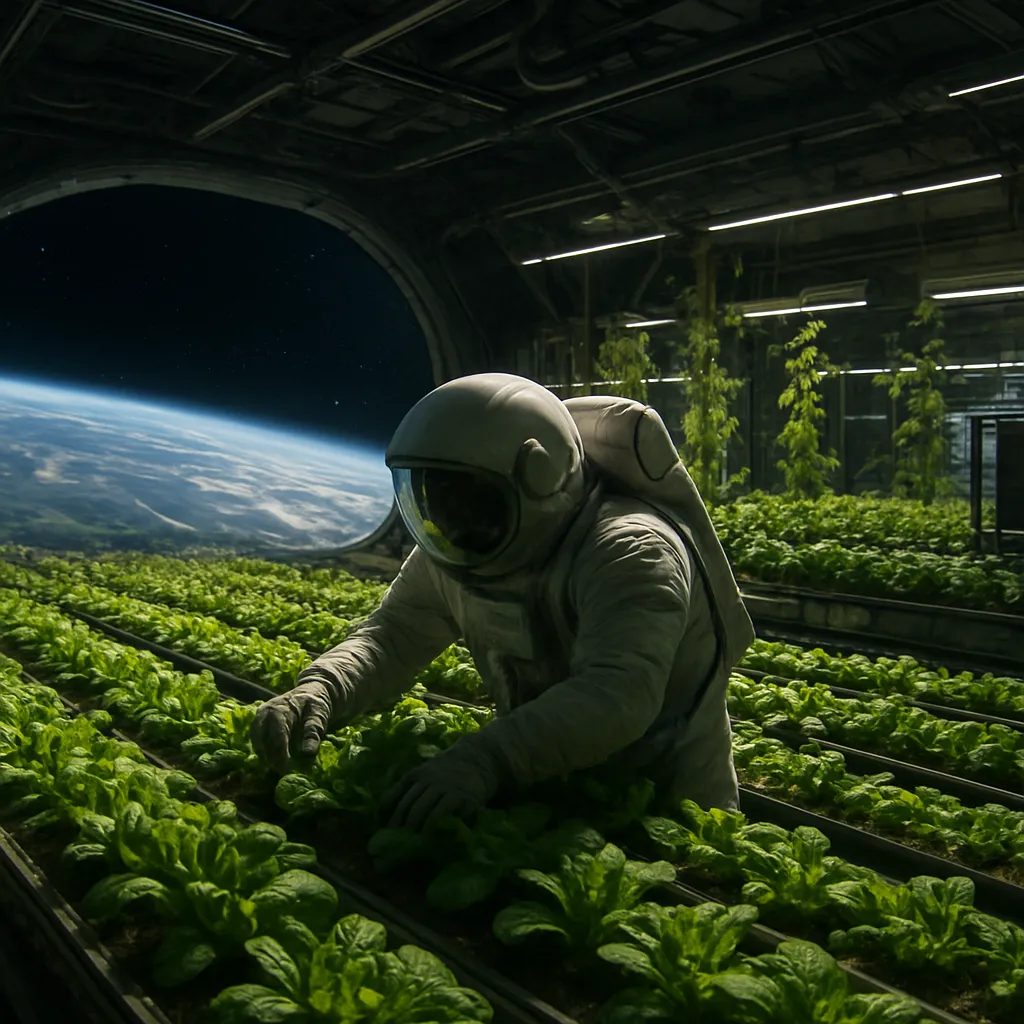
The ISS employs highly specialized plant growth facilities—such as the Veggie and Advanced Plant Habitat—to investigate the effects of microgravity on plant physiology. These platforms rely on hydroponics, aeroponics, and substrate-based cultivation to determine the best methods for root anchoring, nutrient delivery, and gas exchange. Microgravity removes the natural convection currents present on Earth, leading to unique challenges:
- Root Zoning: Without gravity to pull roots downward, plants can form tangled masses, risking gill-like zones of hypoxia. Specialized growth pillows and wicking mats maintain consistent moisture levels.
- Gas Exchange: Oxygen and carbon dioxide distribution around leaves can be impeded. Fans and controlled airflow ensure efficient nutrition uptake and prevent stagnation.
- Water Management: Capillary action replaces gravity-driven irrigation, requiring tightly calibrated tubing and membrane filters to avoid water pockets that drown roots.
These experiments have demonstrated that light spectra, photoperiod, and nutrient solution formulation must be fine-tuned for each plant species. Leafy greens like lettuce and kale reach maturity within 30 days, offering a continuous supply of fresh vitamins while reducing reliance on stored supplies. Drawing on these findings, Martian greenhouses will integrate modular racks of LED lighting tuned to red-blue wavelengths, maximizing photosynthetic efficiency while minimizing power draw.
Resource Recycling and Closed-Loop Systems
On Earth, agriculture consumes vast quantities of water and fertilizer. In contrast, a Mars colony will demand a closed-loop approach to sustain human life. The ISS research has advanced technologies in water reclamation, nutrient recycling, and waste management that will be essential off-world:
- Water Recovery: The station’s Water Recovery System recycles urine, condensation, and hygiene wastewater to potable quality. For Martian agriculture, this purified water will be channeled into plant growth chambers, reducing the need for supply missions.
- Nutrient Cycling: Spent plant biomass and human waste contain vital nitrogen, phosphorus, and potassium. On the ISS, pilot studies demonstrate composting modules and bioelectrochemical reactors that convert organic detritus into liquid fertilizers.
- Atmospheric Management: Plants not only produce oxygen through photosynthesis but also scrub carbon dioxide from the cabin air. On Mars, integrating plant modules within habitat life support loops will boost sustainability and lower the load on mechanical scrubbers.
Implementing these systems on Mars will entail robust bioreactors that withstand radiation and temperature extremes. Researchers are exploring nanofiltration membranes and electrochemical cells that concentrate nutrients and deliver them directly to root zones. The goal is a self-contained ecosystem where water, air, and soil amendments cycle perpetually, minimizing resource loss.
Microbial Management and Food Safety
An often-overlooked component of space agriculture is the microbial community that interacts with plants. Beneficial bacteria and fungi promote nutrient uptake and disease resistance, but the confined ISS environment can also foster opportunistic pathogens. Key strategies include:
- Probiotic Inoculation: Introducing strains of Rhizobium and mycorrhizal fungi enhances nutrient bioavailability, particularly nitrogen and phosphorus, reducing the need for synthetic fertilizers.
- Pathogen Monitoring: Regular swabbing and sequencing identify harmful microbes like Salmonella or Pseudomonas. Air filters, UV-C sterilization, and antimicrobial coatings keep contamination at bay.
- Biocontrol Agents: Bacteriophages and predatory microorganisms have been tested to suppress outbreaks without chemical pesticides, preserving both plant and crew health.
For Mars agriculture, integrating real-time microbial sensors will be critical. Miniaturized labs-on-a-chip can analyze water and leaf samples, triggering automated responses such as ozone pulsing or targeted release of biological antagonists. This dynamic approach to food safety ensures that astronauts receive uncontaminated produce, a vital factor when medical evacuation is impossible.
Psychological and Ergonomic Benefits of Space Farming
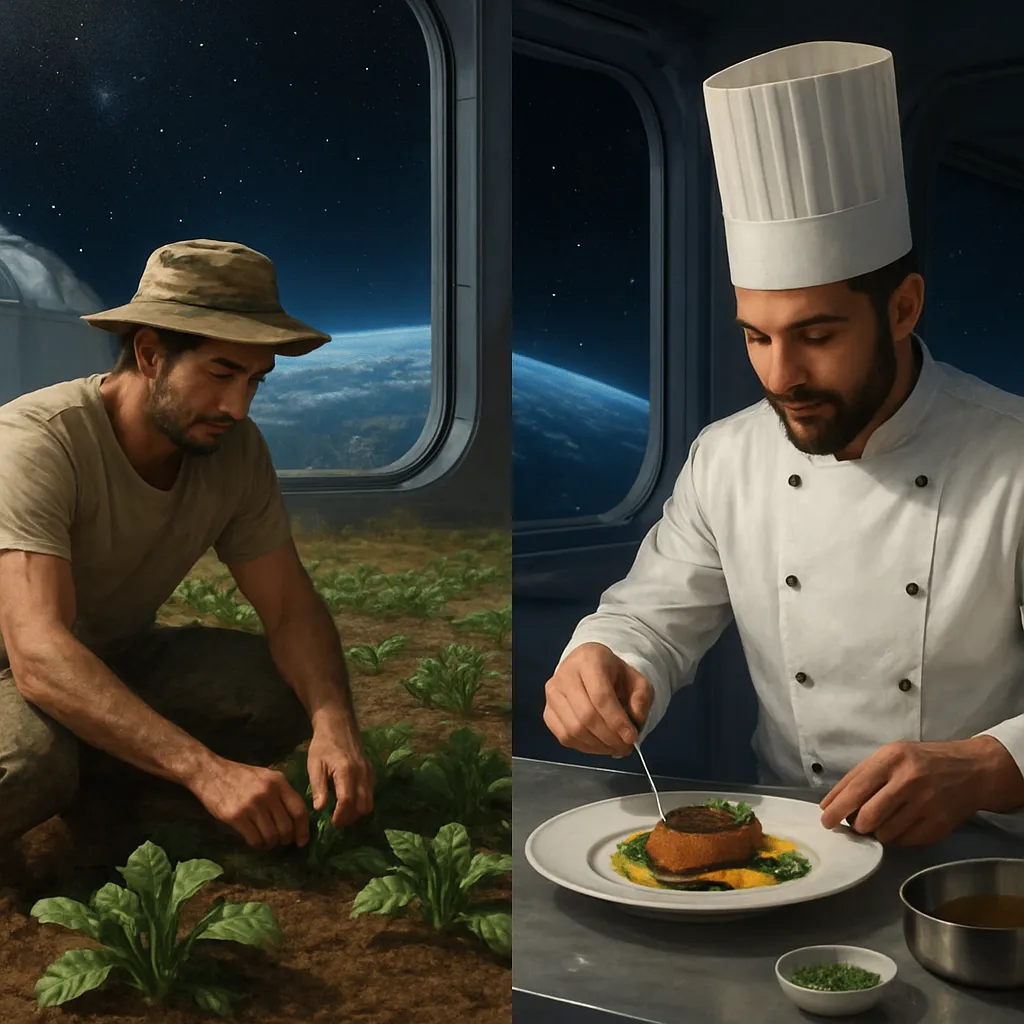
Beyond physical nourishment, gardening aboard the ISS provides significant mental health benefits. The act of tending plants offers a sense of purpose, a connection to Earth’s natural cycles, and relief from the monotony of metal corridors. Studies reveal:
- Stress Reduction: Crew members show lower cortisol levels after participating in harvest and planting routines.
- Social Cohesion: Shared gardening tasks foster teamwork and communication, strengthening the colony’s social fabric.
- Visual Comfort: Green foliage and the sight of growth break the sterile aesthetic of a spacecraft, boosting morale.
Ergonomic design is also crucial. Grow beds must be adaptable for both seated and standing positions. Magnetic tethers and guiding frames allow roots to grow along predictable paths, minimizing time spent troubleshooting malfunctioning systems. On Mars, where isolation and confinement will be magnified, these psychological benefits will play an essential role in crew resilience.
Translating ISS Experience to Mars Colonies
While the ISS offers a microcosm of long-duration space habitation, Mars presents new variables—reduced gravity (38% of Earth’s), high radiation, dust-laden atmosphere, and delayed communication with Earth. To adapt ISS lessons effectively, planners must consider:
- Structural Integration: Greenhouse modules should be integrated within habitat shields to leverage radiation protection and maintain stable temperatures.
- Autonomous Systems: Communication delays up to 22 minutes necessitate autonomous monitoring and repair capabilities for plant growth systems.
- Redundant Designs: Modular units allow sections to be isolated in case of leaks, contamination, or mechanical failure, ensuring resilience of the overall agricultural network.
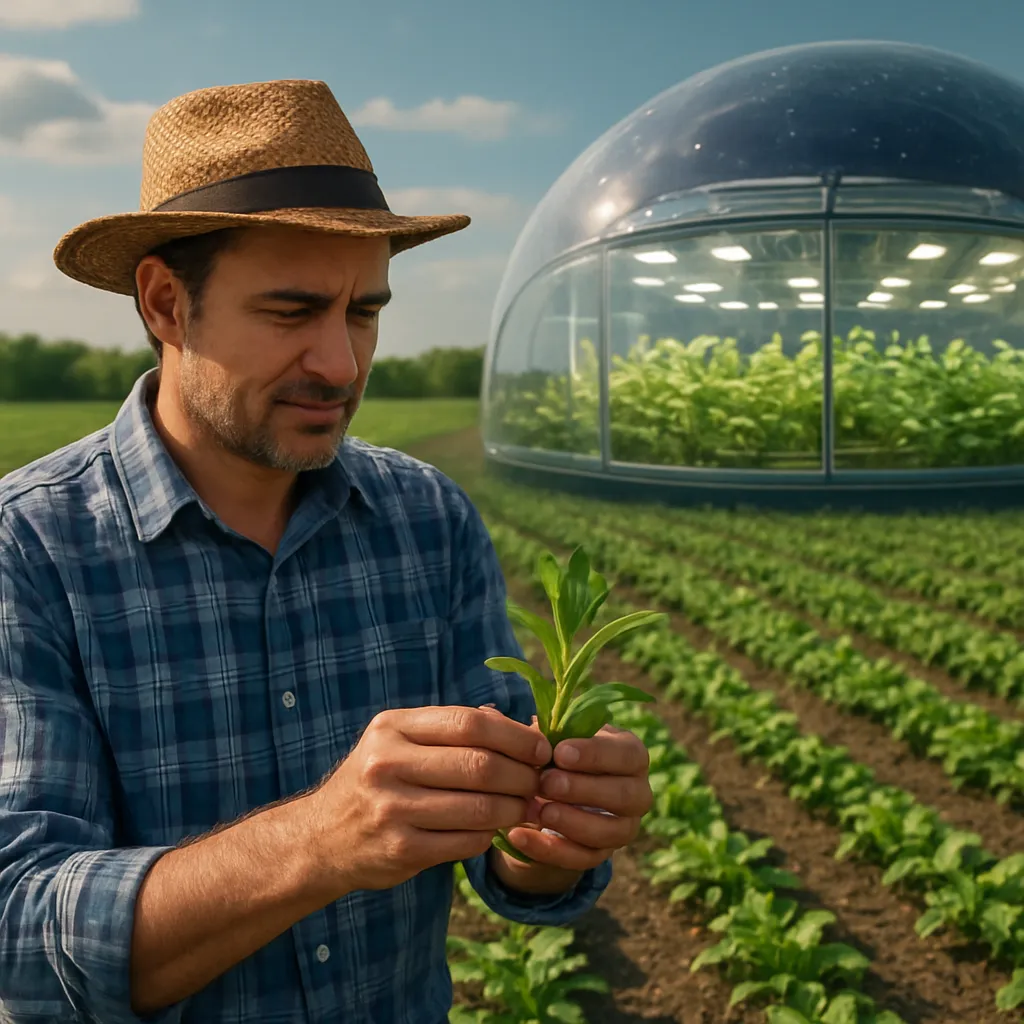
- Local Materials: Martian regolith could serve as a growth substrate once sterilized and amended with organic compost from crew waste and plant residues.
By harnessing lessons from microgravity agriculture, closed-loop recycling, microbial control, and crew psychology, future Mars colonies can establish reliable food production platforms. These systems will not only deliver essential calories and nutrients but also anchor human presence on another world, transforming the dream of an interplanetary civilization into reality.