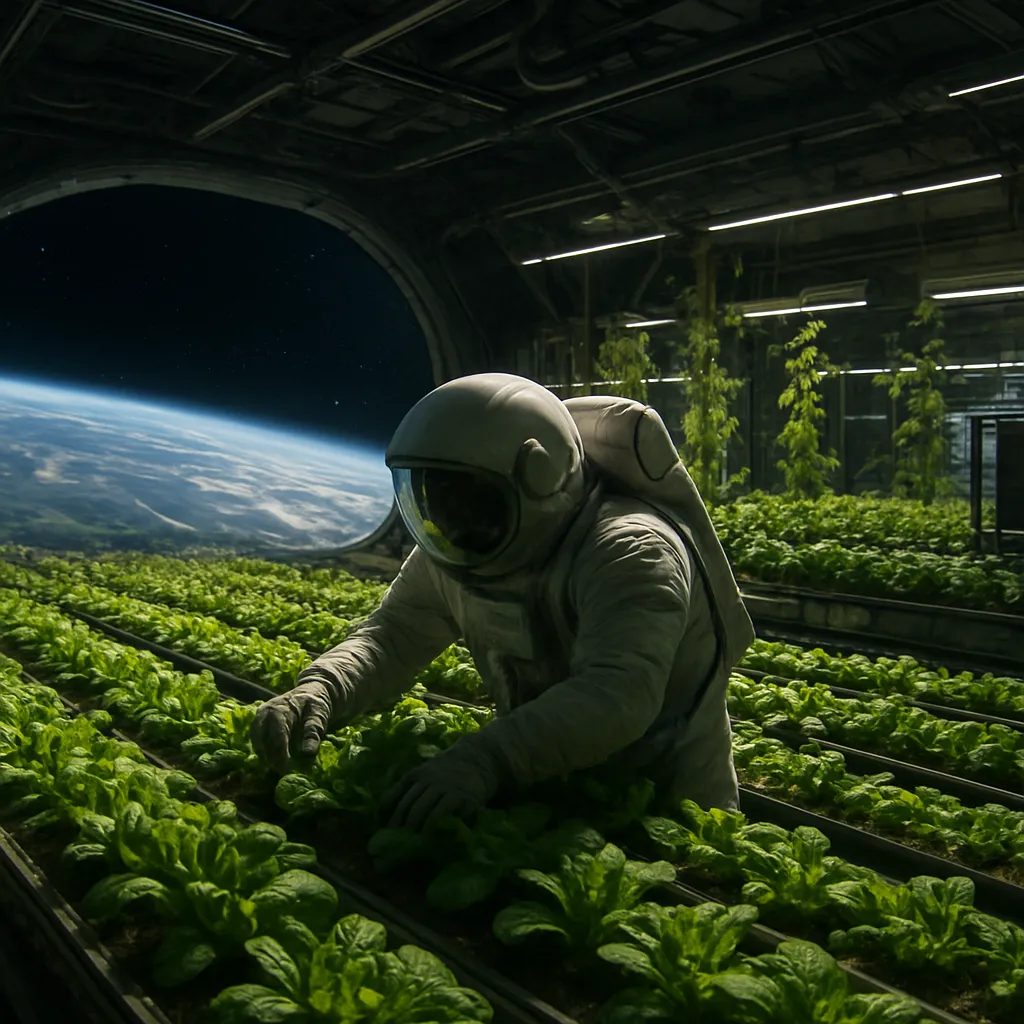
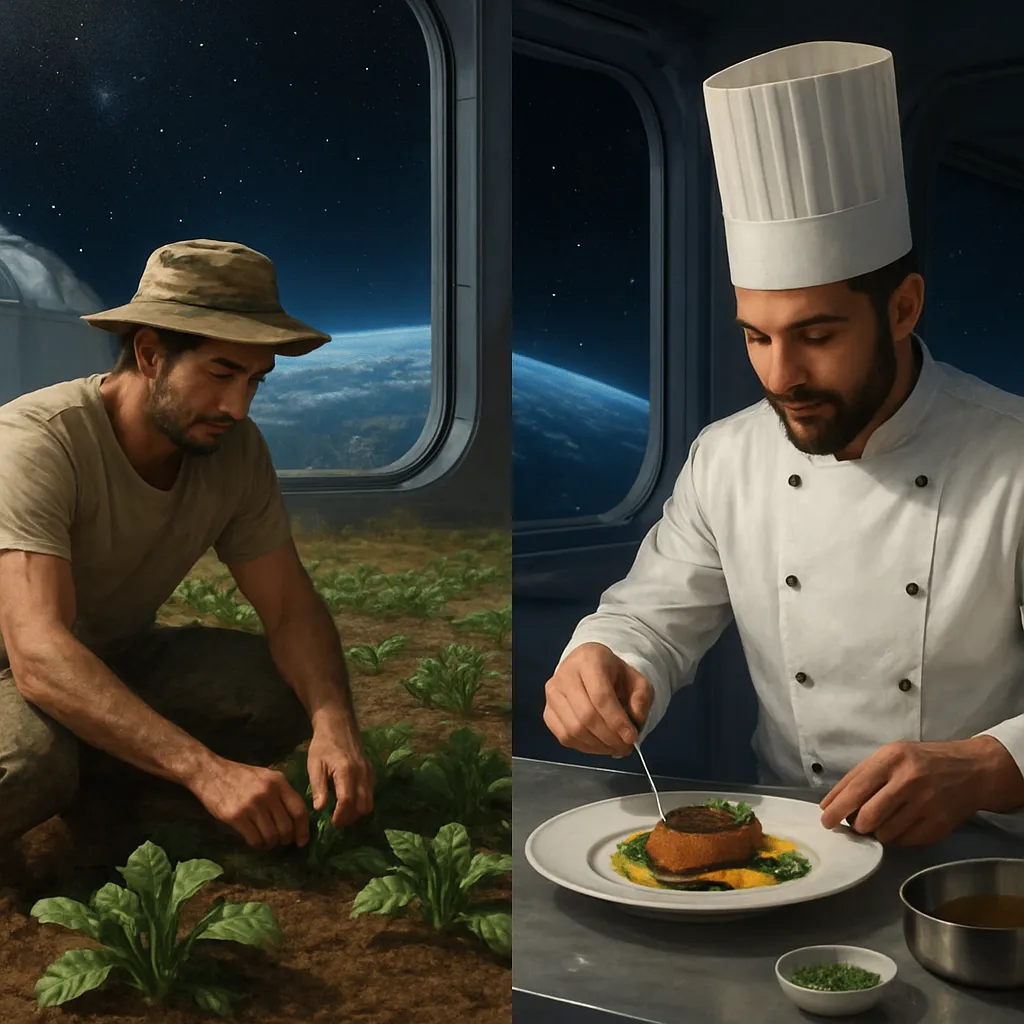
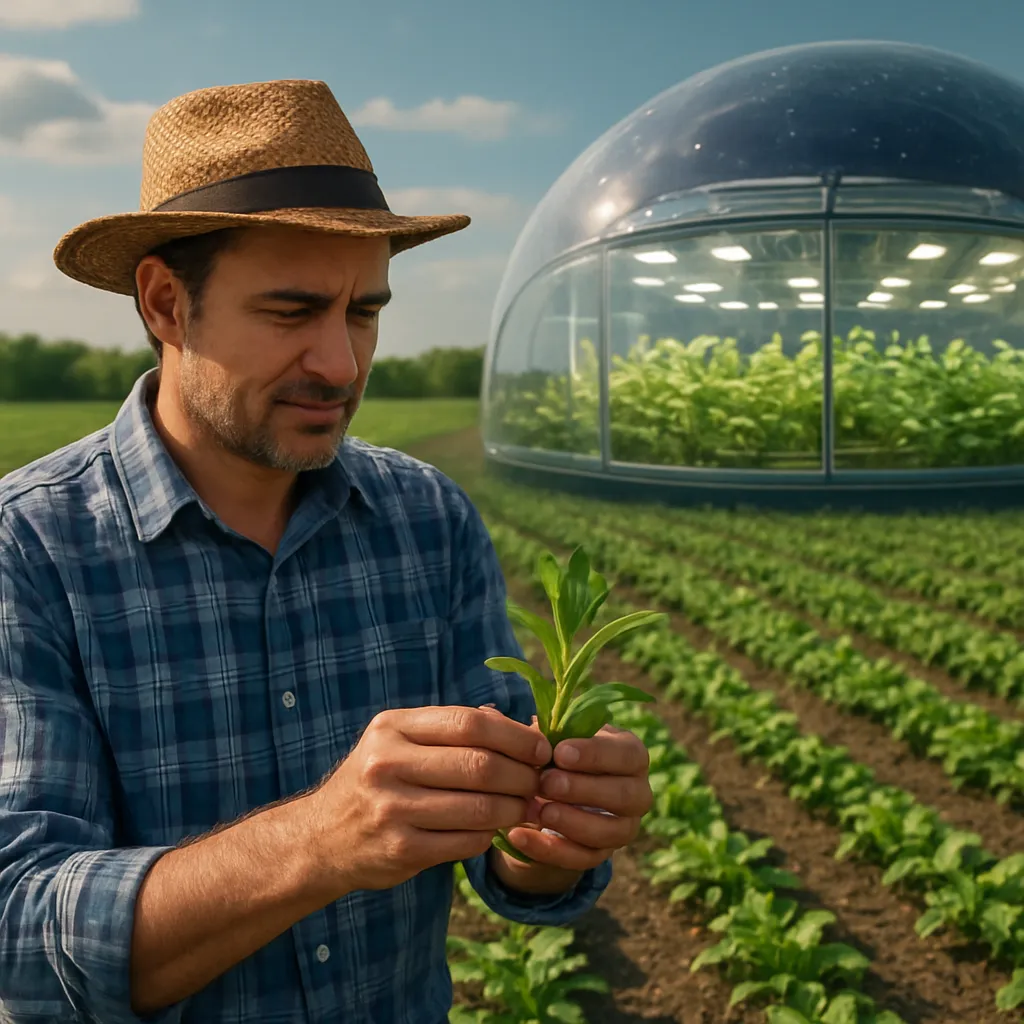
As humanity ventures beyond Earth, establishing reliable food production systems on the Moon and Mars becomes an essential component of long-term exploration. Comparing these extraterrestrial agriculture models reveals unique challenges and innovative solutions, from adapting to harsh surface conditions to recycling limited resources. By examining both environments, researchers can develop robust strategies that support human habitation and pave the way toward truly off-world living.
Regolith-Based Cultivation on the Moon
Characteristics of Lunar Regolith
The lunar surface is covered by a fine, dusty layer known as regolith, rich in silicates and metals but devoid of organic matter. Its sharp, angular particles present mechanical difficulties, abrading equipment and complicating plant rooting systems. Reduced gravity (about one-sixth of Earth’s) alters fluid dynamics in the soil, affecting water retention and nutrient transport. Moreover, intense solar radiation combined with temperature extremes demands protective habitats and specialized shielding materials.
Agricultural Strategies
To overcome these barriers, lunar agriculture strategies often rely on enclosed greenhouse modules with multiple subsystems:
- In-situ mechanical processing: Screening and agglomerating regolith to optimize porosity and reduce dust hazards.
- Supplemental organic matter: Introducing composted biomass or microbial biomass to provide essential nutrients.
- Controlled atmosphere: Maintaining stable pressure, humidity, and temperature to facilitate plant growth.
Hydroponic trials have shown promise by bypassing regolith entirely, yet hybrid approaches that combine treated regolith with fluid culture may reduce payload mass and improve redundancy.
Martian Soil and Hydroponic Systems
Composition of Martian Regolith
Mars presents a different set of challenges. Its regolith contains toxic perchlorates and lacks readily available organic carbon. The planet’s atmospheric pressure barely exceeds 0.6% of Earth’s, and dust storms can coat solar panels for weeks. Nevertheless, Martian regolith contains trace minerals—iron, magnesium, and potassium—that, once detoxified and supplemented, can support plant life.
Closed-Loop Hydroponics and Aeroponics
Given the toxic nature of untreated soil, closed-loop hydroponics and aeroponics have emerged as leading candidates for Martian greenhouses. In these systems:
- Water and nutrient solutions circulate continuously, reducing overall consumption by over 90% compared to open-field agriculture.
- Root zones receive precise nutrient delivery, optimizing photosynthesis efficiency and minimizing waste.
- Bioreactors treat plant waste and microbes, creating a bioregenerative ecosystem that recycles carbon dioxide into oxygen.
Advanced sensors monitor pH, dissolved oxygen, and mineral concentrations, ensuring crops receive the ideal mix of elements for robust growth.
Resource Utilization and Infrastructure
Water Extraction and Recycling
Both lunar and Martian agriculture rely heavily on closed water loops. On the Moon, ice deposits at poles offer a potential water source; electrolysis splits water into hydrogen and oxygen for life support and fuel. Martian missions target subsurface ice and hydrated minerals. Key steps include:
- Extraction via drilling or heated probes.
- Purification through filtration, UV sterilization, and reverse osmosis.
- Integration into hydroponic circuits, where evapotranspiration is captured and condensed.
Energy and Power Management
Maintaining light levels suitable for plant growth—often delivered by LED arrays tuned to red and blue wavelengths—demands substantial power. Solutions include:
- Solar farms with robotic dust-cleaning systems for sustained output.
- Compact nuclear reactors providing reliable baseload power, unaffected by lunar night or Martian dust storms.
- Energy storage using advanced batteries or regenerative fuel cells to buffer supply fluctuations.
Intelligent grid management optimizes power distribution between life support, habitat heating, and agricultural modules.
Challenges and Future Prospects
Environmental Stresses and Mitigation
Plants grown off Earth face multiple stressors: low pressure, high radiation, and altered gravity. Genetic engineering and selective breeding aim to develop strains with increased tolerance. Supplementary protective strategies include:
- Layered shielding using regolith-based bricks or polyethylene walls to block galactic cosmic rays.
- Magnetic or plasma-based fields to deflect charged particles.
- Optimized life support protocols to maintain ambient gas mixtures, balancing CO₂ for growth with safe oxygen levels.
Long-Term sustainability and terraforming
Looking decades ahead, true self-sufficiency will hinge on harnessing local materials for habitat and farm construction. For Mars, concepts include greenhouse domes built from sintered regolith and large-scale atmospheric processing to increase pressure and warmth. On the Moon, underground lava tubes could host farms with stable environments. Continuous research in closed ecological life-support systems (CELSS) will refine resource cycling and expand crop diversity beyond leafy greens to staples like potatoes and grains.
By comparing the innovations tailored to lunar and Martian settings, researchers can cross-pollinate ideas—literally and figuratively—to accelerate progress. These efforts not only support the next generation of explorers but also inspire Earth-based agriculture to adopt more efficient, resilient practices.