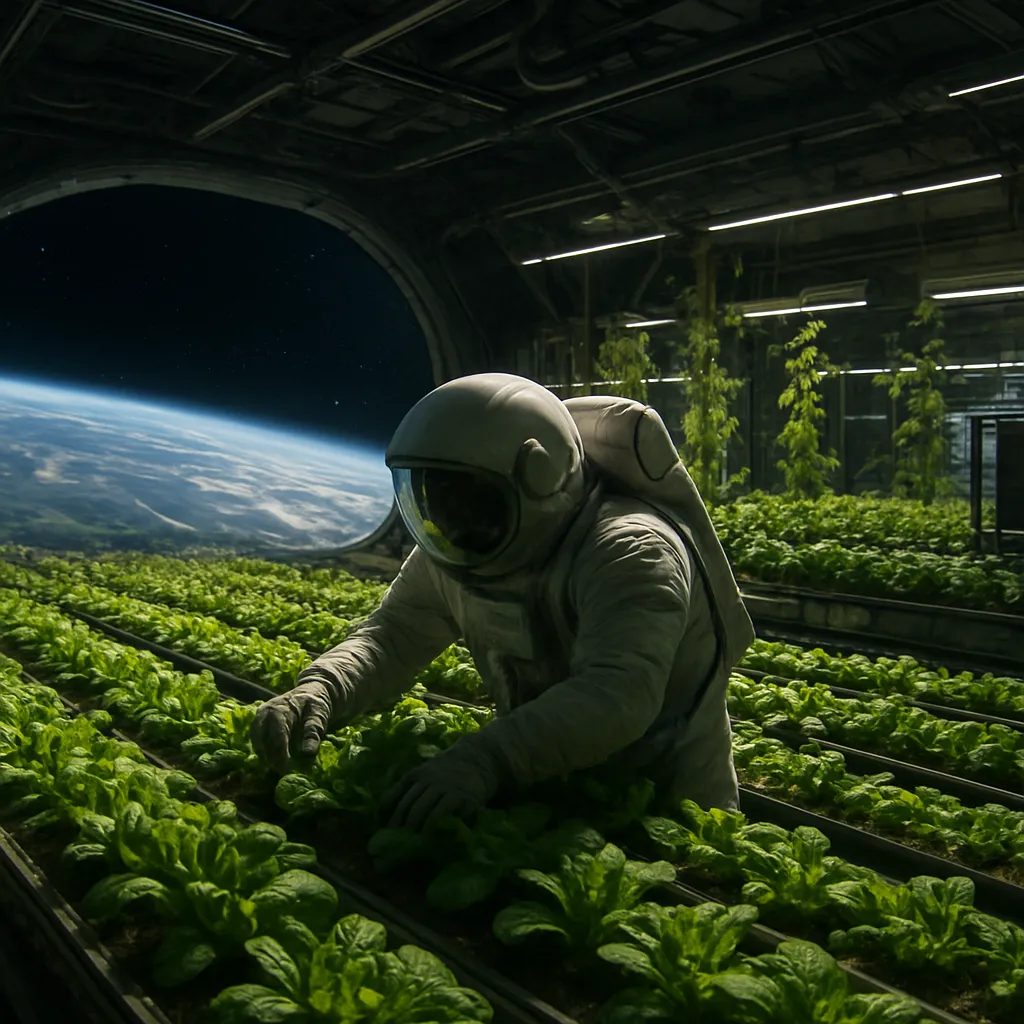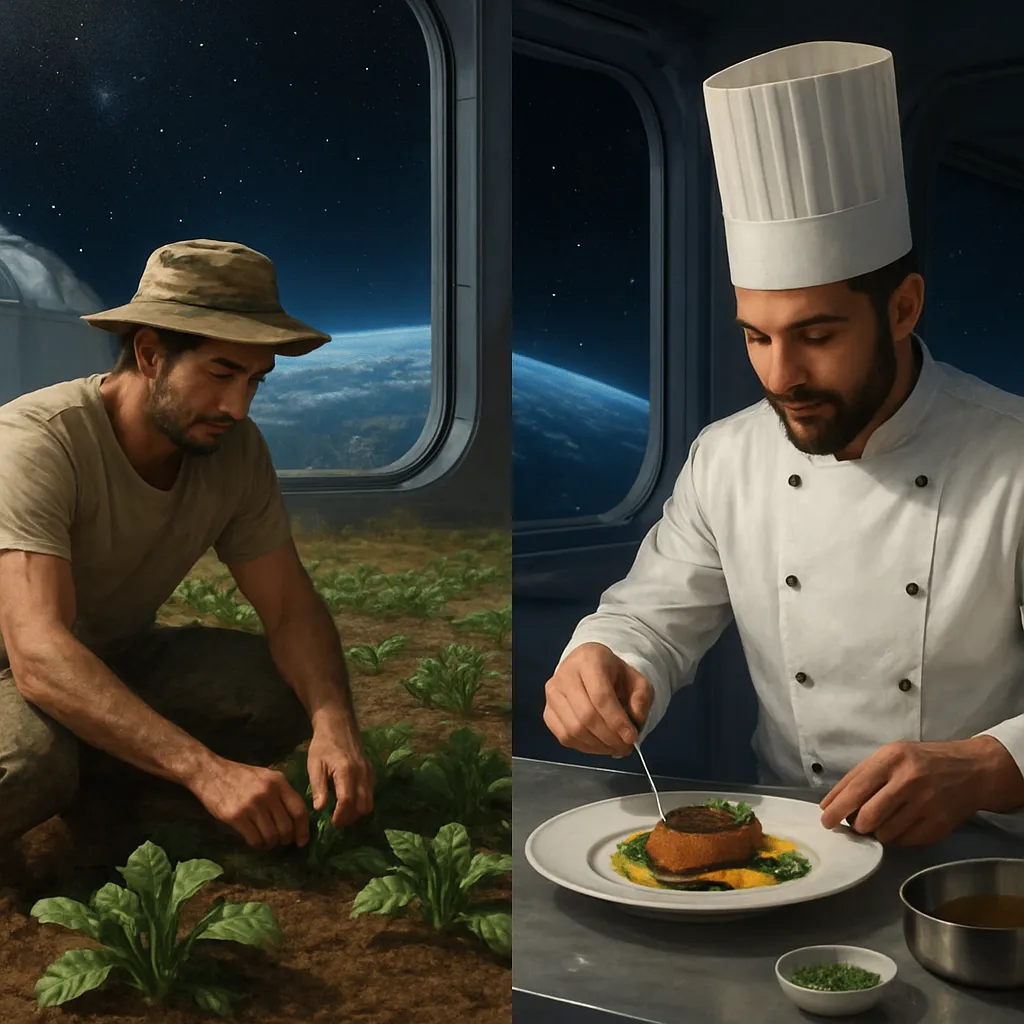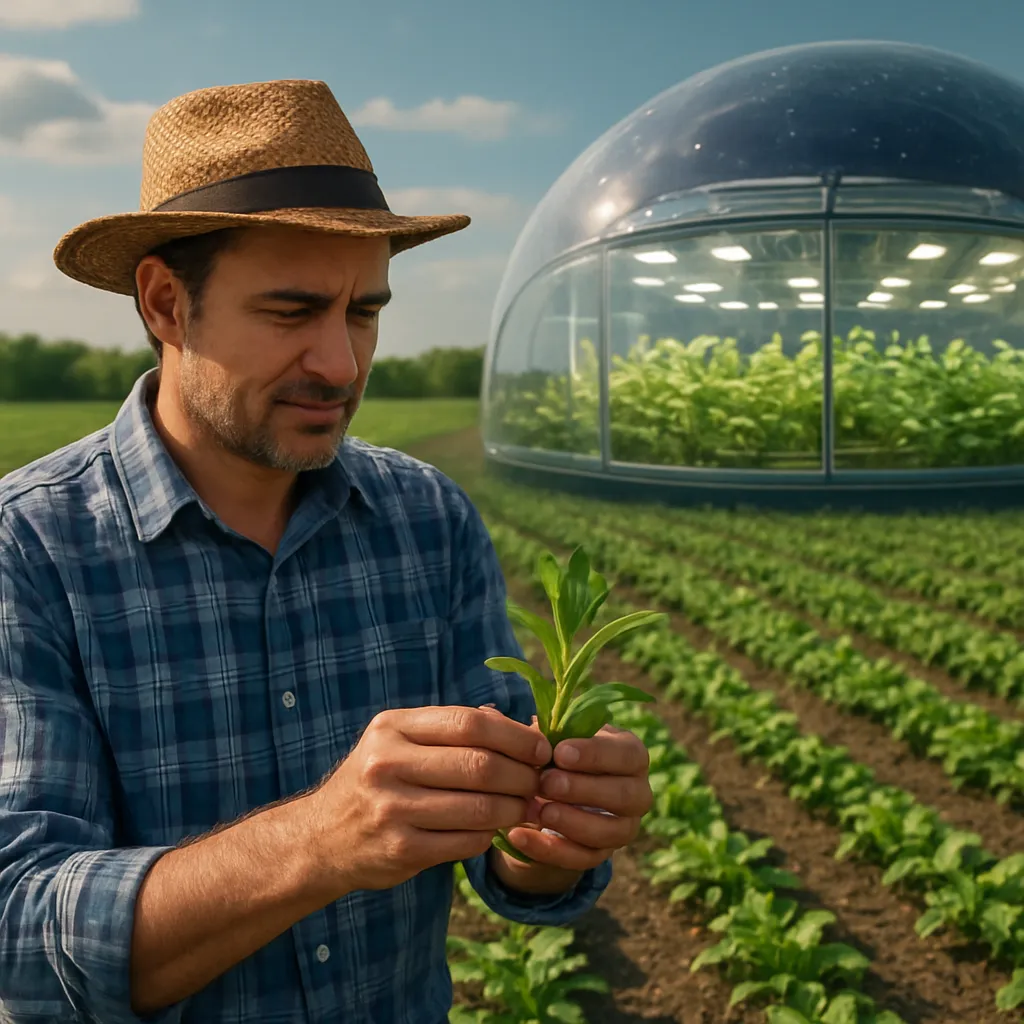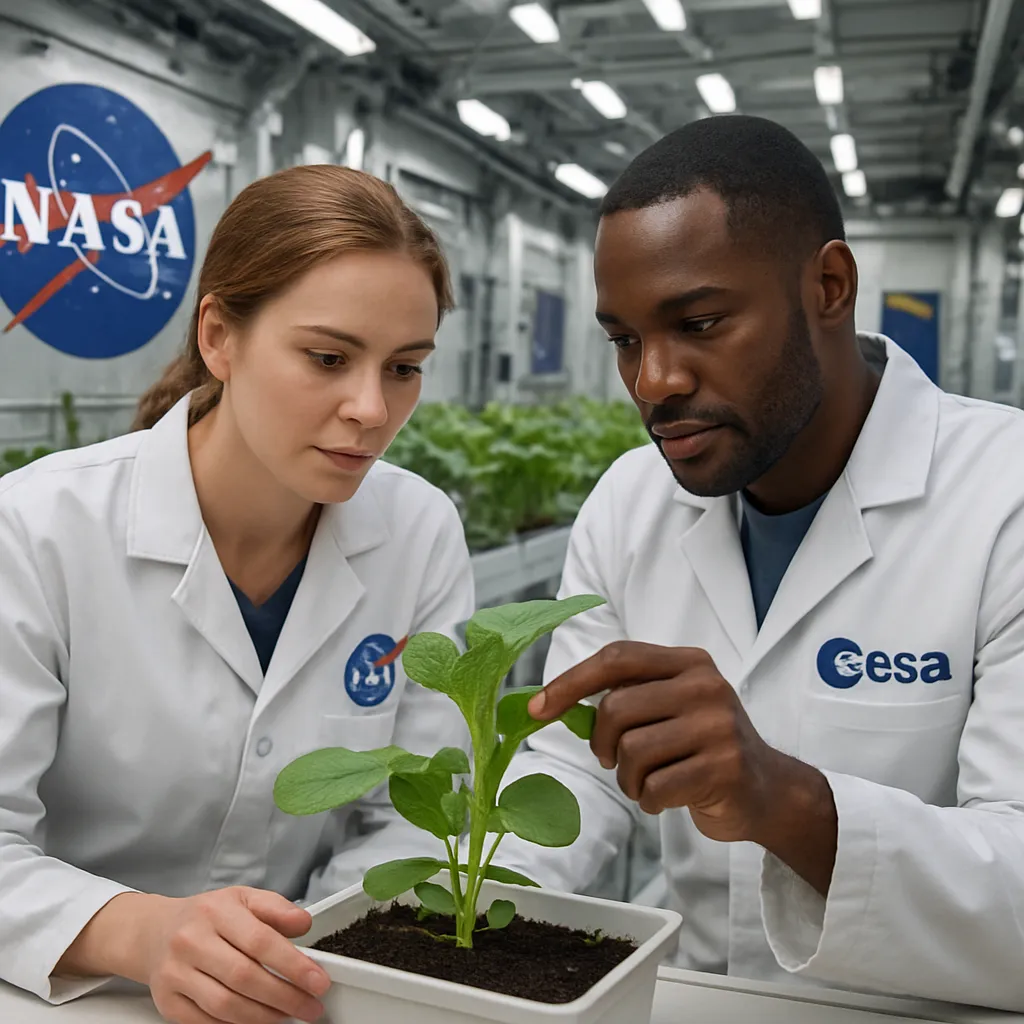
As humanity extends its reach beyond Earth’s atmosphere, the quest to cultivate food in outer space has become a central pillar of future exploration missions. Collaborative efforts between NASA and ESA are driving breakthroughs in agricultural systems that can thrive under extraterrestrial conditions. This endeavor not only promises to support long-duration crewed missions but also offers insights into resilient farming practices for extreme environments on our home planet. By harnessing cutting-edge technologies and interdisciplinary research, the joint program seeks to overcome the formidable challenges posed by microgravity, resource scarcity, and cosmic radiation.
Objectives of the Joint Agricultural Research Program
The primary goal of the NASA and ESA partnership is to develop robust, sustainable, and closed-loop cultivation systems capable of producing fresh produce in space habitats. Such systems must address critical needs, including efficient nutrient recycling, minimal water consumption, and reliable energy integration. Key objectives include:
- Optimizing photosynthesis under LED lighting spectra tailored for space modules.
- Designing bioreactors that leverage bioregenerative life support principles to convert waste into plant fertilizer.
- Validating crop varieties that exhibit rapid growth, high yield, and enhanced nutritional value.
- Integrating real-time monitoring tools and autonomous control systems for minimal crew intervention.
By aligning these targets, the collaboration aims to reduce reliance on prepackaged supplies during long-duration missions and establish a blueprint for future settlements on the Moon or Mars.
Experimental Methods for Space Agriculture
Experimental campaigns aboard the International Space Station (ISS) serve as a testbed for novel cultivation techniques. Researchers employ a range of methods:
Hydroponics and Aeroponics
Hydroponic setups circulating nutrient-rich solutions eliminate soil, reducing system mass and contamination risks. Aeroponic towers deliver fine mists that enhance oxygen availability to roots, accelerating growth rates. Both approaches rely on innovation in pumping mechanisms and sensor arrays that maintain optimal fluid pH and conductivity.
Plant Growth Chambers
Enclosed growth modules replicate the thermal and atmospheric conditions anticipated on lunar or martian outposts. Precise control of temperature, humidity, and CO₂ concentration is achieved through modular HVAC units and feedback loops. Cameras and multispectral imagers provide continuous data on leaf health, enabling machine-learning algorithms to predict and adjust environmental variables.
Soilless Media and Regolith Simulants
Terrestrial soils are replaced by inert matrices that mimic planetary regolith. These media are blended with organic amendments to create a supportive root zone. Trials focus on balancing water retention and aeration to prevent root hypoxia. Preliminary results have demonstrated that certain lettuce and radish varieties can germinate in regolith simulants with supplemental additives.
Key Technologies and Innovations
Advances in space farming depend on the seamless integration of hardware, software, and biological science. Several breakthrough technologies have emerged from the NASA-ESA collaboration:
- Advanced LED Lighting Arrays: Tunable spectra that optimize plant photoreceptors for accelerated biomass accumulation.
- Automated Harvesting Tools: Robotic end-effectors capable of delicately handling leaf vegetables, reducing crew workload.
- Compact Water Recovery Units: Regenerating irrigation water from humidity condensate and graywater streams.
- Onboard Analytics Platforms: AI-driven diagnostics that detect nutrient deficiencies, pest onset, and microbial imbalances early.
These innovations are not confined to orbit; they present transformative potential for Earth-based agriculture, particularly in arid regions or vertical farms where resource efficiency is paramount.
Collaboration Framework and Data Sharing
Effective teamwork between NASA and ESA relies on open communication channels, standardized protocols, and shared databases. Regular teleconferences and joint workshops facilitate the exchange of experimental designs, outcomes, and technical know-how. The consortium also employs cloud-based repositories to centralize data from ISS experiments, simulation chambers, and analog missions in terrestrial deserts or polar research stations. Key elements of this framework include:
- Mutual Recognition of Intellectual Property Guidelines to foster innovation while protecting proprietary designs.
- Interagency Training Programs for young scientists and engineers to gain cross-disciplinary expertise.
- Harmonized Safety and Quality Assurance Standards ensuring compliance with both NASA and ESA mission requirements.
This collaborative model not only accelerates research progress but also builds a global community dedicated to advancing space agriculture for the benefit of all.
Biological Insights and Crop Selection
Choosing the right plant species is vital for both nutritional diversity and system resilience. The partnership has identified several candidate crops:
- Leafy greens such as lettuce and spinach for rapid turnover and high antioxidant content.
- Tomatoes and peppers offering vitamins A and C, alongside psychological boosts from colorful fruits.
- Legumes like chickpeas or beans to introduce dietary protein and promote nitrogen fixation within the system.
- Herbs such as basil and mint for flavor enhancement and potential antimicrobial properties.
Ongoing genetic studies aim to enhance traits such as drought tolerance, compact growth habit, and improved root architecture under microgravity. Gene expression profiling has revealed upregulation of stress-response pathways, guiding the selection of molecular targets for future crop improvement.
Challenges and Future Directions
Despite promising achievements, space crop cultivation faces persistent obstacles. Radiation exposure can damage plant DNA, necessitating shielding strategies or the development of resilient genotypes. Energy constraints onboard missions require lighting and climate systems to operate at maximum efficiency. Moreover, scaling from small test chambers to commercial-scale biomes remains a formidable engineering puzzle.
Looking ahead, the NASA-ESA collaboration plans to expand its scope through:
- Deep-space analog missions simulating lunar lava tubes or Martian caves to evaluate long-term agricultural viability.
- Enhanced plant-microbe interaction studies to leverage beneficial endophytes for nutrient uptake and disease suppression.
- Integration with closed ecological loop systems combining humans, crops, and waste recycling into a single regenerative life support ecosystem.
- Partnerships with commercial spaceflight companies to test agri-modules on private space stations and lunar landers.
By confronting these challenges through collaborative research, the program paves the way for humanity’s next giant leap in both space exploration and sustainable agriculture on Earth.