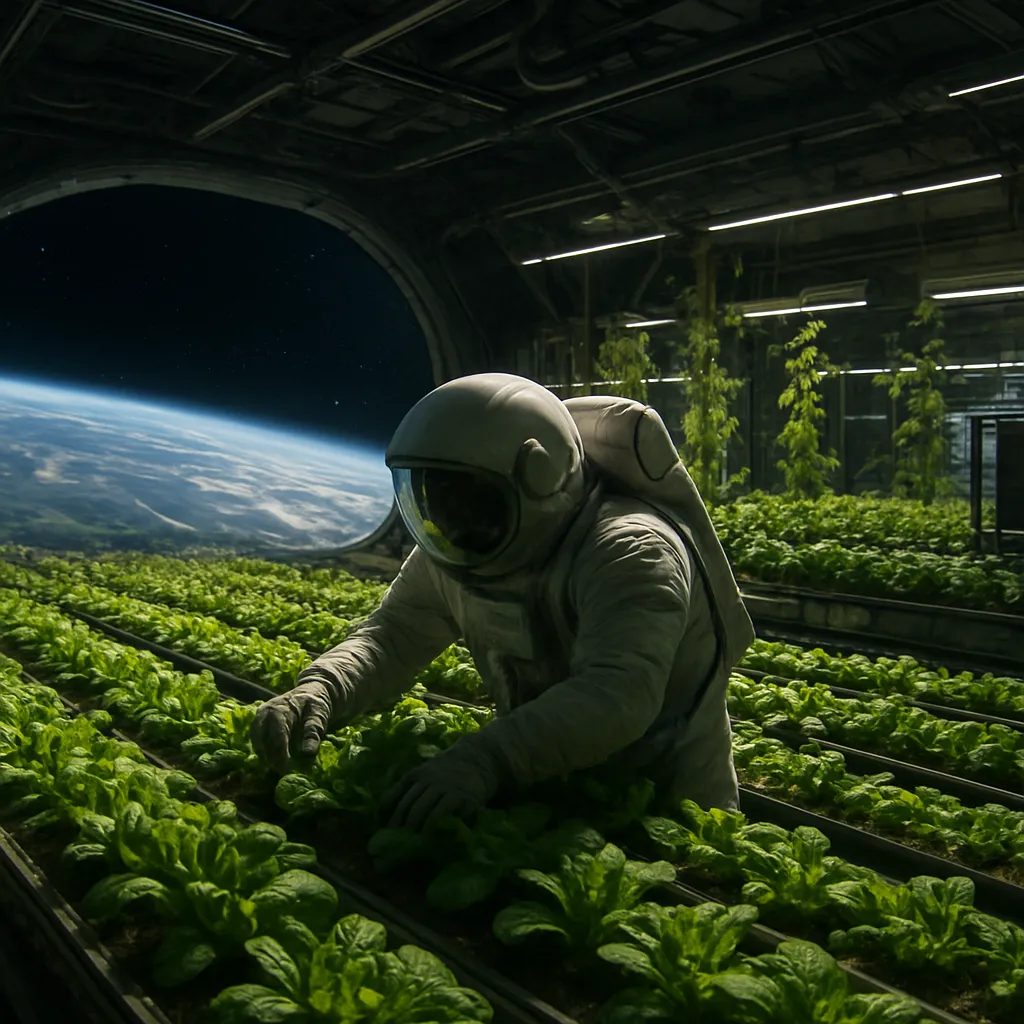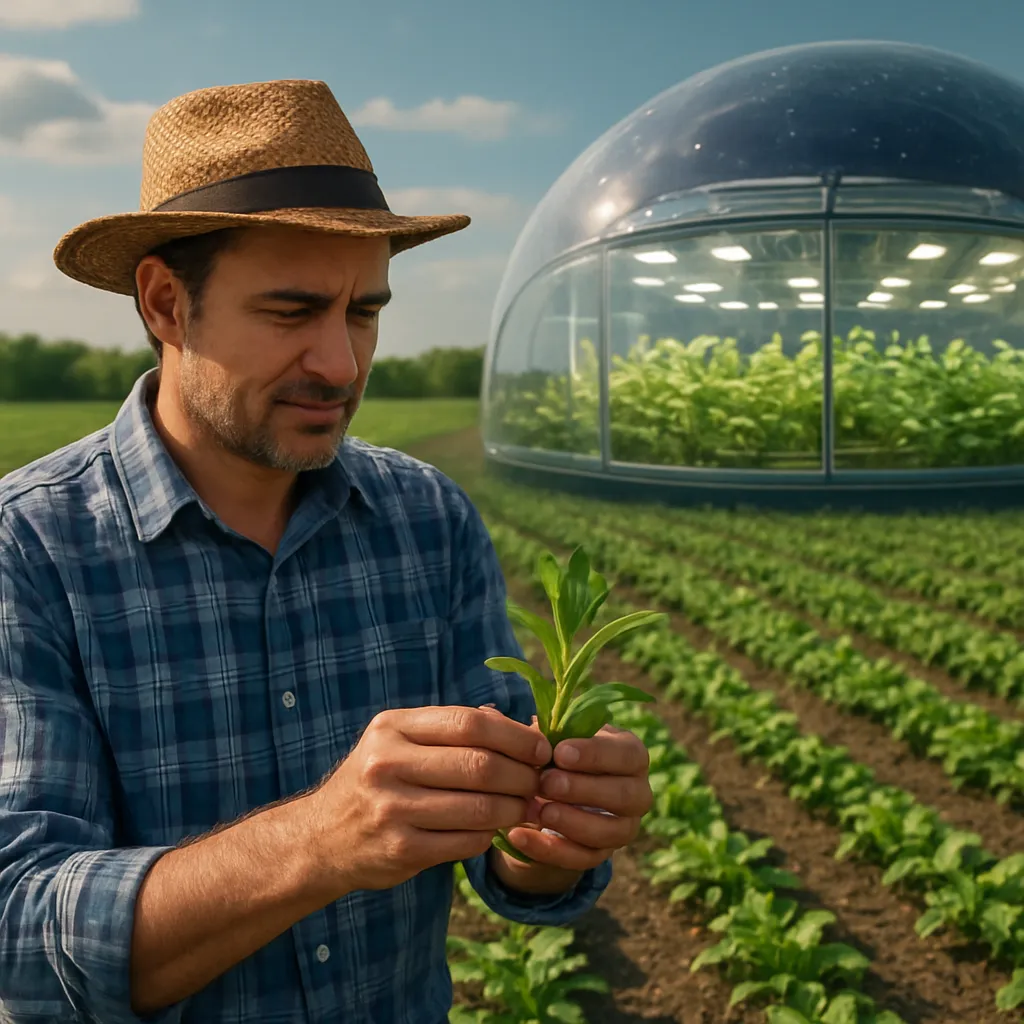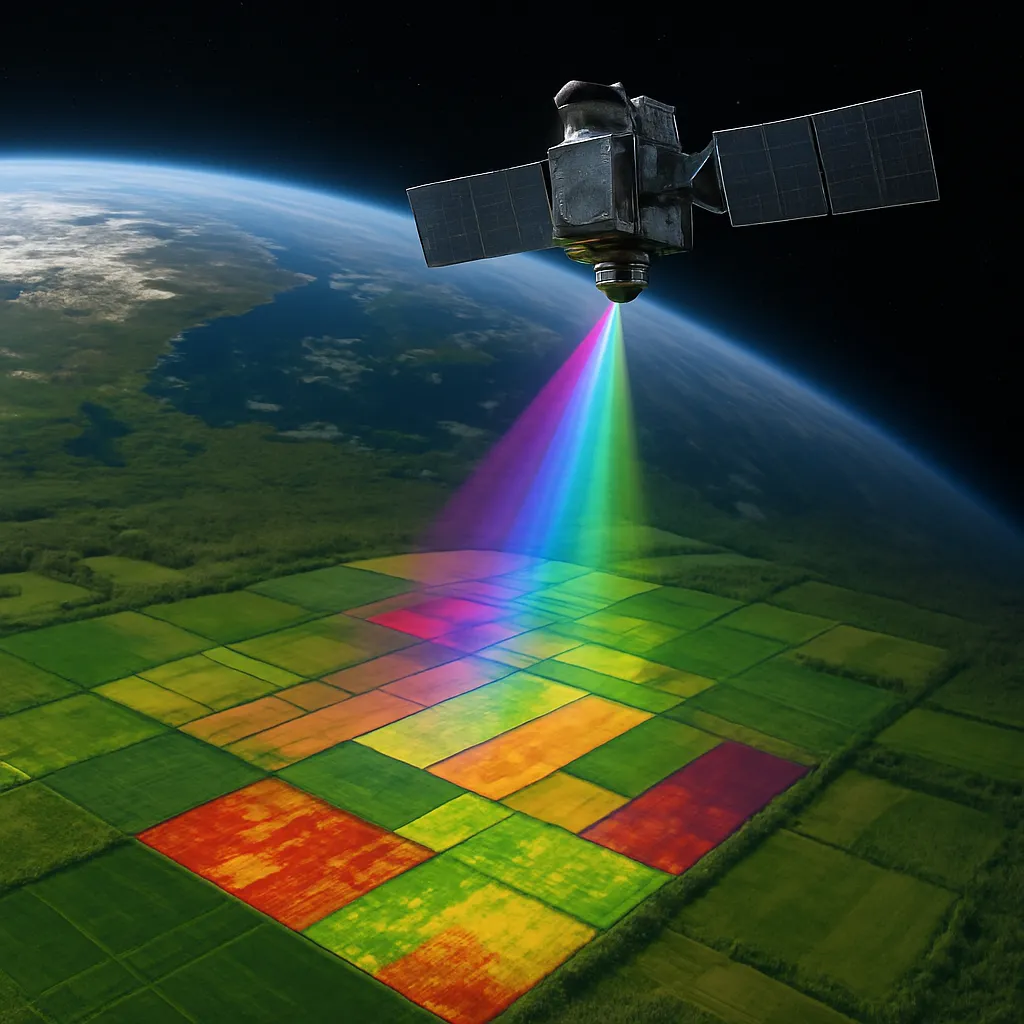
Advancements in remote sensing have revolutionized how we monitor plant health beyond Earth’s surface. By leveraging spectral imaging aboard satellites and spacecraft, researchers can detect early signs of stress in crops grown in extraterrestrial environments. This approach not only enhances agricultural yields in space habitats but also deepens our understanding of plant physiology under unique conditions such as microgravity, radiation, and limited resources.
Spectral Imaging Technologies in Space
Spaceborne platforms host a variety of instruments capable of capturing plant reflectance across multiple wavelengths. The integration of these systems allows for real-time observation of key physiological traits.
Multispectral vs. Hyperspectral Imaging
- Multispectral sensors gather data across a handful of broad bands. Typical bands include red, green, blue, and near-infrared (NIR). Their lower data rates make them suitable for CubeSats and small platforms.
- Hyperspectral instruments record hundreds of narrow bands, offering detailed spectral signatures for each pixel. This richness enables precise detection of chlorophyll variations, water content, and pigment composition.
Key Instrumentation
- Pushbroom scanners capable of high spatial resolution imaging.
- Whiskbroom sensors that sweep the ground track line by line.
- Imaging spectrometers designed for extreme radiation tolerance.
Calibration and Data Correction
Accurate measurement depends on rigorous calibration under space conditions. Radiometric calibration accounts for sensor drift caused by temperature fluctuations and cosmic radiation. Geometric correction compensates for spacecraft motion and ensures spatial fidelity when mapping plant canopies.
Applications to Plant Stress Detection
Early identification of stress in crops is essential for maintaining food security in orbital and planetary habitats. Spectral indices and machine learning algorithms play a pivotal role in extracting actionable information from spectral datasets.
Vegetation Indices
- Normalized Difference Vegetation Index (NDVI) reveals chlorophyll-related absorption differences between the red and NIR bands. Declines in NDVI often precede visible wilting.
- Photochemical Reflectance Index (PRI) tracks xanthophyll cycle activity by comparing reflectance at specific green wavelengths, indicating changes in photosynthetic efficiency.
- Water Band Index (WBI) assesses leaf water content using absorption features in the shortwave infrared region.
Stress Signatures and Classification
Distinct stressors produce unique spectral patterns:
- Drought stress increases reflectance in NIR due to reduced water absorption.
- Nutrient deficiencies, such as iron or nitrogen lack, shift the visible spectrum by altering pigment concentrations.
- Salt accumulation in hydroponic systems exhibits specific absorption bands in the shortwave infrared.
Machine Learning Integration
Advanced classification models, including random forests and convolutional neural networks (CNNs), analyze spectral cubes to segment healthy versus stressed vegetation. These models benefit from labeled training data collected in ground-based analogs and controlled space greenhouse experiments.
Challenges and Future Perspectives
Implementing spectral imaging for space agriculture faces both technical and environmental hurdles. Ongoing research aims to improve sensor performance, data processing pipelines, and operational integration with life support systems.
Data Transmission and Storage
High spectral resolution yields substantial data volumes. Efficient onboard compression and selective downlink strategies are vital to manage limited bandwidth on deep-space missions.
Adaptive Sensing Platforms
Future spacecraft may host versatile instruments capable of customizing spectral bands in response to evolving mission priorities. Deployable optics and miniaturized hyperspectral modules are under development to reduce payload mass and power consumption.
Integration with Autonomous Systems
Autonomous greenhouse units equipped with spectral cameras can trigger irrigation, nutrient dosing, or lighting adjustments in real time. This closed-loop system ensures that plant stress is mitigated promptly, optimizing resource usage and crop yield.
Extending to Planetary Surfaces
As missions target lunar and Martian habitats, spectral imaging must contend with surface dust, variable illumination, and communication delays. Ground-based field trials in analog environments, such as volcanic landscapes on Earth, help validate techniques before deployment on other worlds.
Collaborative Research Networks
International consortia and public–private partnerships drive innovation in space agriculture. Shared spectral libraries and open-source processing software accelerate the development of robust monitoring frameworks.