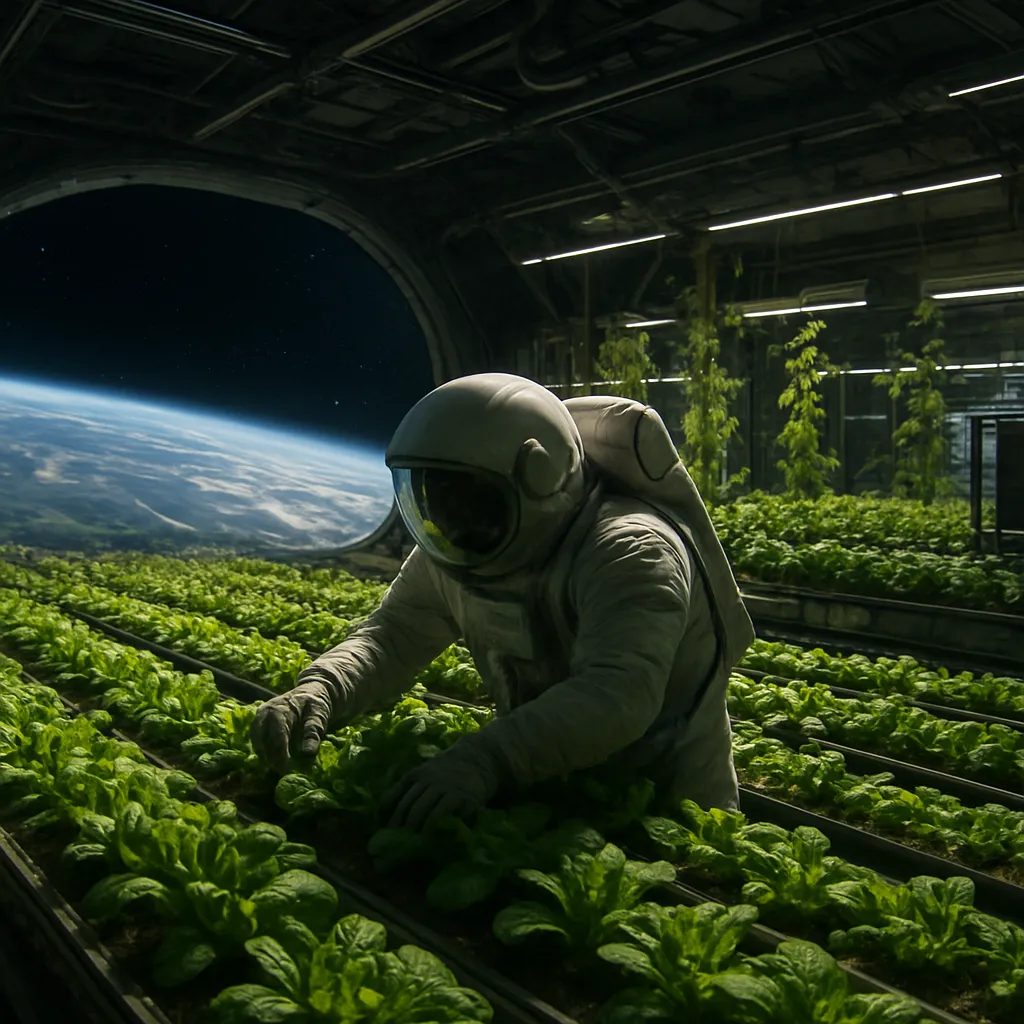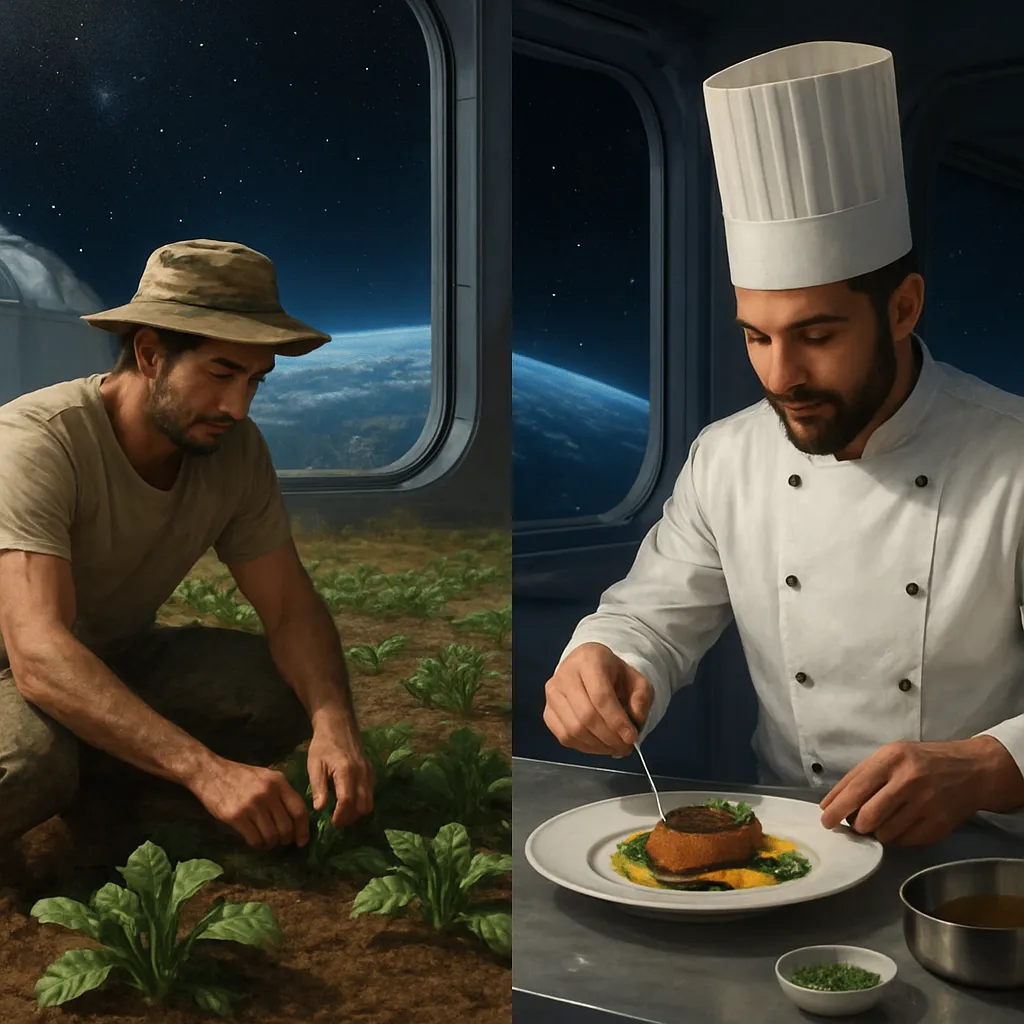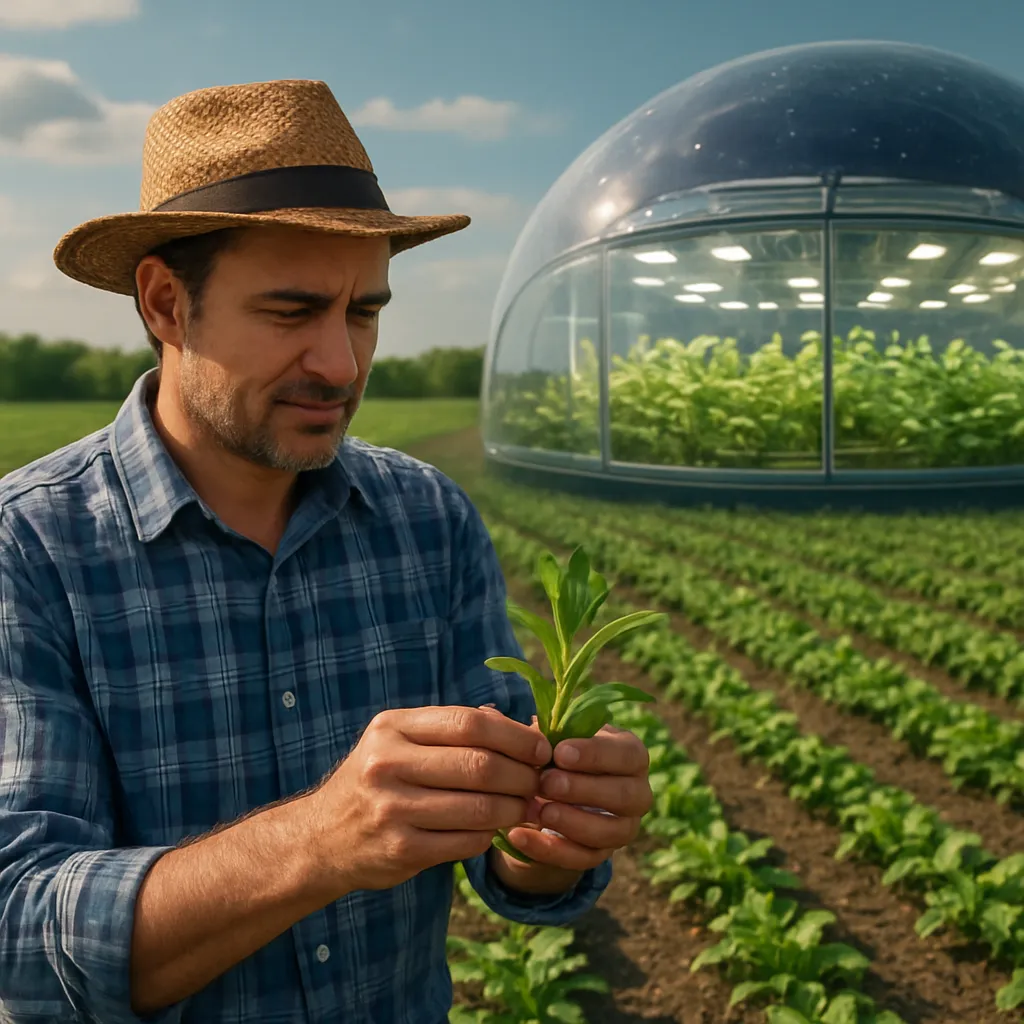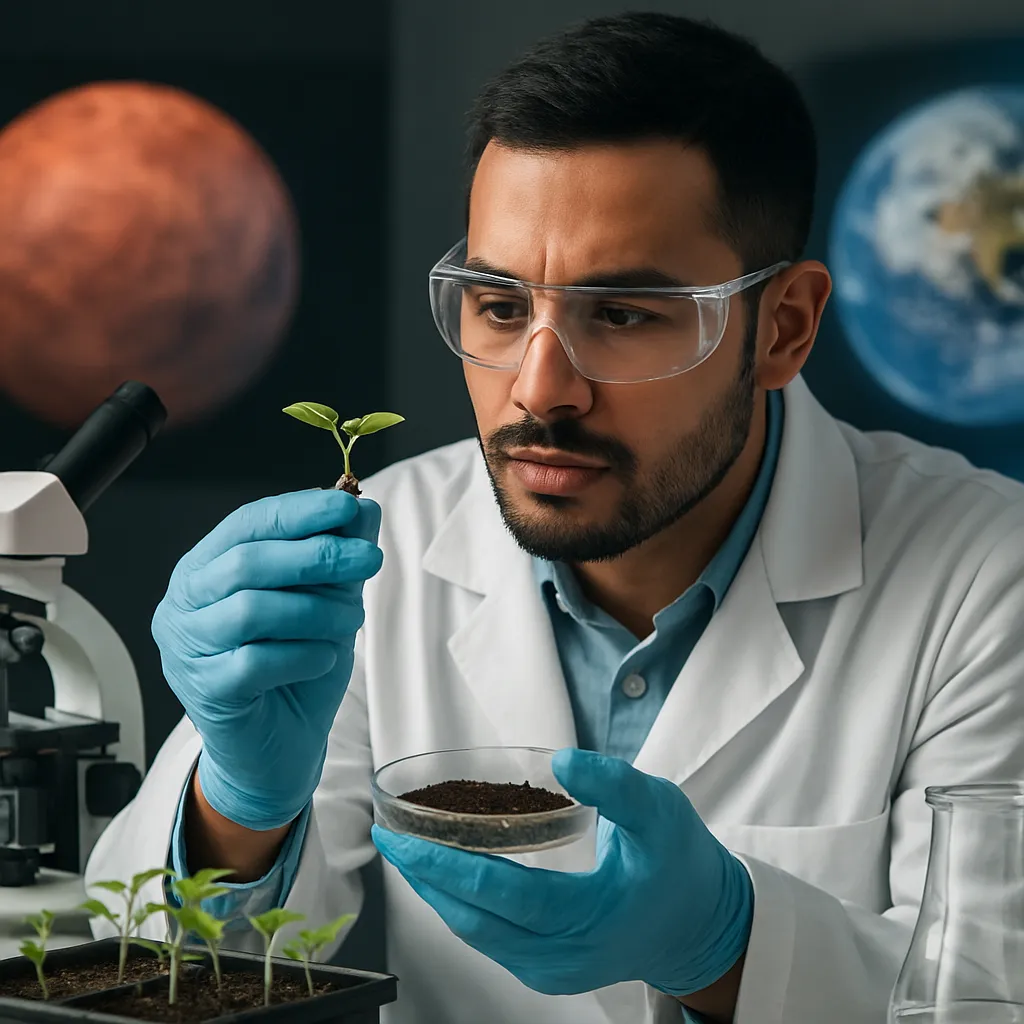
Unlocking the potential for sustainable agriculture beyond Earth demands a radical transformation of how we conceive and engineer plant life. By enhancing seed performance under alien conditions, researchers aim to establish reliable food production on the Moon, Mars, and beyond. This exploration integrates advances in multi-planet adaptability, environmental simulation technologies, and cutting-edge genetic tools to ensure crop success in extreme off-world habitats.
Preparing Seeds for Extraterrestrial Environments
The first step toward off-world cultivation involves understanding the unique challenges posed by space and planetary surfaces. Seeds destined for these missions must cope with factors that are virtually absent on Earth: unshielded cosmic rays, reduced gravity levels, and volatile temperature swings. Experimentation in orbital greenhouses and lunar testbeds has already revealed that seed dormancy, germination rates, and early seedling vigor vary markedly when exposed to these stressors.
Abiotic Stress Tolerance
Underpinning every successful extraterrestrial planting is robust abiotic stress management. Through controlled trials aboard the International Space Station, seeds have been subjected to simulated Martian soil analogues mixed with regolith simulant. Observations indicate that key physiological processes—most notably photosynthesis efficiency and root development—decline under high radiation flux. Addressing these issues requires both preconditioning treatments and seed coatings enriched with protective compounds.
Key Environmental Factors
- Microgravity-induced alterations in cellular division and orientation
- High-energy particle exposure disrupting DNA integrity
- Extreme temperature gradients, from sub-zero nights to scorching days
- Low atmospheric pressure and carbon dioxide variability
By mapping plant performance across these variables, scientists identify the precise tolerance thresholds needed for reliable germination and growth in situ.
Genetic Innovations and Biotechnological Strategies
Pioneering seed engineering for space hinges on deploying advanced molecular techniques. Precise genome editing allows for the introduction of traits that bolster seed robustness. Current efforts focus on the integration of stress-responsive genes from extremophiles—organisms adapted to survive in some of the harshest environments on Earth.
CRISPR-Cas and Beyond
Utilizing CRISPR-Cas platforms, researchers have successfully edited genes involved in DNA repair pathways to enhance radiation tolerance. These modifications improve the seed’s ability to mend breaks caused by cosmic rays, thereby maintaining genomic integrity during long-duration space travel. Trials of CRISPR-edited Arabidopsis seeds have shown a 30% increase in viable seedling emergence after gamma irradiation tests.
Synthetic Biology Approaches
Through synthetic biology, entire genetic circuits are being designed to regulate water use efficiency and metabolite production under drought-like micro-environmental conditions. Custom promoter elements trigger the expression of protective proteins only when sensors detect desiccation or cold shock. Such dynamic, self-regulating systems promise to extend the viability of seeds stored in transit and deployed on extraterrestrial surfaces.
Cultivation Systems and Infrastructure for Space Agriculture
Engineering seeds represents only one side of the equation; the other involves the design of cultivation platforms capable of supporting plant growth in hostile settings. Closed-loop greenhouses, hydroponic trays, and aeroponic chambers are being optimized to work in harmony with seed genotypes tailored for off-world use.
Hydroponics and Soil Substitutes
Recent experiments emphasize hydroponics due to its minimal use of water and soil. Space-bound systems recycle up to 95% of nutrient solutions, significantly reducing resupply volumes. Meanwhile, research into regolith-based substrates seeks to exploit local materials, converting pulverized lunar or Martian rock into growth media enriched with biochar and organic amendments.
Bioregenerative Life Support Integration
When integrated into bioregenerative life support systems, engineered seeds supply oxygen through photosynthetic activity and recover vital resources from plant waste. The synergy between microorganisms, plants, and human crews forms a closed ecological network, where each component recycles water, carbon dioxide, and nutrients. This holistic approach reduces mission dependence on Earth-supplied provisions.
Implementation in Space Missions and Future Prospects
Translating laboratory successes to operational programs involves rigorous validation at multiple scales. From small seed arrays grown in microgravity aboard space stations to full-scale Martian greenhouse prototypes, each deployment teaches invaluable lessons about plant performance and system resilience.
Pilot Studies and Demonstrations
- Orbital plant growth modules testing seed germination under microgravity
- Lunar lander payloads conducting short-term crop trials on the Moon’s surface
- Mars analog habitat experiments in desert and volcanic terrains on Earth
Data from these pilot studies inform improvements in seed design, habitat environmental control, and automated farming technologies. Targeted iterations hone the genetic and structural traits essential for dependable food production.
Long-Term Vision
Looking ahead, the ambition is to cultivate staple crops—wheat, potatoes, and soy—in Martian greenhouses using fully engineered seeds. This will require scaling up seed production facilities on Earth equipped with bioreactors for rapid generation of genetically tailored lines. Coupled with in situ resource utilization, the ultimate goal is a self-sustaining agricultural network supporting human colonies across the solar system.
By uniting plant science, genetic engineering, and habitat design, the path to extraterrestrial farming becomes clearer. Seeds optimized for alien worlds will serve as the vital link, ensuring that human exploration is backed by dependable, regenerative food systems.