The unique environment of space presents numerous obstacles to cultivating plants beyond Earth’s surface. Among these, the distribution of water under conditions of microgravity stands out as both a technical and biological challenge. Ensuring that every root receives an adequate supply of moisture and nutrients demands innovative engineering approaches and a detailed understanding of fluid behavior in weightlessness. This article explores the core issues involved in water transport for space agriculture and surveys emerging solutions designed to sustain future off-world farms.
Transport Mechanisms in Microgravity
On Earth, gravity drives water downward, creating predictable flows through soil and hydroponic media. In space, however, this convection–driven movement vanishes, making surface tension and capillary forces the dominant players. Without gravity, liquid droplets can float freely, merge unpredictably, and form large air pockets that starve plant roots.
- Surface Tension Dynamics: Water adheres to channel walls and substrates rather than settling at the base. Engineers exploit this by using narrow capillaries and hydrophilic coatings.
- Capillarity Networks: By designing porous materials with graded pore sizes, it’s possible to guide water toward root zones. This mimics vascular systems found in living organisms.
- Two-Phase Flow Challenges: Gas bubbles can block channels, interrupting continuous flow. Systems must include bubble traps or active degassing modules to prevent interruptions.
Understanding the balance between capillarity and surface tension is crucial. Experiments aboard the International Space Station (ISS) have shown that slight modifications in channel geometry can dramatically alter liquid distribution patterns.
Designing Efficient Delivery Systems
Developing reliable water delivery systems involves choosing between passive and active approaches. Passive systems rely on engineered materials and geometry, while active systems use pumps, valves, or pneumatics to move fluid.
- Pump-Based Circulation: Small diaphragm or peristaltic pumps can maintain a constant pressure gradient, though they introduce moving parts that may fail.
- Pneumatic Pressurization: By pressurizing a bladder or reservoir, water can be pushed through distribution channels without mechanical pumps.
- Porous Membrane Delivery: Membranes with nano-scale pores allow water to seep slowly, ensuring even moisture without sudden surges.
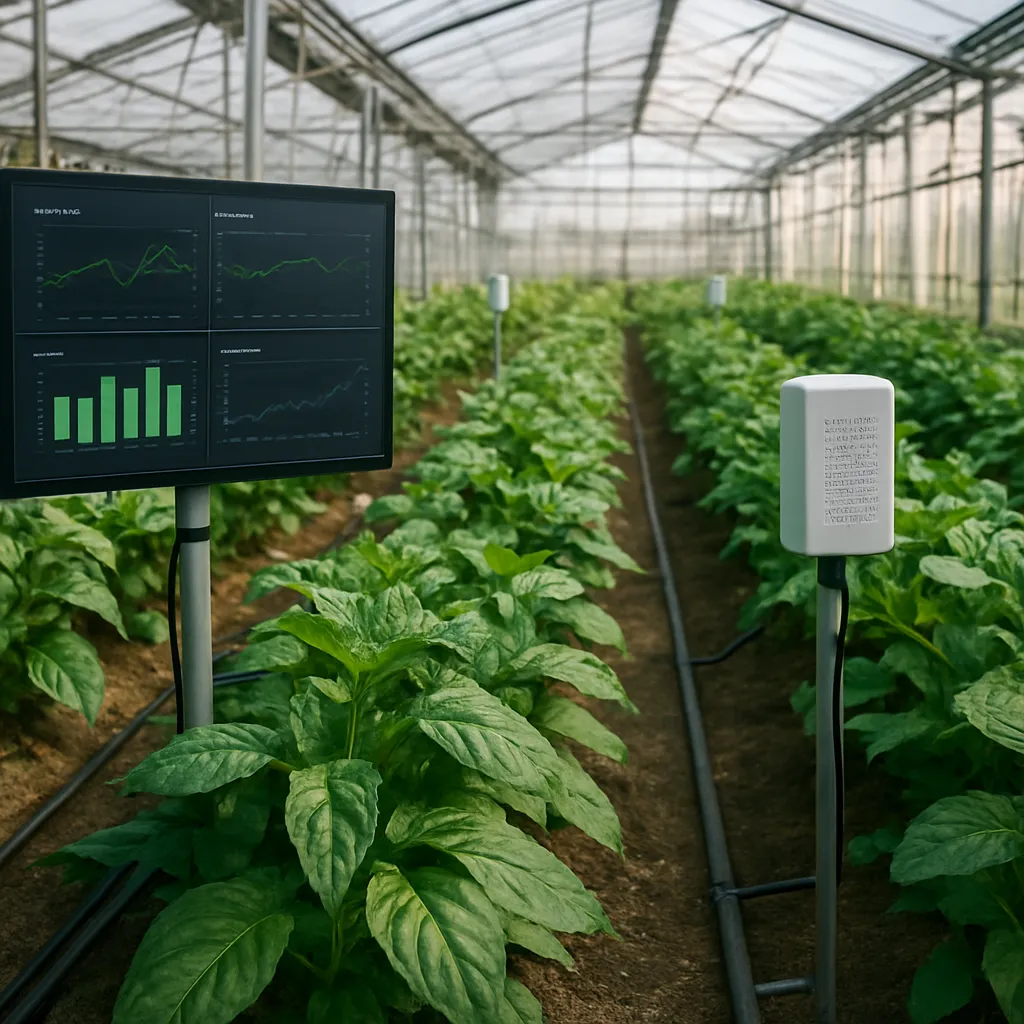
Engineers must guard against clogging and microbial growth, which can compromise long-term reliability. Incorporating filtration units and sterilization LEDs helps mitigate contamination risks. Additionally, sensors embedded throughout the root zone monitor moisture levels in real time, triggering corrective action when needed.
Nutrient-Rich Water for Space Agriculture
Agricultural success in orbit depends not only on water quantity but also on nutrient content and distribution. Hydroponic and aeroponic systems allow precise control over solution composition, introducing dissolved minerals directly to plant roots. However, in microgravity, nutrient particles can settle unpredictably or adhere to surfaces.
Managing Evaporation and Condensation
Evaporation behaves differently when gravity is absent. Water vapor disperses in all directions, potentially leading to high humidity zones and unintended condensation on equipment. Controlled climate modules use circulating airflows to homogenize humidity and temperature. Condensed droplets are collected on cooled surfaces and returned to the main reservoir, closing the water loop.
Root Zone Architecture
Substrates such as synthetic bioreactor foams or granular minerals can act as artificial soil. Their pore structures must balance water retention and air exchange, preventing waterlogging while ensuring roots receive oxygen. Careful selection of substrate geometry allows creation of microenvironments that optimize osmosis and nutrient uptake.
Integration with Life Support Systems
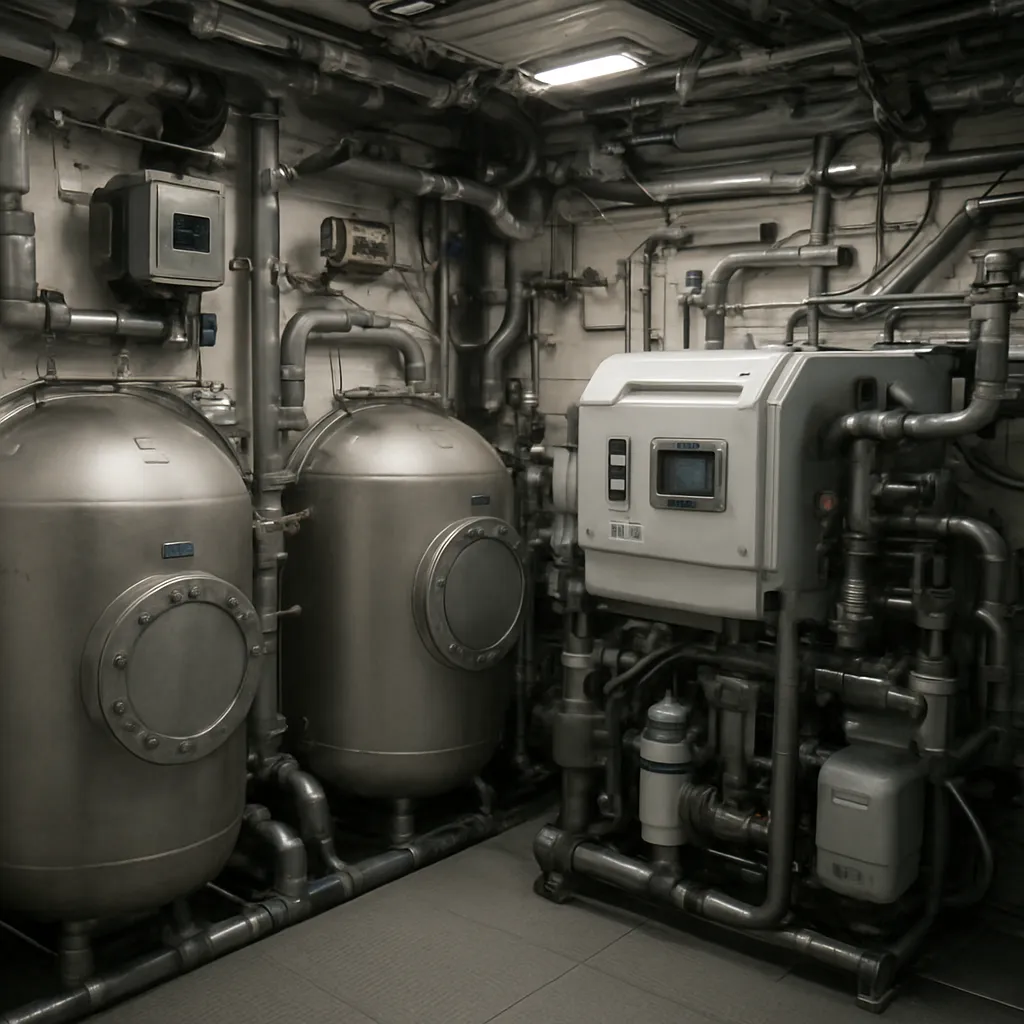
Water distribution for plants often ties directly into spacecraft life support, where recycling and purification are paramount. Greywater from plant transpiration and condensation undergoes multi-stage filtration before re-entering the cultivation loop.
- Activated Carbon Filters: Remove organic compounds and trace contaminants.
- Reverse Osmosis Modules: Eliminate dissolved salts and heavy metals.
- Ultraviolet Sterilization: Destroys microbial pathogens without chemical additives.
Maintaining a closed-loop system reduces resupply needs. Wastewater from crew activities can be routed through the plant module, providing additional moisture and supporting a symbiotic ecosystem where plants help scrub carbon dioxide and produce oxygen.
Materials and Structural Innovations
Advanced materials play a pivotal role in enabling robust microgravity agriculture. Researchers are exploring 3D-printed hydroponic channels that incorporate both fluid conduits and sensor pathways in a single integrated form. These designs minimize assembly complexity and enhance reliability.
- Smart Polymers: Responsive to moisture levels, these materials swell or contract to regulate flow automatically.
- Nanocoatings: Hydrophilic or hydrophobic layers reduce biofilm formation and optimize fluid adherence.
- Flexible Microfluidics: Soft, deformable channels that conform to irregular root geometries, ensuring uniform distribution.
The combination of pressure gradients and material science breakthroughs allows precise control over fluid movement, even in the absence of gravity-driven flow.
Future Directions and Research Priorities
Ongoing experiments aim to refine water management strategies for deep-space habitats and lunar bases. Topics under investigation include:
- Adaptive Valve Networks: Systems that reroute water dynamically based on real-time plant health data.
- Electro-wetting Techniques: Voltage-controlled manipulation of droplets on conductive surfaces.
- Integrated AI Control: Machine learning algorithms optimize irrigation schedules and nutrient dosing to maximize yield.
With continuous progress in microgravity fluid dynamics and space farming technology, future missions will depend on highly dependable water distribution systems. Achieving stable, efficient irrigation in orbit is a key milestone on the path to sustainable extraterrestrial agriculture.