Space exploration demands not only robust spacecraft and efficient propulsion but also sustainable food systems that ensure crew health and morale. Developing reliable sources of fresh produce and palatable meals involves integrating cutting-edge agricultural technology with an understanding of how taste and texture transform under weightless conditions. This article examines key aspects of cultivating plants in orbit, manipulating food structure in zero gravity, and adapting human sensory responses to maintain both nutrition and enjoyment on long-duration missions.
Space Production of Fresh Food: Cultivating Plants in Microgravity
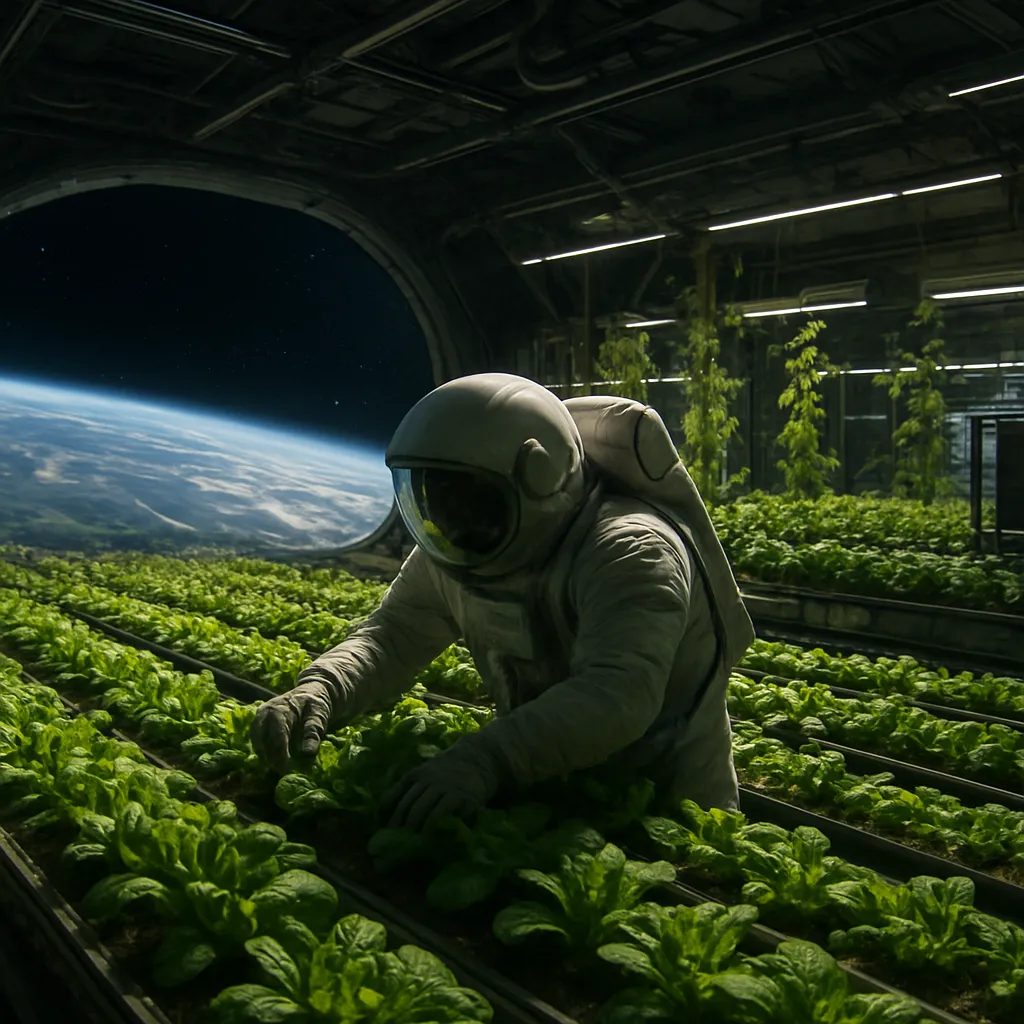
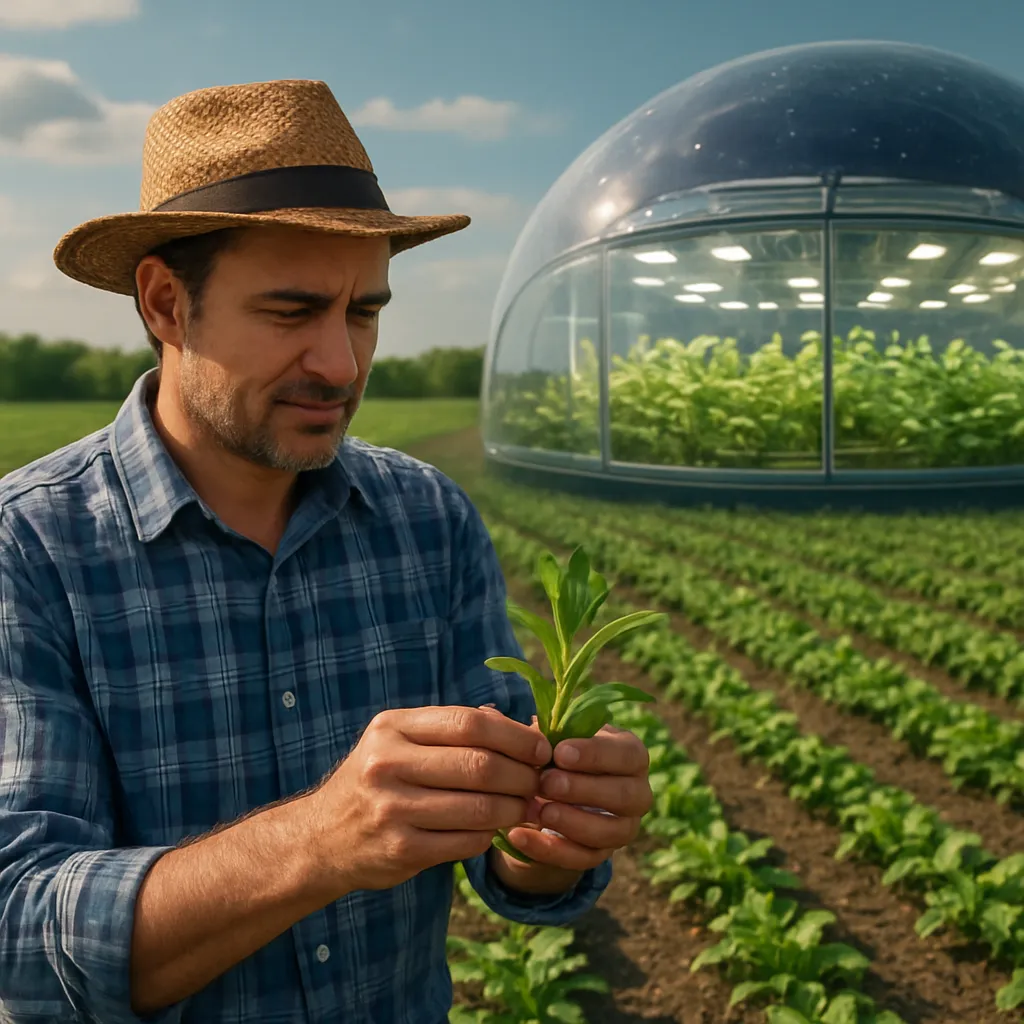
Establishing viable agriculture systems aboard spacecraft and orbital habitats addresses both dietary requirements and psychological well-being of astronauts. Without the influence of Earth’s gravity, roots and water distribution behave differently, demanding specialized growth modules that replicate essential environmental cues. Research on the International Space Station has demonstrated that vegetables such as lettuce, kale, and dwarf wheat can thrive when provided with precise nutrient delivery and lighting schedules tailored to simulate diurnal cycles.
Hydroponic and Aeroponic Systems
One of the most promising approaches involves hydroponic and aeroponic units, where plants receive mineral solutions directly at the root zone. In microgravity, roots no longer rely on gravity to draw water downward, so pumps and capillary wicks must ensure uniform moistening. Aeroponic systems aerosolize nutrient solutions, enhancing oxygenation and reducing water usage by up to 90 percent compared to soil-based cultivation. Automated sensors adjust pH and conductivity in real time, guaranteeing optimal uptake of nitrogen, phosphorus, and potassium critical for photosynthetic efficiency.
Bioreactor-Based Protein Sources
Beyond leaf vegetables, microbial and cellular culture in bioreactors offers a compact route to protein-rich food. Fermenters inoculated with yeast or bacterial strains engineered to produce edible compounds can deliver amino acids, vitamins, and even bioactive peptides. The absence of gravity alters fluid dynamics and shear stress inside these vessels, necessitating novel impeller designs and membrane filtration systems. As bioreactor performance improves, it may supplant dried rations by integrating seamlessly with hydroponic outlets to form a closed-loop life support network.
The Science of Food Texture in Weightless Environments
Texture profoundly influences consumer acceptance and satiety. In orbit, the absence of buoyant forces and altered capillary action can cause liquids to form spheres, wet foods to clump, and crispy items to lose their structure. Engineers and food scientists collaborate to tailor mechanical properties through ingredient selection and processing methods that counteract these phenomena.
Impact on Rheology and Structural Integrity
Characterizing the rheology of space formulations reveals how shear-thinning, viscoelasticity, and yield stress shift when gravity is removed. For instance, sauces and purees that flow readily on Earth can adhere excessively to utensils in microgravity. By adjusting hydrocolloid concentrations—such as xanthan gum, alginate, or carrageenan—researchers create thixotropic systems that remain stable at rest but become fluid under spoon shear. Encapsulated oil droplets or air cells within aerated products preserve mouthfeel, preventing coalescence and collapse.
3D Food Printing and Encapsulation Techniques
Innovations like 3D printing enable precise deposition of multi-component matrices, building complex textures layer by layer. Solid fat crystals or protein gels are extruded to form scaffolds supporting vegetable or fruit fillings. Meanwhile, encapsulation technologies trap volatile flavor compounds inside microcapsules that release upon chewing, intensifying taste without compromising structural integrity. Encapsulation also stabilizes sensitive nutrients and probiotics during storage, ensuring astronauts receive functional benefits alongside sensory appeal.
Taste Perception and Sensory Adaptation in Space
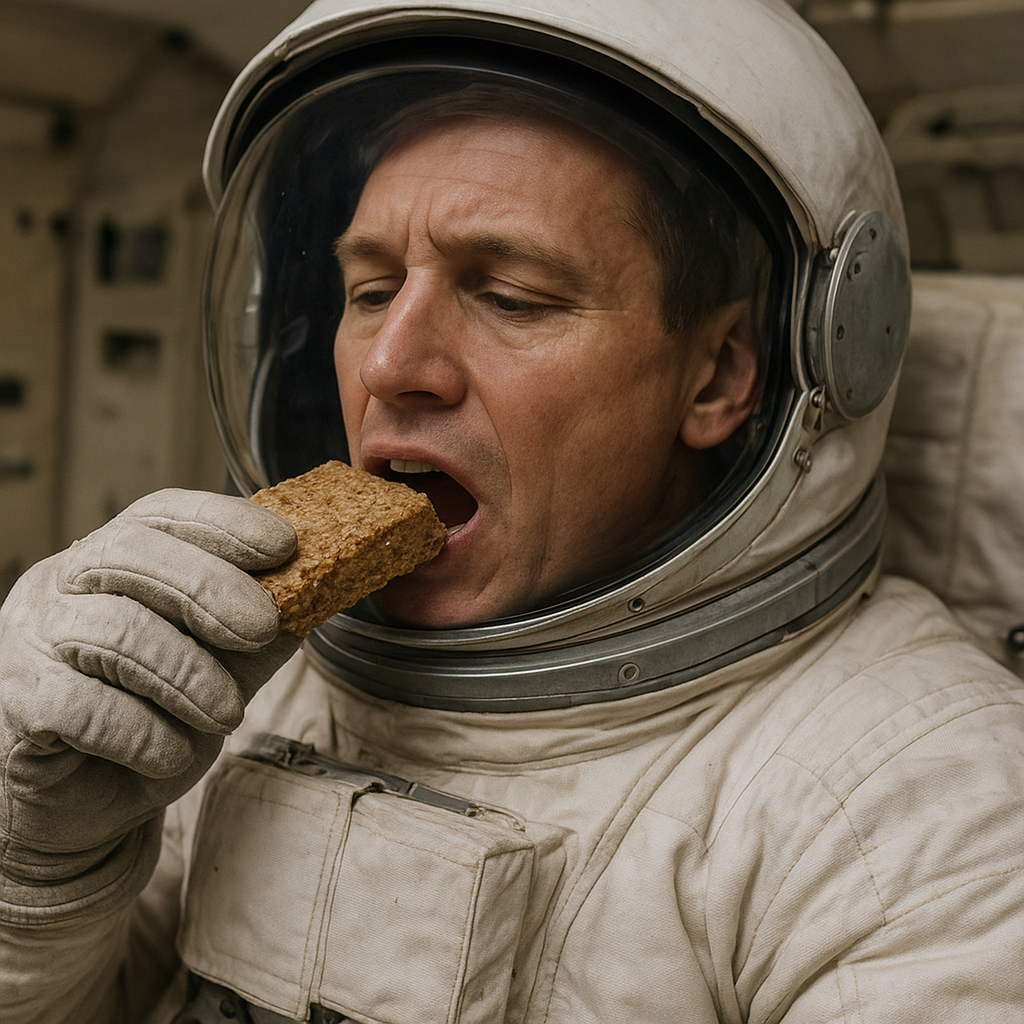
Beyond mechanical texture, the gustatory and olfactory systems adapt under spaceflight conditions. Confinement, altered pressure, and fluid shifts in the body can dull taste buds and nasal receptors, leading crew members to report bland flavors or an increased craving for spicy and salty notes. Understanding these physiological changes is vital to designing meals that remain enjoyable throughout multi-month expeditions.
Physiological Influences on Flavor Detection
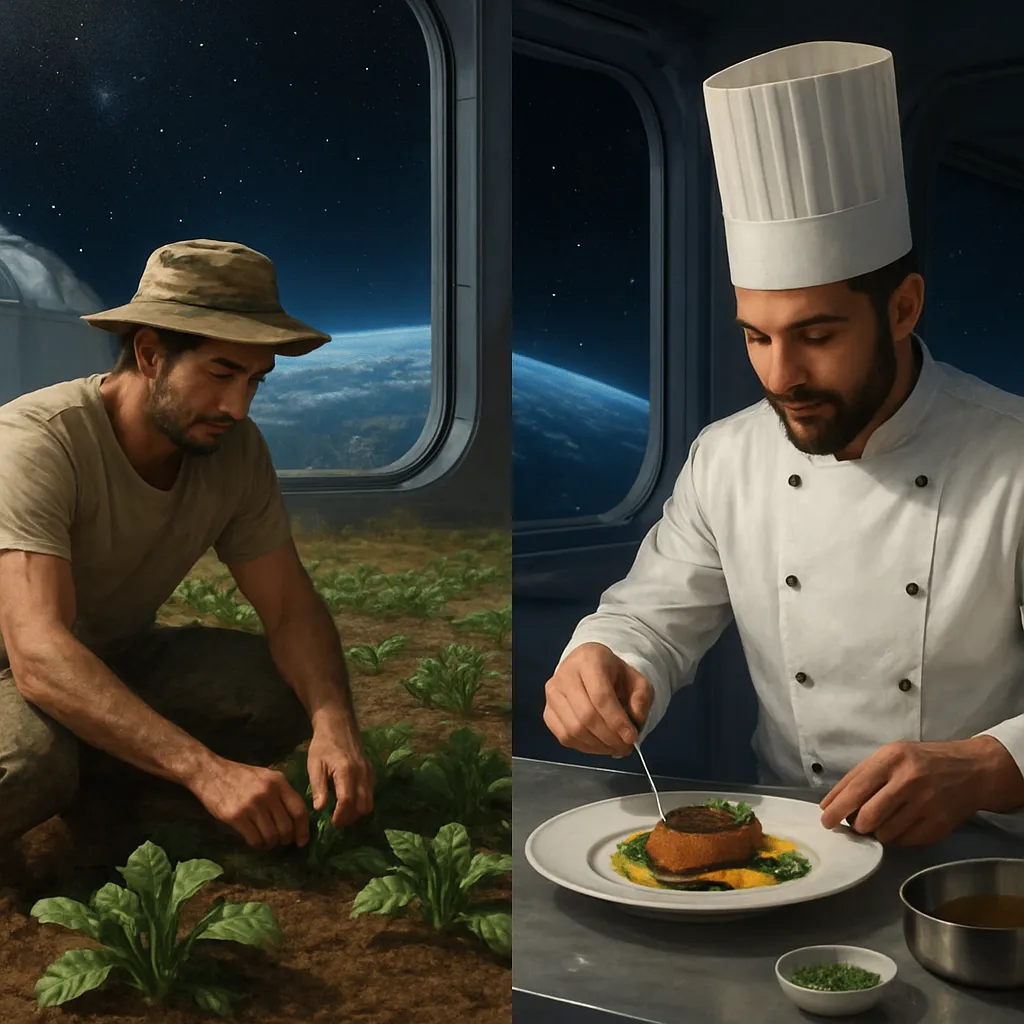
Microgravity causes fluids to redistribute toward the head, often resulting in mild congestion akin to a head cold. This reduces airflow through the olfactory epithelium, impairing aroma perception by up to 30 percent. To compensate, chefs incorporate umami-rich ingredients such as yeast extracts or mushrooms to boost flavor depth. Additionally, modular spice packets allow astronauts to tailor seasoning levels according to personal preference and daily variation in taste sensitivity.
Role of Nutrigenomics and Palatability
Emerging work in nutrigenomics explores how genetic polymorphisms influence individual responses to taste stimuli in space. Polymorphic variants of TAS2R bitter receptor genes, for example, determine sensitivity to certain vegetables and legumes. By combining genomic screening with menu planning, mission support teams can optimize ingredient selection, thereby enhancing palatability while ensuring balanced macro- and micronutrient intake. Behavioral studies confirm that increased variety and sensory stimulation correlate with higher morale and reduced risk of menu fatigue.
Innovations and Future Directions for Space Nutrition
As missions extend beyond low Earth orbit to lunar bases and Mars expeditions, food systems must evolve to address latency, resupply constraints, and the psychological demands of deep space. Interdisciplinary collaboration drives the development of integrated modules that combine plant growth, fermentation units, and advanced processing technologies within compact footprints.
Integration of Fermentation and Bioprocessing
Space-ready bioprocessors can culture probiotics and produce yogurt-like textures, leveraging beneficial microbial communities to enhance gut health. Solid-state fermentation of cereal or legume matrices generates new flavor profiles and plant-based proteins with meat-like textures. Closed-loop water recovery systems recycle process effluents to irrigate crops, closing critical mass and nutrient cycles. These innovations not only reduce dependence on Earth-supplied rations but also expand culinary diversity.
Designing Multifunctional Food Modules
Future spacecraft may feature compact kitchens equipped with microwave reactors, vacuum ovens, and cryogenic freezers that allow on-demand preparation of complex dishes. Integrated sensors will monitor freshness, detect spoilage, and suggest dynamic menus via augmented reality interfaces. Customizable meal kits can include dehydrated plant tissues, cultured protein pastes, and spice microcapsules, enabling precise rehydration and assembly. By pairing advanced preparation with automated nutrient profiling, mission planners ensure that every bite delivers both sensory satisfaction and metabolic adequacy.