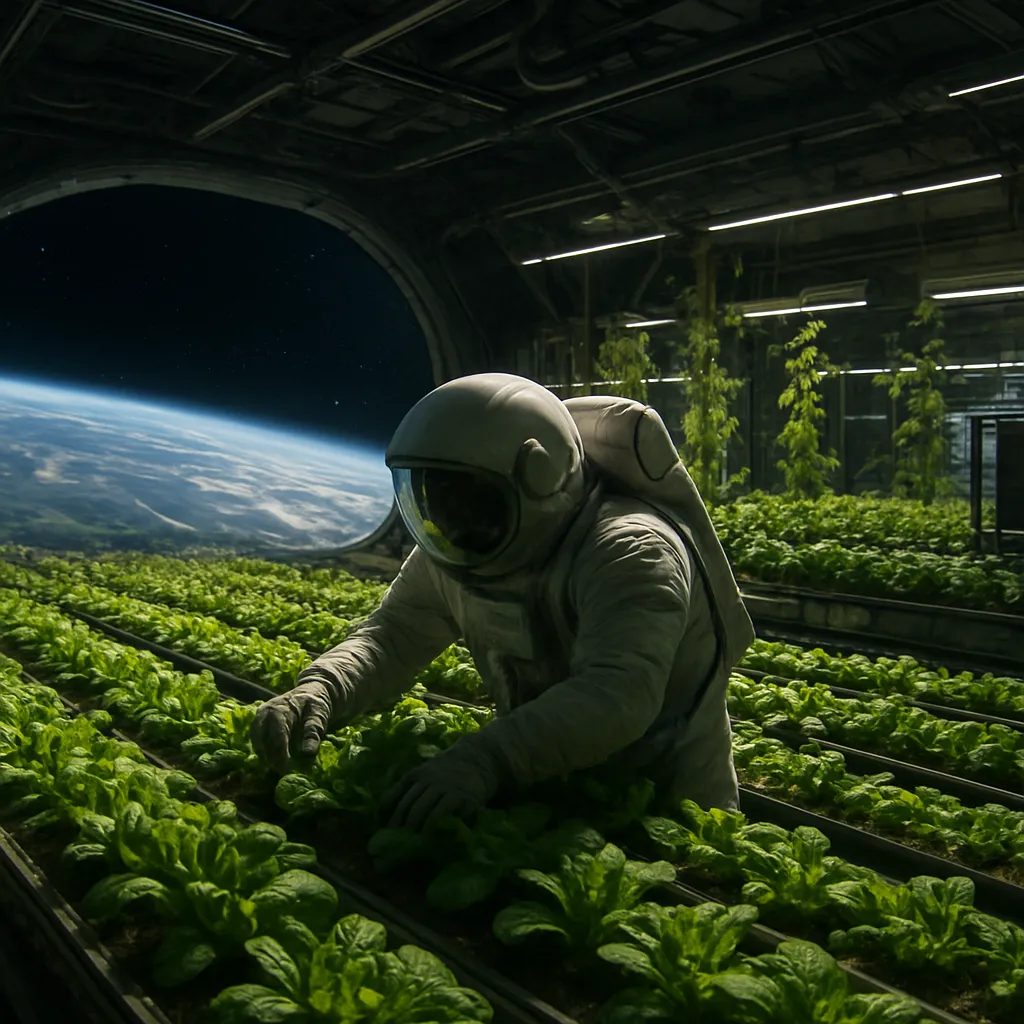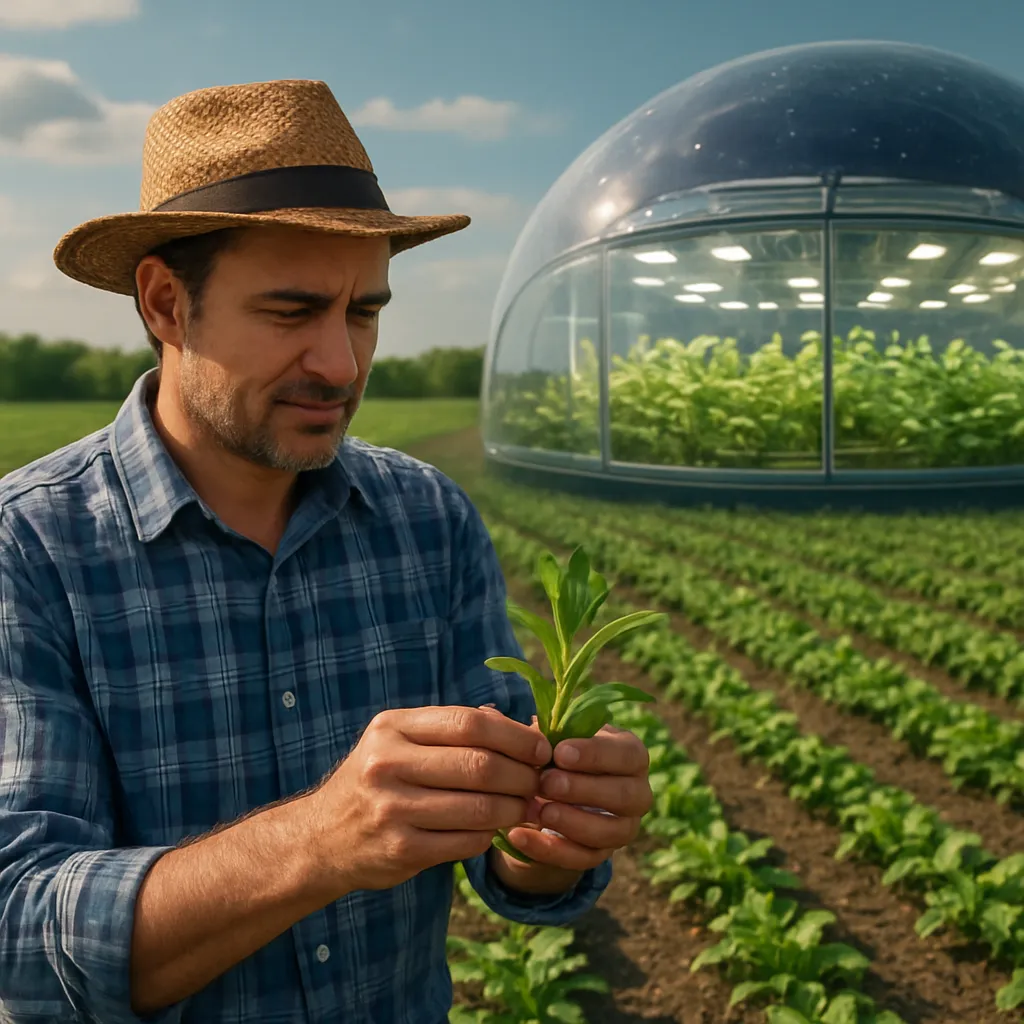
Innovating agricultural systems for off-world environments demands an integration of biology, engineering and space science. This article explores how to engineer adaptive plant species capable of thriving under variable gravity conditions, from microgravity aboard space stations to partial-G on the Moon and Mars. By combining cutting-edge genetic tools, advanced growth chambers and novel cultivation protocols, we aim to ensure reliable food production for future spacefarers.
Adapting Plants to Diverse Gravitational Environments
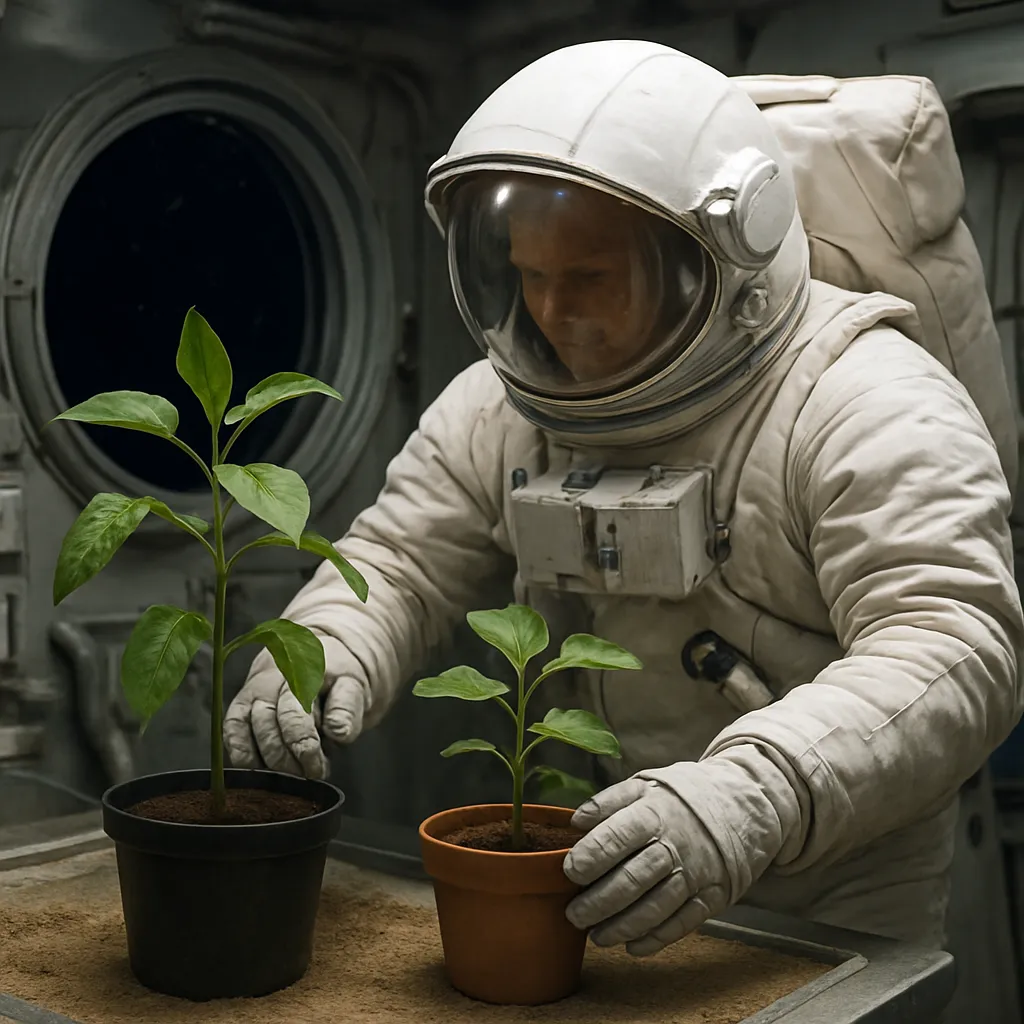
Gravity profoundly shapes plant development. On Earth, a constant 1g force influences root architecture, shoot orientation and fluid distribution. In microgravity, plants exhibit altered cell signaling, disoriented root growth and diminished nutrient transport. Partial-G regimes introduce intermediate stresses that neither Earth-adapted nor zero-G-optimized plants handle well.
Gravitropism and Root Development
- Under microgravity, root gravitropism signals weaken, causing roots to coil or grow randomly.
- Partial-G environments can produce asymmetric distribution of auxin, disrupting normal root branching patterns.
- Engineering plants with enhanced gravity-sensing capabilities is critical to restore oriented root growth.
Shoot Orientation and Canopy Architecture
- Reduced gravitational load alters stem rigidity and leaf arrangement.
- Modifying cell wall composition may sustain upright growth in variable gravity.
- Canopy design must optimize light capture under confined growth spaces in habitat modules.
Genetic Engineering Strategies for Gravity Resilience
Advances in synthetic biology and genome editing offer routes to tailor plant responses to shifting gravity fields. Key targets include signaling pathways, structural proteins and metabolic networks that mediate growth and stress adaptation.
CRISPR-Based Modifications
- Edit genes involved in auxin transport to stabilize root curvature under fluctuating gravity.
- Knock-in gravity-responsive promoters that upregulate rigidity factors in stems.
- Use CRISPRi to downregulate ethylene pathways that exacerbate stress responses in microgravity.
Transgenic Introduction of Stress Tolerance Genes
- Integrate genes from extremophile plants that thrive under mechanical stress or low gravity.
- Overexpress antioxidant enzymes to counteract reactive oxygen species generated by cosmic radiation.
- Employ transporters to enhance nutrient uptake efficiency when fluid dynamics are altered.
Metabolic Pathway Optimization
- Rewire carbon partitioning towards root exudates that support beneficial rhizosphere microbes in enclosed systems.
- Engineer tailored photoperiod sensors for optimized photosynthesis under artificial LED spectra.
- Accelerate biomass accumulation through synthetic growth regulators with minimal gravitational feedback.
Bioreactor and Growth Chamber Design
Hardware advances are as crucial as biological improvements. Growth modules must recreate target gravity levels while maintaining closed-loop life support and resource recycling.
Rotational Gravity Generation
- Centrifuge-based bioreactors can simulate partial gravity, but require precise balance to avoid turbulence.
- Adaptive rotational rates allow dynamic adjustment for multi-phase plant life cycles.
- Sensors and feedback control maintain stable gravity gradients across planting trays.
Fluid and Nutrient Delivery Systems
- Microfluidic networks distribute water and nutrients evenly, compensating for reduced convective flow.
- Electrostatic or capillary-driven pumps support root hydration without gravity reliance.
- Real-time monitoring of pH, EC and dissolved oxygen ensures optimal root zone conditions.
Lighting and Atmosphere Management
- Modular LED arrays deliver customizable light spectrums to match engineered photoreceptors.
- Carbon dioxide enrichment protocols enhance growth rates in sealed environments.
- Humidity and temperature controls coupled with predictive models prevent condensation and thermal stress.
Challenges and Future Directions
The path to reliable space agriculture under variable gravity is met with technical, biological and operational hurdles. Addressing these demands interdisciplinary collaboration and incremental deployment in near-Earth platforms before long-duration missions.
Validation on Orbital Platforms
- ISS experiments must refine gene constructs and hardware integration under real microgravity.
- CubeSat-based biological payloads can test seed-to-seed cycles in low Earth orbit.
- Data-driven selection of top-performing lines accelerates down-selection for lunar trials.
Lunar and Martian Demonstrations
- Establish small-scale lunar greenhouses to examine partial-G plant physiology in situ.
- Adapt substrate compositions using local regolith analogs mixed with organic amendments.
- Validate closed-loop water reclamation and nutrient cycling under reduced gravity.
Ethical and Regulatory Considerations
- Assess potential ecological impacts of releasing engineered species beyond Earth.
- Develop international guidelines for sharing genetic resources and technology transfer.
- Engage public stakeholders in shaping responsible space agriculture policies.