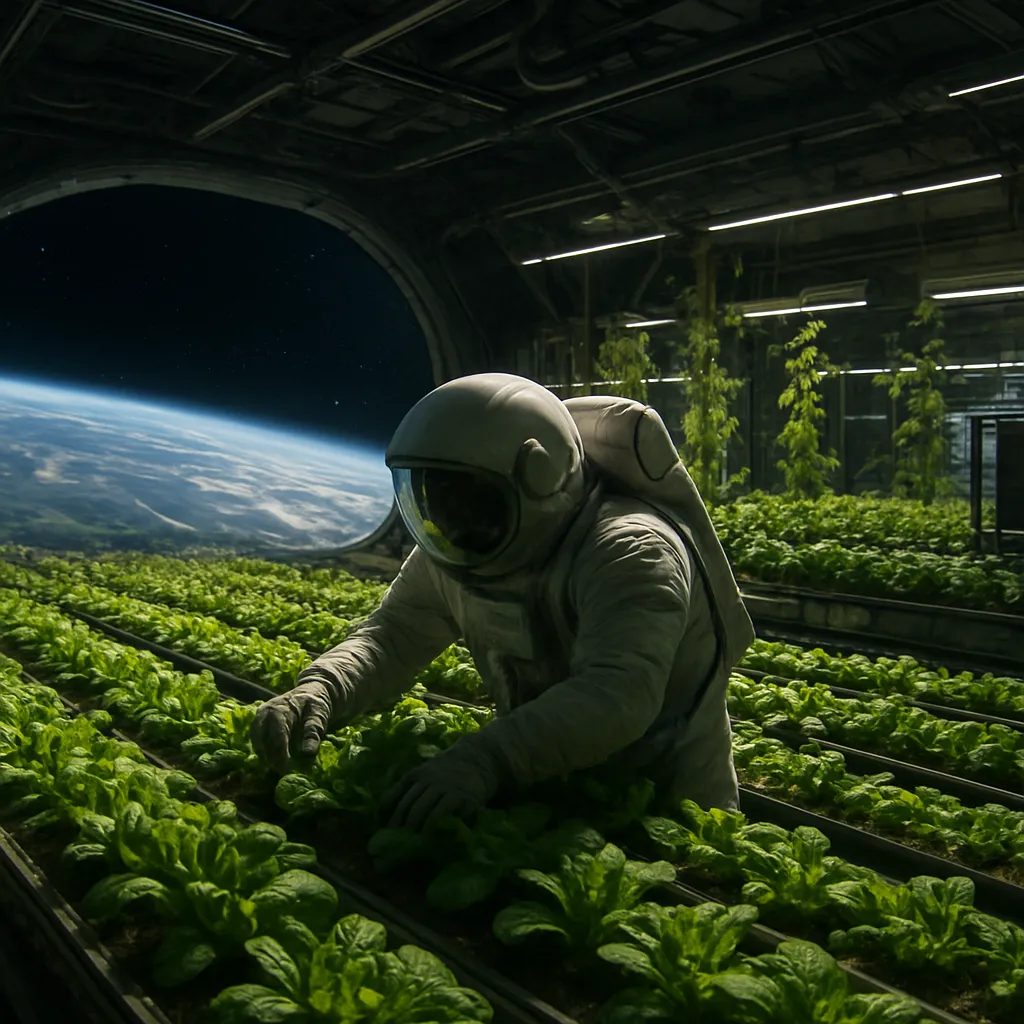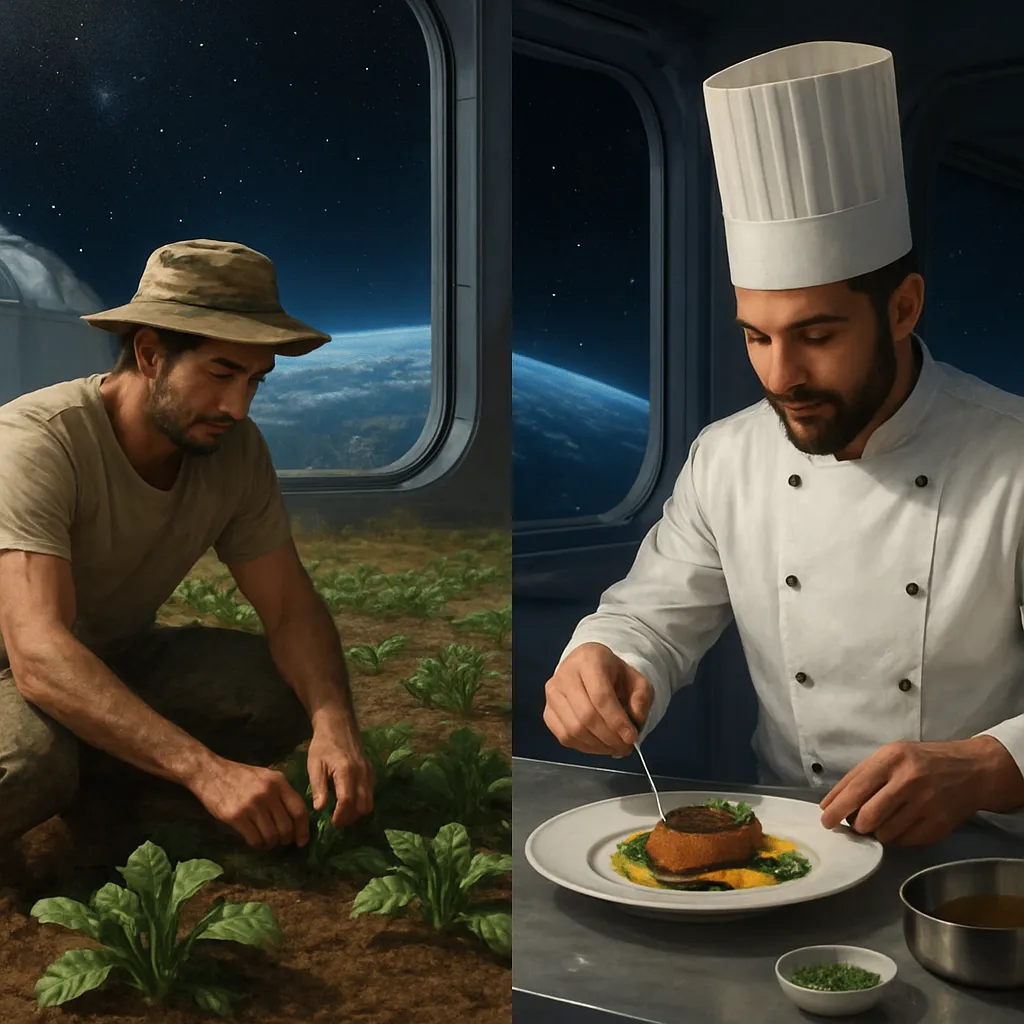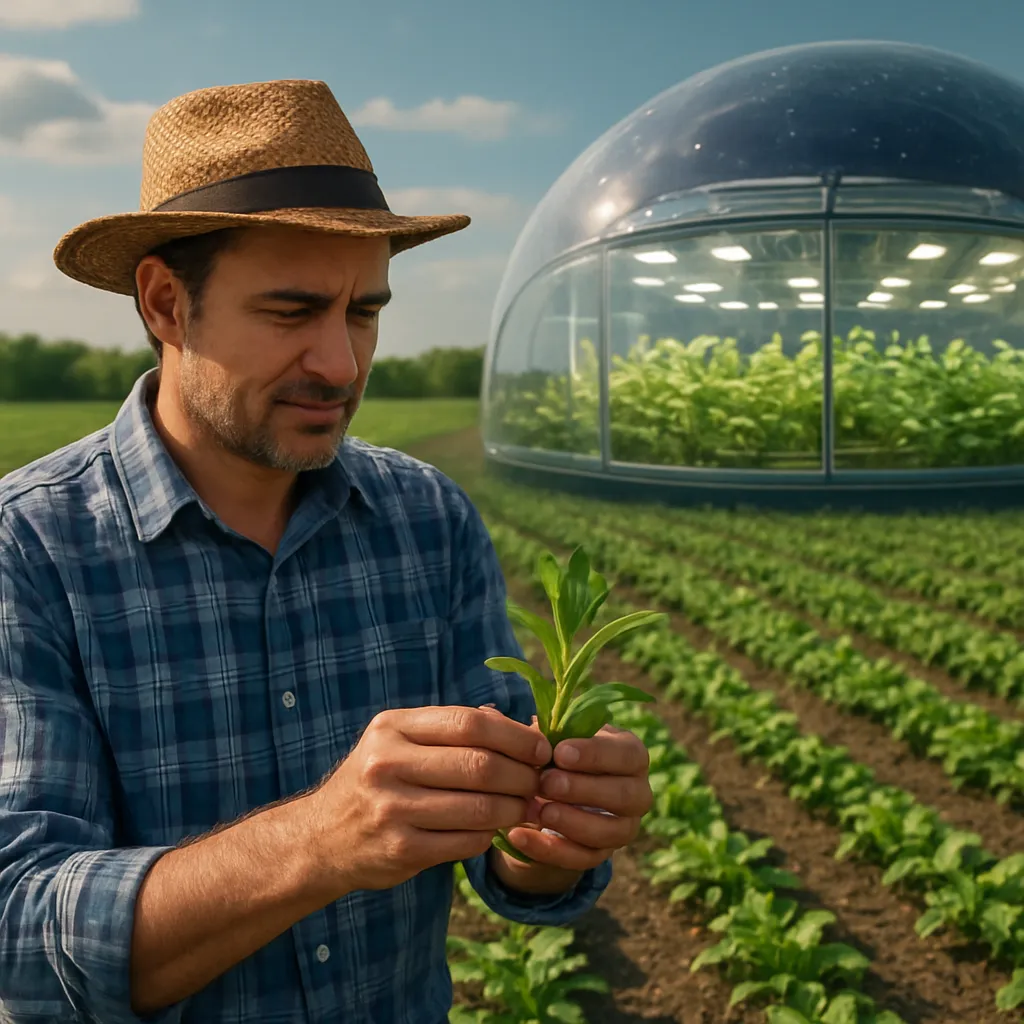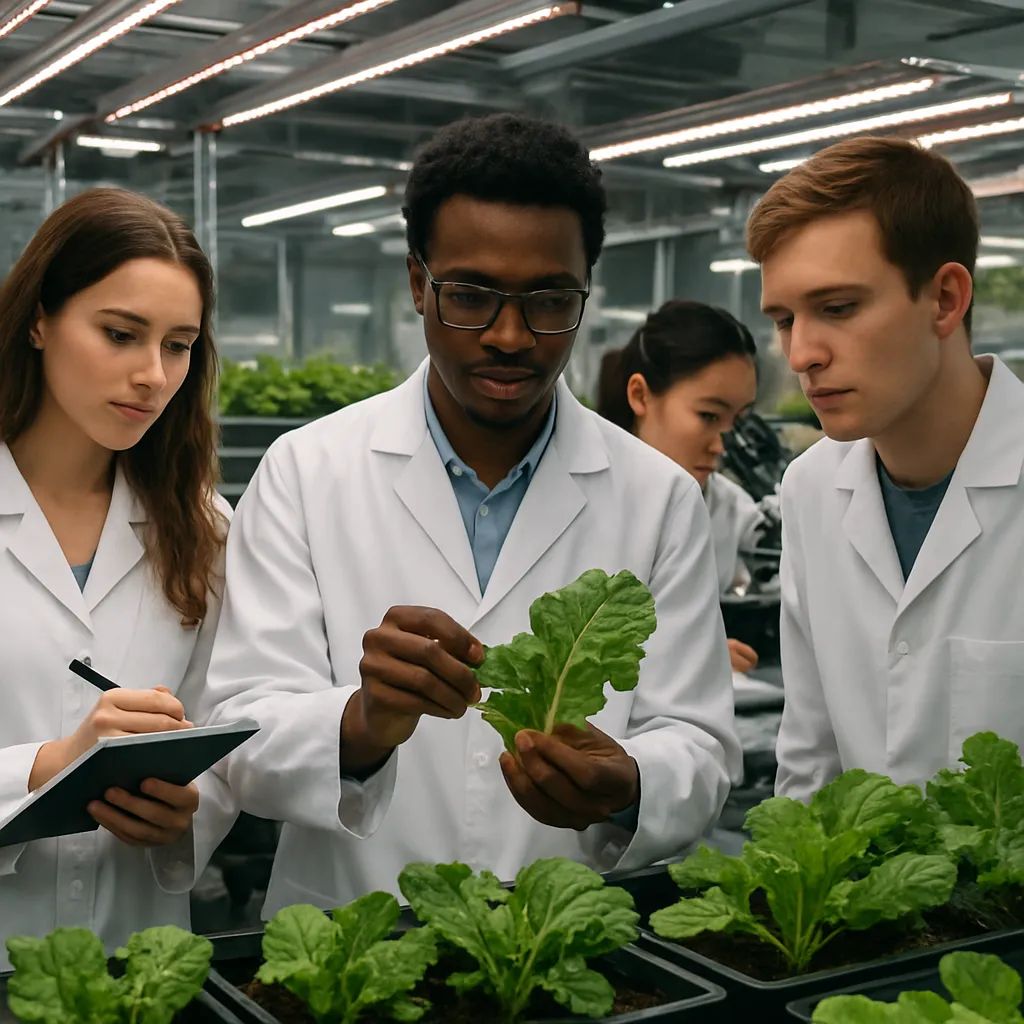
Space Agriculture Education and Student Research Programs represent a convergence of cutting-edge science and hands-on learning approaches aimed at preparing the next generation of pioneers for life beyond Earth. By immersing students in authentic challenges—such as developing closed-loop plant growth systems, optimizing resource recycling, and navigating the constraints of space environments—these programs foster innovation and inspire a lifelong passion for exploration. Through a blend of theoretical knowledge and practical application, participants acquire critical skills in biology, engineering, and systems thinking, while contributing to groundbreaking discoveries in extraterrestrial farming.
Curriculum Innovations for Space-Based Agriculture Education
Embedding space agriculture into academic programs demands creative curriculum design that bridges multiple disciplines. Educators are crafting courses that integrate plant physiology, environmental engineering, and data analytics to simulate the exigencies of space habitats. This interdisciplinary approach ensures students appreciate the synergies between biology and technology when designing systems that maintain sustainability in resource-limited settings.
Core Modules and Learning Objectives
- Principles of Controlled Environment Agriculture: Understanding climate-control, lighting spectra, and water cycles under confined conditions
- Plant Nutrient Management: Designing nutrient solutions for soilless cultivation, emphasizing the role of nutrient balance and biochemical pathways
- Life-Support System Integration: Linking plant modules with waste-recycling units to achieve regenerative cycles of air, water, and organic matter
- Data-Driven Growth Modeling: Applying sensors and AI algorithms to monitor plant health and predict yields in real time
- Ethics and Policy in Space Farming: Exploring governance frameworks, biosecurity, and equitable access to extraterrestrial resources
Hands-on laboratories leverage hydroponics, aeroponics, and novel substrates, allowing students to test variables such as pH, light intensity, and atmospheric composition. Field trips to greenhouse facilities or simulated lunar habitats reinforce theoretical lessons and underscore the challenges of scaling systems for planetary outposts. By embedding research milestones throughout the course, instructors cultivate a sense of ownership and agency, prompting learners to propose and prototype their own solutions for off-world agriculture.
Facilitating Student Research in Microgravity Agriculture
Microgravity presents both obstacles and opportunities for plant cultivation. In weightless environments, fluid dynamics shift, root orientation becomes ambiguous, and gaseous exchange must be carefully managed. Student research programs tap into these phenomena by sending experiments to parabolic flights, drop towers, or even the International Space Station (ISS). Such experiences accelerate learning curves, sharpen problem-solving abilities, and yield data critical to future lunar or Martian missions.
Experimental Platforms and Project Examples
- CubeSat Greenhouses: Miniature plant chambers deployed on small satellites to study germination and growth under true spaceflight conditions
- Bioregenerative Life Support Experiments: Closed-loop trials integrating plant modules with microbial reactors to examine waste conversion and oxygen production
- Hydroponic Flight Tests: Investigations on sowing, nutrient delivery, and harvesting protocols during reduced-gravity parabolas
- Root Zone Imaging: Deploying X-ray tomography and hyperspectral sensors to monitor root architecture and water uptake in microgravity
- Seed Adaptation Studies: Assessing the viability of genetically diverse strains under cosmic radiation and limited atmospheric shielding
Participation in these research initiatives often involves international collaboration, virtual mentorship from space agency scientists, and access to proprietary lab equipment. Students learn to draft proposals, manage budgets, and adhere to stringent safety and quality standards. By analyzing real flight data, they refine hypotheses, publish findings in scientific journals, and present at conferences—amplifying the educational impact beyond classroom walls.
Partnerships and Infrastructure for Next-Generation Programs
Achieving robust space agriculture education and research requires solid networks across academia, industry, and government. Universities establish alliances with space agencies (e.g., NASA’s Space Biology Program, ESA’s MELiSSA initiative), while private companies offer advanced growth chambers, lighting systems, and data platforms. These collaboration models provide funding, technical expertise, and access to launch opportunities—transforming student visions into tangible experiments.
Key Components of Successful Collaborations
- Shared Research Facilities: Consortium greenhouses, clean rooms, and biosecure labs equipped for both terrestrial and flight-ready trials
- Industry Mentorships: Pairing students with engineers and scientists from commercial space startups to guide project development and commercialization strategies
- Remote Access Platforms: Cloud-based lab simulators and virtual reality environments that enable global teams to program experiments and analyze outcomes collaboratively
- Funding and Scholarship Programs: Grants, fellowships, and entrepreneurial prize competitions that lower barriers to student-led innovation
- Public Outreach and Citizen Science: Initiatives engaging K–12 students and the general public through webinars, hackathons, and community gardening projects that mirror space-based techniques
Expanding infrastructure also includes educational satellites and high-altitude balloon platforms, which offer incremental steps toward full orbital experiments. By fostering a culture of open data sharing and continuous skill development, institutions empower students to tackle complex challenges, from improving crop yields under Martian radiation to optimizing vertical farms in polar research stations.
Ultimately, Space Agriculture Education and Student Research Programs cultivate a new generation of multidisciplinary experts capable of sustaining human presence in the cosmos. Through rigorous coursework, immersive experimentation, and strategic partnerships, learners gain the expertise necessary to transform theoretical constructs into practical solutions for feeding astronauts and, one day, entire off-world colonies.