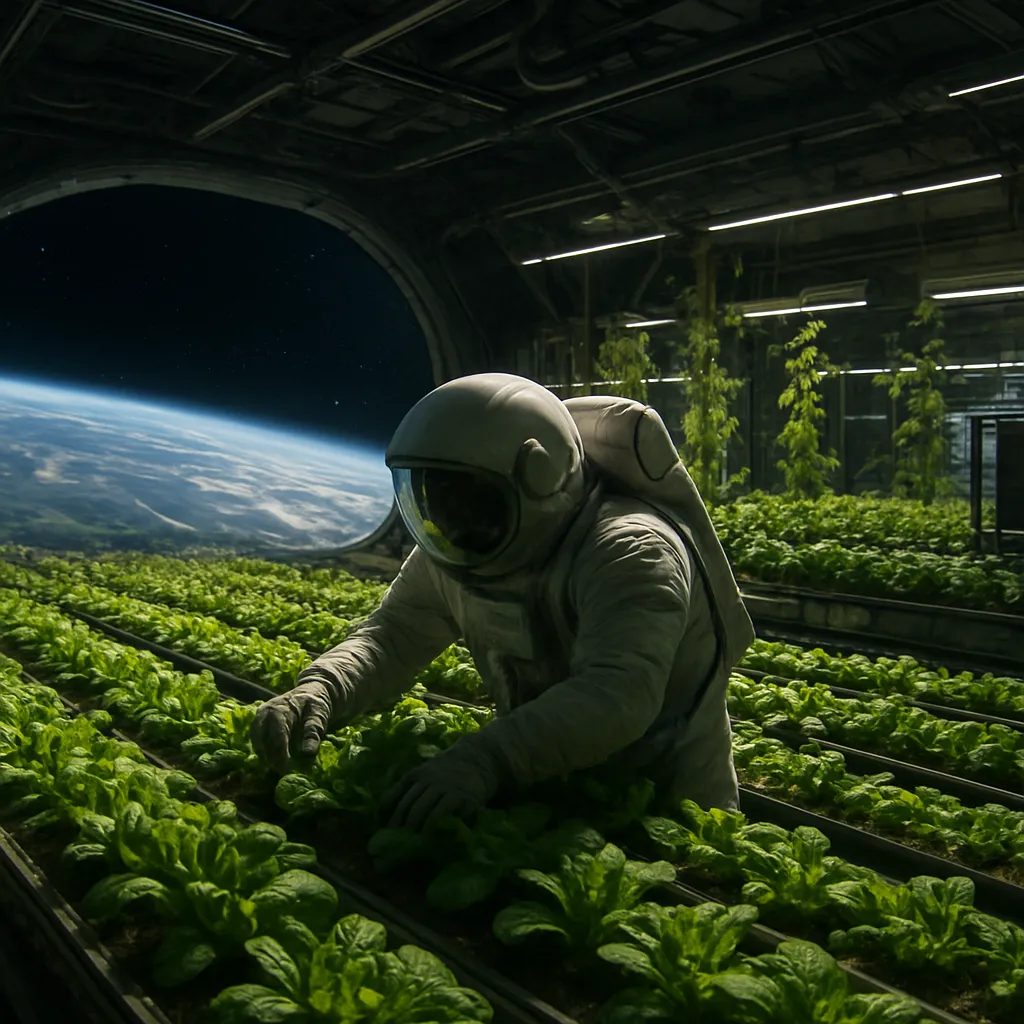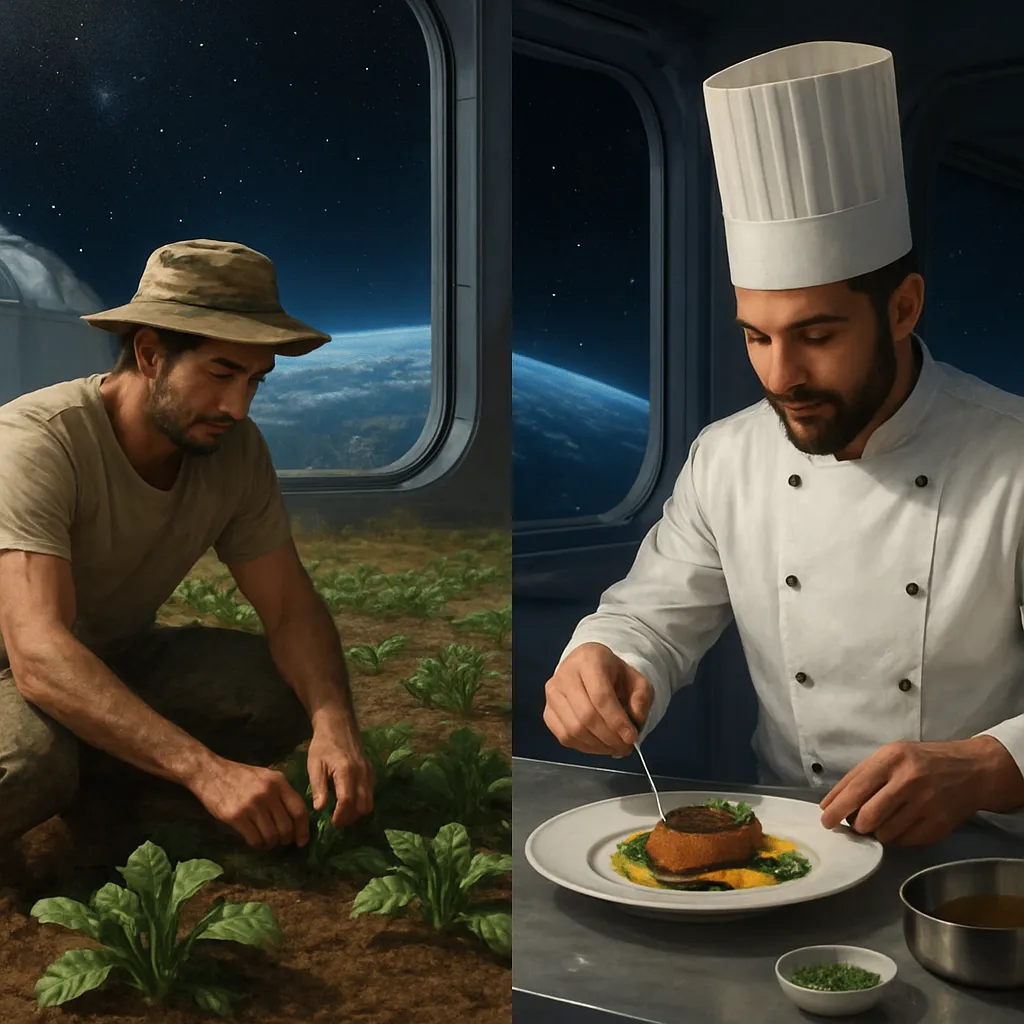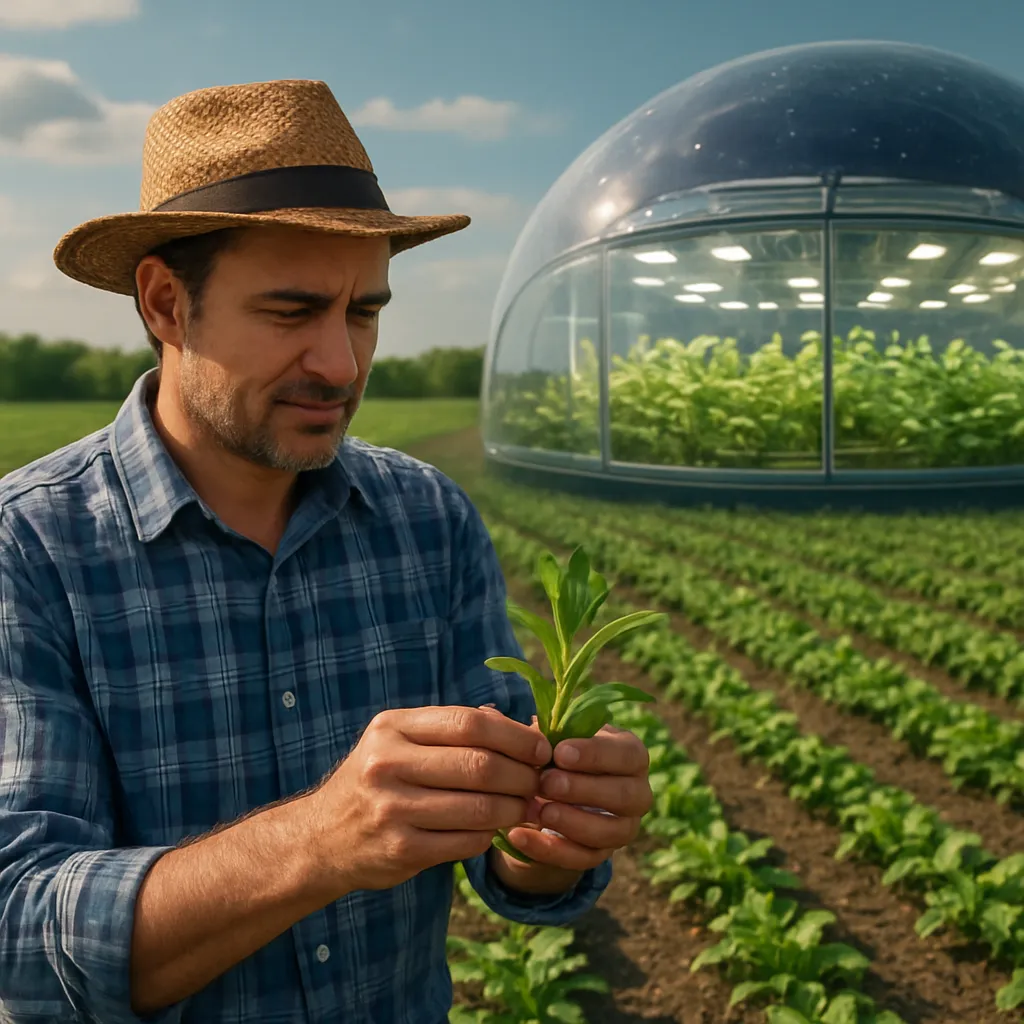
The exploration of space demands a radical transformation in how humanity approaches agriculture and food production. Lessons gleaned from Controlled Environment Agriculture (CEA) on Earth offer invaluable insights for establishing sustainable, efficient systems beyond our planet. This article examines pivotal strategies, technological innovations, and future directions in applying terrestrial CEA principles to off-world settlements.
The Transformation of Agricultural Systems
Global challenges such as resource depletion, climate change, and population growth have accelerated the development of advanced farming techniques. Among these, CEA stands out for its capacity to regulate every environmental variable—light, temperature, humidity, and nutrients—to optimize plant growth. While Earth-based CEA facilities strive for sustainability and high yields, similar principles will underpin extraterrestrial food systems.
Key Features of Terrestrial CEA
- Resource Efficiency: Precise control of water and nutrients reduces waste by up to 90% compared to open-field agriculture.
- Year-Round Production: Indoor environments free crops from seasonal constraints, ensuring steady harvests.
- Pest and Disease Management: Sealed systems minimize exposure to pathogens, cutting pesticide use dramatically.
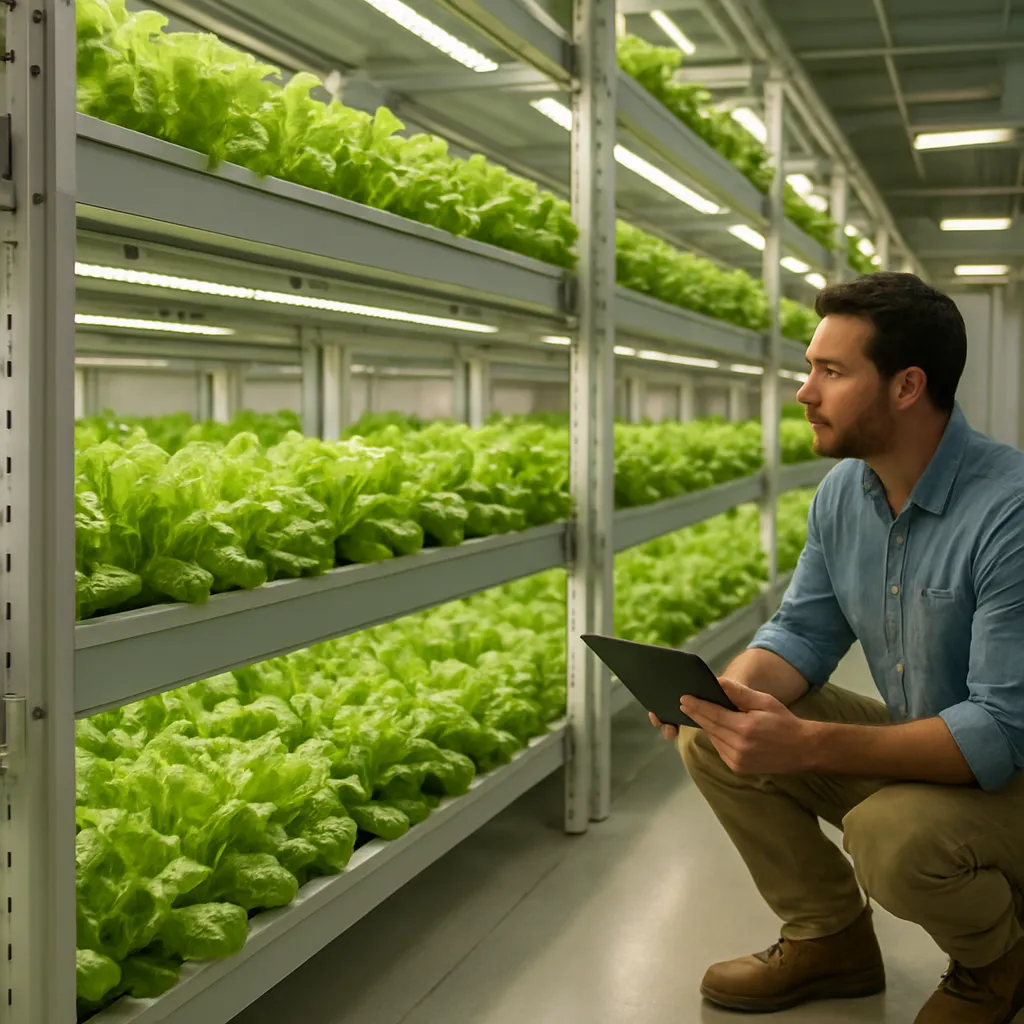
- High Yield Density: Vertical stacking and optimized layouts maximize production per square meter.
- Data-Driven Control: Sensors and AI algorithms continually adjust conditions to maintain optimal growth parameters.
Challenges on Earth as Analogues for Space
Although terrestrial CEA addresses many limitations of conventional farming, operators face significant hurdles that mirror those in space-based agriculture:
- Energy Demand: Artificial lighting and HVAC systems constitute the bulk of operational costs.
- Technical Complexity: Highly automated facilities require specialized skills for maintenance and troubleshooting.
- Initial Capital: Construction and equipment costs present financial barriers for widespread adoption.
- System Redundancy: Ensuring reliability through backup systems is critical but expensive.
Translating CEA Innovations for Space Habitats
Designing agricultural modules for the Moon, Mars, or orbital stations necessitates adaptations of Earth-based CEA. The goal is to create closed-loop ecosystems that recycle water, nutrients, and even air, thereby enhancing resilience in hostile environments.
Water and Nutrient Cycling
On Earth, hydroponics and aeroponics have revolutionized vertical farming. These soilless systems lend themselves well to space applications, where mass and volume are at a premium.
- Hydroponic Systems: Nutrient-rich solutions circulate through crop beds. Water recapture systems minimize losses.
- Aeroponic Systems: Roots are misted with nutrient aerosols. This approach further increases resource efficiency.
- Bioregenerative Loops: Waste biomass is converted into fertilizer via microbial digesters, closing nutrient cycles.
Lighting Strategies
Artificial lighting is the cornerstone of indoor agriculture. Space-bound operations must balance power consumption with spectral optimization.
- LED Technology: Tailored light spectra (red, blue, far-red) enhance photosynthesis and morphogenesis.
- Dynamic Photoperiods: Variable light cycles simulate day-night rhythms, promoting healthy growth.
- Energy Harvesting: Integration of photovoltaic cells could partially offset lighting demands.
Environmental Controls and Automation
Maintaining stability in microgravity or reduced gravity presents unique obstacles. Advanced automation helps mitigate human labor constraints and error risks.
- Closed-Loop Climate Systems: Regulate temperature, humidity, and CO2 concentration through real-time sensor feedback.
- Robotic Agronomy: Automated planting, pruning, and harvesting systems reduce astronaut time commitments.
- AI-Driven Decision Support: Machine learning models predict plant responses and adjust parameters proactively.
Expanding Horizons: Future Directions in Space Agriculture
To support long-duration missions and extraterrestrial colonies, agricultural modules must evolve beyond simple crop factories. Integrating CEA lessons with emerging research will pave the way for truly self-sustaining habitats.
Diversification of Crop Portfolios
A resilient space agriculture system requires a variety of plants for nutrition, psychological well-being, and ecosystem stability.
- Staple Crops: Potatoes, wheat, and rice offer caloric density.
- Leafy Greens: Lettuce, spinach, and kale provide essential micronutrients.
- Fruit-Bearing Plants: Strawberries and dwarf tomatoes add dietary diversity and morale boosts.
- Medicinal Herbs: Basil, mint, and ginger can support crew health.
Integration with Life Support Systems
Plants perform critical functions beyond food production. Incorporating CEA modules into life support designs can close gas and water loops.
- Oxygen Regeneration: Photosynthesis supplies breathable air while sequestering CO2.
- Water Purification: Transpiration recovery systems extract and recycle moisture.
- Waste Bioprocessing: Organic waste feeds microbial reactors that regenerate nutrients for crops.
Enhancing Genetic and Phenotypic Adaptation
Tailoring crops for extraterrestrial conditions involves both traditional breeding and advanced biotechnologies.
- Gene Editing: CRISPR/Cas9 can introduce traits for compact growth, stress tolerance, and nutrient efficiency.
- Selective Breeding: Rapid-cycling cultivars reduce generation times and accelerate adaptation.
- Symbiotic Microbiomes: Designer microbial consortia improve nutrient uptake and disease resistance.
Leveraging Cross-Disciplinary Collaboration
The intersection of technology, biology, and engineering is key to refining off-world agricultural systems. Partnerships among space agencies, academic institutions, and private enterprises accelerate innovation.
- Testbeds on Earth: Underground labs, polar stations, and desert greenhouses serve as analogues for Martian or lunar conditions.
- International Consortia: Sharing data and resources streamlines development and reduces duplication.
- Open-Source Platforms: Collaborative software and hardware designs democratize access to cutting-edge CEA solutions.
Building upon the foundation of terrestrial CEA, space agriculture will continuously evolve to meet the challenges of interplanetary settlement. Through strategic integration of resource-efficient systems, automated controls, and diversified crop portfolios, humans can establish resilient food supplies across the solar system.