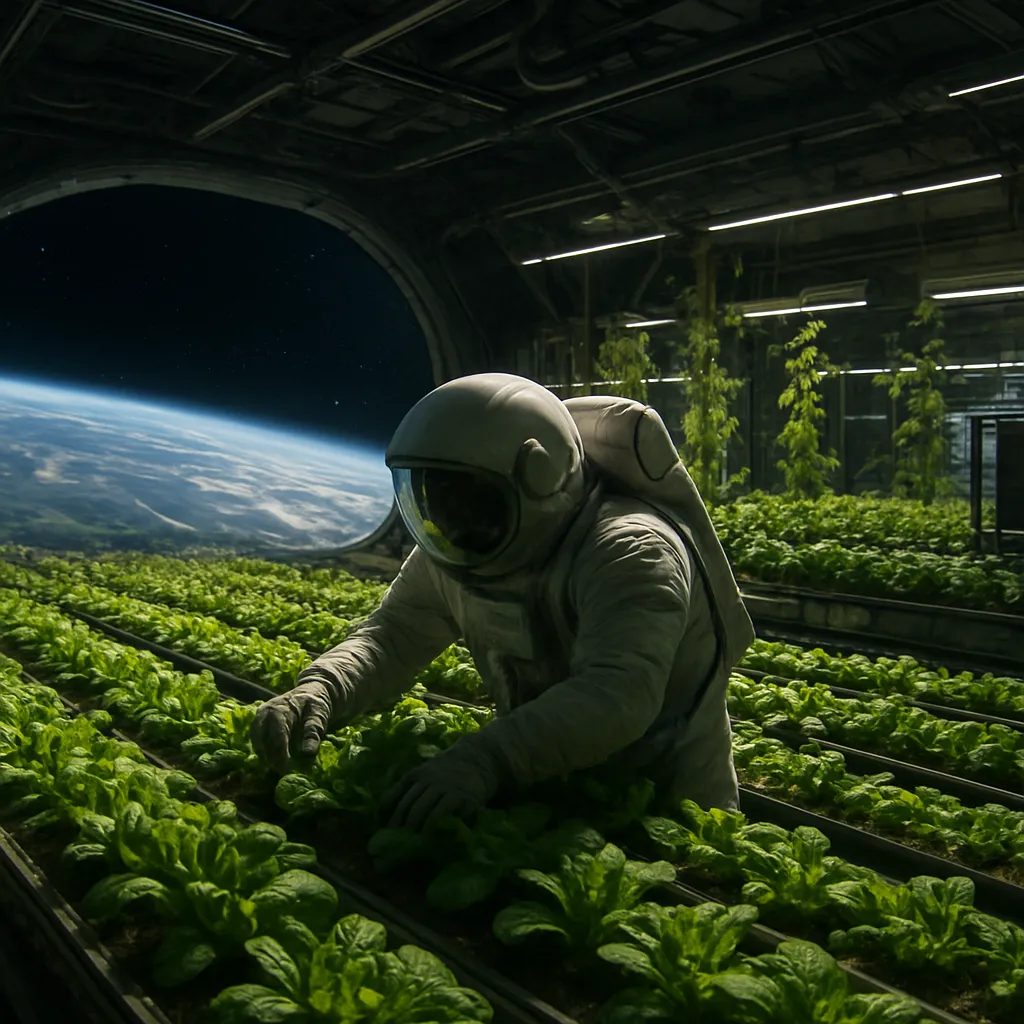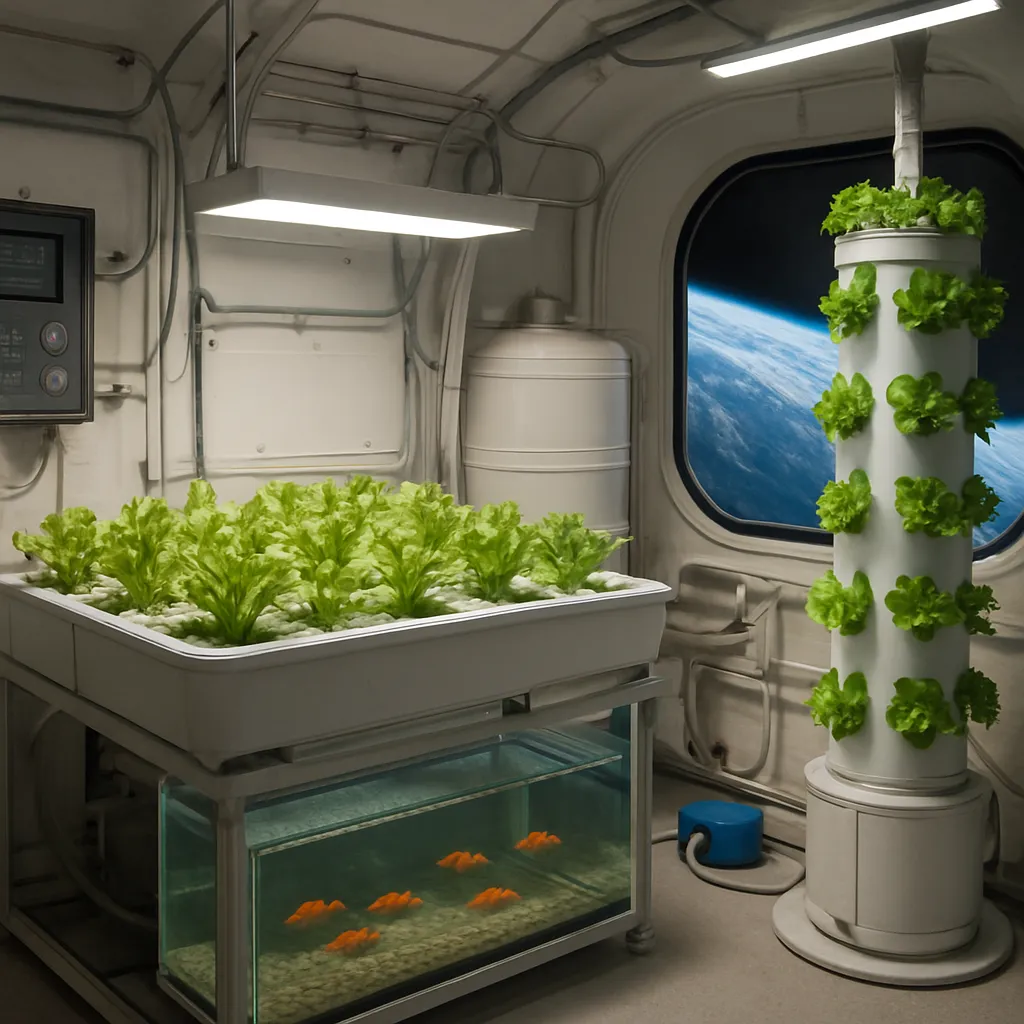
The convergence of aquaponics and space habitat design heralds a new era in sustainable life support. By uniting aquaculture and hydroponics within a closed-loop framework, future missions can cultivate fresh produce and protein sources while minimizing resource consumption. This article delves into the technical, biological, and engineering aspects that underscore the viability of aquaponic modules aboard spacecraft and planetary bases.
Integration of Aquaponics into Space Habitats
Adapting terrestrial aquaponic techniques to extraterrestrial environments demands careful consideration of microgravity, radiation shielding, and spatial constraints. On Earth, an aquaponic system relies on natural nitrification cycles and steady fluid dynamics, but in orbit or on the lunar surface, fluid behavior alters dramatically. To address these challenges:
- Maintain stable water flow using magnetically driven pumps or capillary-based channels that exploit surface tension in microgravity.
- Employ modular, interchangeable units to simplify repair and accommodate variable crew sizes.
- Incorporate multi-layer cultivation racks to maximize biomass per cubic meter of habitat volume.
NASA’s studies aboard the ISS have demonstrated that biofiltration beds can function effectively when designed with angled media beds and wicking layers. Such innovations ensure that wastewater from fish tanks circulates through plant roots, facilitating nutrient uptake and water purification.
System Architecture and Engineering Considerations
Aquaponic integration demands a robust biosupport backbone capable of managing environmental controls, fluid loops, and sensor networks. Key components include:
- Fish Culture Unit: Typically houses tilapia or goldfish due to their hardiness and high protein yield. Tanks must sustain dissolved oxygen levels above 5 mg/L and maintain temperatures between 22–28 °C.
- Plant Growth Module: Incorporates light panels emitting tailored spectra for photosynthesis, along with humidity and CO₂ regulation to foster rapid leaf and fruit development.
- Water Reclamation Circuit: Integrates membrane filters, UV sterilizers, and denitrification reactors to ensure water quality remains within strict thresholds for both fish and plants.
- Control and Automation Hub: Houses programmable logic controllers (PLCs), machine vision systems, and remote telemetry that enable crew to monitor pH, electrical conductivity (EC), and nutrient concentrations in real time.
Mass, Volume, and Energy Budgets
Transporting heavy fluids and large structural components into space presents significant launch-cost implications. To optimize mass and volume:
- Utilize inflatable or deployable cultivation chambers manufactured from lightweight composites.
- Recycle structural water by linking fish waste circuits directly to crew wastewater treatment, minimizing additional water resupply.
- Design energy-efficient LED arrays consuming fewer than 2 W per liter of plant bed volume.
Power supplied by solar arrays or nuclear reactors must support lighting, circulation pumps, and environmental controls. Achieving an energy consumption below 0.5 kW per square meter of plant growth area is critical for long-duration missions.
Nutrient Cycling and Biological Balance
Successful aquaponic operation hinges on the establishment of stable microbial communities within biofilters. The fundamental reaction chain transforms fish excreta into plant-available nutrients:
- Ammonia excreted by fish enters the water column and is oxidized by Nitrosomonas bacteria into nitrite.
- Subsequent oxidation by Nitrobacter yields nitrate, the primary nutrient absorbed by plant roots.
- Excess nitrate and unutilized organics are captured by plant biomass or diverted to supplemental denitrification reactors, preventing toxic buildup.
Maintaining pH between 6.8 and 7.2 is crucial, as microbial efficiency and plant nutrient uptake decline sharply when conditions deviate. Regular sampling allows for precise addition of buffering agents and micronutrients like iron, magnesium, and trace elements.
Fish-Plant Symbiosis
In microgravity, fish experience altered swimming patterns. Tank design must include flow-inducing structures—baffles and angled surfaces—to guide debris and fecal matter toward sedimentation zones. Plant root mats shielded by geotextile fabrics can then intercept nutrients without becoming clogged. This arrangement ensures both aquaculture and horticulture components thrive in unison.
Operational Challenges and Future Development
Implementing aquaponics beyond Earth’s gravity introduces unique obstacles:
- Microbial Drift: In zero-g, biofilm growth can clog filters; periodic backflushing protocols must be automated to prevent flow disruptions.
- Radiation Exposure: High-energy particles can impair plant DNA and microbial populations. Shielded growth chambers or subterranean greenhouses on Mars may be required.
- System Redundancy: Fault-tolerant design with duplicate pumps, sensors, and power lines ensures continued operation during equipment failures.
- Crew Workload: Autonomous controls and AI-driven maintenance schedules reduce the daily labor burden, freeing astronauts for mission-critical tasks.
Future research pathways include genetic optimization of plant varieties for accelerated growth and compact architecture, as well as exploration of alternative fish species with lower metabolic rates suited for partial gravity environments. Partnerships between space agencies and agricultural innovators will yield hybrid bioreactors capable of producing up to 50 kilograms of fresh biomass per month, dramatically enhancing crew nutrition and psychological well-being.