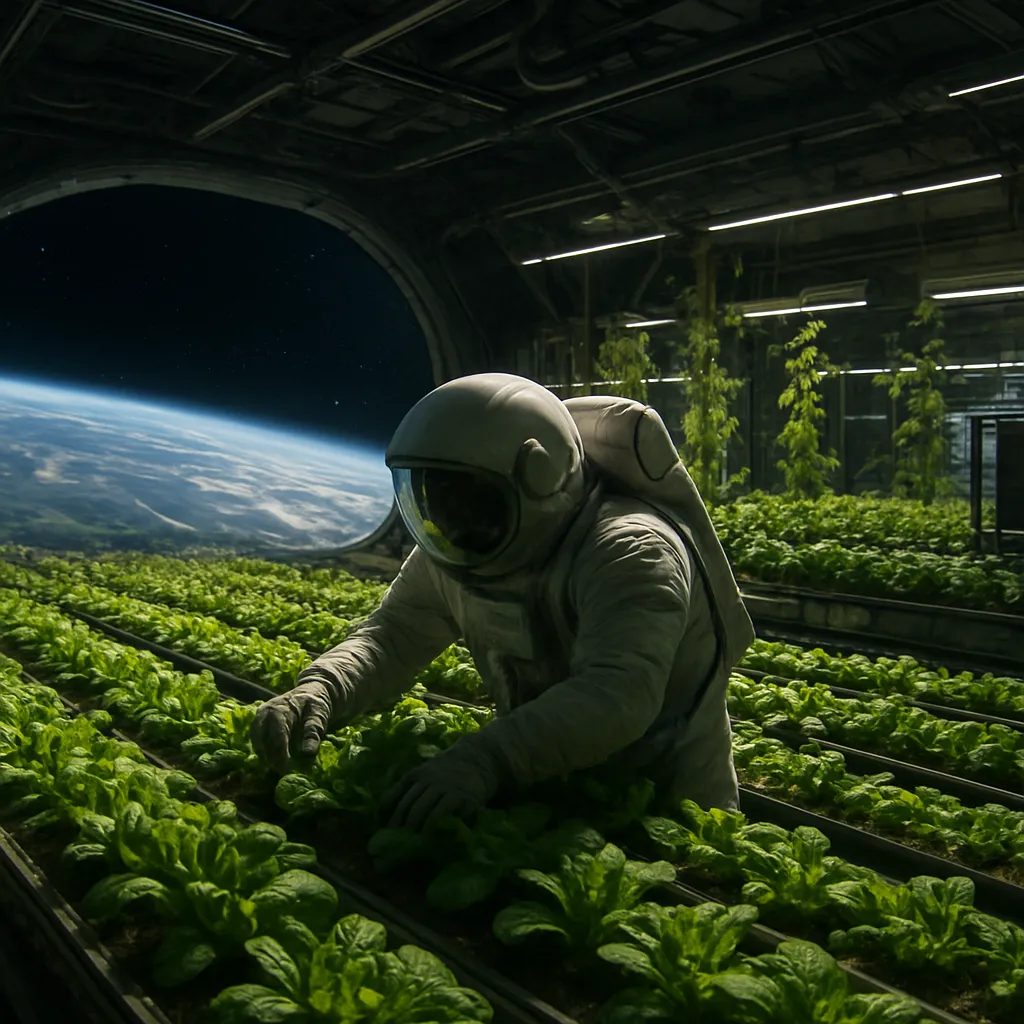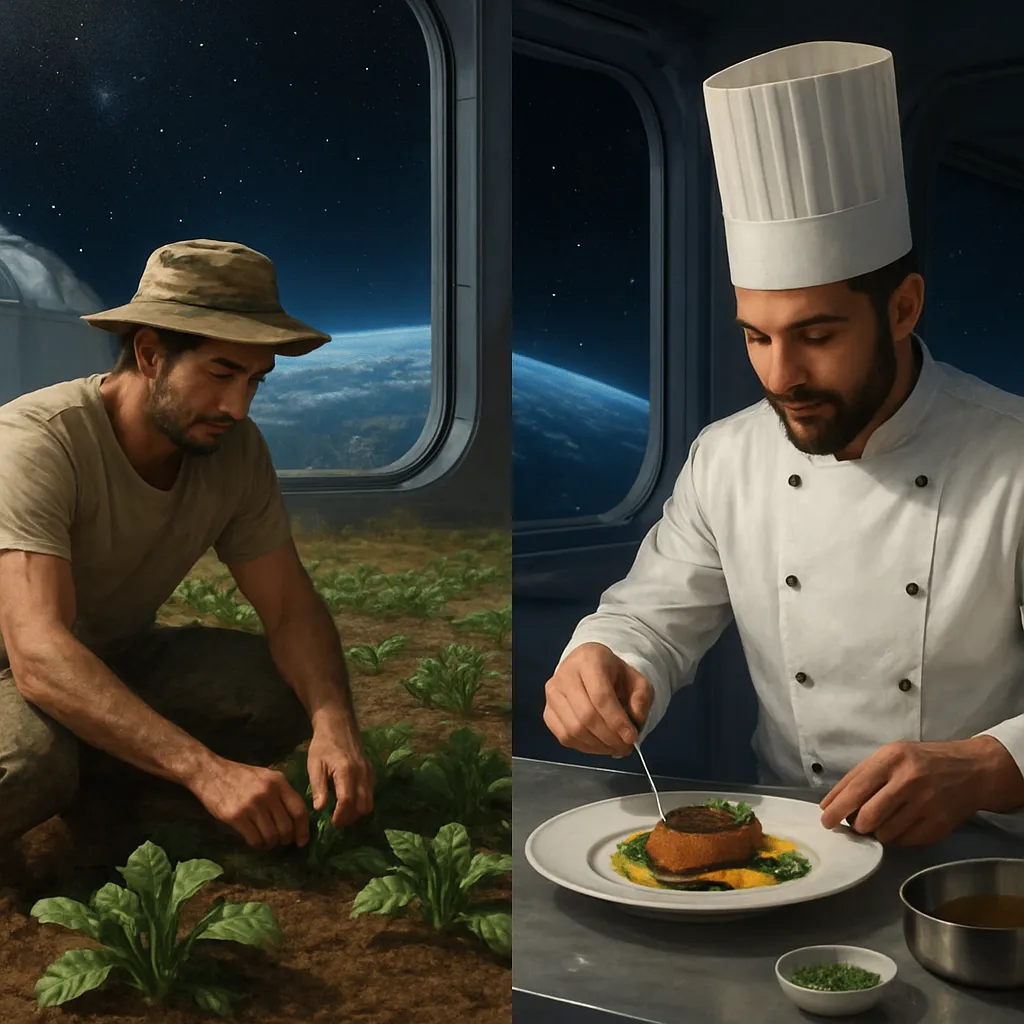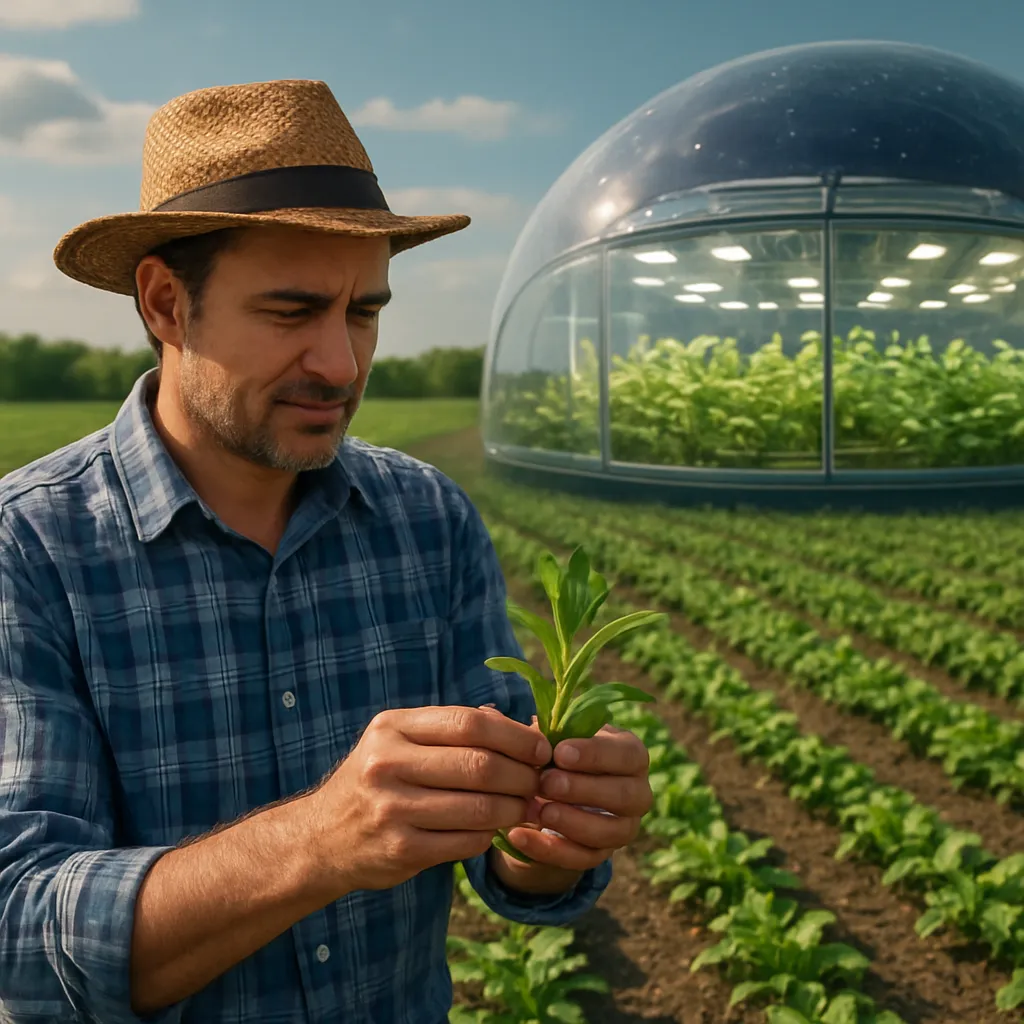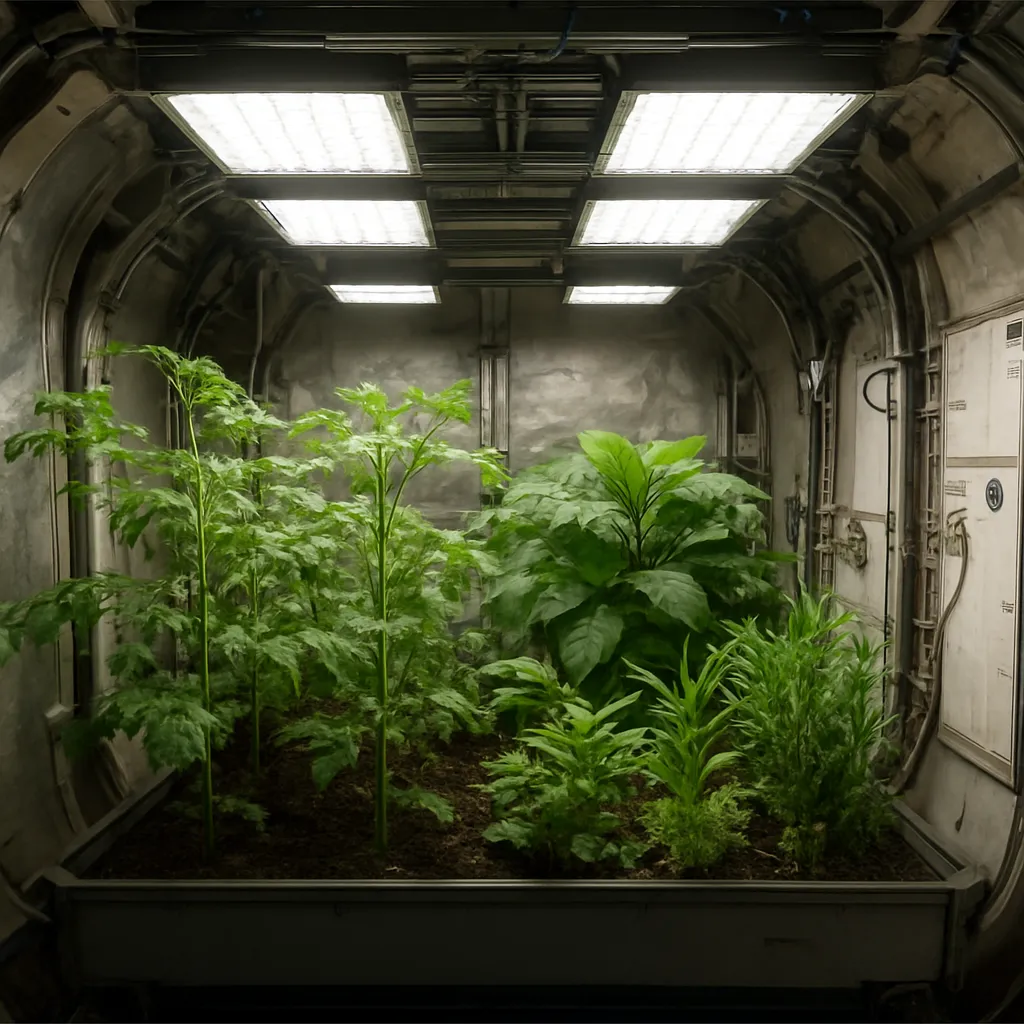
Exploring the unique interaction between plants and light in extraterrestrial environments offers invaluable insights for advancing agricultural practices beyond Earth. Understanding how vegetation adapts to unconventional light cycles is essential for establishing reliable food production systems in orbital stations, lunar bases, and Martian habitats. This article delves into key physiological, molecular, and engineering aspects that shape plant growth under controlled illumination in space.
Light Environments in Microgravity Facilities
The absence of a stable gravitational vector dramatically alters plant orientation and fluid distribution within cells. In orbital greenhouses and experimental modules aboard spacecraft, precise control of LED lighting spectra and intensity is critical. Unlike terrestrial fields where sunlight shifts gradually, space stations rely entirely on artificial sources to emulate day–night transitions. Maintaining optimal light regimes supports photosynthesis, preserves energy budgets, and regulates developmental cues.
Spectrum, Intensity, and Photoperiod Management
- Blue and red wavelengths: Target specific chlorophyll absorption peaks.
- Green and far-red supplementation: Enhance canopy penetration and photomorphogenesis.
- Dynamic dimming cycles: Mimic dawn and dusk to synchronize plant clocks.
- Photon flux densities: Calibrated per species to balance growth rate and resource use.
Implementing variable light schedules in microgravity also addresses the challenge of limited power availability. Advances in photovoltaic arrays and energy storage systems enable sustainable operation of horticultural units. By tailoring illumination to plant developmental stages, operators can optimize resource efficiency and reduce overall system mass—an essential consideration for interplanetary missions.
Photoreceptors and Circadian Regulation in Space-Grown Crops
Plants rely on specialized proteins called photoreceptors to perceive light quality and quantity. Cryptochromes, phototropins, and phytochromes orchestrate signaling cascades that drive physiological adjustments. Under altered gravity, these pathways can experience shifts in sensitivity and timing, impacting gene expression involved in growth, flowering, and stress responses.
Impact of Altered Light Cycles on Molecular Clockwork
The internal timekeeping mechanism, or circadian rhythms, governs periodic processes such as stomatal opening, carbohydrate metabolism, and hormone production. Research conducted on the International Space Station has demonstrated that plants exposed to non-standard light–dark periods exhibit phase shifts and amplitude changes in clock gene transcripts. These modifications can translate into uneven biomass accumulation or compromised photoprotection under high irradiation.
- Expression profiling: Reveals upregulation of stress-related genes under prolonged photoperiods.
- Hormonal crosstalk: Abscisic acid and gibberellin levels fluctuate with altered cycles.
- Growth regulators: Exogenous application may offset circadian misalignment.
Addressing these molecular perturbations requires precise synchronization of light signals. By fine-tuning pulse durations and spectral ratios, experimenters can realign circadian outputs and ensure stable yields. This approach also sheds light on fundamental adaptation strategies that plants deploy under novel environments.
Engineering Lighting Systems for Extraterrestrial Agriculture
Developing robust cultivation chambers involves integrating advanced hydroponic platforms with adaptive illumination technologies. Closed-loop nutrient delivery, environmental monitoring, and automated control systems form the backbone of space-based farms. Among these, light modules represent both a power-intensive component and a prime driver of productivity.
Modular LED Arrays and Adaptive Control
- High-efficiency diodes: Reduce thermal output and conserve energy.
- Wireless networking: Enable remote adjustment of light patterns.
- Feedback loops: Use plant sensor data to modulate intensity in real time.
- Scalable designs: Permit expansion of cultivation area without rewriting software protocols.
One of the most promising innovations is the integration of multispectral LEDs with computer vision. Cameras and chlorophyll fluorescence sensors detect canopy health, adjusting light recipe to preempt stress. Such systems not only boost biomass accumulation but also contribute to long-term sustainability by minimizing waste and facilitating nutrient recycling.
Thermal Management and Structural Constraints
Heat dissipation in microgravity poses unique challenges, as convective airflows differ significantly from Earth conditions. Designing heat sinks, fluid loops, and conductive materials requires careful consideration of spacecraft architecture. Ensuring uniform temperature distribution across growth trays supports consistent light exposure and prevents hotspots that could damage sensitive tissues.
Challenges and Future Horizons in Space Crop Cultivation
While significant progress has been made, numerous challenges remain before large-scale space agriculture becomes routine. Managing microbial communities, preventing photoinhibition, and scaling production to support long-duration missions are key objectives for researchers and engineers alike.
Microbial Interactions and Plant Health
- Beneficial rhizobacteria: Promote nutrient uptake and disease resistance.
- Pathogen containment: Mitigate risks of mold under humid lighting conditions.
- Probiotic formulations: Enhance plant resilience in closed systems.
Investigation into plant–microbe symbioses under artificial light regimes will inform strategies for soil-less cultivation on Mars, where in-situ resource utilization is paramount. Coupled with optimized photoperiod manipulation, such approaches could yield robust harvests throughout extended missions.
Extended Photoperiods and Energy Optimization
Exploring continuous or near-continuous lighting cycles presents both opportunities and trade-offs. While prolonged exposure can accelerate growth, it may disrupt photosynthesis efficiency and exhaust cellular repair mechanisms. Balancing energy input with physiological demands remains a core research focus. Novel materials that convert stray light into additional usable wavelengths could further enhance overall system performance.
Beyond immediate applications, insights gained from extraterrestrial agriculture have the potential to revolutionize terrestrial farming. Low-energy LED arrays, precision lighting protocols, and resource-recycling methods developed for space habitats can be adapted to urban vertical farms, remote communities, and climate-challenged regions.