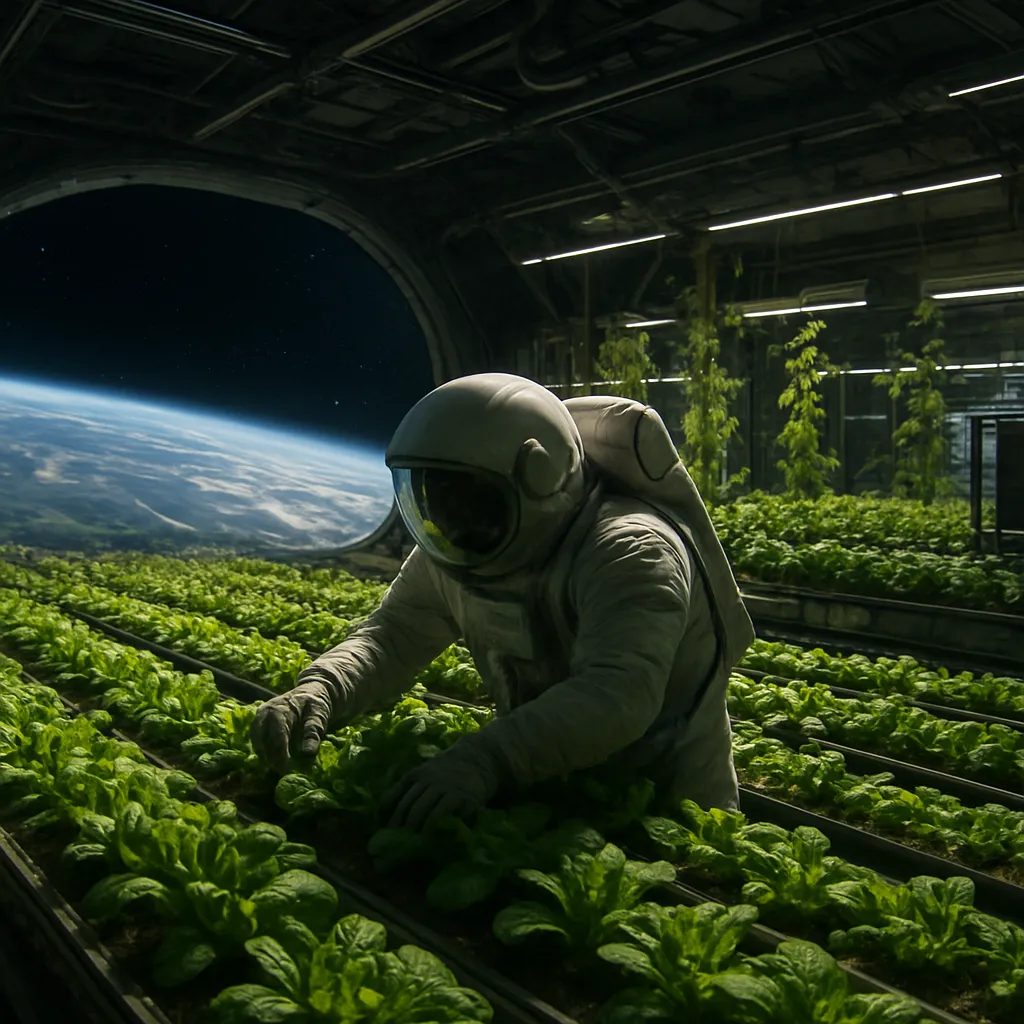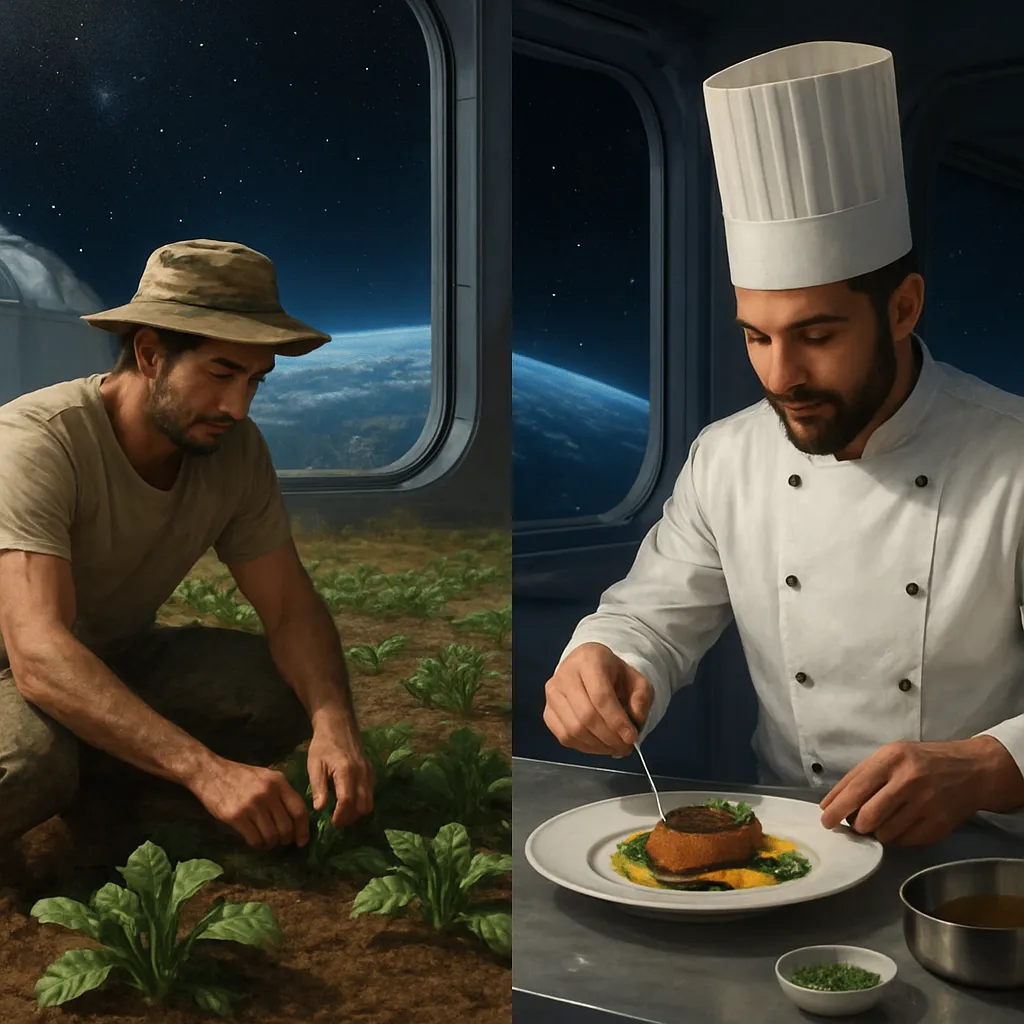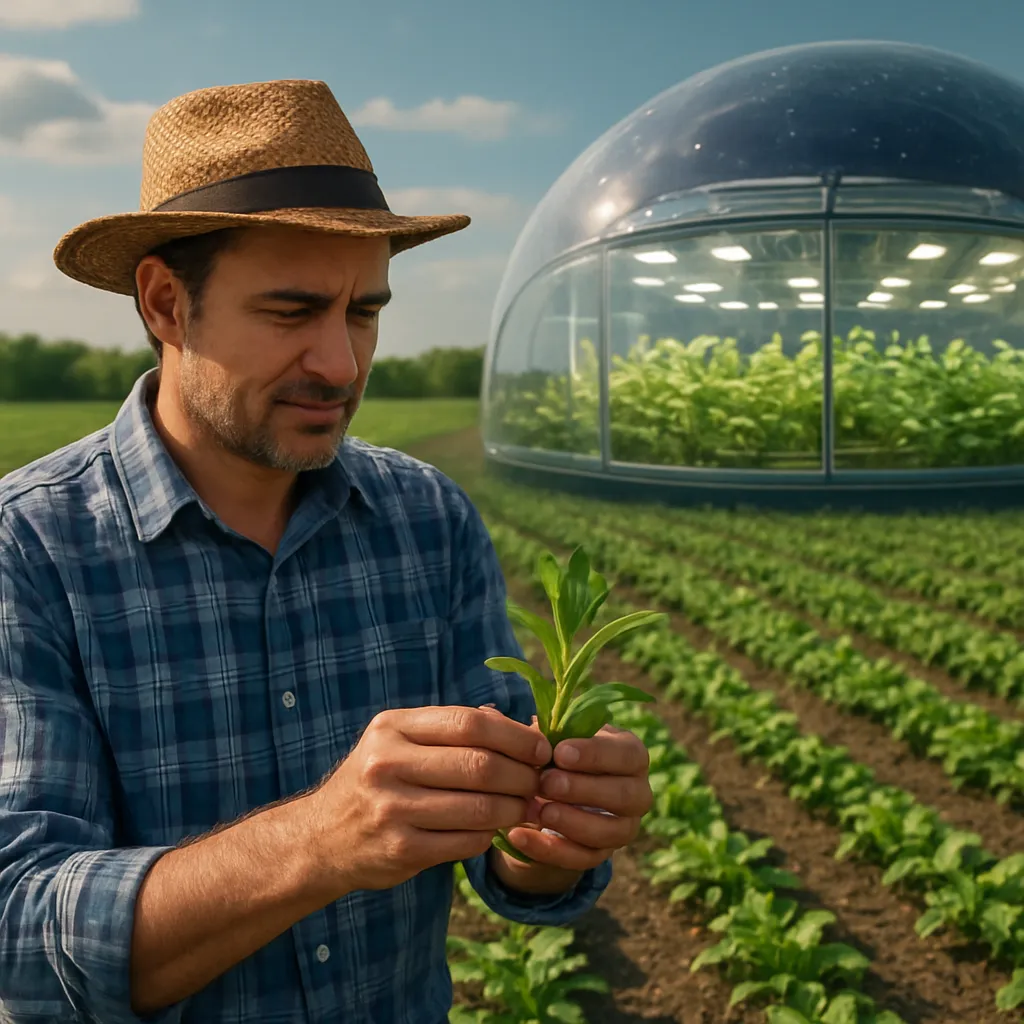
Exploring the frontier of space agriculture demands a fusion of biological insight and computational prowess. With the rise of long-duration missions and planned settlements beyond Earth, researchers are harnessing data science to transform barren modules into thriving green ecosystems. This interdisciplinary approach leverages machine learning models and advanced analytics to optimize plant growth, reduce resource waste, and enhance crew nutrition under extraterrestrial conditions.
Overview of Space Agriculture and Data Science
Space agriculture refers to the cultivation of crops in microgravity or reduced-gravity environments, including the International Space Station, lunar bases, and Martian outposts. Traditional farming techniques are insufficient under these constraints: limited water supply, altered atmospheric composition, and radiation exposure pose significant hurdles. Integrating big data gathered from environmental sensors, growth chambers, and orbital platforms, scientists can adjust key parameters in real time. High-throughput phenotyping, combined with remote sensing tools like satellite imagery, reveals subtle trends in plant health and nutrient uptake that would be impossible to observe manually.
By adopting an adaptive feedback framework, data streams inform control systems that regulate lighting, humidity, and nutrient delivery. Continuous data acquisition accelerates experimental cycles, enabling rapid iteration on growth protocols. This blend of biology and computation accelerates our understanding of how crops respond to space-specific stressors.
Key Data Science Techniques in Orbital Farming
Advanced computational strategies are central to maintaining robust yields in constrained environments. Below is a list of essential methods:
- sensor integration combining multispectral imaging, thermal cameras, and microgravity-adapted hygrometers
- predictive modeling for estimating harvest timelines based on environmental fluctuations
- real-time anomaly detection using statistical control charts and threshold-based alerts
- automated image analysis to quantify leaf area, chlorophyll content, and growth rates
- continuous optimization loops powered by reinforcement learning algorithms
These techniques enable an autonomous growth chamber to operate with minimal human intervention, crucial for deep-space missions where crew time is at a premium.
Sensor Integration and Monitoring
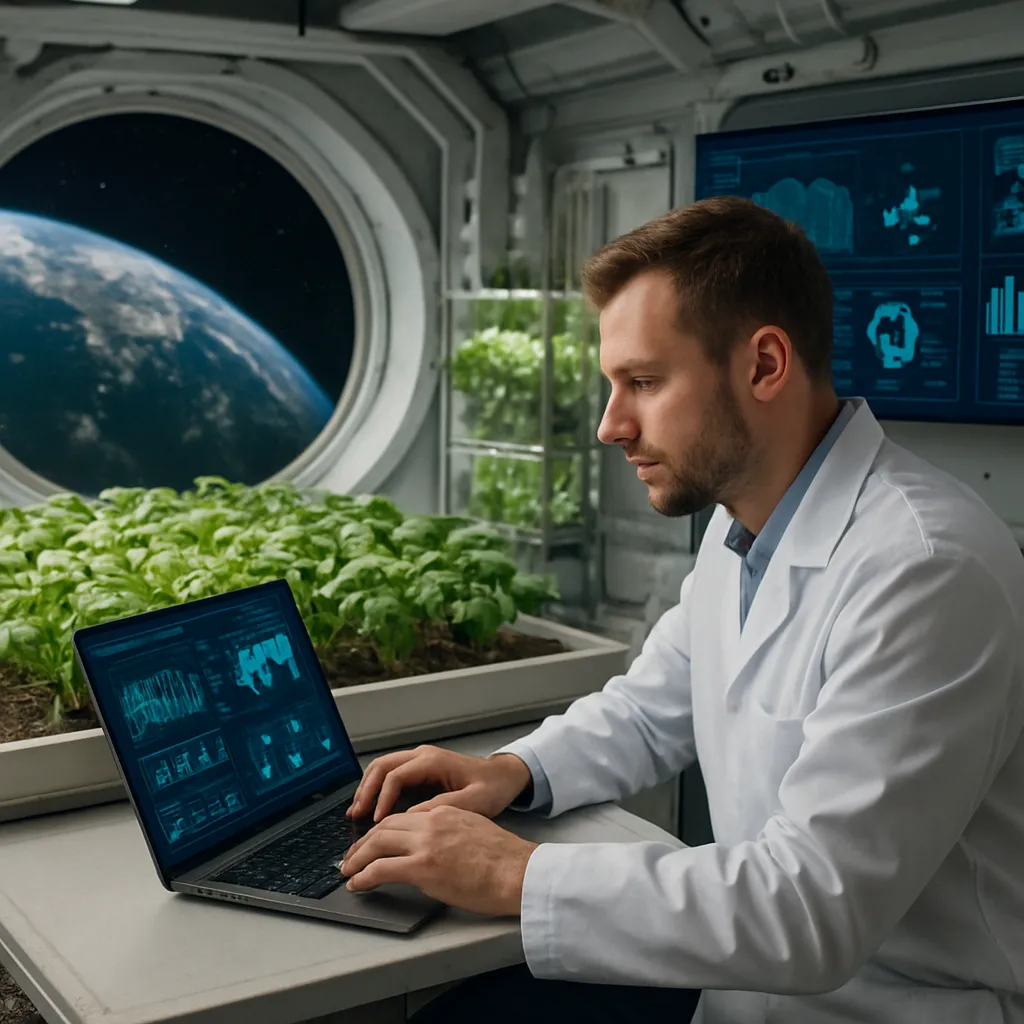
In a closed-loop agricultural module, an array of miniature devices collects environmental readings hundreds of times per second. Data pipelines aggregate humidity, CO₂ concentration, nutrient solution pH, and light intensity for centralized processing. Employing crop health monitoring dashboards, engineers visualize trends and receive automated recommendations. Time-series analysis reveals diurnal patterns in stomatal conductance, prompting adaptive light cycles that mimic terrestrial sunrise and sunset. By correlating these metrics with growth milestones, teams can refine nutrient formulas for each species under cultivation.
Predictive Modeling and AI-driven Simulations
Simulating plant-environment interactions in silico reduces the number of physical trials needed on orbit. Researchers use simulation algorithms trained on historical mission data to forecast how changes in irradiance or water availability impact biomass accumulation. Multivariate regression and neural network models predict stress responses, guiding proactive adjustments. For example, a crew preparing to plant wheat on Mars might run hundreds of digital scenarios overnight, selecting the optimal seeding density and irrigation schedule before activating the hydroponic system in the habitat.
Applications in Closed-loop Life Support Systems
Space agriculture is not solely about food production; it plays a pivotal role in recycling air and water. Plants absorb CO₂ exhaled by astronauts and release oxygen through photosynthesis, creating a self-sustaining atmosphere. Using controlled environment agriculture principles, data-driven processes regulate transpiration rates to maximize water recovery from leaf surfaces. Nutrient recirculation loops track the fate of minerals, ensuring no vital element is lost. By balancing inputs and outputs, mission planners reduce payload mass and resupply frequency.
Additionally, crop residues can be processed by microbial bioreactors to generate biofuels or biodegradable materials for in-situ resource utilization. Integrating biological and chemical data sources ensures efficient conversion pathways, closing multiple loops in a comprehensive life support ecosystem.
Challenges and Future Directions of Data-Driven Space Agriculture
Despite impressive advances, numerous obstacles remain. Data transmission delays between Earth and lunar or Martian stations complicate real-time control. Onboard computing resources are limited by power and size constraints, curbing the complexity of algorithms that can run in situ. Radiation can corrupt sensitive electronics and data storage, necessitating robust error-correction protocols. Additionally, the microgravity environment alters fluid dynamics, making sensor calibration a continuous task.
Future research will focus on lightweight edge computing solutions capable of running advanced artificial intelligence models without constant ground support. Swarm networks of low-power devices might monitor vast arrays of microgreen trays, each node sharing insights to improve overall system resilience. Advances in genomic data analysis could yield plant strains specifically engineered for extraterrestrial settings, further boosting crop yield optimization. As we venture beyond low Earth orbit, the synergy between high-fidelity experiments and predictive analytics will chart the path toward sustainable interplanetary agriculture.