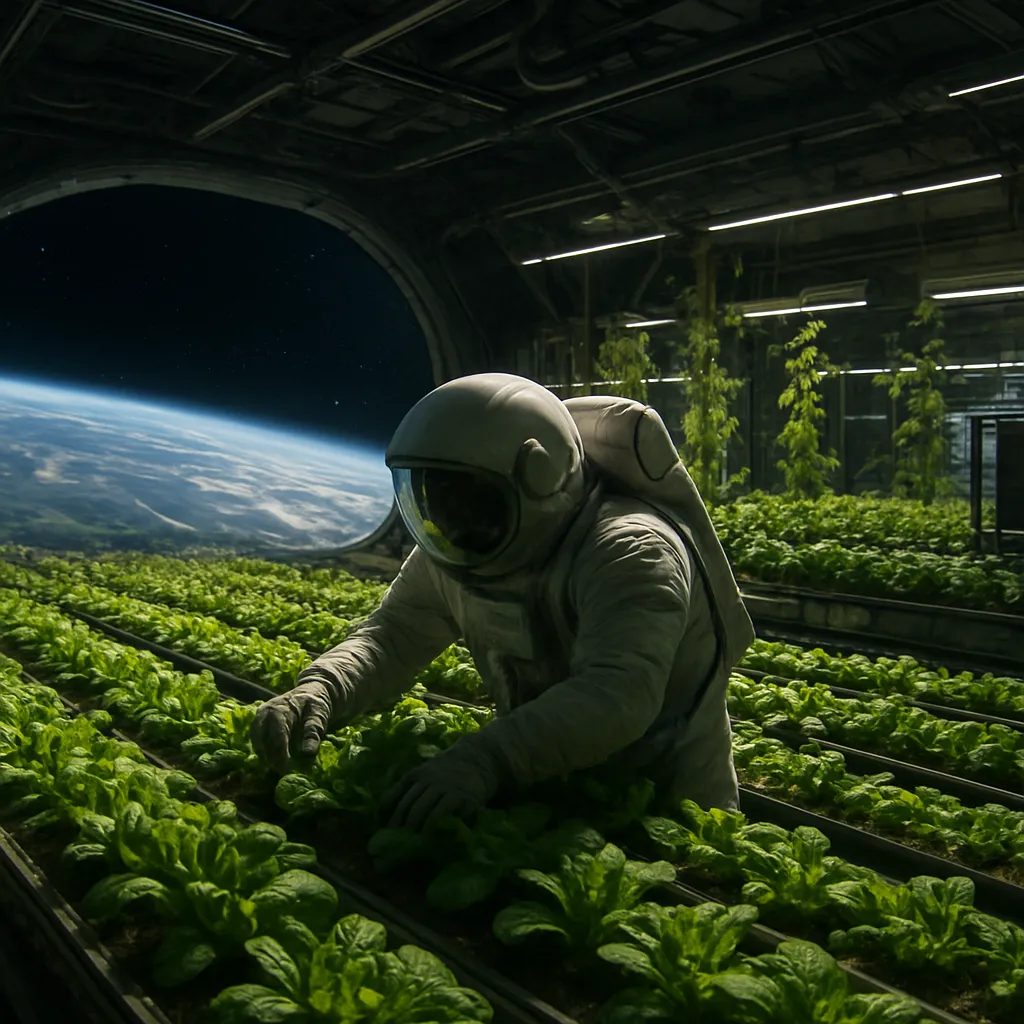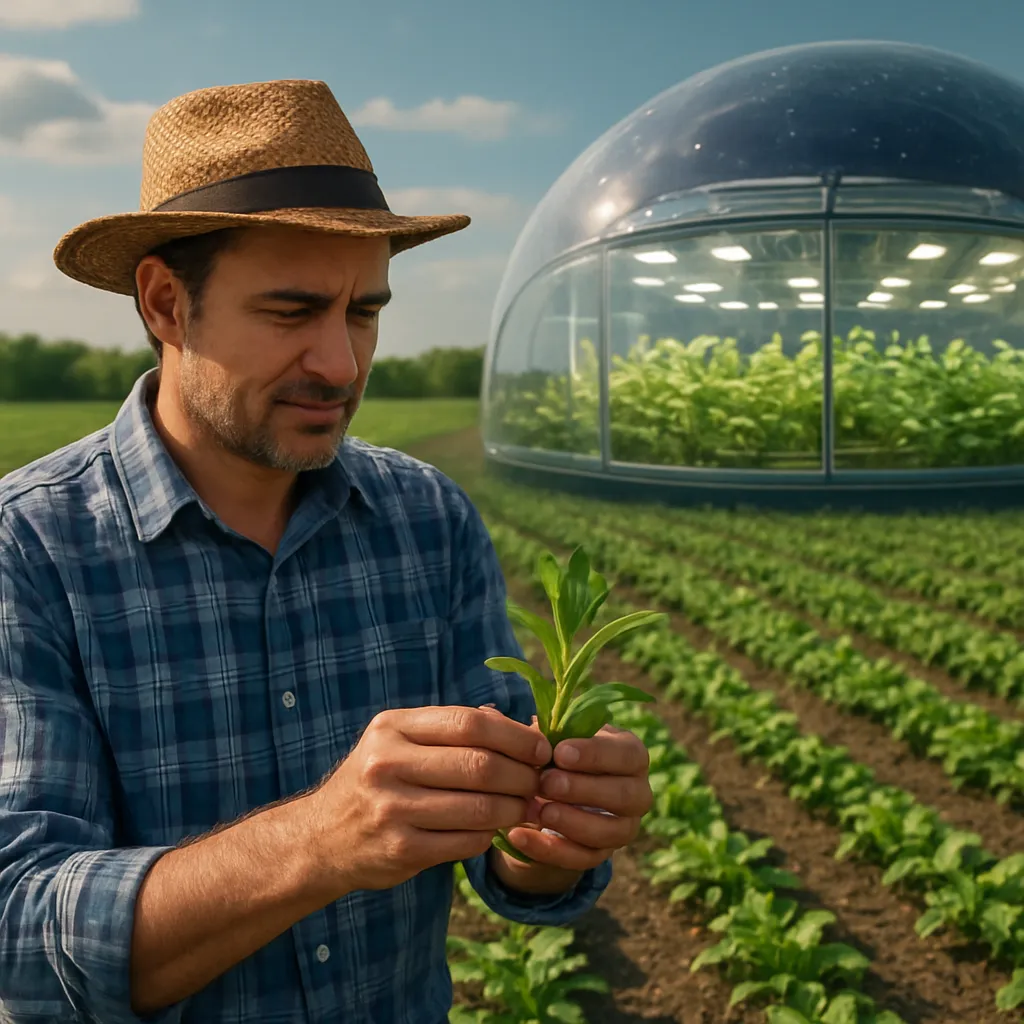
The intersection of space exploration and sustainable agriculture has given rise to innovative greenhouse concepts that rely heavily on automation and drone technology. As humanity pushes the boundaries of long-duration missions, the development of self-sufficient, robust cultivation systems becomes paramount. This article delves into the integration of automated processes, the role of advanced unmanned aerial vehicles, and the challenges that lie ahead for bioregenerative life support in extraterrestrial environments.
Integrating Automation Systems in Extraterrestrial Agriculture
Automation in space greenhouses is not merely an option; it is a necessity. With limited crew time and the need for maximal efficiency, automated control of environmental parameters—such as temperature, humidity, and light spectra—ensures optimal growth conditions with minimal human intervention.
Environmental Monitoring and Control
Planters outfitted with a network of sensors provide real-time data on nutrient concentrations, pH levels, and atmospheric composition. A centralized software suite analyzes incoming streams via AI-driven algorithms, adjusting water delivery and nutrient dosing precisely. This level of precision minimizes resource waste and reduces the chances of system failure, which in a closed-loop ecosystem could be catastrophic.
Robotic Plant Handling
- Automated seeders deposit precise quantities of seeds in hydroponic channels or growth substrates.
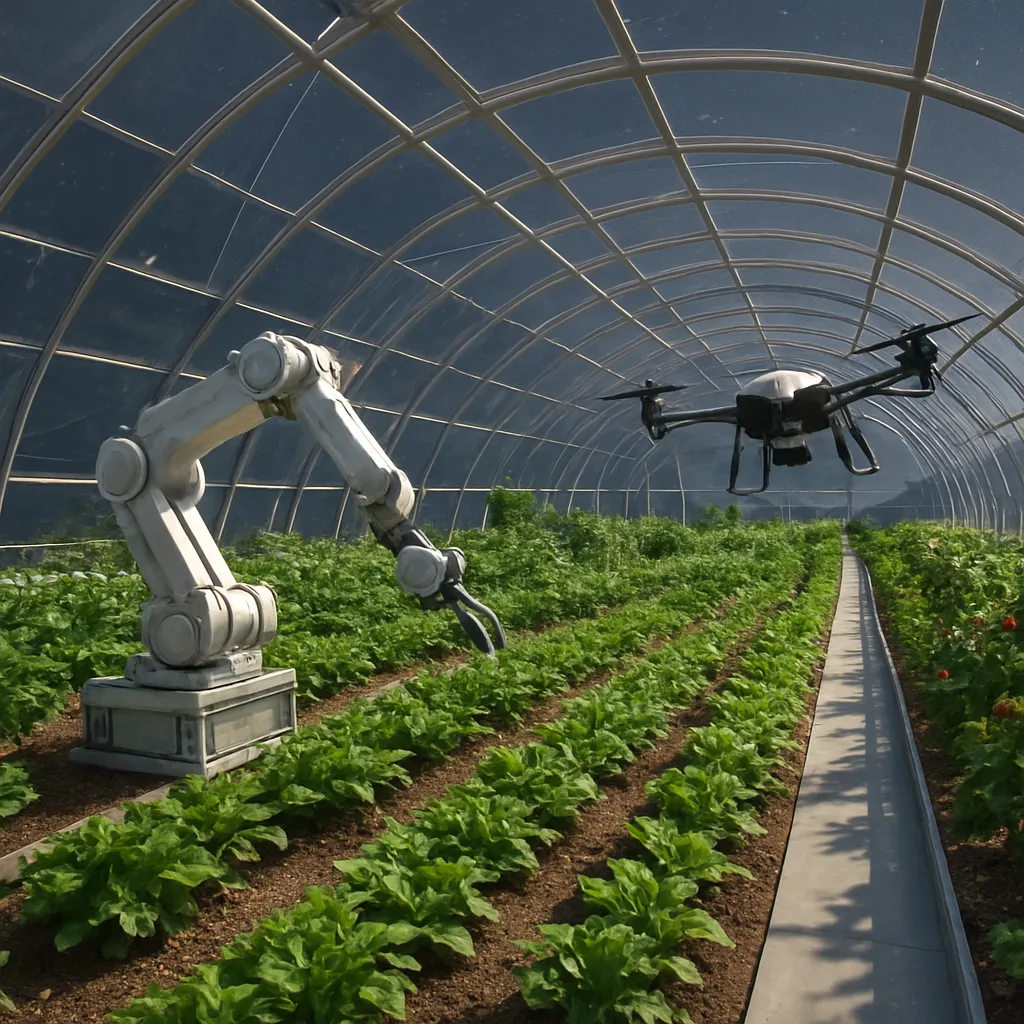
- Robotic arms perform pruning, pollination, and selective harvesting under computer vision guidance.
- Autonomous sample collectors retrieve tissue or soil samples for genetic or microbial analysis in onboard labs.
These robotic elements function under a hierarchical mission plan. High-level task scheduling allocates routine tasks and emergency responses, while low-level controllers manage real-time motion and feedback loops, ensuring reliability in a microgravity or partial-gravity environment.
Advancements in Drone-Assisted Crop Management
Drones, long utilized on Earth for precision agriculture, are being adapted for greenhouse use in orbiting stations or planetary outposts. These unmanned aerial vehicles (UAVs) navigate confined volumes, performing inspections and light interventions at speeds that would be impractical for human crew alone.
Navigation and Localization
Indoor GPS alternatives—such as optical flow sensors, LIDAR, and ultra-wideband radio beacons—enable drones to hover stably and traverse narrow corridors between plant rows. Coupled with real-time mapping, drones maintain accurate flight paths to conduct tasks with autonomy.
Onboard Payloads and Functions
- Multispectral cameras monitor chlorophyll fluorescence, detecting nutrient deficiencies or pathogen outbreaks before visible symptoms appear.
- Micromanipulators administer targeted foliar sprays or pollination stimulants, reducing the volume of chemicals needed.
- Contact-based probes measure turgor pressure in stems, ensuring plants receive adequate hydration without causing tissue damage.
Integration with Ground Systems
Drones interface with habitat control computers, feeding high-resolution data to predictive models. Machine learning modules correlate environmental shifts with plant growth rates, gradually refining the greenhouse’s operational protocols for maximum yield per unit of energy and water.
Challenges and Future Prospects for Space Greenhouses
Despite remarkable progress, several hurdles remain before fully autonomous space greenhouses can support multi-year missions or lunar bases.
Resource Constraints and Logistics
Logistical limitations impose strict mass, volume, and power budgets. All automation hardware must be optimized for low energy draw and compact stowage. Moreover, replacements for malfunctioning components are not readily available, necessitating modular, sustainable designs that can be repaired with in-situ manufacturing technologies, such as 3D printing using regolith-derived materials.
Biological Variability and System Robustness
Plants exhibit genotypic differences that affect growth under different gravity fields and radiation levels. Automated systems must adapt to unexpected phenotypes, requiring versatile software that can adjust nutrient profiles and lighting schemes dynamically. The integration of a photobioreactor module to cultivate beneficial algae or cyanobacteria further complicates control algorithms but offers the advantage of enhanced bioregenerative capacity for oxygen and food production.
Human–Machine Collaboration
While automation reduces crew workload, effective collaboration between astronauts and machines remains critical. Telepresence interfaces allow ground-based specialists to oversee drone missions and greenhouse operations remotely, guiding local robots through critical interventions. This hybrid approach balances in situ autonomy with expert oversight, ensuring swift responses to anomalies.
Outlook on Sustainable Extraterrestrial Agriculture
Looking ahead, the fusion of machine learning, robotics, and advanced drone fleets promises more resilient and productive greenhouses. Future research will focus on:
- Developing fully closed-loop systems that recycle water, air, and solid waste with near-perfect efficiency.
- Engineering crop varieties specifically tailored to microgravity and radiation-hardened growth chambers.
- Enhancing multi-robot coordination to scale operations across larger habitat modules or surface habitats on the Moon and Mars.
As these technologies mature, they will not only underpin long-term human presence in space but also spin off innovations that revolutionize sustainable agriculture on Earth.