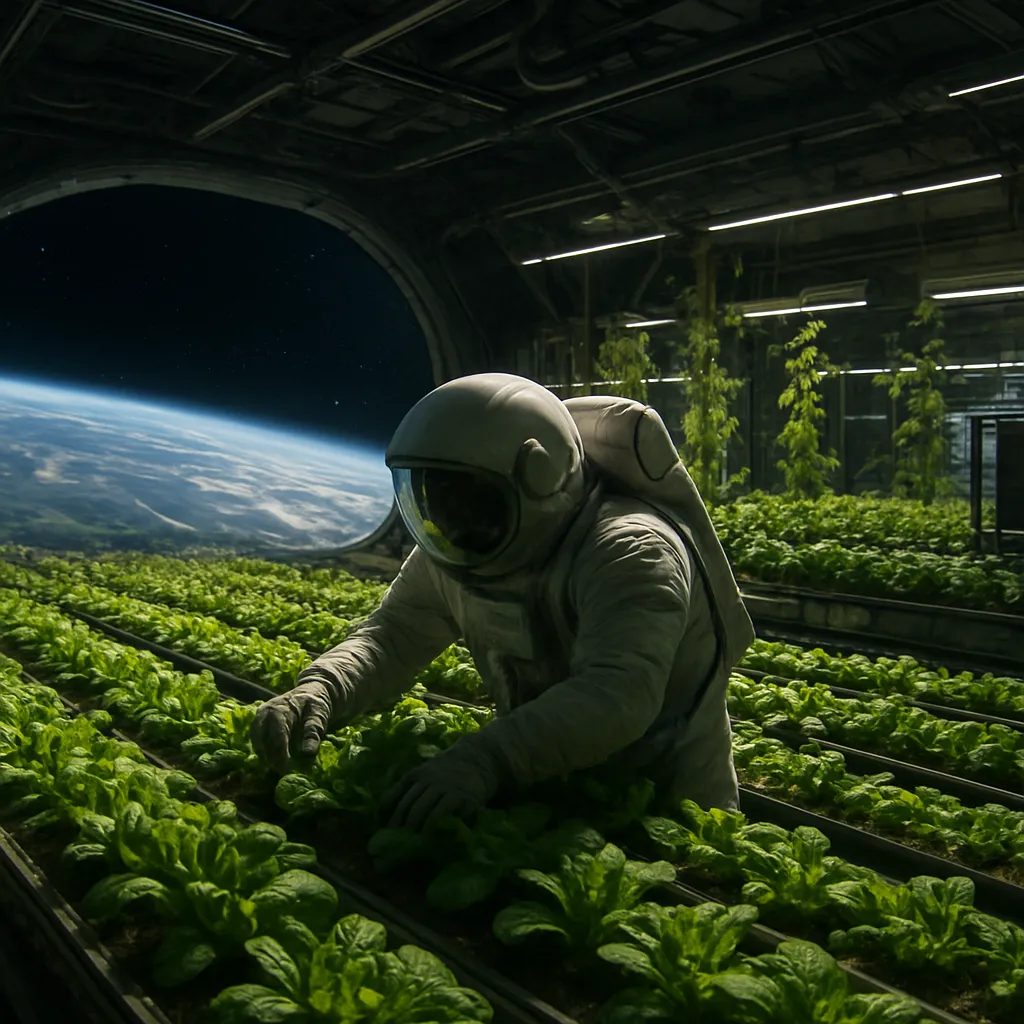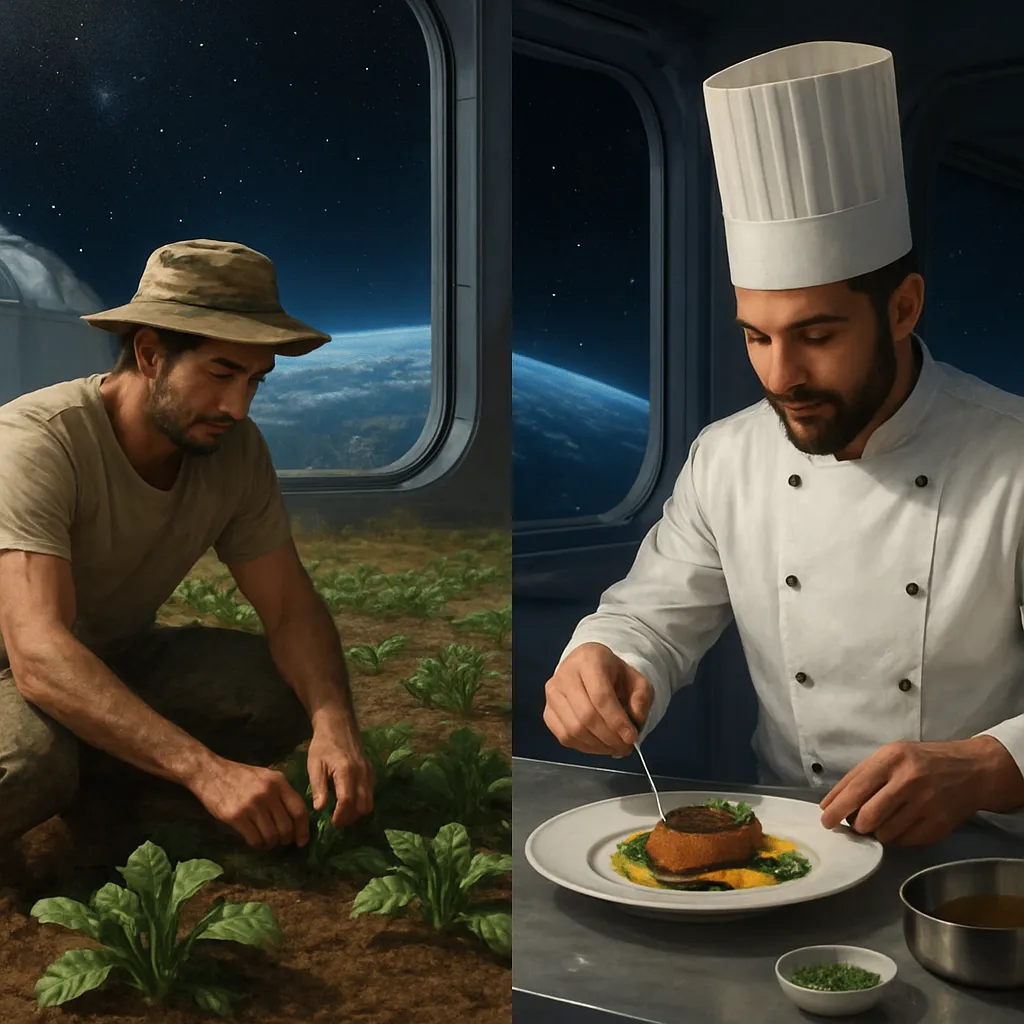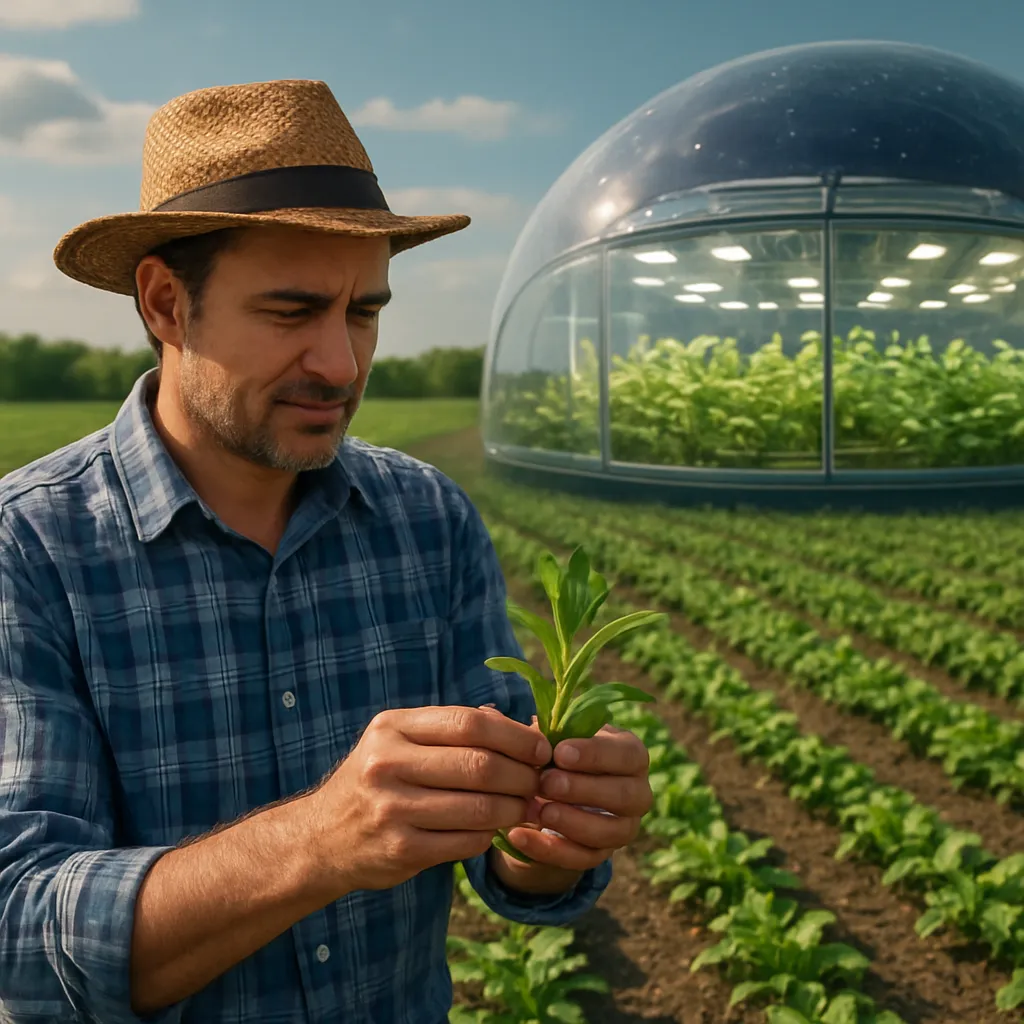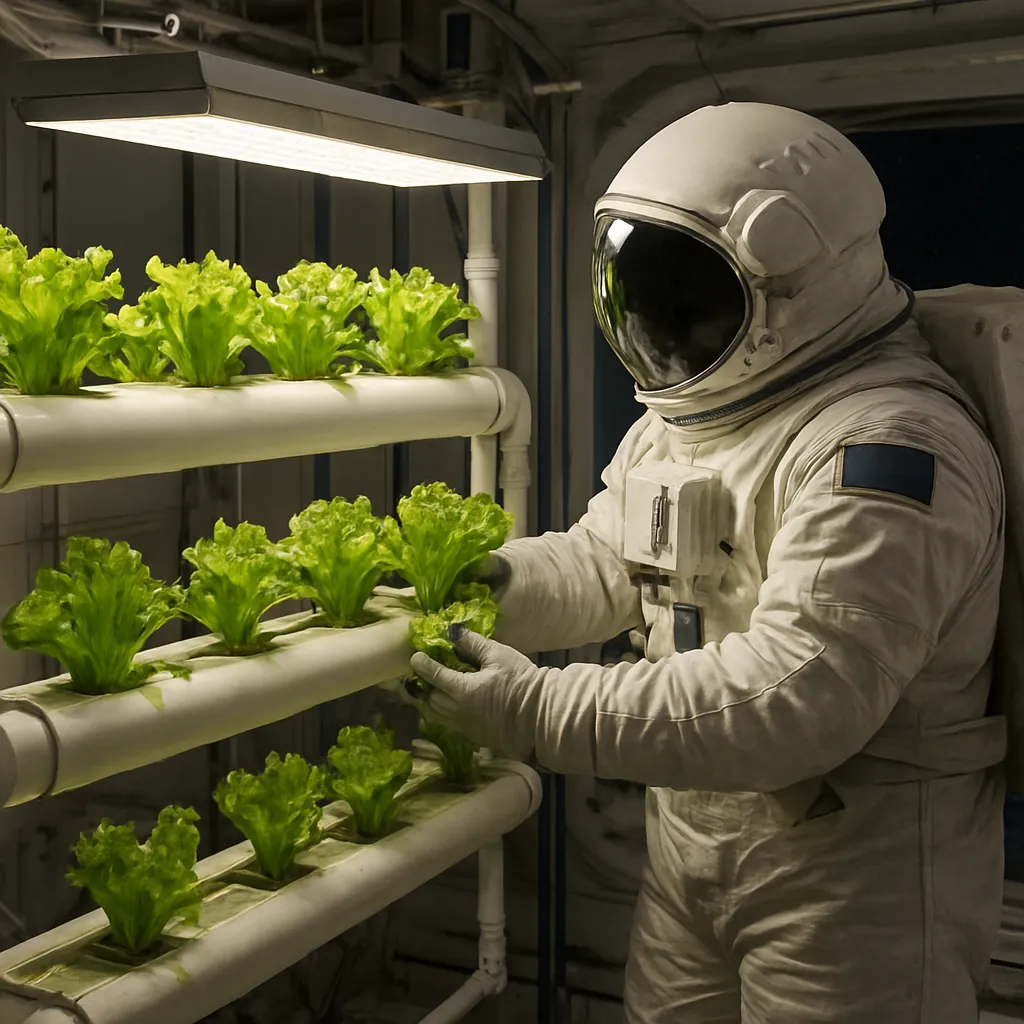
The **nutrient film technique** (NFT) has emerged as a promising candidate for sustainable **space agriculture**, offering a highly efficient hydroponic method that minimizes resource use while maximizing plant productivity. By creating a thin, continuous flow of nutrient solution over plant roots, NFT systems deliver water and dissolved minerals directly to the crop, reducing waste and ensuring optimal growth. Adapting this approach for operation in **microgravity** environments presents unique challenges and opportunities, from fluid dynamics to integration with life support systems. This article explores how NFT can be refined for future missions to the ISS, the Moon, and Mars, and highlights key research efforts driving progress in closed-loop cultivation beyond Earth.
Principles of Nutrient Film Technique in Microgravity
In terrestrial NFT setups, gravity naturally pulls the nutrient solution through channels, allowing excess to recirculate. In contrast, a microgravity environment aboard spacecraft demands creative solutions to maintain a stable **laminar flow**. Engineers have investigated:
- Precision pump controls that generate a constant, low-pressure drop across angled growing trays
- Channel geometries with slight incline and specialized coatings to encourage even liquid distribution
- Capillary-based wicking materials integrated into channel walls, ensuring nutrient delivery without air pockets
Root zone oxygenation is another critical factor. On Earth, dissolved oxygen remains readily available in nutrient solutions; in microgravity, gas bubbles can adhere to roots and hamper gas exchange. To address this, designers incorporate:
- Aeration modules with micro-nozzle injectors to maintain dissolved oxygen levels
- Porous membranes within root support structures, facilitating gas exchange and preventing clogging
By optimizing channel design and fluid stability, the NFT system in space can deliver reliable performance comparable to ground-based setups, enabling crops such as lettuce and herbs to flourish under **controlled-environment agriculture** conditions.
System Integration with Life Support in Spacecraft
Space missions rely heavily on **closed-loop** life support, where every resource is reused and recycled to reduce resupply needs. Integrating NFT into a spacecraft’s Environmental Control and Life Support System (ECLSS) enhances both air revitalization and water recovery processes. Key integration points include:
- Water reclamation: Nutrient solution runoff is filtered, sterilized, and rebalanced before recirculation, reducing freshwater demands.
- Carbon dioxide scrubbing: Plants perform photosynthesis, converting CO₂ into oxygen, which contributes directly to cabin atmosphere maintenance.
- Biowaste management: Plant residues and inedible biomass are composted or processed in bioreactors to recover nutrients for future nutrient solutions.
Ensuring chemical stability is vital; fluctuations in pH or electrical conductivity can stress plants and impair nutrient uptake. Advanced sensors and automated dosing pumps continuously monitor solution parameters, maintaining ideal conditions. These auto-tuning controls also provide valuable data for mission planners to refine crop selection and lighting schedules, ultimately boosting **resource efficiency** on long-duration voyages.
Challenges and Solutions for Extraterrestrial Farming
Deploying NFT systems on the lunar or Martian surface introduces additional hurdles beyond those encountered in orbit. Lunar regolith lacks organic content and may release harmful particulates, while Martian soil contains perchlorates that can inhibit plant metabolism. Strategies to overcome planetary soil limitations include:
- Utilizing inert, lightweight substrate trays instead of local regolith for initial cultivation phases
- Designing modular hydroponic bays that can be expanded as local in situ resource utilization (ISRU) technologies mature
- Incorporating permeable barriers to prevent dust ingress and maintain sterile root environments
Radiation exposure also poses a threat to both plant health and equipment longevity. Shielding strategies involve:
- Locating hydroponic modules within habitable volumes or behind layers of water and polyethylene to attenuate cosmic rays
- Using LED lighting systems tuned to optimal photosynthetic wavelengths, reducing stray radiation compared to traditional light sources
Automation and **robotics** play a vital role in minimizing crew time devoted to plant care. Automated pruning, harvesting, and channel cleaning systems can ensure consistent performance with minimal human intervention, freeing astronauts for mission-critical tasks.
Experimental Deployments and Future Prospects
Several proof-of-concept experiments aboard the **ISS** and ground-based analog facilities have demonstrated the viability of NFT in microgravity and partial gravity conditions. Notable projects include:
- Veg-01 and Veg-03: Early ISS plant growth chambers using passive hydroponic setups to study leaf lettuce development
- Advanced Plant Habitat (APH): A fully automated, high-tech growth chamber that controls atmosphere composition, lighting, and nutrient delivery
- Bioregenerative Life Support Systems tests in NASA’s Lunar and Martian analog habitats, coupling NFT trays with microbial bioreactors
These efforts have yielded critical insights into plant physiology under space conditions, informing the design of next-generation systems. Future plans envision integrated farm modules within lunar bases and Martian greenhouses, supporting crops such as tomatoes, spinach, and wheat. By leveraging **photobioreactors**, carbon dioxide from habitat exhaust can serve dual purposes: powering algal growth and feeding higher plants in linked hydroponic circuits.
As technology advances, the synergy between **automation**, minimal waste, and robust design will make NFT a cornerstone of extraterrestrial agriculture. Ongoing research will refine nutrient formulations, develop adaptive lighting protocols, and enhance the resilience of plant varieties tailored for space. These milestones bring humanity closer to achieving long-term settlement on the Moon, Mars, and beyond, all sustained by efficient, scalable hydroponic farming solutions.