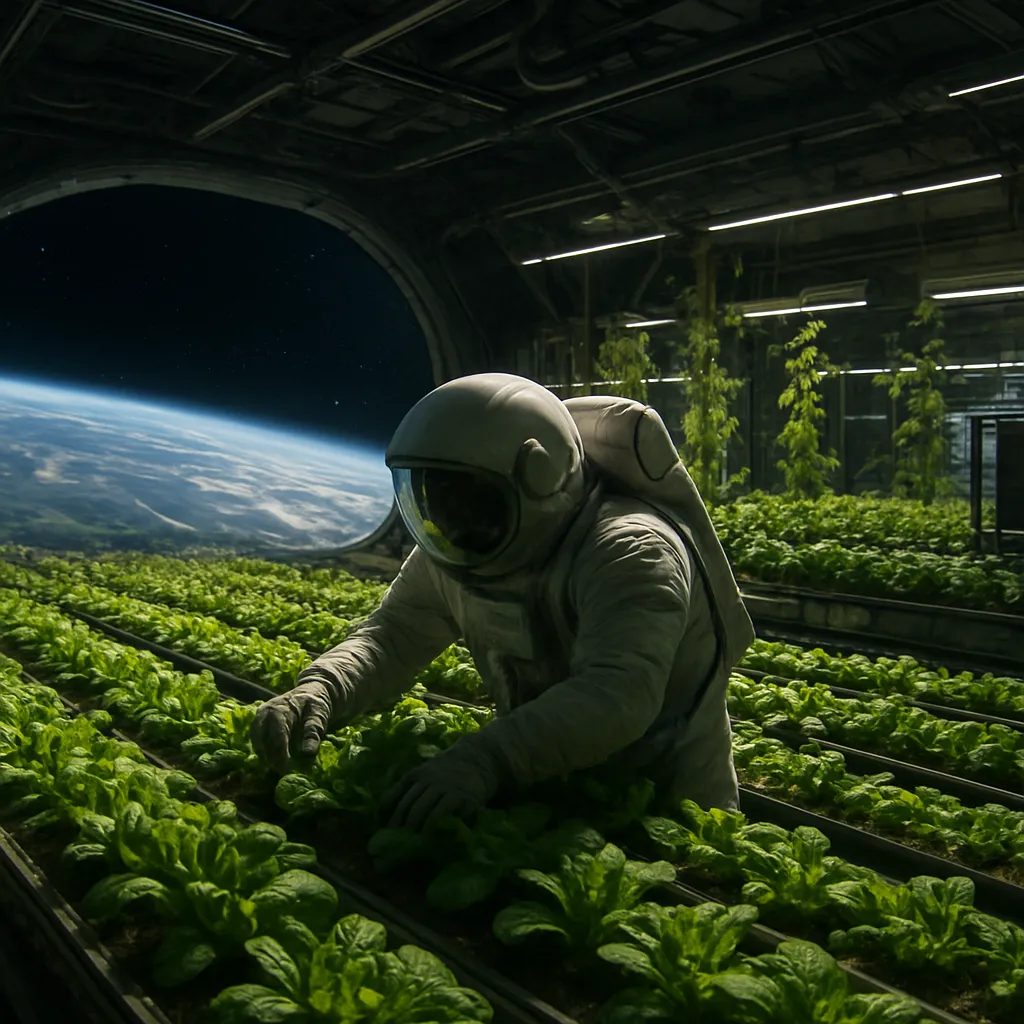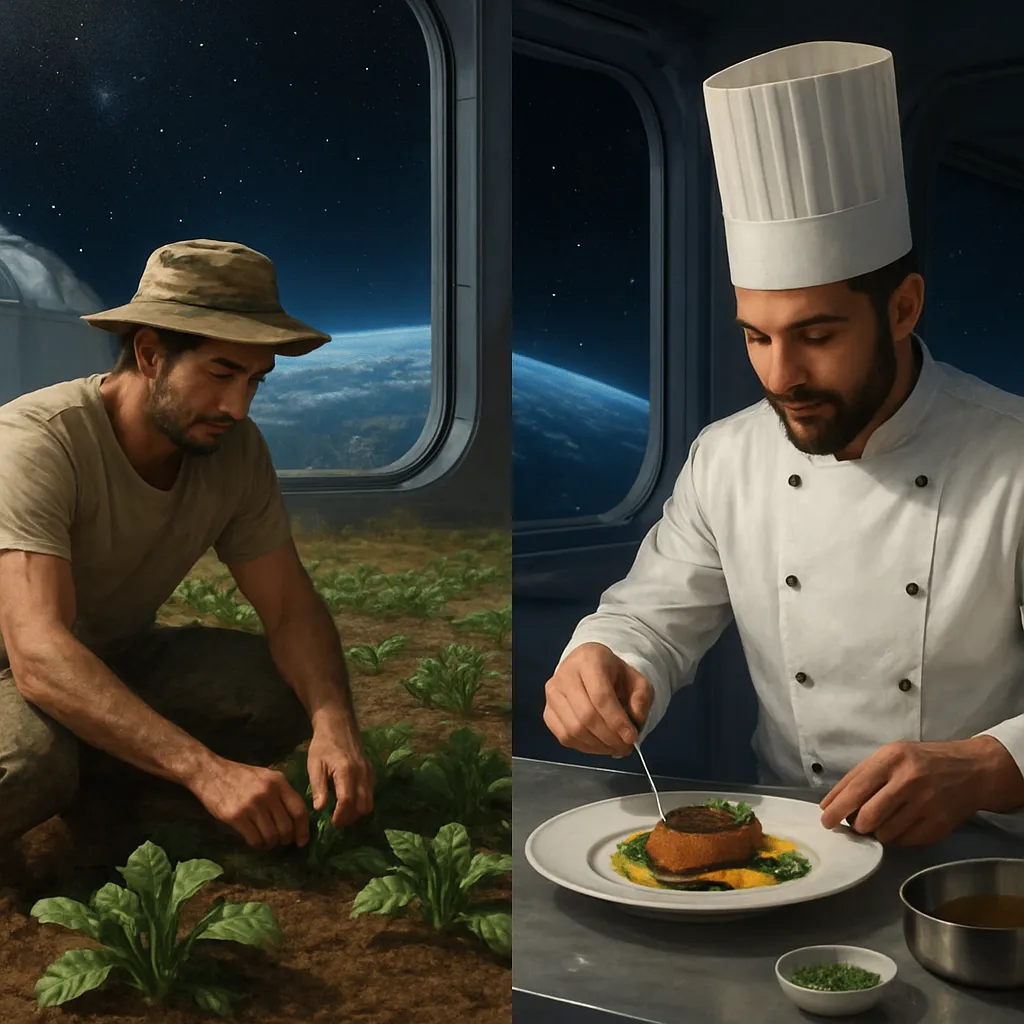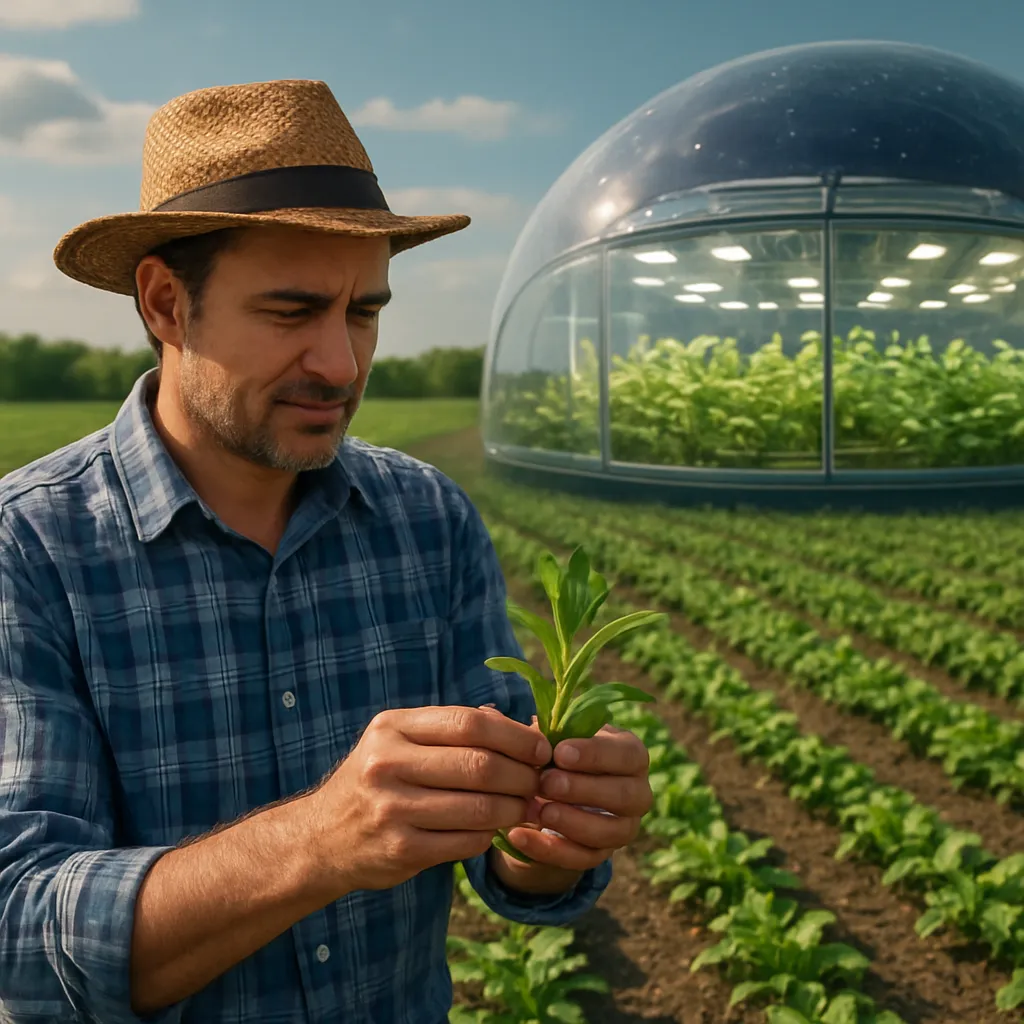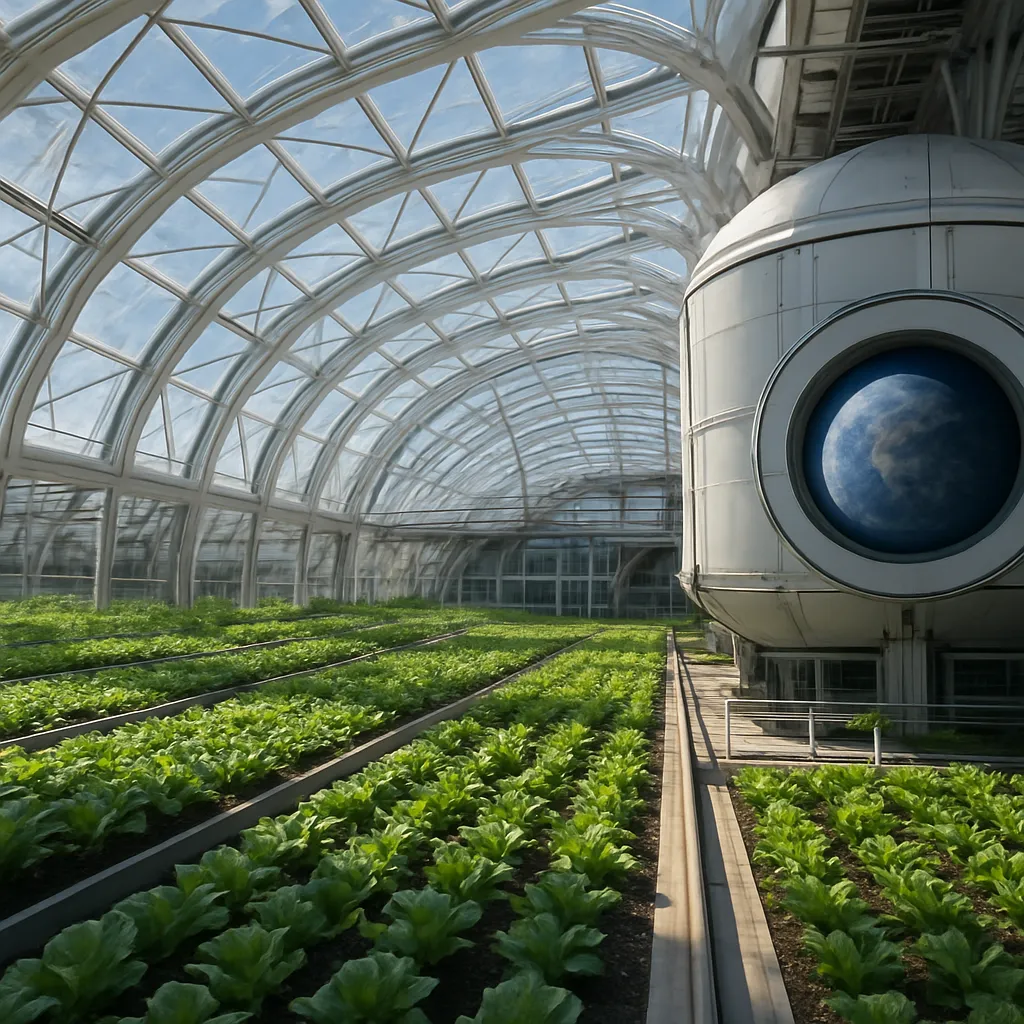
The interplay between cutting-edge architecture and pioneering space agriculture methodologies is reshaping humanity’s vision for extraterrestrial settlement. As we prepare for prolonged missions to the Moon, Mars, and beyond, the design of structures that support food production emerges as a fundamental challenge. Integrating habitat geometry with closed ecological systems demands a holistic approach that balances engineering constraints, biological requirements, and resource scarcity. This article explores several dimensions of this convergence, revealing how future off-world farms will rely on innovative building techniques, advanced cultivation technologies, and robust life-support strategies.
Designing Sustainable Habitats for Off-World Farming
Crafting living and farming modules for alien landscapes hinges on modularity, scalability, and adaptability. Architects must collaborate with agronomists to ensure that every cubic meter serves dual functions: structural integrity and biological productivity. Inflatable or 3D-printed shells are prime candidates for rapid deployment, offering lightweight transport and in-situ resource utilization (ISRU).
- Modular Growth Chambers: Stackable units that can be reconfigured based on mission phase.
- Regolith-Based Construction: Utilizing planetary soil as raw material for walls and radiation barriers.
- Adaptive Facades: Transparent and opaque panels that regulate light and temperature.
- Energy Integration: Coupling solar arrays with thermal mass to stabilize internal climate.
Key Structural Elements
Critical components include multi-layered membranes for pressure retention, embedded microfluidic networks for irrigation, and flexible joints to absorb seismic or meteorite impacts. Incorporating radiation shielding—often through regolith-packed walls or water walls—protects both crops and crew from harmful cosmic rays. Designers also explore self-healing materials that can seal microfractures automatically, extending service life.
Innovations in Controlled Environment Agriculture
Closed ecological systems demand precision control over every growth parameter. From nutrient delivery to atmospheric composition, space farmers employ advanced techniques that far surpass conventional greenhouse methods. Hydroponics, aeroponics, and aquaponics systems are engineered to minimize water use and optimize nutrient uptake. LED arrays provide targeted spectra for photosynthesis, while sensors continuously monitor pH, oxygen levels, and biomass health.
- Resource Recycling: Greywater treatment and nutrient recovery from waste streams.
- Atmospheric Management: Balancing CO₂ enrichment with oxygen output for life support.
- Dynamic Lighting Systems: Tunable LED lighting that shifts wavelength based on plant growth stage.
- Smart Sensors: IoT-enabled devices feeding AI algorithms for real-time adjustments.
Photobioreactors and Microbial Ecosystems
Beyond plants, microbial consortia play a pivotal role in bioregenerative life support. Photobioreactors cultivating algae can produce oxygen, food supplements, and bio-fertilizers. Integrating these bioreactors within habitat walls not only maximizes spatial efficiency but also enhances thermal inertia. Microbes engineered for nitrogen fixation or waste digestion close crucial loops, reducing reliance on Earth-derived supplies.
Structural Challenges and Solutions in Space Greenhouses
Operating a greenhouse in reduced gravity or microgravity introduces unique obstacles. Root systems behave differently, water droplets form spheres, and air circulation patterns shift dramatically. Architects and engineers must tailor internal airflow using directional fans and venturi channels to prevent stagnation and ensure uniform gas exchange.
- Gravity Simulation: Rotating modules that generate partial g-force for root anchoring.
- Pressure Regulation: Maintaining constant barometric levels despite external vacuum.
- Thermal Control: Multizone heat exchangers to manage extremes of temperature.
- Structural Vibration Damping: Isolators to protect fragile plants from equipment vibrations.
Materials and Pressure Vessel Design
High-performance polymers and composite laminates form the backbone of greenhouse envelopes. Transparent analogs of fused silica or polycarbonate panels ensure optimal light transmission while blocking ultraviolet radiation. Inflatable frames made from Vectran or Dyneema offer both strength and puncture resistance. Seams are welded or ultrasonically bonded to guarantee airtight integrity.
Integrating In-Situ Resource Utilization with Habitat Architecture
Utilizing local materials reduces launch mass and mission cost. On the Moon, sintered regolith blocks can serve as construction elements, while Martian dust may be processed into geopolymer concrete. Architects design habitats that evolve over time—initial inflatable greenhouses give way to permanent structures built by autonomous rovers.
- 3D Printing Towers: Layer-by-layer fabrication of living quarters and farm modules.
- Dust Mitigation Systems: Electrodynamic screens to repel abrasive particles.
- Water Harvesting: Extraction of subsurface ice for irrigation and shielding.
- Thermal Storage: Phase-change materials to manage diurnal temperature swings.
Adaptive Expansion Strategies
Future designs incorporate robotic assembly to add new greenhouse wings as population and food demand grow. Folding structures, driven by shape-memory alloys, can flex outward, creating additional cultivation area without manual intervention. Such flexibility ensures that the habitat can adapt to unforeseen challenges or mission extensions.
Future Outlook: Integrating Architecture and Space Agriculture for Deep Space Missions
As missions extend toward asteroids, Mars’s moons, and deep space, synergy between built environments and agro-systems becomes paramount. Habitat designers envision domed biodomes integrated within spacecraft walls, where continuous micro-gardens supply fresh produce and psychological benefits. In deep-space vessels, closed-loop systems will harness every carbon and water molecule, achieving unprecedented self-sufficiency.
Emerging concepts include modular “agri-pods” that can be attached to transit vehicles, offering real-time food production during interplanetary cruises. Incorporating waste-to-energy reactors and resource utilization algorithms ensures a perpetual cycle of nourishment and habitat maintenance. Ultimately, this fusion of architectural ingenuity and biological innovation will chart the course for sustainable life beyond our home planet.