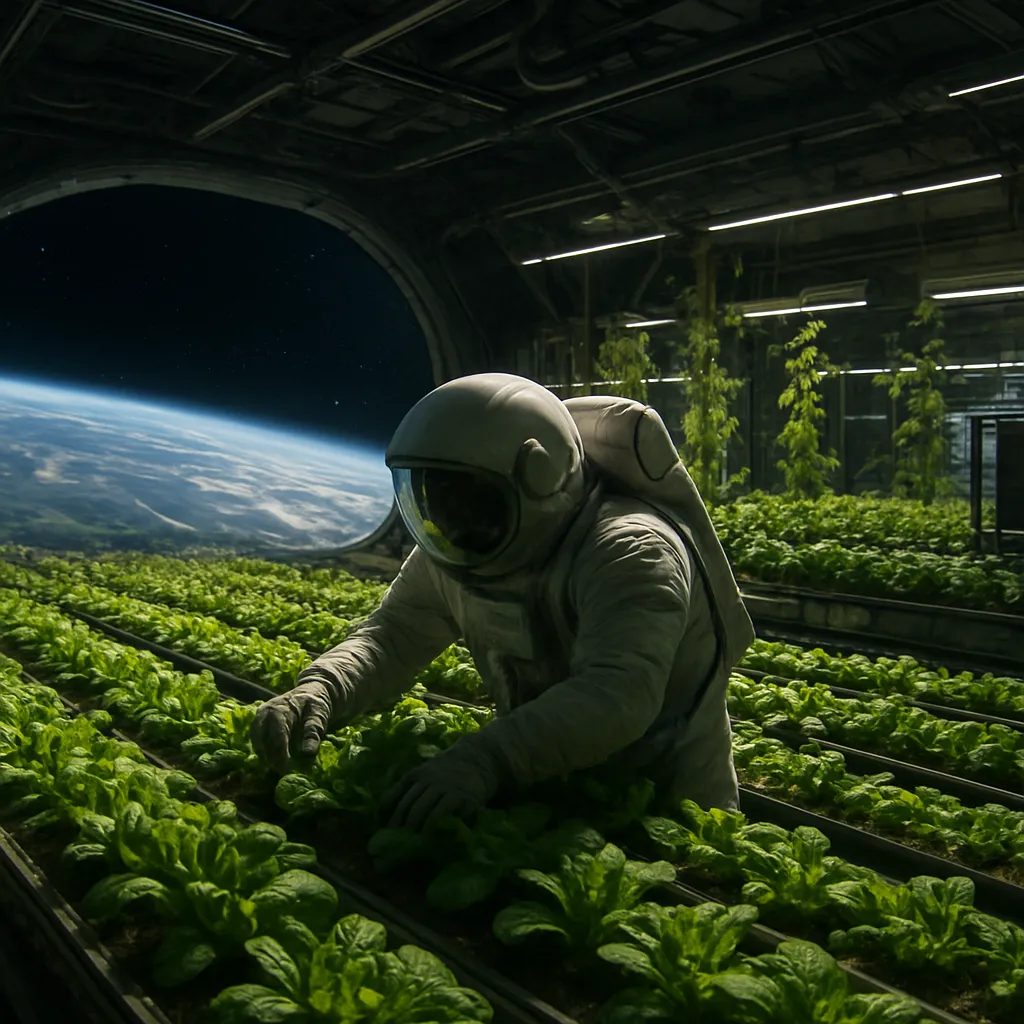
As humanity prepares for extended missions beyond Earth’s atmosphere, mastering the movement of nutrient-rich fluids in microgravity environments becomes a cornerstone of space agriculture. The interplay between predictable terrestrial mechanisms and the unpredictable behavior of liquids in orbit demands an in-depth study of fluid dynamics and innovative engineering. This article explores the principles behind liquid transport in zero-gravity systems, the design strategies enabling efficient nutrient delivery, and the profound effects on plant physiology as we strive for closed-loop life support in space.
Hydrodynamic Principles Under Microgravity
On Earth, gravity drives liquid downward and dictates how roots access water and minerals. In contrast, absence of a dominant gravitational vector in microgravity leads to novel behaviors:
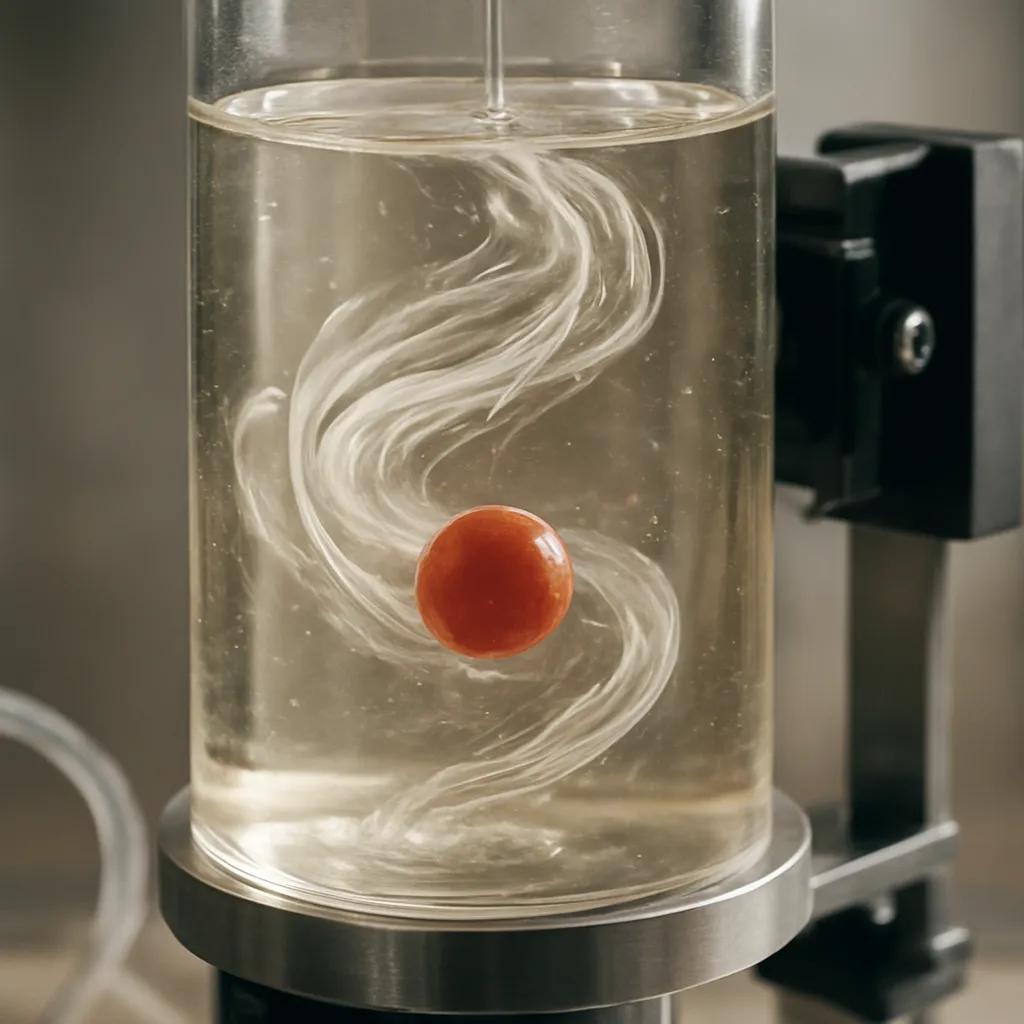
- Formation of spherical droplets and irregular menisci
- Dominance of surface tension over weight-driven flow
- Enhanced role of capillary action in guiding fluids through small channels
Surface Tension and Meniscus Control
With gravity negligible, liquids adhere to container walls, forming complex curvature patterns. Effective cultivation modules exploit this tendency by designing grooves and textured surfaces that channel fluids precisely to root interfaces. Engineers often select materials with specific wetting properties to manage fluid curvature and prevent uncontrolled pooling.
Role of Capillary Forces
Capillary forces become the primary driver for fluid transport. By tailoring pore sizes and channel geometries within growth substrates or synthetic wicks, nutrient media can be directed toward plant roots with minimal energy input. The principle behind wicking relies on balancing the liquid’s surface tension, contact angle, and channel dimensions:
- Smaller pores yield higher capillary pressure
- Hydrophilic surfaces promote continuous fluid columns
- Hydrophobic coatings can act as valves, redirecting flow paths
Engineering Approaches to Nutrient Delivery
Advanced life support systems integrate hydroponic and aeroponic methods to optimize water usage, reduce mass, and recycle waste. Key engineering solutions:
Hydroponic Modules with Active Pumping
Traditional pumps adapted to microgravity use peristaltic or diaphragm mechanisms to circulate solutions through root chambers. These pumps must overcome bubble formation and ensure consistent flow despite unpredictable liquid behavior. Engineers deploy bubble traps and flexible tubing arrangements to isolate air pockets and maintain a continuous nutrient loop.
Aeroponic Systems for Fine Mist Delivery
By atomizing nutrient solutions into fine droplets, aeroponic setups minimize liquid mass while maximizing oxygen exposure at the root surface. Ultrasonic or pneumatic nozzles generate a mist that envelops roots, promoting vigorous growth. However, the absence of gravity demands precise control of droplet size to prevent coalescence and clogging.
Capillary-Based Passive Transport
Passive systems leverage microstructured wicking fabrics or porous ceramics to feed roots without moving parts. This approach reduces mechanical failure risks and electrical consumption but requires rigorous calibration of pore sizes to match plant uptake rates. Such designs offer simplicity and resilience, essential for long-duration missions.
Impact on Plant Physiology and Growth
Altered fluid distribution dramatically influences nutrient absorption, root morphology, and overall plant health. Understanding these effects is critical for developing reliable bioregenerative life support:
Root Zone Stabilization
Without gravity, roots float freely, complicating their contact with nutrient media. Solutions include:
- Encasing roots in bioreactor meshes that maintain shape and orientation
- Embedding seeds in foam carriers with tailored porosity
- Using magnetic or adhesive anchors to simulate gravitational pull
Ion Transport and Nutrient Uptake
In zero gravity, diffusion gradients and convective mixing shift. Microgravity can either enhance or impede the movement of ions like nitrates and phosphates. Controlled experiments aboard orbital platforms have demonstrated:
- Redistribution of charged particles along menisci
- Potential nutrient stratification within reservoirs
- Need for periodic mixing mechanisms to homogenize solution
Stress Responses and Metabolic Adjustments
Plants adapt to microgravity by altering gene expression related to water transport and hormone synthesis. Research shows upregulation of aquaporin channels and changes in cytoskeleton orientation. Addressing these responses helps in:
- Modulating pH and conductivity of nutrient solutions
- Adjusting light spectra to compensate for changed physiology
- Implementing feedback sensors for real-time environmental tuning
Innovations and Future Directions in Space Agriculture
The quest for self-sustaining extraterrestrial farms drives breakthroughs across multiple disciplines. Emerging strategies include bioprinting plant scaffolds and integrating microbial consortia to enhance nutrient cycling:
3D-Printed Root Scaffolds
Biocompatible polymers can be fabricated into intricate lattice structures that hold roots in place and deliver precise volumes of liquid. These scaffolds mimic soil pore networks, offering mechanical support and targeted nutrient pathways. Experimental prototypes aboard orbital testbeds have shown promising germination rates and accelerated biomass accumulation.
Microbial Symbiosis in Closed Systems
Beneficial bacteria and fungi can fix atmospheric nitrogen, solubilize minerals, and degrade organic waste. Embedding these microbes within hydroponic reservoirs or biofilm-coated substrates creates a dynamic ecosystem that reduces reliance on external fertilizer supplies. Such integrated bioreactors aim to replicate terrestrial rhizosphere functions in space.
Artificial Intelligence for System Optimization
Machine learning algorithms analyze sensor data—humidity, nutrient concentration, flow rate—to predict system behavior and adjust parameters autonomously. AI-driven controllers can:
- Optimize pump cycles and mist intervals
- Detect early signs of root zone anoxia or nutrient imbalance
- Adaptively recalibrate based on plant growth stage and external conditions
Cultivating crops in microgravity transforms our understanding of plant physiology and encourages synergistic advances in materials science, robotics, and closed-loop life support. By mastering the subtleties of zero-gravity hydrodynamics, we pave the way for sustainable hydroponic and aeroponic farms on space stations, lunar bases, and Martian habitats—setting the stage for a new era of interplanetary agriculture.