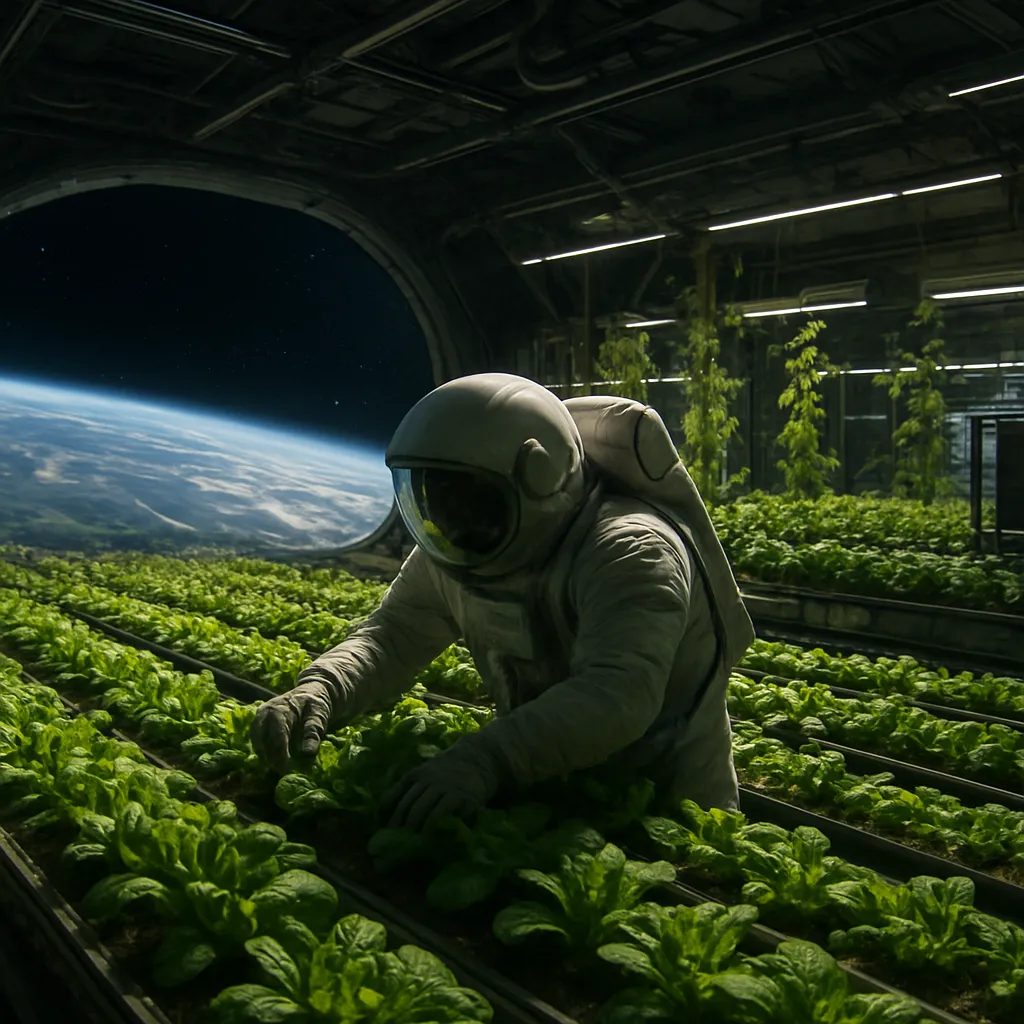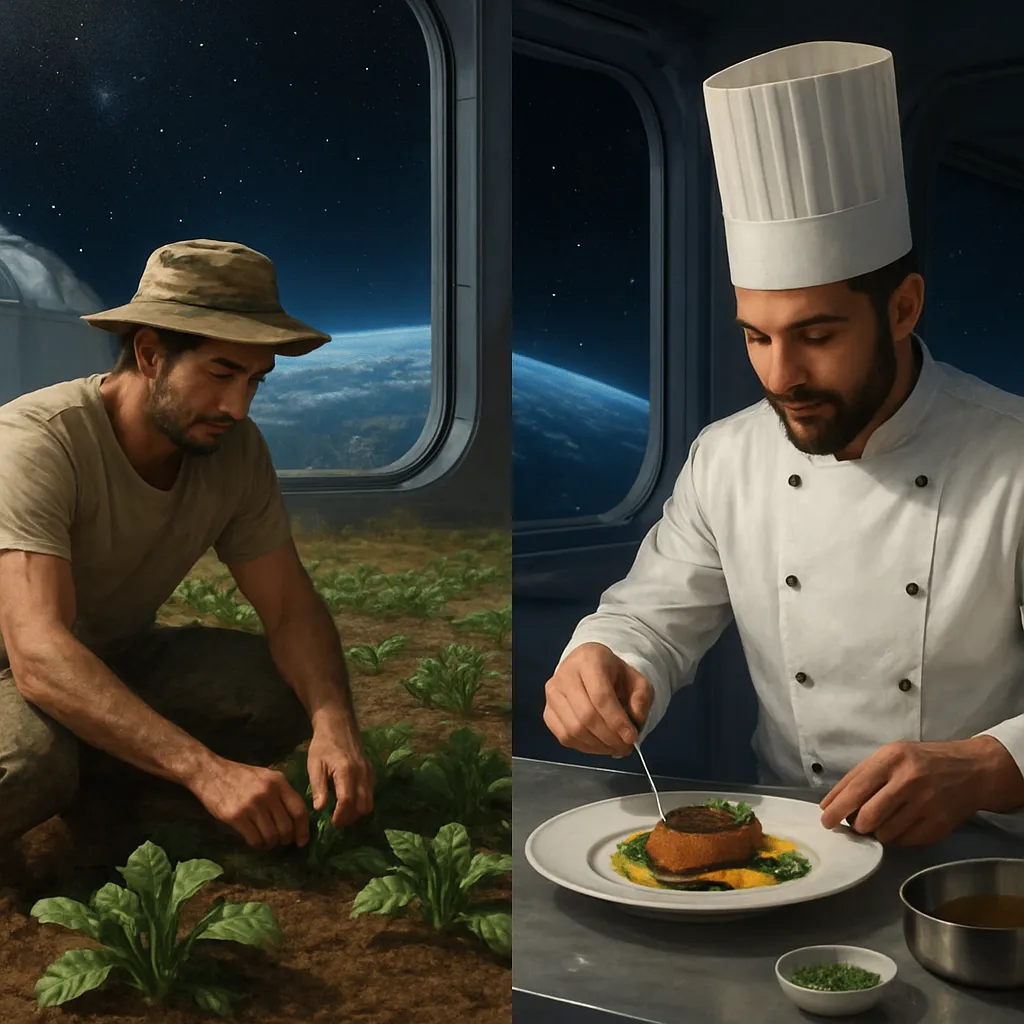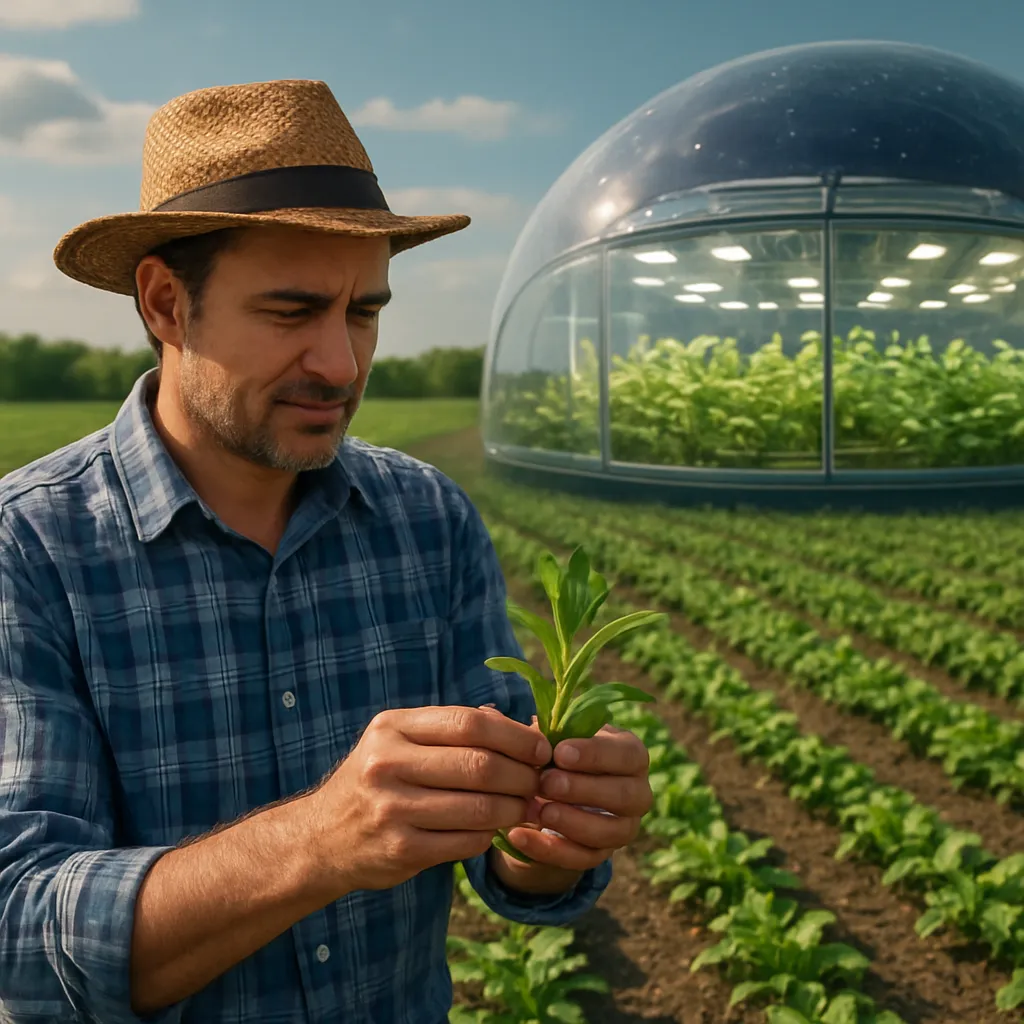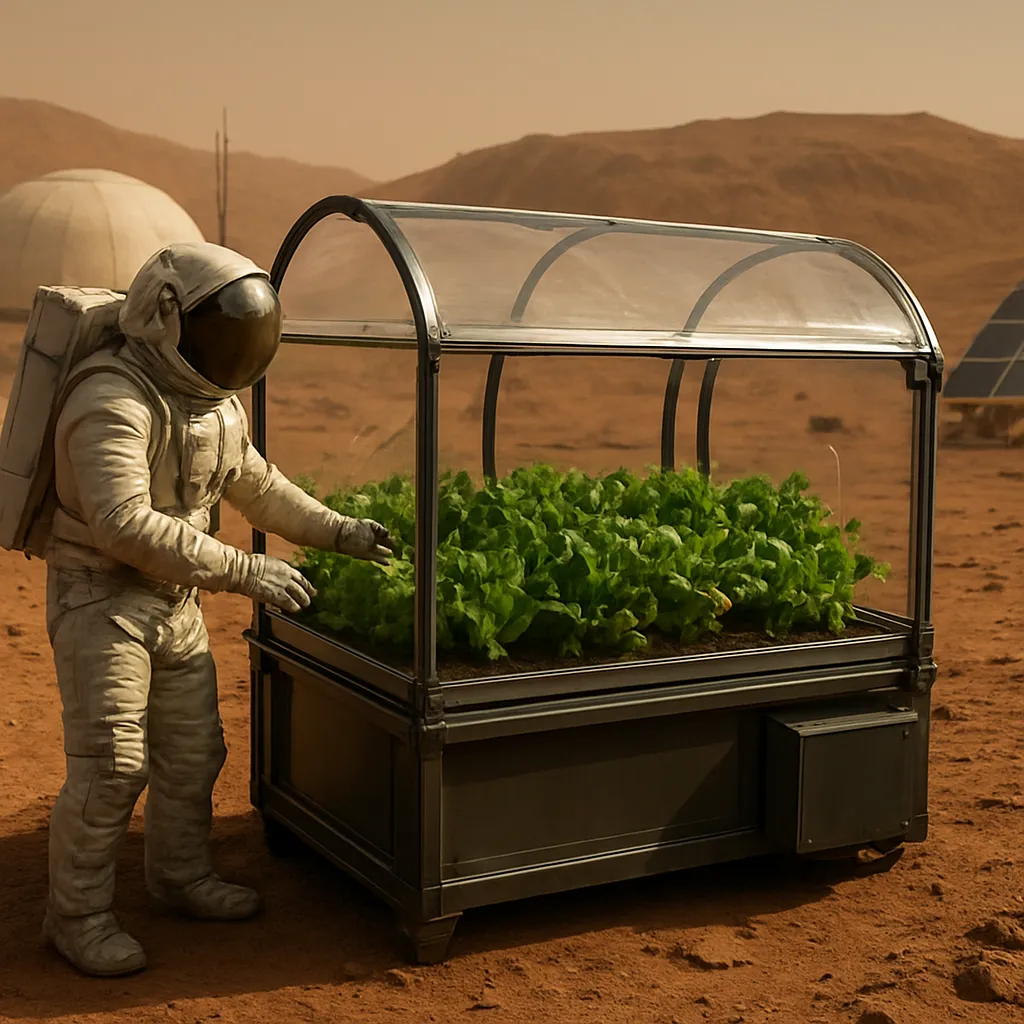
The quest for **sustainable** life beyond Earth has spurred dramatic advances in agricultural technology. As humanity prepares for extended missions to the Moon, Mars, and beyond, establishing reliable food production systems becomes crucial. Portable farms represent a **modular**, **resilient** solution that can thrive under extreme conditions, enabling astronauts to cultivate fresh produce and minimize dependence on Earth-based resupply. This article explores the latest innovations in closed-loop agriculture, the engineering behind deployable growth units, the unique challenges of extraterrestrial environments, and the collaborative future of space-based farming.
Innovations in Closed-Loop Agriculture Systems
Traditional space farming experiments have relied on simple trays of soil or hydroponic beds, but the next generation of **bioregenerative** life support systems integrates plants, microbes, and waste streams into a cohesive ecosystem. By recycling water and gases, these systems aim to achieve near-total resource **efficiency**, drastically reducing payload mass and enhancing crew autonomy.
Bioregenerative Life Support
At the heart of closed-loop systems lies the ability of plants to convert carbon dioxide into oxygen via photosynthesis while also absorbing liquid waste. Key features include:
- **Hydroponics** or **aeroponics** cultivation methods that eliminate the need for heavy soil substrates
- Advanced filtration units that purify water from humidity condensate and crew waste
- Microbial bioreactors to process organic remnants and generate nutrient solutions
- Integrated sensor networks that monitor pH, nutrient concentration, and atmospheric composition in real time
Such integrated modules can maintain plant health autonomously, ensuring constant production of fresh greens, root vegetables, and herbs even during extended interplanetary voyages.
Adaptive Lighting and Photoperiod Control
Optimizing light spectra and intensity is essential for plant growth in sealed environments. Recent breakthroughs include tunable LED arrays that adjust wavelengths dynamically to match each crop’s growth stage:
- Blue and red diodes for efficient photosynthetic activity
- Far-red supplementation to regulate flowering and biomass allocation
- Day–night cycles controlled by AI algorithms to maximize yield and energy savings
These lighting solutions minimize power consumption, a critical factor when operating on solar panels or nuclear generators far from Earth.
Designing and Engineering Portable Farm Modules
Creating a truly **portable** farm involves combining structural robustness, environmental control, and ease of deployment. Engineers are crafting containerized growth chambers that can be stacked or expanded like building blocks, enabling gradual scaling of food production capacity.
Modular Architecture and Scalability
Modules are designed to interface seamlessly, allowing astronauts to:
- Link multiple units for increased surface area and crop diversity
- Swap out spent modules for maintenance or crop rotation without disrupting the entire system
- Customize configurations for habitat layout, whether in a pressurized rover, lunar base, or Martian greenhouse
Standardized connections for power, water, and data enable rapid integration with habitat infrastructure, ensuring that new farms can be activated within hours of lander touchdown.
Automation and AI-driven Management
To minimize crew time spent on maintenance, portable farms employ advanced robotics and machine learning:
- Robotic arms for seeding, trimming, and harvesting crops without human intervention
- Computer vision systems to detect plant health issues, pests, or nutrient deficiencies at the leaf level
- Predictive analytics that adjust environmental parameters to prevent stress and maximize yield
By offloading routine tasks to autonomous systems, astronauts can focus on scientific research and mission objectives, enhancing overall mission success.
Challenges and Solutions for Moon and Mars Agriculture
Establishing agriculture on planetary surfaces poses unique hurdles, from extreme temperature swings to limited resources and intense radiation. Overcoming these obstacles requires innovative engineering and a deep understanding of plant physiology under extraterrestrial conditions.
Microgravity and Reduced Gravity Effects
In low-gravity environments, root structures and fluid behavior differ significantly from Earth norms:
- Water distribution can become uneven, leading to nutrient imbalances
- Reduced convective airflow around leaves impacts gas exchange and transpiration
- Altered gravity sensing in plants may affect growth orientation and development
Researchers have developed specialized hydrogel matrices and capillary-driven irrigation systems that ensure even moisture and nutrient delivery, while airflow modules mimic convection to support healthy respiration and cooling.
Radiation Protection and Thermal Control
Cosmic radiation and solar particle events pose a serious threat to both humans and plants. Portable farms incorporate multi-layer shielding:
- Regolith-based panels that use local soil as radiation absorbers
- Multi-ply films embedded with polyethylene or hydrogen-rich polymers
- Active shading mechanisms that adjust to orbital dynamics
Thermal regulation is equally critical, as lunar days and nights can swing over 200°C. Phase-change materials and heat-pipe networks help maintain stable growing temperatures inside habitat farms.
Resource Constraints and In-Situ Utilization
Carrying all necessary water and nutrients from Earth is impractical. Future missions will rely on **in-situ** resource utilization (ISRU):
- Extracting water ice from polar regolith for irrigation
- Processing atmospheric CO₂ on Mars to produce oxygen and carbon for plant photosynthesis
- Recycling crew waste into nutrient salts via compact bioreactors
Combining ISRU with local materials drastically reduces launch mass and empowers long-term base sustainability.
Collaborative Research and Future Prospects
International and commercial partnerships are accelerating the development of space agriculture. University-led experiments on the International Space Station (ISS) provide invaluable data on plant growth under microgravity, while private companies design prototype greenhouses for lunar and Martian landers. Key trends include:
- Open-source hardware and software for agricultural modules, fostering global innovation
- Citizen science campaigns that involve Earth-based growers in testing novel seeds and growth protocols
- Integration of synthetic biology to engineer crops with enhanced stress tolerance and nutritional profiles
Looking ahead, the union of **innovation**, **autonomy**, and cross-disciplinary collaboration promises to transform portable farms from experimental units into mission-critical infrastructure. As these systems mature, they will not only support crewed exploration but also lay the groundwork for permanent settlements where fresh food, psychological well-being, and ecological balance coexist in harmony.