Establishing self-sustaining life systems beyond Earth demands innovative strategies that integrate waste reduction, resource recovery, and advanced cultivation techniques. This article explores how a circular approach can transform extraterrestrial habitats into resilient ecosystems that optimize every input and output.
Resource Recovery and Waste Valorization
One of the most critical challenges in off-world settlements is managing limited supplies. Every gram of material launched into space carries a high logistical cost, so closing loops is imperative. By applying principles of resource efficiency and valorizing byproducts, missions can significantly extend operational lifetimes.
Organic Waste Composting
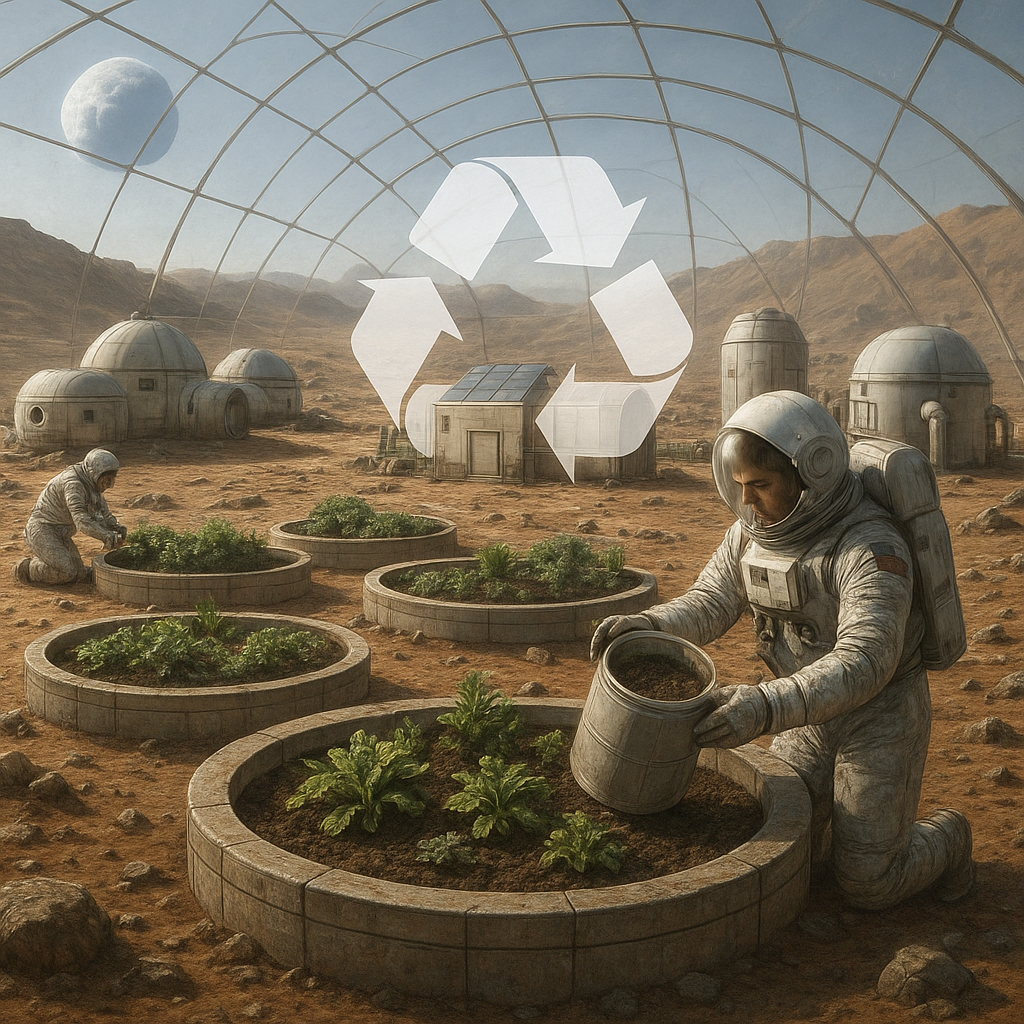
Food scraps, plant residues, and human waste represent an opportunity rather than a disposal problem. Through a combination of aerobic composting and thermophilic digestion, biodegradable materials can be converted into nutrient-rich soil amendments. This process relies on specialized microbial consortia that perform nitrification and denitrification steps to properly cycle nitrogen.
Inorganic Material Reclamation
Nonliving waste streams—such as packaging polymers and metal fragments—must be sorted and processed. Additive manufacturing systems can shred and melt polymers into feedstock for 3D printing, while metallic alloys can be remelted or chemically leached to extract valuable elements like aluminum and titanium. These closed-loop techniques reduce the need for resupply and support habitat maintenance.
Sustainable Agriculture through Bioregenerative Systems
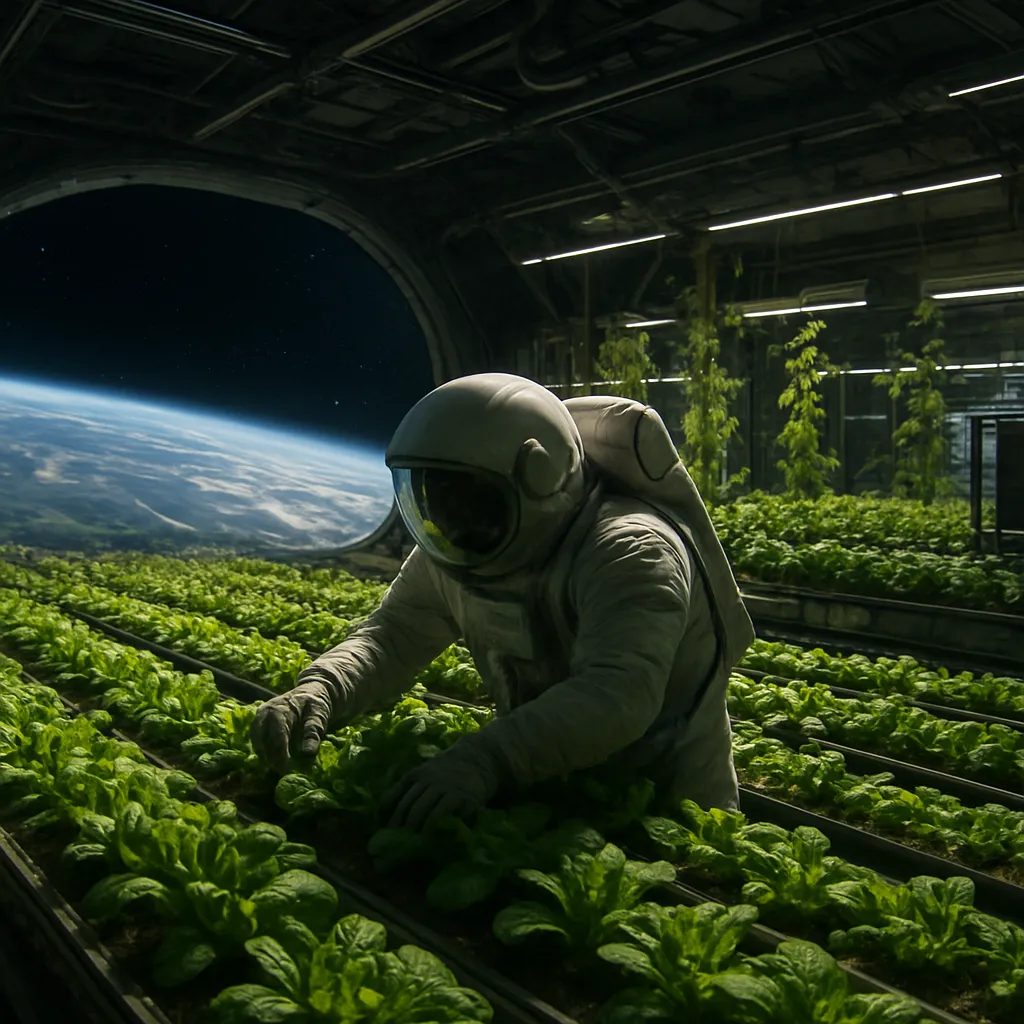
Traditional space agriculture experiments focus on hydroponics or aeroponics to grow crops under controlled lighting and nutrient solutions. To progress toward a bioregenerative life support system, modules must integrate plant cultivation with air revitalization, water recycling, and biomass production.
Hydroponic and Aeroponic Platforms
Water-based cultivation systems allow precise delivery of nutrients directly to roots, minimizing resource waste. By recirculating the nutrient solution, closed-loop hydroponics can achieve up to 90% water recovery. Modern setups use LED arrays tuned to specific wavelengths that maximize photosynthetic efficiency and accelerate growth cycles.
Algal Photobioreactors
Algae offer remarkable productivity per surface area and can serve multiple functions: oxygen generation, CO₂ scrubbing, and protein-rich biomass production. Photobioreactors—transparent tubes or flat panels—expose microalgae cultures to light while maintaining precise temperature and pH. The harvested algae feed both humans and higher trophic organisms like brine shrimp, creating a mini food web.
Integrated Crop-Livestock Modules
Small herbivorous invertebrates or fish can convert residual plant matter into additional protein sources. Aquaponics marries fish tanks and plant beds: fish waste supplies nutrients, while plants purify the water. Integration of aquatic and terrestrial systems enhances resilience by creating multiple biomass streams and biological redundancy.
Energy and Water Closure Strategies
Every habitat must contend with finite energy budgets and scarce water reserves. A circular infrastructure ensures minimal losses and effective resource redistribution.
Solar Photovoltaic Networks
Solar arrays remain the primary power source on the Moon or Mars. Deployable panels, possibly manufactured in-situ, feed energy into microgrids that control lighting, climate regulation, and life support. Advanced batteries or regenerative fuel cells store surplus power during peak sunlight and release it during eclipse periods.
Water Reclamation and Purification
Closed-loop habitats depend on multi-stage filtration: mechanical filters capture particulates, followed by reverse osmosis and catalytic oxidation to remove dissolved organics. Trace contaminants are eliminated through ultraviolet or sonochemical reactors. This staged approach yields potable water from urine, sweat, and condensate.
Thermal Management
Heat rejection and retention are crucial in environments with extreme temperature swings. Radiators dissipate excess thermal energy to space, while phase-change materials buffer diurnal cycles. A unified thermal control system ensures that agriculture bays, habitat modules, and resource-processing units remain within optimal temperature bands.
Materials, Construction, and Habitat Expansion
Building and enlarging extraterrestrial settlements demands sustainable materials and modular designs. Implementing a closed-loop construction paradigm reduces dependence on Earth-supplied components.
In-Situ Resource Utilization (ISRU)
Local regolith offers abundant raw material for regolith-based bricks, concrete analogues, and radiation shielding. Techniques like sintering with solar concentrators or binding with polymeric resins produce robust structural elements. ISRU minimizes launch mass and accelerates habitat scalability.
Modular 3D Printing
Autonomous printers can fabricate framework beams, habitat walls, and storage containers using recycled plastics or regolith composites. Modular units lock together via standardized interfaces, enabling rapid reconfiguration. This flexibility supports evolving mission objectives and population growth.
Adaptive Shielding Solutions
Protecting inhabitants from cosmic rays and micrometeorites requires innovative barriers. Regolith-filled walls, inflatable water tanks integrated into the hull, and electromagnetic field generators represent complementary approaches. By recycling water and regolith as shielding materials, habitats maintain a dynamic layer of defense.
Automation, Monitoring, and Autonomous Management
Human labor is a precious commodity in extraterrestrial settlements, so intelligent systems must oversee routine operations and respond to anomalies.
Sensor Networks and Data Analytics
Distributed sensors track air composition, soil moisture, structural stresses, and microbial activity. Machine-learning algorithms analyze this data in real time, predicting failures and optimizing growth recipes. Alerts trigger corrective actions—adjusting nutrient dosing or rerouting power to critical systems.
Robotics and Maintenance Bots
Small autonomous rovers and drones handle material transport, equipment inspections, and even minor repairs. Equipped with modular toolkits, they navigate both interior corridors and surface exteriors, performing tasks that would otherwise require costly extravehicular activity.
Closed-Loop Control Software
Advanced life support software orchestrates interactions among agricultural modules, waste recyclers, and power systems. By maintaining balanced mass flow rates and resource inventories, it ensures long-term stability and mothernature-like adaptivity.
Future Directions and Mission Integration
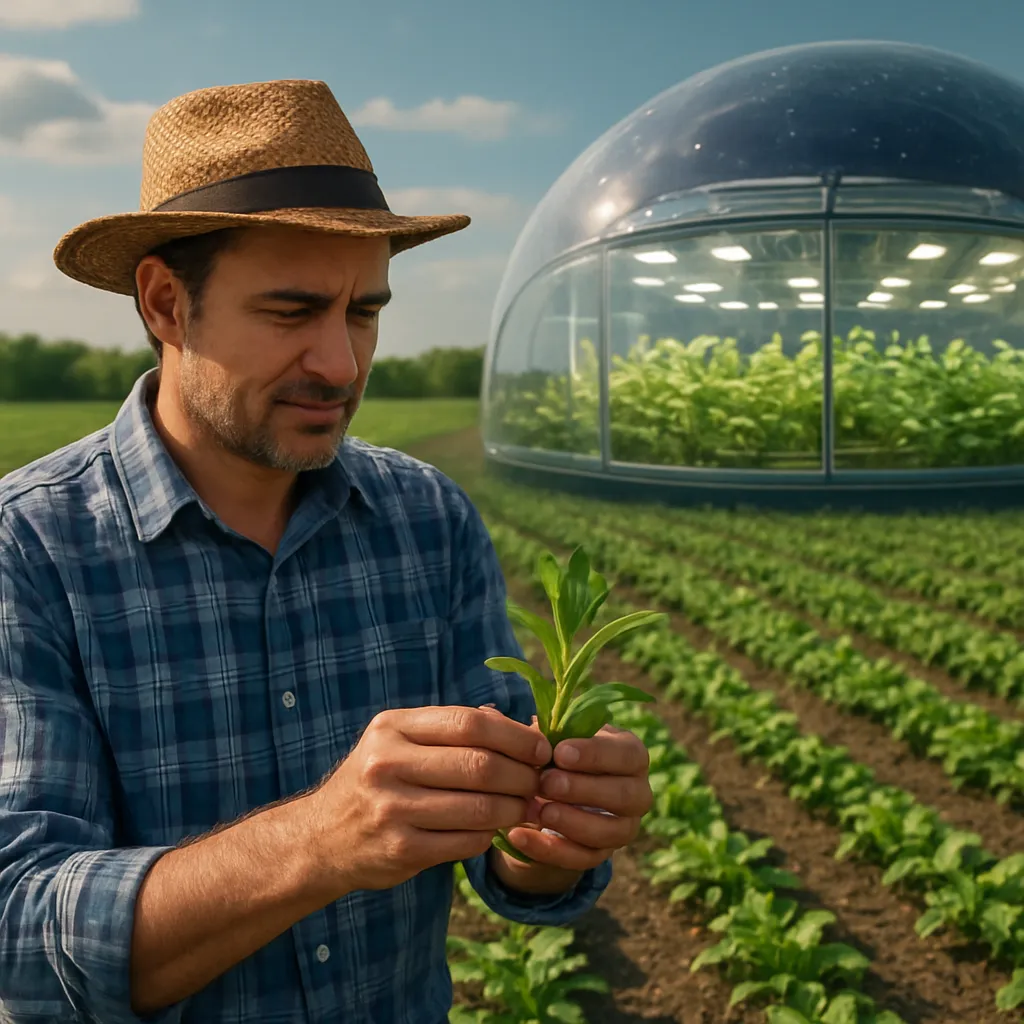
As mission architectures evolve, circular infrastructures will become the foundation for sustained human presence on the Moon, Mars, and beyond. International collaboration on standardized interfaces, material passports, and data-sharing protocols can accelerate development. Leveraging terrestrial breakthroughs in urban farming, waste-to-energy plants, and advanced recycling will inform extraterrestrial designs. The synergy between Earth-based pilot systems and off-world testbeds promises to refine best practices, ultimately proving that a truly extraterrestrial circular economy is not just aspirational, but achievable.