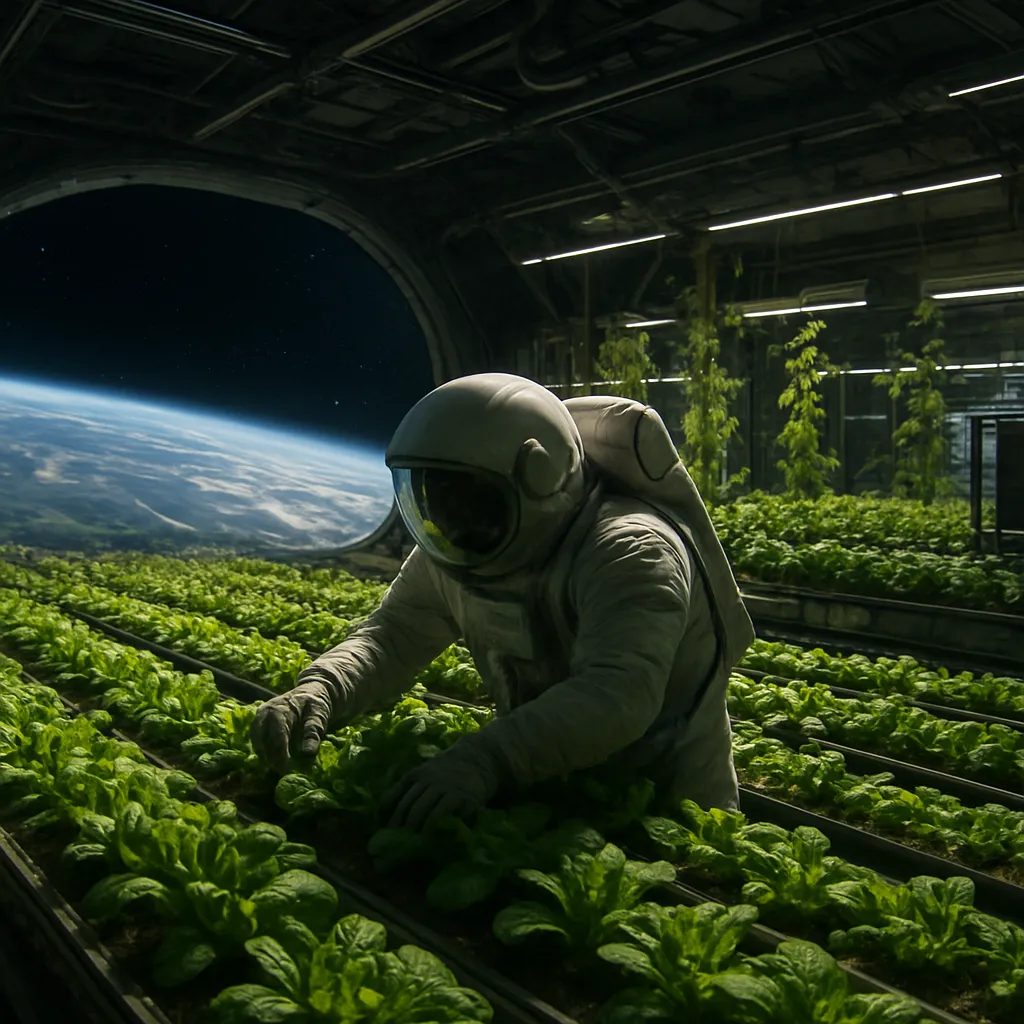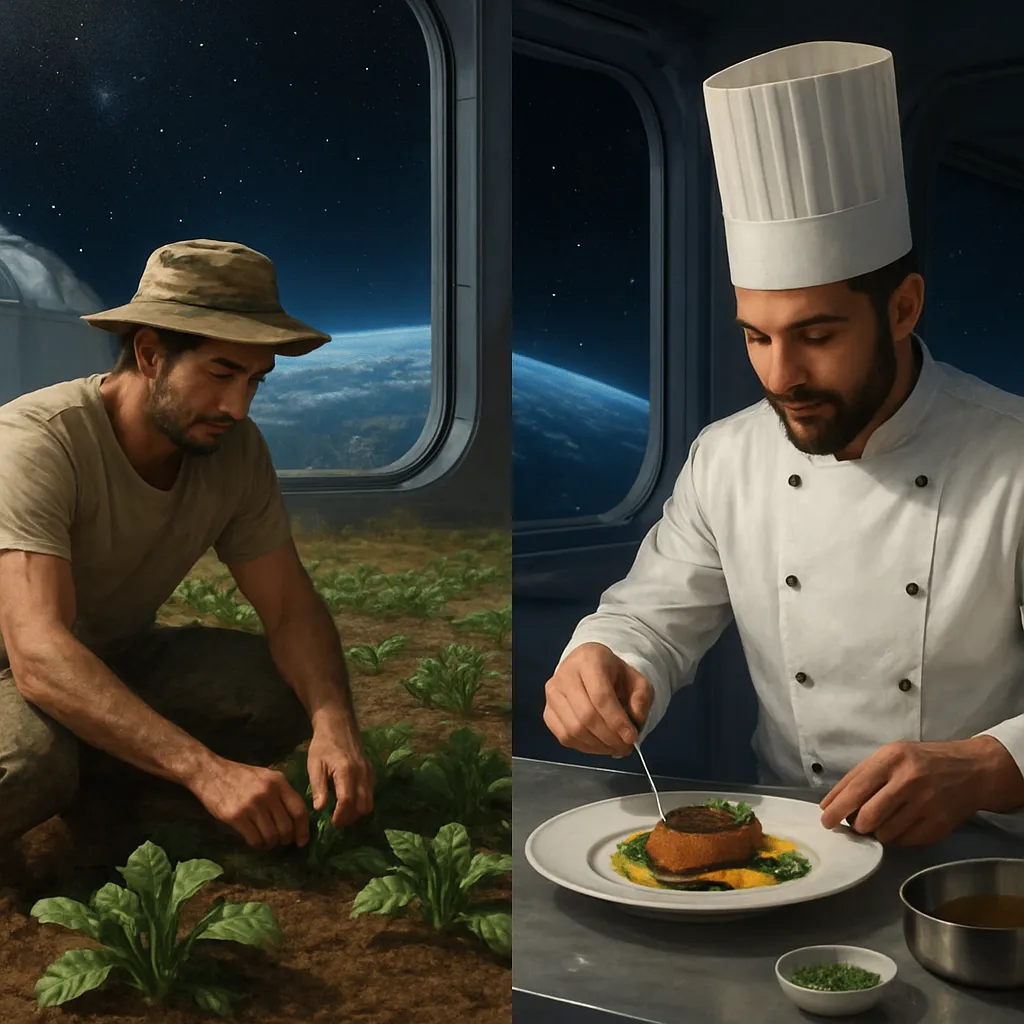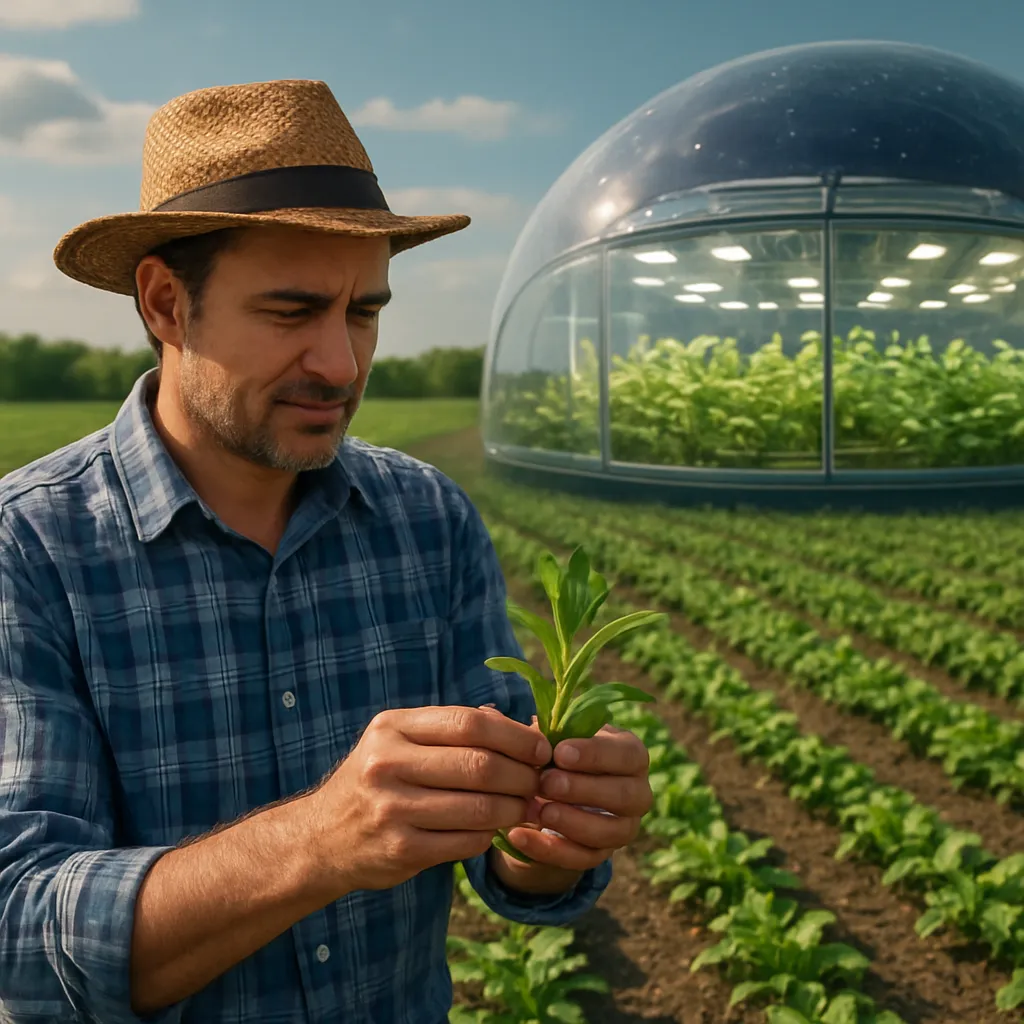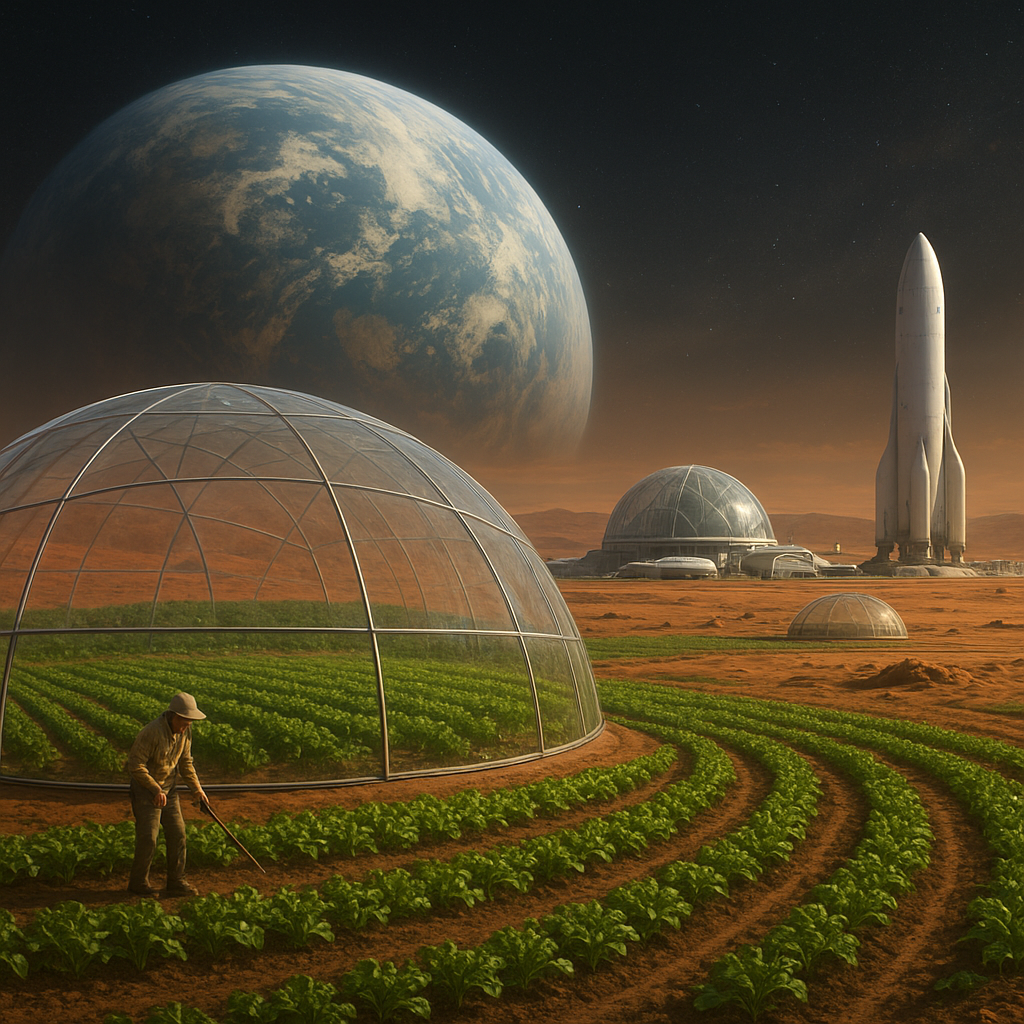
The pursuit of cultivating life beyond Earth represents a transformative approach to not only sustain future space missions but also to accelerate the process of planetary terraforming. By harnessing innovative agriculture techniques, scientists aim to create self-sufficient habitats, restore barren landscapes, and establish preconditions for complex ecosystems on planets such as Mars or the Moon. This article explores the technological, biological, and ecological pillars of space farming and its role in shaping humanity’s frontier.
Context and Importance of Space Agriculture
The concept of growing plants in extraterrestrial environments stems from the need to address both logistical and psychological challenges of long-duration missions. Transporting vast amounts of food from Earth is neither economically feasible nor sustainable. Instead, in-situ cultivation reduces resupply dependence and enhances mission resilience. Moreover, green habitats provide vital psychological benefits, boosting crew morale and mental health during prolonged isolation.
Beyond immediate mission support, space agriculture presents a dual-purpose strategy: optimizing life support systems and serving as a catalyst for full-scale terraforming. By converting carbon dioxide-rich atmospheres into breathable air, recycling waste streams into nutrients, and gradually modifying soil chemistry, these biological systems can lay the groundwork for future human settlements.
Technological Foundations for Extraterrestrial Farming
Controlled-Environment Agriculture
Controlled-Environment Agriculture (CEA) encapsulates a suite of technologies designed to regulate temperature, humidity, light, and nutrient delivery. On Earth, CEA has revolutionized crop yields through vertical farms and advanced greenhouses. In space, these concepts are adapted to function within pressurized modules or regolith-based planting beds.
- LED Lighting Systems: Tailored spectra optimize photosynthesis while minimizing energy consumption. Red and blue wavelengths are balanced to maximize biomass production.
- Hydroponics and Aeroponics: Soil-free solutions that deliver nutrient-rich solutions directly to roots, reducing water usage by over 90% compared to traditional soil-based methods.
- Climate Control Units: Sensors and actuators maintain ideal environmental parameters, automatically adjusting airflow, humidity, and temperature to suit specific crop cycles.
- Waste Recycling Loops: Integration of solid and liquid waste streams into bio-regenerative nutrient cycles, closing the material loop and reducing dependency on Earth-supplied resources.
Robotics and Automation
Robotic systems are essential to minimize crew workload and ensure consistent operations. Autonomous arms handle seeding, pruning, and harvesting, while machine vision diagnoses plant health and guides precision interventions. Software algorithms steer irrigation schedules and nutrient dosing, learning from data trends to optimize yields over time.
Biological and Ecological Strategies
Microbial Consortia and Soil Formation
The foundation of any agricultural system lies in the soil microbiome. Introducing tailored microbial consortia into lunar regolith or Martian dust can initiate weathering processes and produce essential nutrients such as nitrogen and phosphorus. These microbes catalyze the decomposition of organic matter, fix atmospheric nitrogen, and solubilize mineral elements, gradually transforming inhospitable substrates into fertile growth media.
Plant Selection and Genetic Optimization
Selecting robust plant species is critical for early-stage space farms. Fast-growing, nutrient-dense crops like lettuce, radishes, and certain legumes serve as primary candidates. Through genetic innovation, researchers develop strains with enhanced radiation tolerance, reduced gravity adaptation, and accelerated growth cycles. CRISPR-based editing allows precise modifications to stress-response pathways, improving yield reliability under extraterrestrial conditions.
Sustainability and Closed-Loop Ecology
Closed-loop systems integrate plants, microorganisms, water, and waste in interdependent cycles that mimic Earth’s biosphere. Water transpired by plants is captured, condensed, and recirculated. Oxygen released during photosynthesis replenishes cabin air, while carbon dioxide exhaled by crew serves as plant feedstock. Biowaste and inedible biomass are composted by specialized microbial communities, converting residues into fertilizer. Such synergies extend mission durations indefinitely, provided system integrity and nutrient balance are maintained.
Prospects for Planetary Terraforming
Atmospheric Modification
On planets with thin or hostile atmospheres, large-scale bioreactors and greenhouses could serve as atmospheric engineers. By cultivating dense algal mats or hardy mosses in strategic crater basins, it is conceivable to release substantial quantities of oxygen and organic aerosols. Over centuries, these efforts could thicken the atmosphere, raise surface pressure, and establish a more Earth-like climate.
Surface Albedo and Thermal Regulation
Reflective vegetation and engineered biopolymers can alter planetary albedo, controlling heat retention. Darker, bioengineered ground cover absorbs sunlight, warming local regions and promoting ice melt where water ice is present. Conversely, bright plant mats could cool overheated zones. Such techniques, integrated with orbital mirrors or solar shades, create a nuanced approach to regional climate management.
Long-Term Ecosystem Development
Once primary producers are established, secondary organisms—ranging from invertebrates to higher plant species—can be introduced to build trophic complexity. Gradual enhancement of soil organic content paves the way for deeper-rooted plants, while successive waves of microbial and fungal populations fortify nutrient cycling. Over millennia, these processes aim to transform barren landscapes into verdant ecosystems capable of supporting human and animal life without artificial enclosures.
Key Challenges and Research Directions
- Radiation Protection: Developing bio-shields or engineering radiation-resistant crops remains vital to safeguard DNA integrity.
- Water Resource Management: Locating, extracting, and purifying in-situ water sources requires advancements in drilling and filtration.
- Energy Efficiency: Sustainable power generation through compact nuclear reactors or expansive solar arrays underpins all agricultural operations.
- Planetary Protection Protocols: Ensuring forward and backward contamination control to preserve both Earth’s and other worlds’ biospheres.
Conclusion
Advances in space agriculture not only promise to revolutionize life support for deep-space travelers but also pave a scientifically grounded path toward deliberate planetary terraformation. By intertwining cutting-edge hydroponics, microbial engineering, and ecosystem-level design, humanity can extend its reach across the Solar System. Such endeavors embody the spirit of exploration and the commitment to long-term survival, demonstrating that even the harshest frontiers can be reshaped through sustainability, ingenuity, and the collective pursuit of a thriving cosmic future.