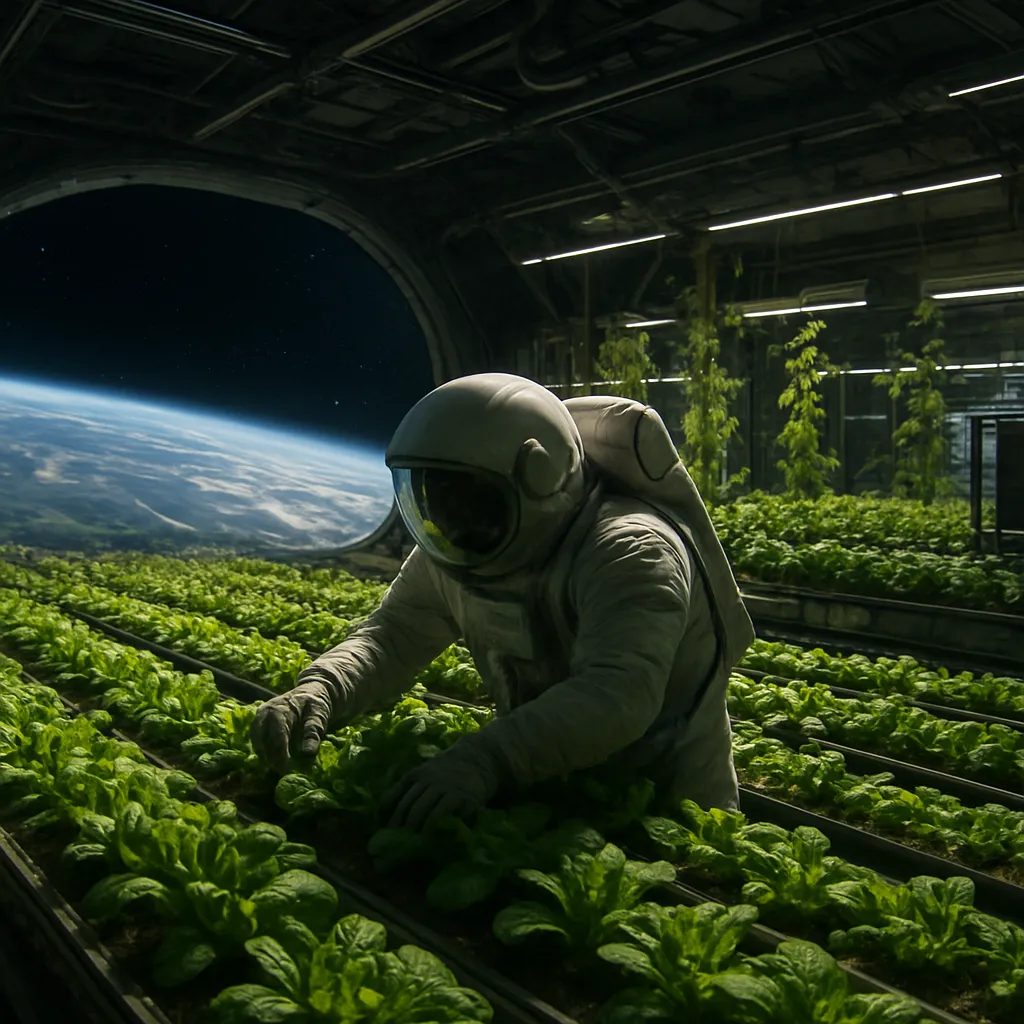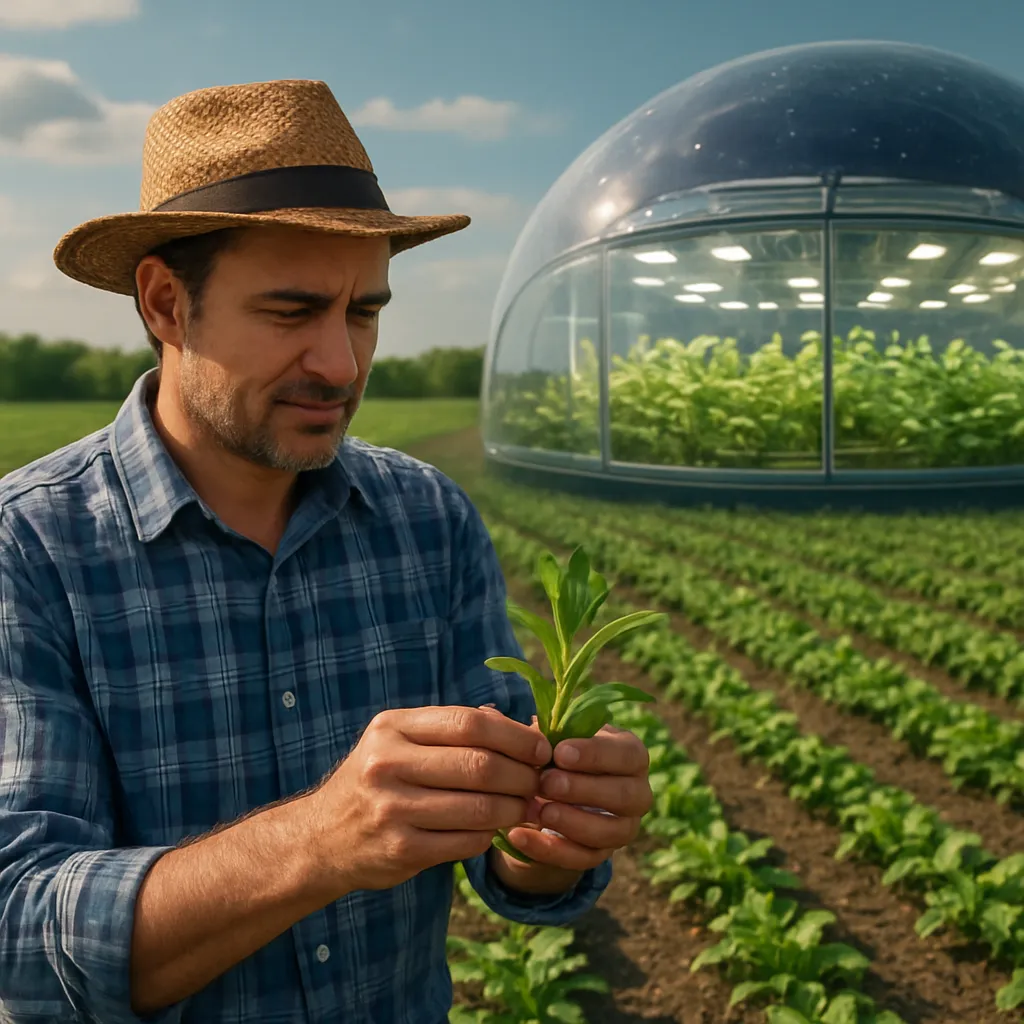
The growing interest in establishing agricultural systems beyond Earth’s surface has led to innovative approaches for mitigating the effects of radiation on crops and crew. As space explorers venture farther from Earth, they encounter elevated levels of cosmic rays and charged particles that threaten both biological life and delicate equipment. This article explores cutting-edge solutions for effective shielding in space-based farms, focusing on material science, engineering design, biological implications, and emerging technologies that promise to secure food production in extraterrestrial environments.
Innovative Materials for Radiation Shielding
Advancements in material science are paramount for protecting space farm modules. Researchers are evaluating a variety of substances that can attenuate harmful radiation while meeting strict mass and volume constraints imposed by launch vehicles. Among the most promising candidates are composites reinforced with hydrogen-rich fibers, regolith-based bricks, and polymer multilayer laminates.
- Regolith-Derived Shields: Lunar and Martian regolith can be processed into sintered blocks or 3D-printed panels, offering localized solutions that minimize launch mass. These structures absorb high-energy particles through dense mineral matrices.
- Hydrogenated Polymers: Materials such as polyethylene and polypropylene contain abundant hydrogen atoms, which effectively slow down and capture neutrons. Integrating polymer layers into habitat walls provides lightweight protection against secondary radiation.
- Metallic Composites: Alloys infused with boron or lithium compounds can capture neutrons and reduce secondary gamma emission. Innovations in nanostructuring enhance strength-to-weight ratios.
- Water Walls and Ice Barriers: Utilizing water as both a resource for plants and a shield, modular bladders or ice panels can double as radiation buffers and thermal moderators.
Research into multifunctional materials aims to combine structural integrity, thermal control, and radiation attenuation. By integrating sensors within shield layers, real-time monitoring of particle flux can inform adaptive shielding strategies.
Design Strategies for Integrating Shields in Space Farms
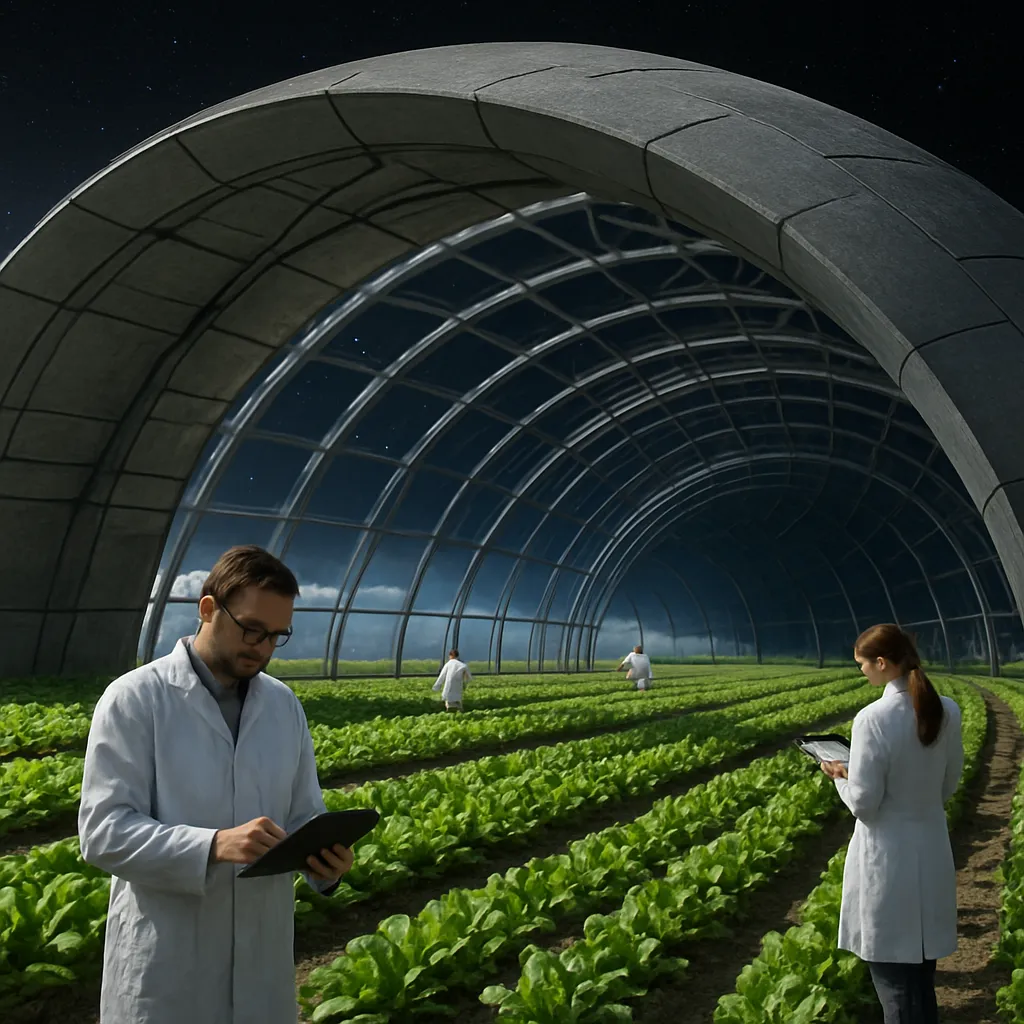
Effective design balances shielding performance with habitat ergonomics. Space farms must incorporate barriers without compromising light transmission, air circulation, or efficient use of interior volume. Engineers are experimenting with layered configurations and modular subsystems that can be adapted to different farm layouts.
Layered Shield Architecture:
- Primary Barrier: External hull composed of high-density materials to slow down charged particles.
- Secondary Barrier: Internal partitions with hydrogen-rich composites or water jackets to neutralize residual neutrons.
- Internal Reflectors: Surfaces coated with boron nitride or similar compounds to reflect secondary radiation away from plant canopies.
By incorporating transparent shielding segments—such as acrylic windows doped with boron—researchers enable natural light penetration while maintaining safety. Photovoltaic arrays double as partial shields when positioned above growing zones, converting harmful radiation into usable energy.
Modularity and Scalability
Concepts for next-generation space farms emphasize plug-and-play modules. Each module contains a self-contained shielding assembly that can be docked, replaced, or upgraded without exposing crews to unmitigated radiation. Standardized interfaces allow for scalable expansion, from initial testbeds to fully operational greenhouses on the Moon or Mars.
Biological Impacts and Protective Approaches
Even with robust physical shields, some ionizing particles penetrate into cultivation chambers, potentially causing DNA damage in plant cells. To enhance resilience, scientists investigate genetic and biochemical strategies that complement material barriers.
- Radioprotective Compounds: Application of natural antioxidants and protective metabolites can mitigate free radical damage in plant tissues. Compounds like ascorbate and glutathione scavenge harmful ions.
- Genetic Engineering: Introducing genes responsible for efficient DNA repair or UV-absorbing pigments into crop genomes boosts tolerance to residual radiation.
- Microbial Symbiosis: Beneficial endophytes and rhizobia strains are being selected for their capacity to shield roots and enhance nutrient uptake under stress conditions.
- Controlled Atmospheres: Adjusting oxygen and carbon dioxide levels in growth chambers affects the formation of reactive oxygen species, reducing cellular damage.
Studies on extremophiles—organisms thriving in high-radiation Earth environments—guide the creation of robust plant varieties suited for space conditions. Coupled with physical barriers, these biological approaches form a dual-layered defense system that preserves crop yield and nutritional quality.
Future Directions and Technological Advancements
Next-gen space agriculture hinges on continued synergy between innovation in material science, engineering, and biology. Emerging technologies promise to refine shielding solutions, making them lighter, more effective, and better integrated into habitat ecosystems.
Smart Shielding Systems:
- Active Magnetic Fields: Research into superconducting magnets explores the possibility of deflecting charged particles without excessive mass penalties.
- Self-Healing Materials: Polymers and composites capable of repairing microcracks from micrometeoroid impacts maintain long-term shielding integrity.
- Adaptive Nanostructures: Metamaterials that change properties in response to radiation flux could dynamically optimize protection.
- Integrated Sensor Networks: Distributed detectors within shield layers feed data to AI-driven control systems for predictive maintenance.
As astronaut missions extend to multi-year stays on the Moon and Mars, space farms will evolve into fully autonomous bioregenerative life support hubs. The ongoing collaboration between space agencies, universities, and private companies accelerates the deployment of practical, sustainable solutions. With the right combination of advanced shields, resilient crops, and intelligent systems, the dream of off-world agriculture moves closer to reality, ensuring a reliable food supply for future explorers and colonists.