Advancements in space agriculture are **redefining** how humanity approaches cultivation in extreme environments. By transferring knowledge gained from extraterrestrial experiments to terrestrial projects, researchers are unlocking innovative strategies for tackling global food security and environmental **challenges**. This exploration goes beyond mere curiosity—it represents a tangible pathway toward sustainable, resilient systems on Earth.
Pioneering Growth Systems: Learning from Extraterrestrial Labs
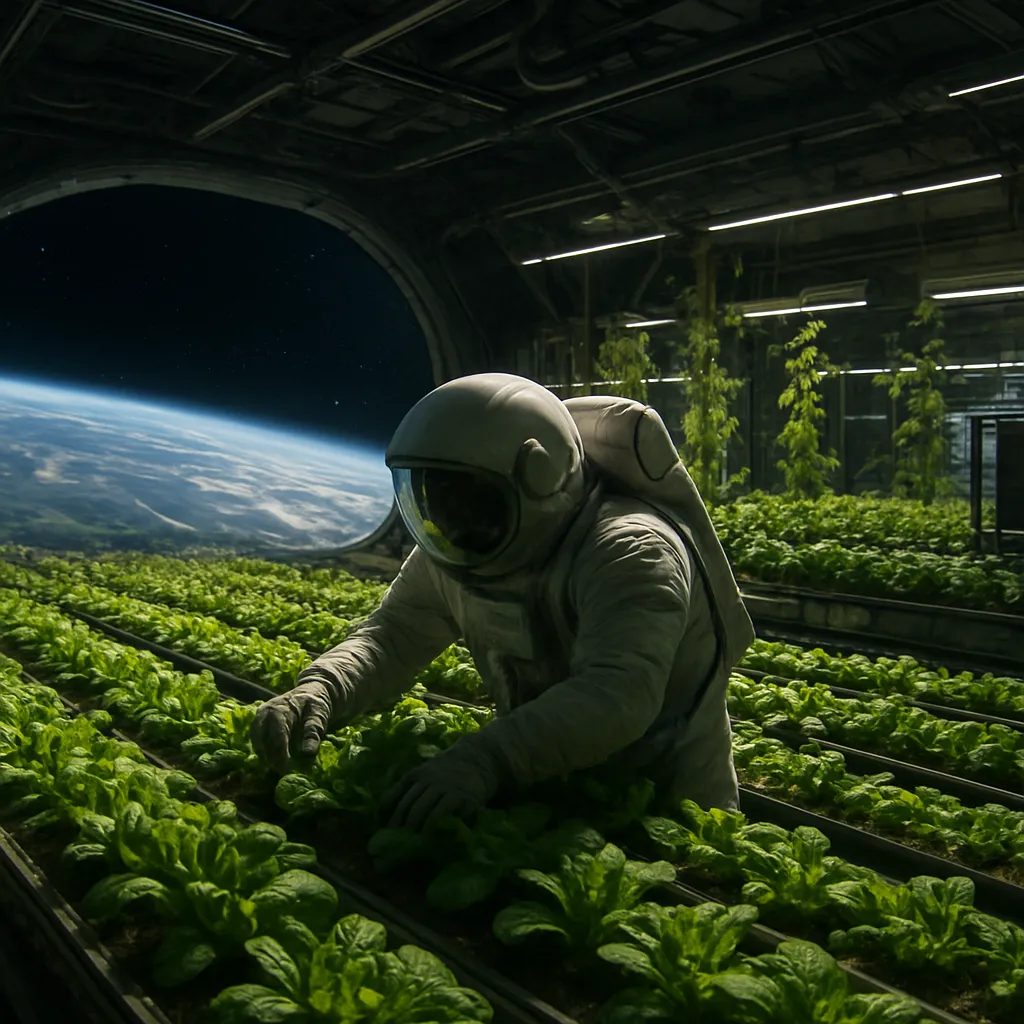
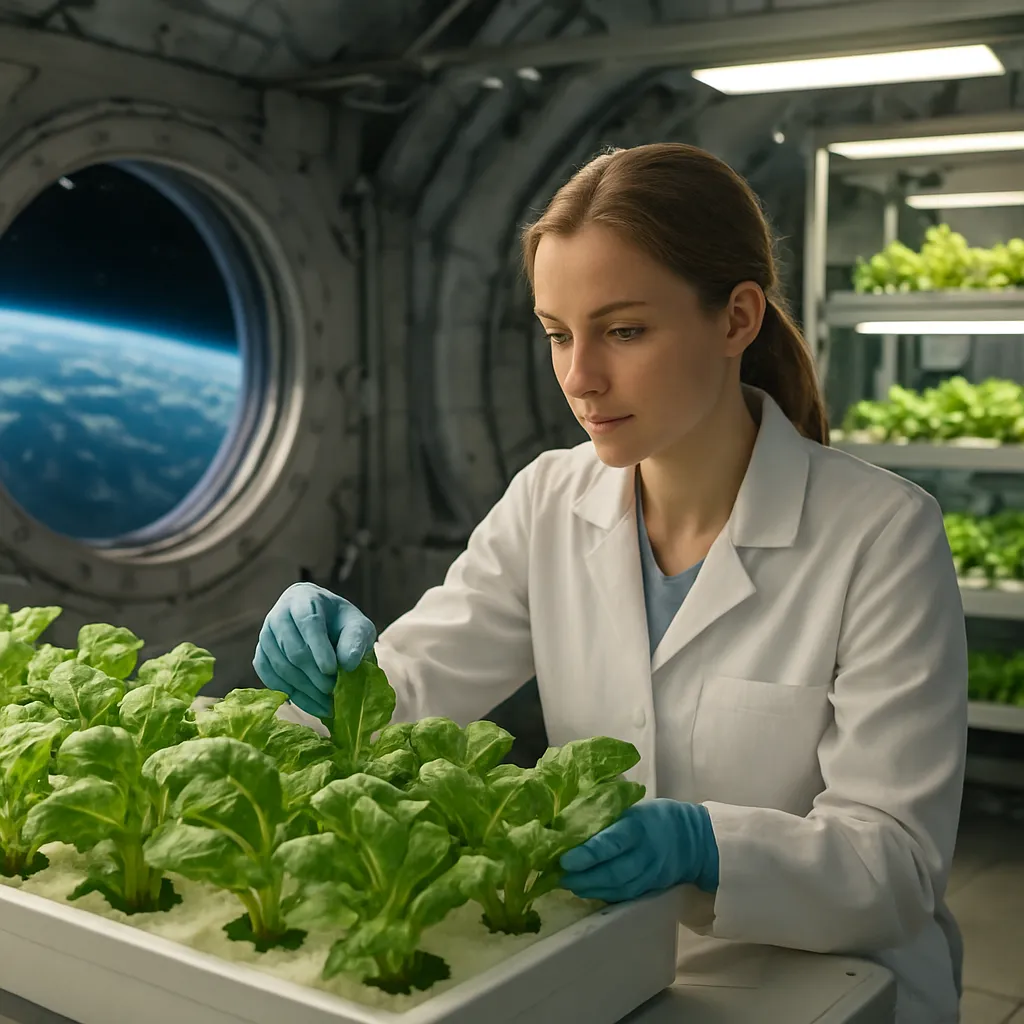
Developing viable agricultural systems in orbit or on planetary surfaces requires mastering **microgravity**, limited resources, and harsh radiation. Space agencies worldwide have conducted numerous plant growth studies aboard the International Space Station (ISS), focusing on closed environments where every drop of water and joule of light must be optimized. These experiments utilize techniques such as hydroponics, aeroponics, and **LED**-based lighting systems to maintain healthy plant development in the absence of natural sunlight and soil.
Microgravity’s Influence on Plant Development
Under **microgravity** conditions, roots exhibit altered orientation and nutrient uptake, while shoots respond differently to light cues. Studying these effects has led to:
- Novel root-zone designs that improve oxygenation and nutrient delivery.
- Light spectrum studies enabling tailored **photosynthesis** efficiency at specific wavelengths.
- Adaptive growth chambers ensuring uniform temperature and humidity control.
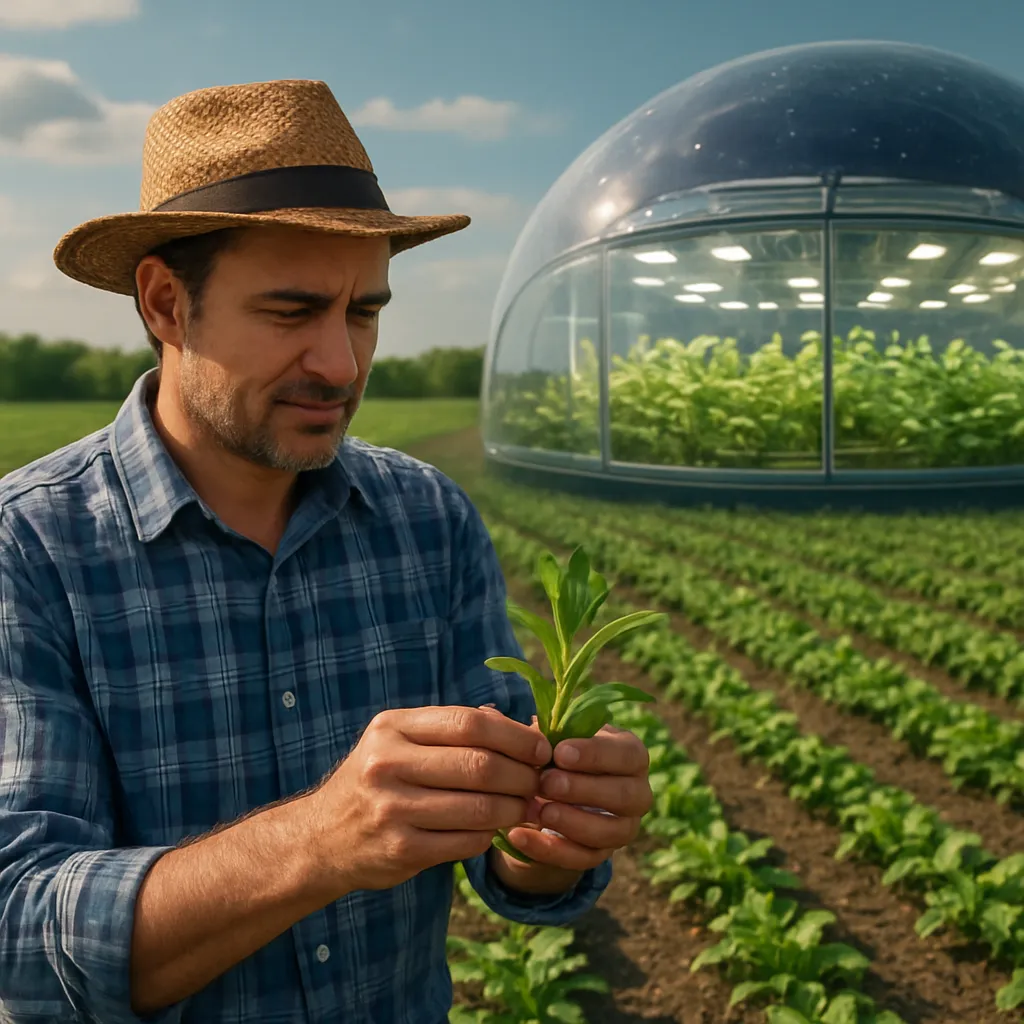
These findings guide the design of Earth-based vertical farms and greenhouses, where precise environmental regulation boosts yields and reduces resource consumption.
Technological Innovations with Earth Applications
Space agriculture spurs **spin-offs**—technologies originally intended for astronauts that now benefit terrestrial farming and resource management. Key advancements include:
- Water Recycling: Closed-loop systems aboard spacecraft capture, filter, and reuse wastewater. On Earth, similar units are deployed in arid regions, transforming greywater into irrigation-ready quality.
- Telemetry and Remote Monitoring: Compact sensors track soil moisture, nutrient levels, and plant health in real time. Farmers integrate these devices into precision agriculture platforms, reducing waste and maximizing yield.
- Efficient LED Lighting: Energy-saving bulbs developed for space grow modules now light urban vertical farms, cutting electricity costs and enhancing crop growth with customizable light spectra.
- Automated Environmental Control: AI-driven climate management systems originally tuned for spacecraft greenhouses enable dynamic adjustments in humidity, temperature, and CO₂ levels in large-scale terrestrial greenhouses.
By transferring space-tested technologies to Earth, agriculturalists can achieve higher productivity while minimizing environmental footprints.
Bioregenerative Life Support and Closed-Loop Models
Creating a self-sustaining habitat for astronauts demands an integrated, **closed-loop** approach to waste recycling and nutrient recovery. These **bioregenerative** life support systems combine plants, algae, and microbes to regenerate air, purify water, and produce food. Translating these concepts to terrestrial contexts fosters innovative solutions for circular economy initiatives.
Integrating Algae and Microbes for Nutrient Cycling
Algae bioreactors aboard spacecraft convert carbon dioxide into oxygen while generating biomass rich in proteins and omega-3 fatty acids. On Earth, municipal wastewater treatment plants are incorporating microalgae to:
- Remove excess nitrogen and phosphorus from effluents.
- Generate biofuels and animal feed supplements.
- Produce high-value pigments and nutraceutical compounds.
Simultaneously, soil inoculants containing specific microbial consortia, developed to support plant resilience in space, are now used in degraded soils to promote nutrient availability and disease suppression.
Community Initiatives and Future Directions
Grassroots organizations and research consortia are leveraging space agriculture insights to launch local sustainability projects. Community greenhouses model closed-loop irrigation systems informed by orbit-based studies, drastically reducing water consumption. Urban farms implement modular hydroponic racks inspired by space growth chambers, achieving year-round production under LED arrays.
Looking ahead, the convergence of biotechnology, AI, and space-derived agricultural methods promises new frontiers. Synthetic biology may engineer plants with enhanced stress tolerance, enabling cultivation in marginal lands. Advanced remote-sensing networks could optimize global food distribution, cutting waste and ensuring equitable access. Ultimately, by embracing the lessons of space agriculture—such as meticulous resource management, system integration, and robust design—Earth-bound communities can build more resilient, **resource-efficient**, and sustainable food systems.