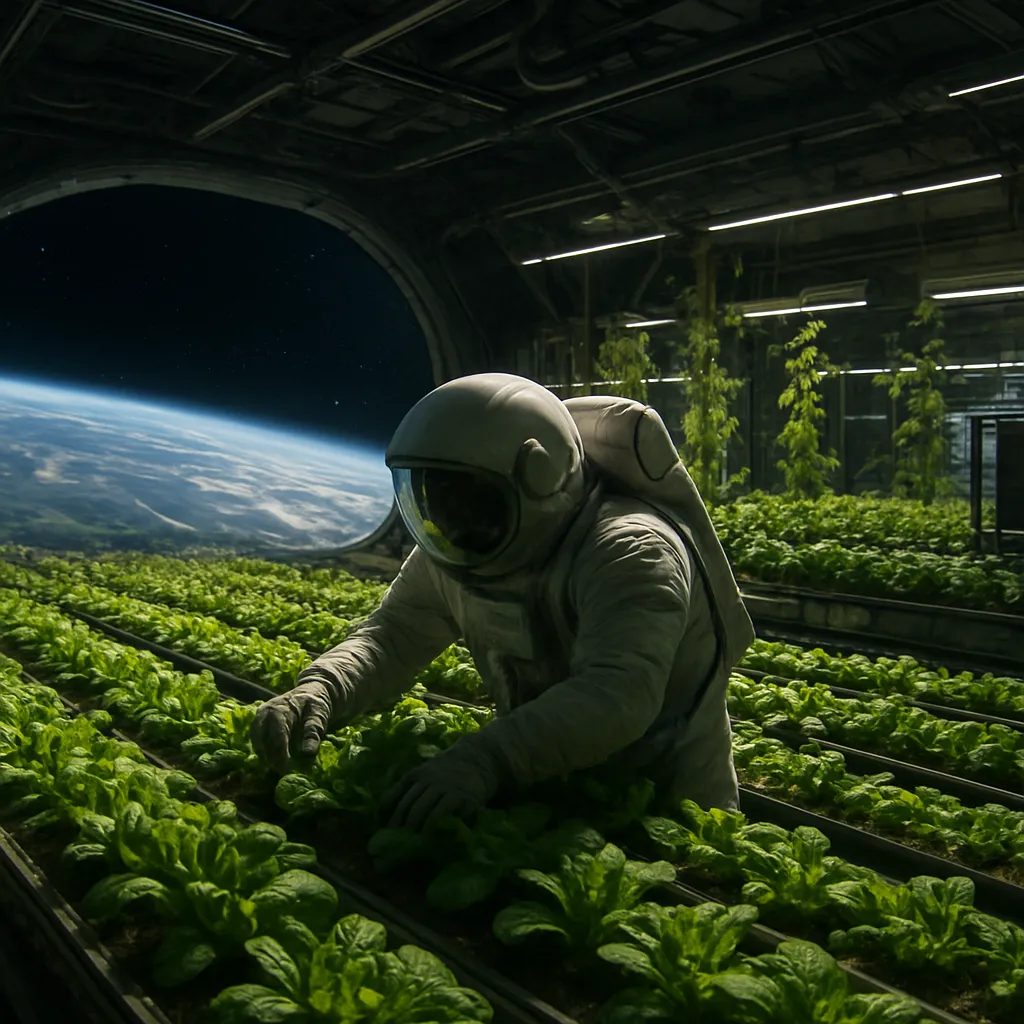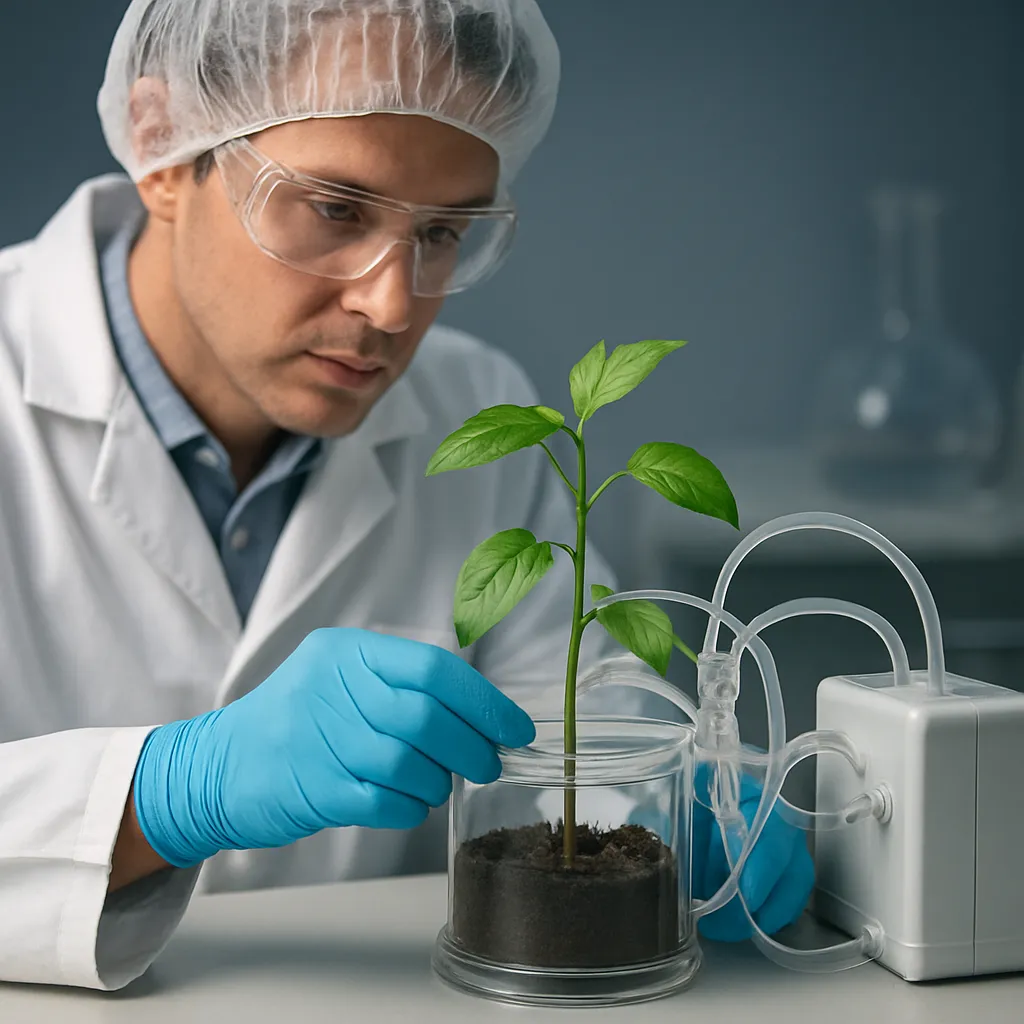
Exploring advanced strategies to sustain plant growth beyond Earth’s boundaries requires a fusion of cutting-edge biotechnology, engineering, and space sciences. By focusing on **hydroponic** systems, **bioreactors**, and **photobioreactors**, researchers aim to overcome the unique challenges posed by **microgravity** and closed-environment life support. This article delves into the latest developments in **nanofertilizers**, microbial **symbiosis**, and **automation**, offering insights into how bioengineered nutrient delivery systems can ensure **resilience** and long-term **sustainability** for extraterrestrial agriculture.
Engineering Nutrient Delivery in Microgravity
Maintaining a stable supply of water and dissolved nutrients in a **microgravity** environment requires innovative approaches. On Earth, gravity helps distribute liquids; in orbit, fluids behave unpredictably, forming floating droplets or adhering to surfaces. To address this, space agriculture employs microfluidic channels and capillary-driven irrigation to guide nutrient flow directly to plant roots. Researchers have developed sealed root modules with embedded reservoirs that rely on precise pressure differentials rather than gravity to deliver solutions.
Key design considerations include:
- Implementing porous matrices made from hydrophilic polymers to retain moisture and release it gradually.
- Using micro-pumps with feedback from embedded sensors to regulate flow rates.
- Adapting the Nutrient Film Technique (NFT) by tilting growth trays at slight angles to create continuous thin films of solution.
Such systems allow astronauts to cultivate leafy greens and root vegetables without manual watering, reducing crew workload and minimizing contamination risks.
Nanotechnology and Bioengineered Carriers
The advent of **nanofertilizers** and specialized carriers has revolutionized nutrient management by enabling targeted, controlled release of essential elements such as nitrogen, phosphorus, and potassium. These nano-scale delivery vehicles can be designed to respond to environmental stimuli—pH changes, root exudates, or light exposure—ensuring that nutrients become available precisely when needed.
Microencapsulation Techniques
By encapsulating micronutrients within biodegradable polymers, scientists achieve both protection from oxidation and delayed release profiles. This microencapsulation strategy enhances nutrient uptake efficiency while minimizing waste. Typical materials used include poly(lactic-co-glycolic acid) and chitosan, which degrade harmlessly into byproducts that can be reabsorbed or metabolized by soil microbes.
Stimuli-Responsive Release
Advanced carriers leverage smart polymers that respond to:
- Temperature fluctuations inside habitat modules.
- Root-secreted enzymes that trigger capsule breakdown.
- Light wavelengths from onboard LED arrays, offering remote control over nutrient timing.
The integration of **microencapsulation** with sensor networks paves the way for precision agriculture in space, maximizing yield on limited resources.
Symbiotic and Microbial Enhancement Strategies
Leveraging beneficial microorganisms can significantly boost plant health and nutrient availability in closed systems. Space-adapted strains of rhizobacteria and mycorrhizal fungi facilitate **symbiosis**, improving nutrient solubilization and stress tolerance. For instance, engineered Arbuscular Mycorrhizal Fungi (AMF) can extend hyphal networks deep into growth substrates, increasing root surface area and enhancing uptake of phosphorus and micronutrients.
Genetic Modulation for Space Conditions
Through genetic engineering, microbial consortia are tailored to withstand radiation levels and microgravity-induced stress. Key modifications include:
- Enhanced DNA repair pathways to survive cosmic rays.
- Upregulated antioxidant production to mitigate oxidative stress.
- Optimized biofilm formation for stable colonization of root zones.
These traits help ensure consistent **sustainability** of nutrient cycles within bioregenerative life support systems (BLSS).
Automation and Smart Monitoring
To minimize crew intervention, contemporary space farms integrate robust **automation** platforms. A network of optical, chemical, and moisture sensors feeds real-time data into AI-driven control units. These systems adjust lighting schedules, nutrient dosing, and airflow to maintain optimal growth conditions.
Robotics and AI in Plant Care
Small robotic arms equipped with multispectral cameras can identify signs of nutrient deficiency, disease, or mechanical damage. By cross-referencing imagery with machine learning models, the system can:
- Initiate targeted nutrient injections via microvalves.
- Perform localized trimming or pollination tasks.
- Alert crew members only when manual intervention is essential, thereby preserving astronaut time.
Such integration of **automation** with predictive analytics not only enhances crop yields but also reduces system failures.
Photonic and Energy-Efficient Design
Energy constraints aboard spacecraft necessitate innovative lighting and heating solutions. Research into **photonic** crystal panels aims to channel specific wavelengths to plant canopies, improving photosynthetic efficiency while minimizing power consumption. Additionally, heat generated by LED arrays can be recycled through thermal exchangers to maintain favorable temperatures in cultivation modules.
- Dynamic light spectrum adjustment for different growth stages.
- Integration of photovoltaic panels to partially power lighting systems.
These energy-smart designs contribute to overall system **resilience** and reduce reliance on spacecraft power reserves.
Applications for Long-Duration Missions
Implementing reliable nutrient delivery systems is crucial for missions to the Moon, Mars, and beyond. On lunar bases, regolith-based substrates augmented with microbial inoculants may serve as a primary growth medium. On Mars, in situ resource utilization (ISRU) strategies will harness local water and minerals, combined with sealed bioreactors, to cultivate staple crops like potatoes and legumes.
- Closed-loop water recycling with integrated filtration and sterilization.
- Modular greenhouse units that can be expanded as crew size grows.
- Emergency backup systems using freeze-dried seed banks and nutrient cartridges.
By refining these bioengineered nutrient delivery frameworks, space agencies aim to establish **sustainability** and food security for explorers venturing into deep space.