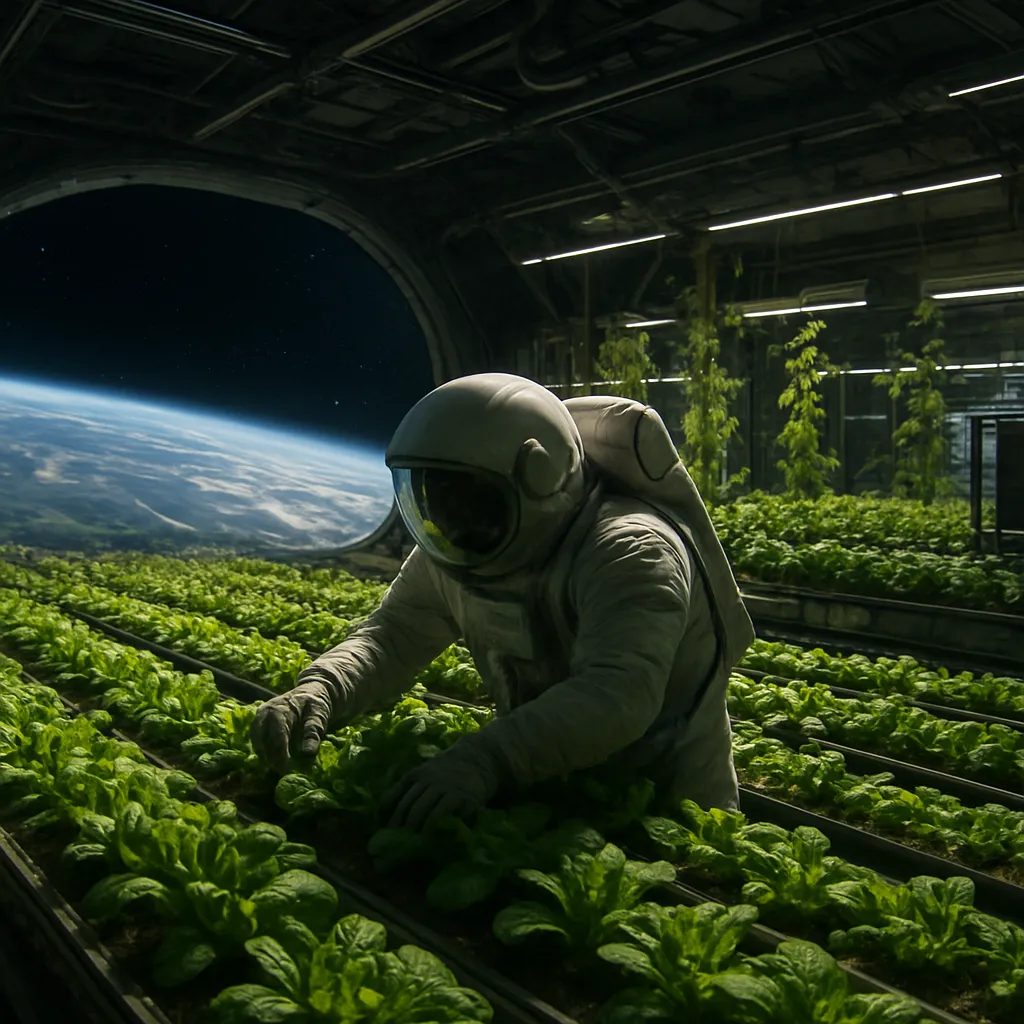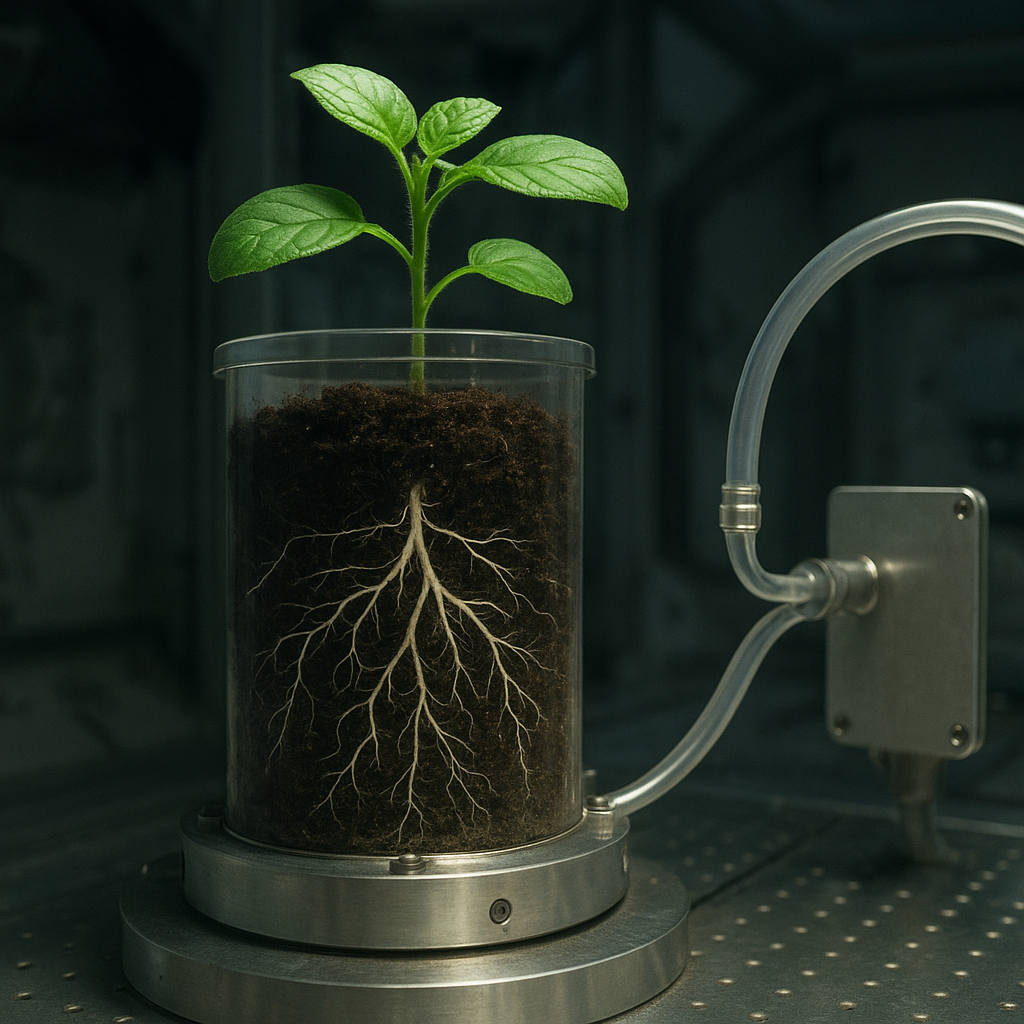
Advancements in cultivating plants beyond Earth demand a deep understanding of root behavior under altered gravity. Optimizing root systems to maximize water retention in microgravity is critical for sustainable life support. This article delves into engineering strategies that enhance fluid uptake, stabilize nutrient distribution, and improve overall plant performance in space habitats.
Challenges in Microgravity Cultivation
On Earth, gravity guides water flow through soil pores and directs root growth downward. In microgravity, the absence of a consistent gravitational vector disrupts capillary action, leading to uneven moisture distribution. Roots may grow in random orientations, forming knots or failing to explore the growth medium efficiently. Additionally, low fluid shear stresses alter root hair development, compromising nutrient uptake.
Traditional substrates like soil or rock wool struggle to retain water uniformly in space. Excess water can accumulate in air pockets, fostering hypoxic conditions, while dry zones deprive roots of hydration. Effective cultivation demands novel approaches to manage the delicate balance between fluid availability and oxygen diffusion.
Innovative Root Architecture Engineering
Biopolymer Coatings and Hydrogels
Wrapping seedling roots in specialized biopolymer coatings can modulate water release. Hydrogels derived from natural polysaccharides—such as alginate or cellulose derivatives—create a microenvironment that slowly exudes moisture. By tuning crosslink density, these coatings achieve desired hydraulic conductivity, preventing rapid desiccation or waterlogging.
- Layered coatings can include nutrient reservoirs, delivering minerals when triggered by root exudates.
- Responsive hydrogels react to pH changes in the rhizosphere, adjusting water availability dynamically.
Synthetic Scaffold Design
Engineered scaffolds resemble a three-dimensional maze, guiding roots into optimal configurations. Materials like porous ceramics or 3D-printed polymer networks provide mechanical support while maintaining capillary channels. These structures ensure even moisture distribution throughout the growth matrix.
- Gradient porosity funnels water toward root tips, preventing stagnation.
- Embedded microfluidic channels deliver precise fluid volumes to targeted zones.
Combining synthetic scaffolds with hydrogel insertions enhances both water retention and root anchorage. Computer modeling predicts root paths, informing scaffold geometry that promotes uniform root spread.
Physiological and Molecular Approaches
Genetic Modulation of Hydraulic Conductivity
Advanced gene-editing tools enable the modification of aquaporin expression levels, which regulate water flow across cell membranes. Upregulating specific aquaporin isoforms enhances root cell water permeability, improving overall plant hydration in low-gravity environments. Conversely, downregulating certain channels can reduce unwanted water loss when moisture is scarce.
Target genes influencing root hair density and length are also under investigation. Longer or denser root hairs increase the surface area for water absorption, compensating for erratic fluid distribution in microgravity.
Enhancing Root-Microbe Interactions
Soil microbes play a pivotal role in nutrient cycling and water retention. Engineering beneficial symbioses between plants and microorganisms can bolster drought resistance and fluid uptake. Bioinoculants—such as mycorrhizal fungi or rhizobacteria—produce extracellular polysaccharides that bind water and improve soil structure.
- Microbial EPS (extracellular polymeric substances) form biofilms around roots, maintaining a humid microenvironment.
- Engineered bacteria can secrete root growth–promoting hormones, enhancing root architecture for superior water foraging.
Practical Implementations and Future Directions
Spaceflight Experiments and Results
Recent International Space Station (ISS) trials tested hydrogel-infused substrates with Arabidopsis and lettuce. Plants grown in these media displayed up to 30% higher plant biomass and more uniform root branching compared to controls. Imaging data revealed that roots adhered closely to hydrogel surfaces, minimizing air gaps and optimizing fluid contact.
Another experiment utilized 3D-printed root chambers with microchannels delivering micronutrients directly to root apices. This system yielded healthier seedlings and demonstrated the feasibility of closed-loop water recycling in modular plant growth units.
Terraforming and Off-Earth Agriculture
Long-duration missions to Mars or lunar habitats will require robust agricultural modules capable of self-sustaining water cycles. Engineered root systems must adapt to regolith analogs, which present unique challenges in porosity and mineral composition. By integrating synthetic scaffolds with tailored hydrogels, future habitats could cultivate cereals, legumes, and vegetables with minimal resupply.
Further research is exploring the co-cultivation of multiple plant species to create synergistic root zones. Polyculture systems may enhance overall nutrient transport and stabilize microclimates within growth chambers. Additionally, breeding programs aim to select varieties with naturally higher root exudation rates, facilitating improved water retention in extraterrestrial soils.