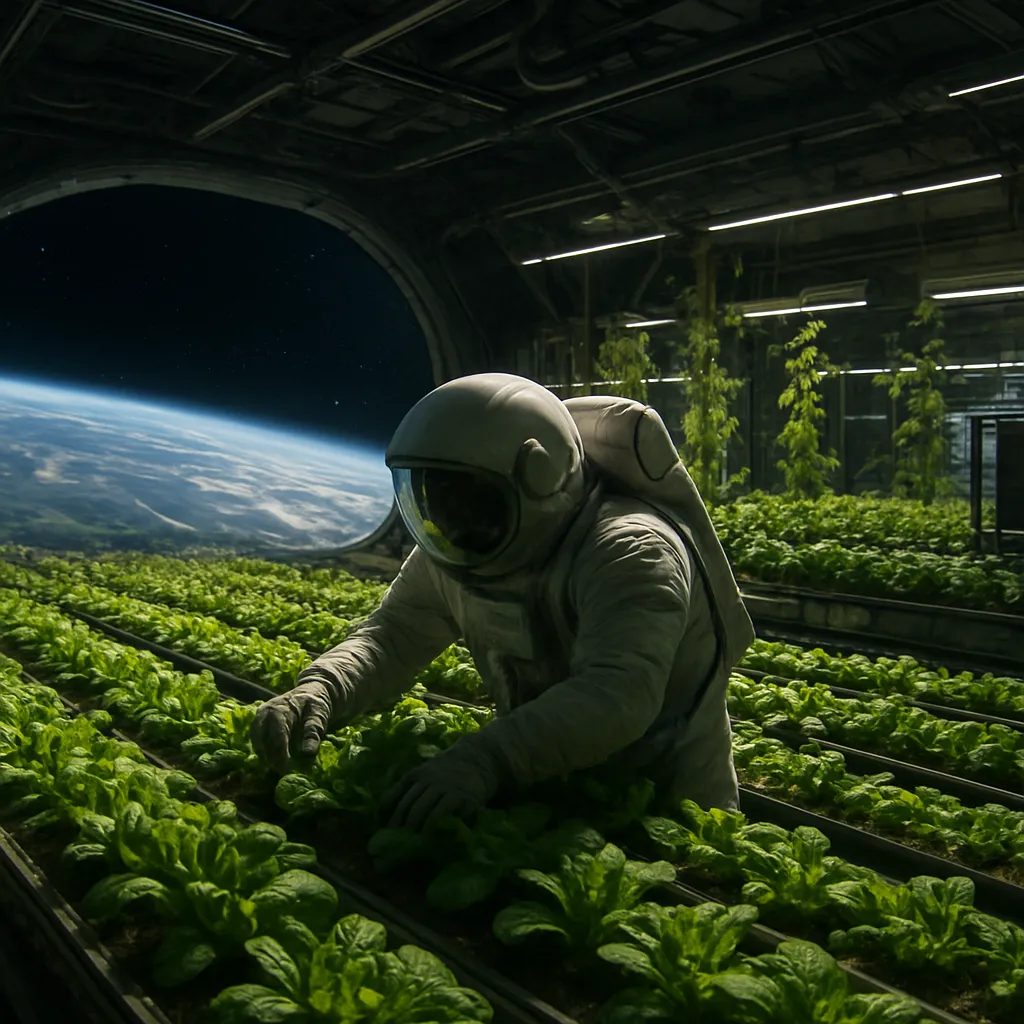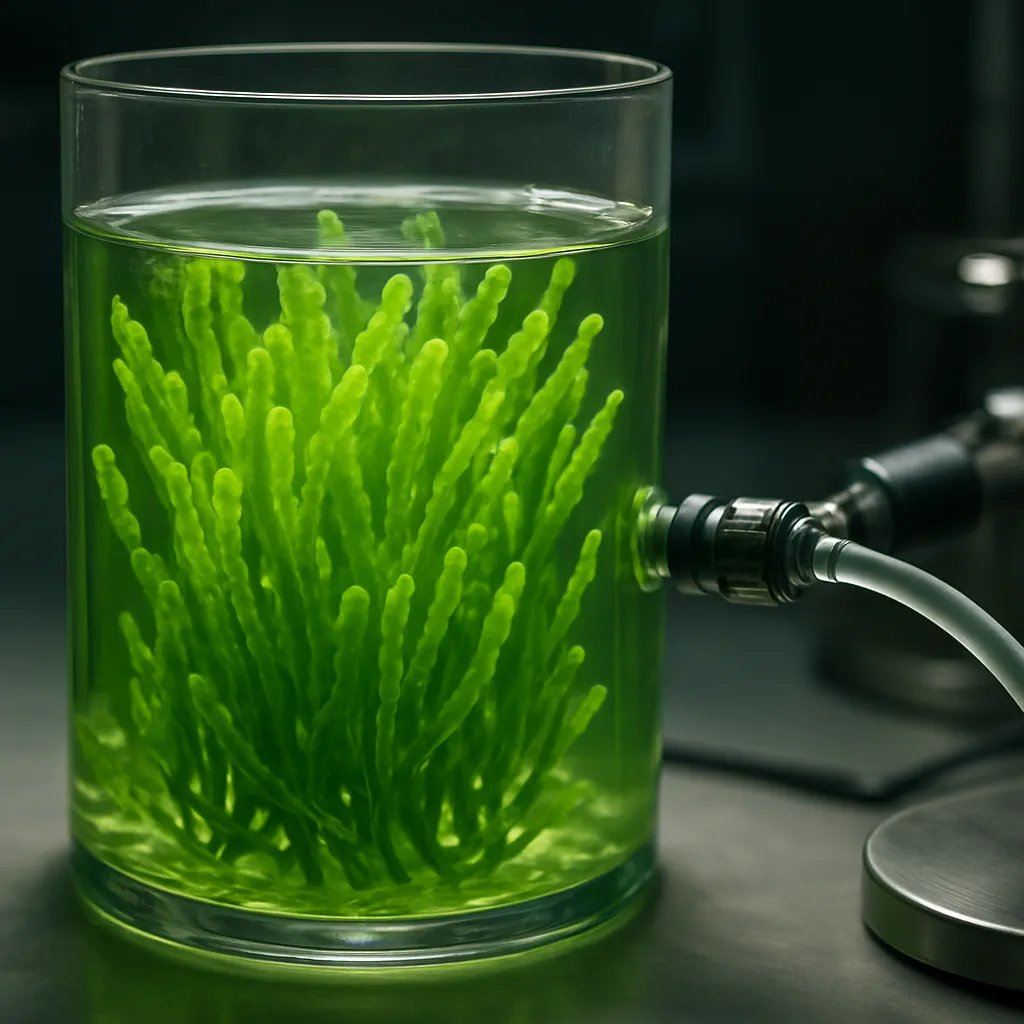
Space exploration is entering a new era where astronauts will spend extended periods beyond low Earth orbit. Cultivating plants and microorganisms off Earth is essential for creating a self-sustaining habitat. Among the most promising candidates for life support and resource regeneration are microalgae species, capable of converting carbon dioxide into breathable air and valuable biomass. This article explores the strategies for improving the efficiency of oxygen production from space-grown algae, covering strain selection, photosynthetic optimization, bioreactor engineering, and integration into closed-loop life support systems.
Selection of Robust Algae Strains for Space Conditions
Identifying the optimal algal strain is the first step toward maximizing oxygen output in microgravity. Key criteria include rapid growth rate, high photosynthetic yield, resilience to radiation, and minimal resource demands. Cyanobacteria like Arthrospira platensis and green algae such as Chlorella vulgaris have been extensively studied. Their cell walls and metabolic pathways make them particularly suited for controlled environments.
- Radiation Resistance: Exposure to cosmic rays and solar particle events can damage DNA. Strains with efficient repair mechanisms maintain productivity during long missions.
- Growth Rate: Faster doubling times translate directly into enhanced oxygen output. Researchers evaluate cell division under simulated microgravity to pick the fastest growers.
- Resource Utilization: Algae that thrive on limited water, minimal nutrient input, and recycled CO2 reduce payload mass and resupply frequency.
- Temperature Tolerance: Fluctuating thermal conditions aboard spacecraft demand strains capable of sustaining high photosynthetic rates across a broad temperature range.
Genetic engineering also plays a crucial role in fine-tuning metabolic pathways. Gene editing tools like CRISPR enable enhancements in light harvesting complexes, carbon fixation enzymes, and stress-response proteins. Ultimately, the goal is a strain tailored to the harsh realities of space, delivering reliable performance with minimal intervention.
Optimizing Photosynthetic and Oxygen Production Efficiency
Illumination Strategies
Light is the driving force behind photosynthesis. In microgravity, traditional top-down illumination can create uneven light distribution as cells float freely. Advanced LED arrays with adjustable spectra and intensity profiles ensure uniform exposure. Experimental setups utilize dynamic lighting schedules that mimic Earth’s diurnal cycle, promoting synchronized metabolism and reducing photoinhibition.
Gas Exchange and Nutrient Supply
Maintaining optimal CO2 concentration and nutrient availability is critical. In a sealed environment, astronauts exhale CO2 at predictable rates. Integrating direct gas exchange systems with microalgae compartments enables efficient capture and conversion of carbon dioxide into oxygen. Meanwhile, nutrient delivery systems rely on hydroponic techniques, circulating a balanced solution of nitrogen, phosphorus, potassium, and trace elements. Sensors monitor pH and conductivity, adjusting flow rates to prevent nutrient depletion or accumulation of inhibitory byproducts.
Monitoring and Control Systems
Continuous real-time monitoring of parameters such as dissolved oxygen, cell density, and chlorophyll fluorescence allows precise tuning of growth conditions. Advanced control algorithms leverage machine learning to predict growth phases and preemptively adjust light or nutrient inputs. This adaptive approach maximizes productivity while minimizing power consumption, a scarce commodity aboard spacecraft.
Engineering Bioreactors for Microgravity Environments
Designing a bioreactor that functions reliably in microgravity poses unique challenges. Fluid dynamics differ significantly from Earth, affecting mixing, sedimentation, and gas bubble behavior. To address these issues, engineers have developed specialized reactor geometries and agitation methods, such as rotating wall vessels and pneumatically driven mixers.
- Gas-Liquid Diffusion Membranes: These membranes facilitate controlled transfer of CO2 and O2 without forming large bubbles that could block sensors or damage cells.
- Modular Cartridge Design: Replaceable growth modules enable quick turnaround and reduced contamination risk. Each cartridge houses a defined volume of algal culture, simplifying maintenance and scaling.
- Capillary Flow Channels: Microfabricated channels use capillary action for fluid movement, eliminating the need for mechanical pumps and reducing energy demands.
- Thermal Regulation Jackets: Uniform temperature control via embedded heating and cooling elements ensures stable metabolic rates and prevents localized overheating under intense LED arrays.
Prototypes tested on parabolic flights and the International Space Station demonstrate that these innovations can sustain dense algal cultures for months with minimal crew intervention, maintaining an average oxygen production rate surpassing 1 liter per day per liter of culture volume.
Integration into Closed-Loop Life Support Systems
A fully functional space habitat requires synergy between waste processing, food production, and air revitalization. Algal bioreactors serve as the nexus of this sustainability network. Carbon dioxide from crew respiration and combustion processes is redirected into the reactor, while oxygen generated is fed back into the cabin atmosphere. Solid algal biomass can supplement human diets or be processed into biofuels, fertilizers, and pharmaceutical precursors.
Key integration challenges include:
- Balancing gas flows to avoid oxygen oversaturation or carbon dioxide deficiencies.
- Ensuring water recovered from urine and humidity condensate meets purity standards for algal growth.
- Coordinating maintenance schedules between crewed and automated modules to minimize resource downtime.
Long-duration missions to Mars or lunar bases will rely heavily on these closed-loop systems. Continuous improvements in reactor efficiency, sensor precision, and autonomous control will enable crews to reduce Earth resupply dependence, paving the way for truly independent off-world settlements.