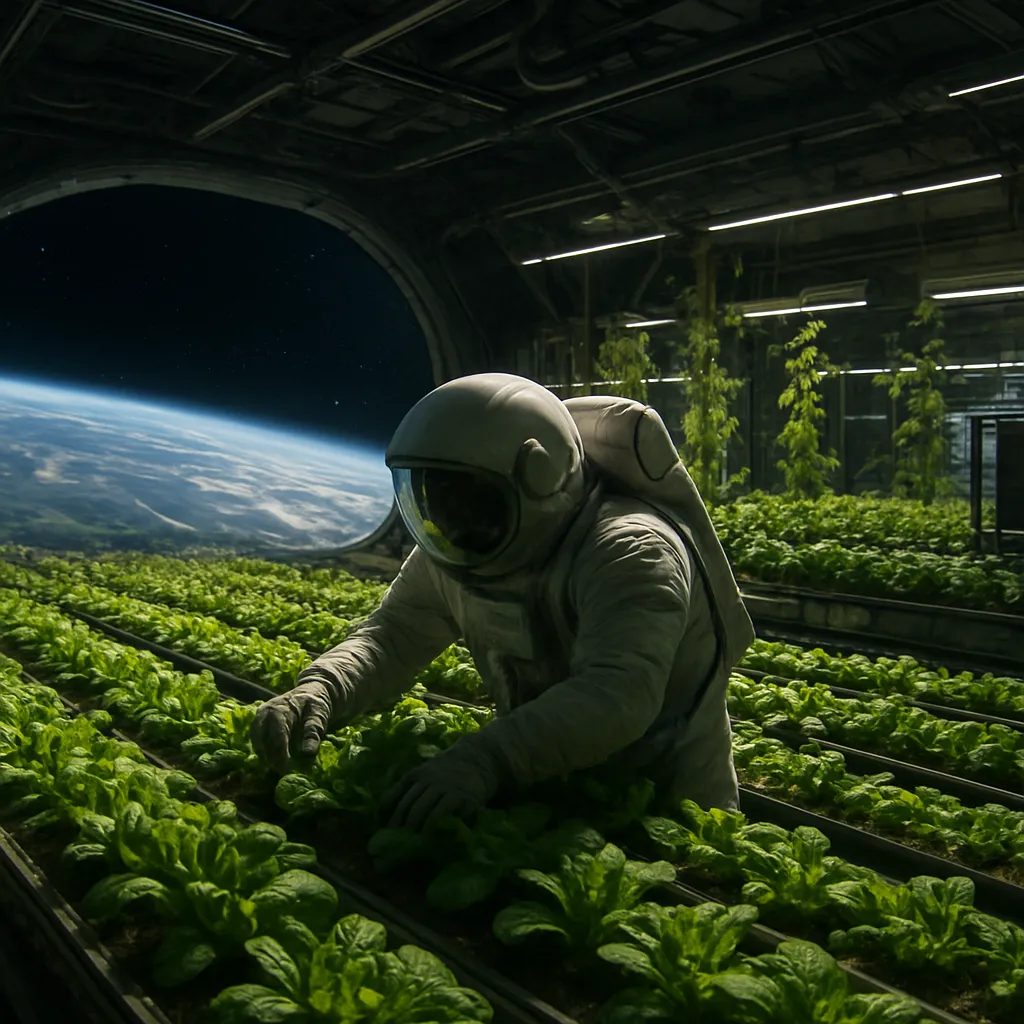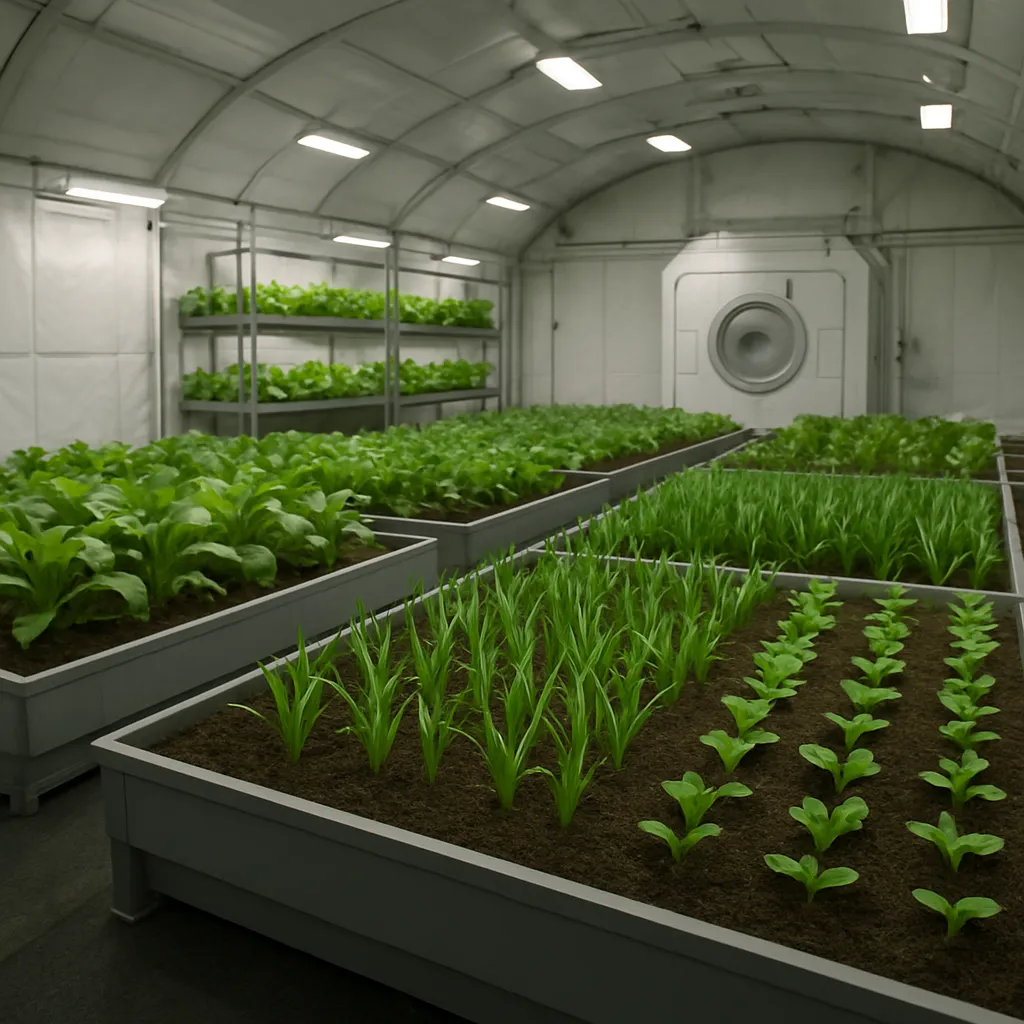
The exploration of extraterrestrial frontiers has prompted the development of innovative agricultural methods designed to support long-duration missions. Among these, crop rotation emerges as a cornerstone for establishing resilient and productive farming systems beyond Earth’s atmosphere. Integrating principles of soil health, nutrient cycling, and biodiversity within closed-loop environments is vital to sustain life on planetary bases and in orbit. This article examines how strategic rotation schemes can optimize resource use, enhance food security, and mitigate the challenges posed by microgravity and limited space.
Understanding Crop Rotation in Confined Environments
Crop rotation traditionally involves alternating plant families on the same plot to reduce pest build-up and replenish essential nutrients. In space farming systems, the concept expands beyond soil-based agriculture to include hydroponics, aquaponics, and substrate-based growth modules. The fundamental goals remain similar:
- Promote nitrogen fixation through leguminous crops
- Reduce pathogen and pest pressure
- Balance cation-anion exchange to maintain chemical equilibrium
- Optimize water use efficiency in closed-loop systems
The absence of Earth’s gravitational pull influences root morphology and root architecture, requiring novel growth media and specialized lighting to simulate natural photoperiod cues. Crop rotation schemes in microgravity must therefore adapt to changes in fluid distribution, gas exchange, and microbial dynamics within growth chambers.
Key Benefits of Rotation Schemes on Space Missions
Implementing systematic crop rotations offers multiple advantages for long-term extraterrestrial agriculture:
- Enhanced Nutrient Balance: Alternating deep-rooted and shallow-rooted species augments mineral uptake and prevents localized depletion.
- Improved Microbial Diversity: Rotations encourage the proliferation of beneficial microbes, fostering a resilient rhizosphere that counteracts opportunistic pathogens.
- Resource Efficiency: By interspersing high-water-use and drought-tolerant crops, mission planners can modulate water recycling rates and reduce overall consumption.
- Pest and Disease Management: With limited access to chemical controls, rotating families such as Solanaceae and Brassicaceae disrupts the life cycles of space-adapted pests.
- Psychosocial Benefits: Diversified crop production provides variety in diet and aesthetics, boosting crew morale during extended isolation.
Designing Rotational Cycles for Closed-Loop Systems
Effective rotation in space demands meticulous planning and monitoring. Key factors include:
1. Crop Selection and Sequencing
- Legumes (e.g., soybean, pea) for natural nitrogen enrichment.
- Leafy greens (e.g., lettuce, spinach) for rapid harvest and high nutritional yield.
- Fruit-bearing plants (e.g., tomatoes, peppers) to supply vitamins and antioxidants.
- Cover crops (e.g., buckwheat) to filter water and support microbial communities during fallow periods.
2. Integration with Waste Recycling
Closure of the resource loop is achieved by converting inedible biomass and crew waste into plant nutrients. Bioreactors populated with nitrifying bacteria transform ammonia into usable nitrates, while vermicomposting units process organic remnants. Coordinating these subsystems with rotation schedules ensures a steady supply of sustainable fertilizers.
3. Environmental Control Parameters
- Temperature stability to accommodate diverse crop tolerances.
- Atmospheric control to regulate CO2 enrichment during peak photosynthetic periods.
- Adjustable LED spectra to simulate dawn-dusk transitions and mitigate stress responses.
- Automated irrigation tuned to each crop’s evapotranspiration profile.
Case Study: Martian Greenhouse Prototype
An experimental Martian greenhouse located in a simulated analog habitat tested a four-year rotation plan. Key findings included:
- Yield consistency rose by 18% when legumes preceded fruiting crops.
- Soilless substrates inoculated with microbial consortia showed improved soil health indicators despite the absence of natural Earth soil.
- Energy savings of 12% in lighting and climate control, achieved by aligning plant growth stages with off-peak power cycles.
- Reduction of fungal outbreaks through strategic pairing of antagonistic plant species.
Challenges and Future Directions
Despite promising advances, several obstacles persist:
- Microgravity Effects: Limitations in nutrient solution distribution lead to root zone hypoxia or localized nutrient starvation.
- Space Constraints: Finite volume in habitat modules restricts the scale and diversity of rotation schemes.
- Technical Complexity: High dependence on automation and sensor networks increases system vulnerability to malfunctions.
- Human Factors: Crew training in agronomy and system maintenance remains crucial for operational success.
Future research will explore hybrid systems combining hydroponics with aeroponic towers, enabling multi-tiered rotations within minimal footprints. Advances in gene editing may yield plant varieties optimized for rapid cycles and enhanced biodiversity resilience. Integrating artificial intelligence for predictive modeling can streamline rotation schedules, dynamically adjusting to sensor feedback and mission demands.
Expanding Beyond Earth Orbit
Establishing crop rotation protocols for lunar outposts and deep-space vessels will require modular farming units designed for portability and scalability. Emerging concepts include rotating cultivation pods that can be installed or swapped without disrupting existing cycles. As humanity ventures further, robust rotation frameworks will underpin the viability of self-sufficient habitats, ensuring that every sprout contributes to the broader goal of **interplanetary survival**.