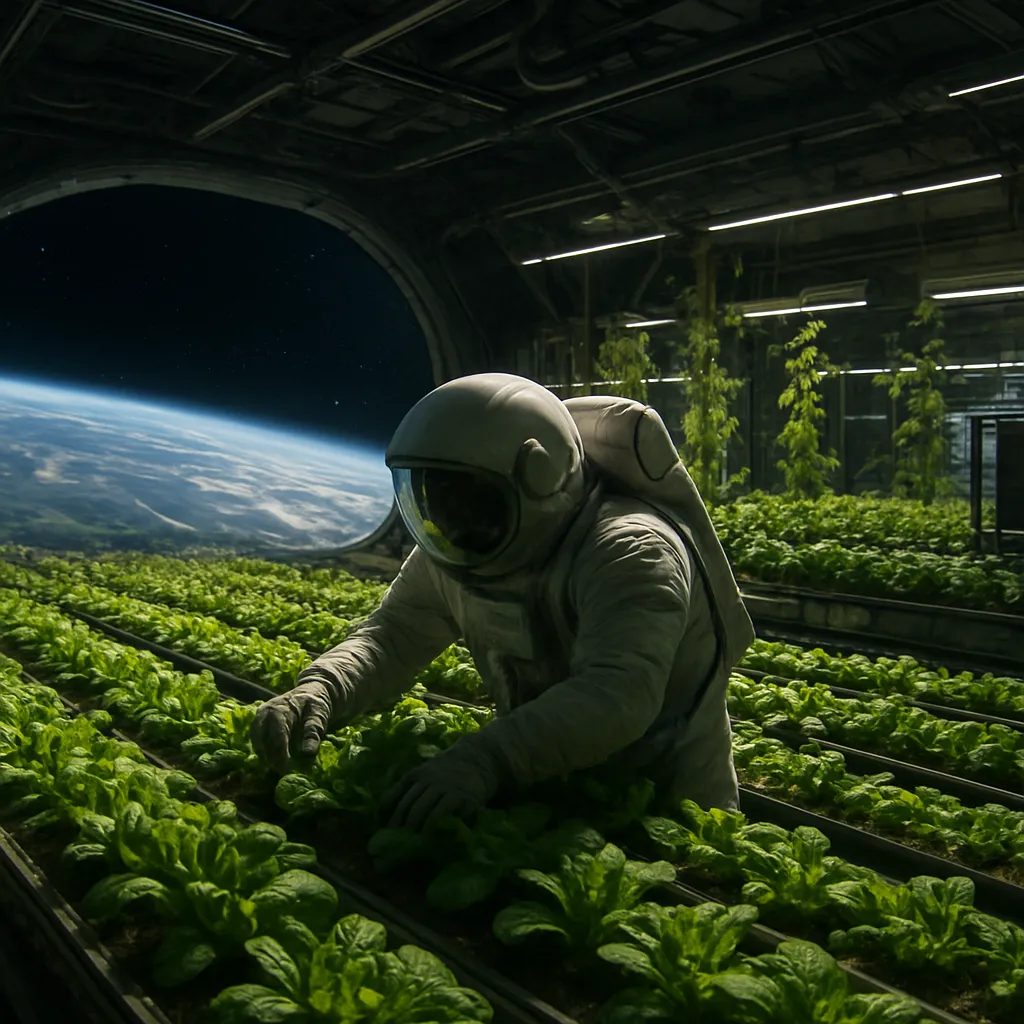
As humanity extends its reach into the cosmos, the quest for self-reliant life support systems becomes indispensable. Among the myriad of proposed solutions, microalgae stand out as a versatile and efficient resource capable of supplying oxygen, nutrients, and biofuel within confined habitats. By leveraging the remarkable metabolic pathways of these microscopic organisms, space missions can move closer to true sustainability and autonomy, minimizing resupply needs and reducing mission risk.
Cultivating Microalgae in Extraterrestrial Environments
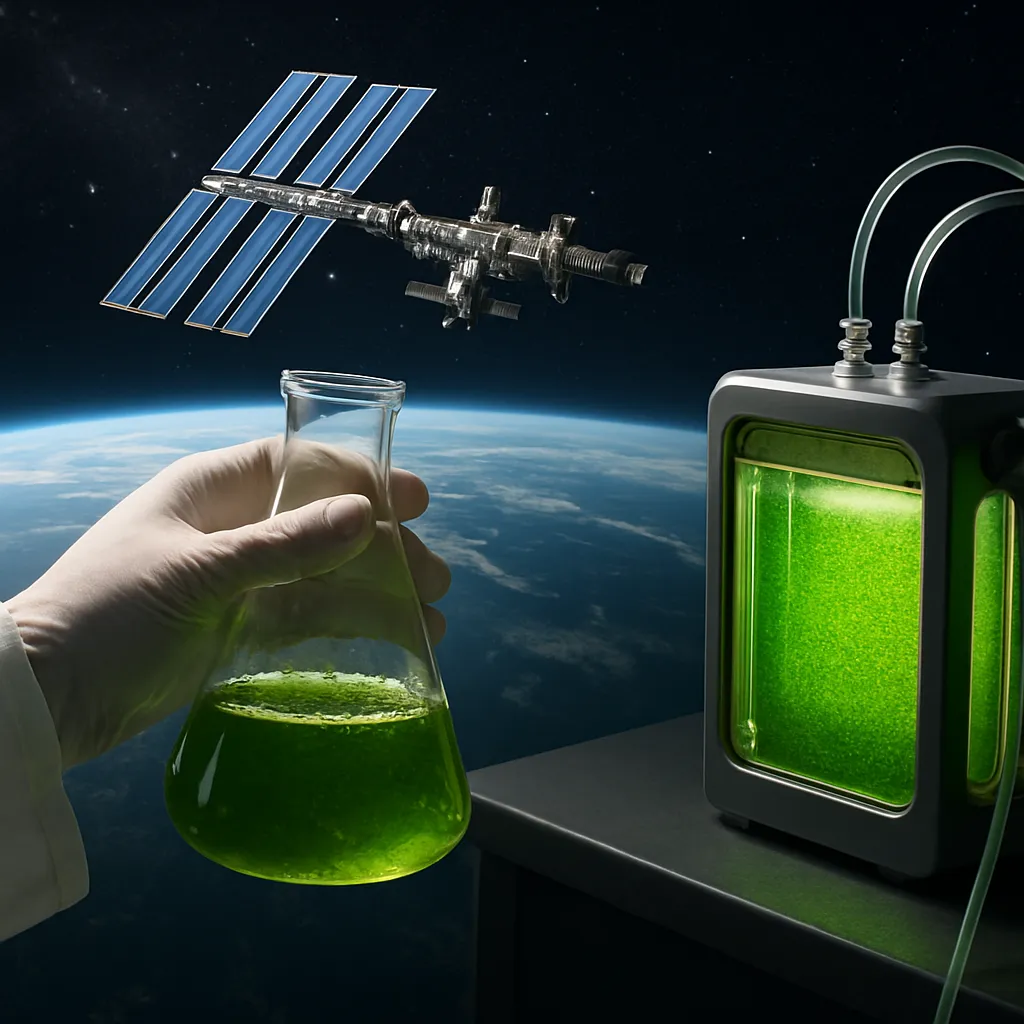
Growing microalgae beyond Earth poses unique challenges related to gravity, radiation, and resource constraints. Engineers and biologists collaborate to design a robust bioreactor that maintains optimal conditions for microalgal proliferation, ensuring high-density cultures in limited volumes. The integration of advanced sensors and control systems allows for precise regulation of temperature, light intensity, and gas exchange, fostering rapid biomass production.
Photobioreactor Design and Operation
- Closed-loop systems recycle water and carbon dioxide, maximizing resource efficiency.
- Transparent, radiation-resistant materials shield the culture from harmful cosmic rays while permitting full-spectrum illumination.
- Modular bioreactors can be stacked or linked, offering scalability for various mission sizes—from small lunar outposts to large orbital stations.
Photobioreactors rely on continuous or pulsed light sources to simulate the solar spectrum. LEDs tuned to the absorption peaks of chlorophyll and accessory pigments optimize the photosynthesis rate. Automatic turbidostats maintain culture density by regulating nutrient supply and biomass removal, ensuring that light penetration and gas transfer remain at peak efficiency.
Managing Microgravity and Fluid Dynamics
In microgravity, fluid behavior diverges significantly from terrestrial norms, affecting nutrient distribution and gas exchange within the culture. Baffles and microchannels incorporated into the reactor design facilitate convective mixing, preventing cell sedimentation and ensuring uniform exposure to light and dissolved gases. In addition, centrifugal or magnetic stirring methods can be adapted to space conditions to maintain homogeneity, promoting stable growth kinetics.
Producing Sustainable Food and Nutrients from Algae
Microalgae represent a rich source of essential biomolecules, including polyunsaturated fatty acids, proteins, vitamins, and pigments. Their rapid doubling times and minimal land requirements make them an ideal candidate for supplementing or even replacing conventional food systems on long-duration missions.
Nutritional Profile and Culinary Applications
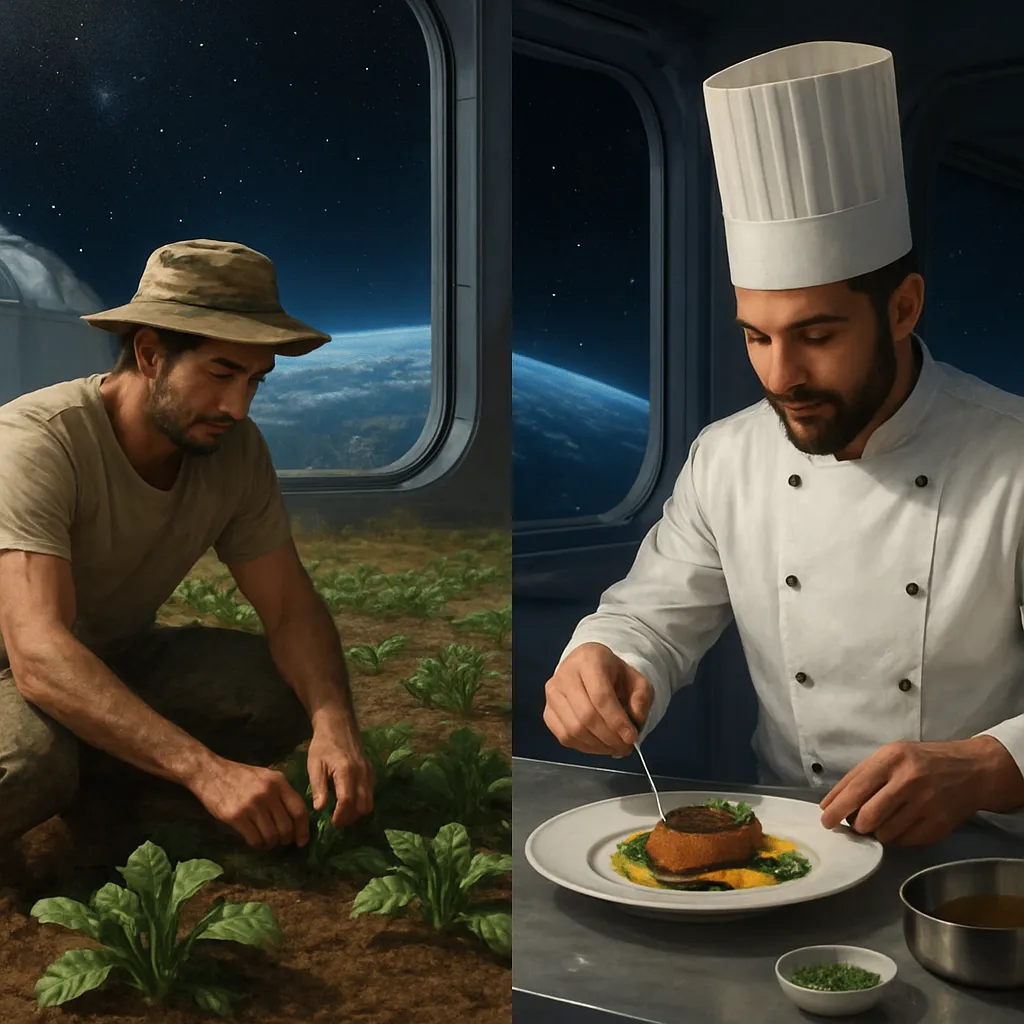
Species such as Chlorella and Spirulina have been extensively studied for human consumption due to their balanced amino acid profiles and high concentrations of nutrients like vitamin B12, iron, and antioxidants. When dried and processed, these microalgae can be incorporated into various food products—powdered seasonings, protein bars, or even specialized “space breads”—enhancing the dietary variety and palatability for crew members.
Processing and Preservation Techniques
- Spray drying and freeze-drying techniques remove moisture while preserving biochemical integrity.
- Enzymatic treatments can improve digestibility by breaking down rigid cell walls, releasing intracellular compounds.
- Fermentation with probiotic strains may improve flavor profiles and boost the gut health of astronauts.
All processes must adhere to strict safety and quality controls to prevent contamination. Sterile transfer protocols and inline monitoring for microbial contaminants ensure that space-grown algae meet or exceed Earth-based food standards.
Generating Oxygen and Biofuel for Long-Duration Missions
Beyond nutrition, microalgae serve critical roles in life support and energy production. Their photosynthetic activity converts carbon dioxide exhaled by crew members into breathable oxygen, while excess biomass can be processed into liquid fuels suitable for propulsion or power generation.
Oxygen Regeneration and Air Revitalization
An integrated environmental control and life support system (ECLSS) couples the microalgae bioreactor with cabin atmosphere management. By continuously scrubbing CO₂ and replenishing O₂, microalgae reduce reliance on stored gas reserves. Real-time gas analyzers adjust culture parameters to match crew metabolic rates, thus maintaining atmospheric composition within safe thresholds.
Biofuel Production and Conversion Pathways
- Hydrothermal liquefaction converts wet algal biomass directly into biocrude, requiring minimal drying.
- Transesterification of algal lipids yields biodiesel compatible with modified rocket engines or fuel cells.
- Gasification of residual biomass produces syngas (CO and H₂), which can be catalytically converted into methane or other higher hydrocarbons.
These processes can be integrated into a closed-loop framework: CO₂ generated during biofuel conversion feeds back into bioreactor cultivation, while wastewater is treated and recycled for nutrient solutions. This regeneration cycle minimizes waste and maximizes resource utility, critical for maintaining crew health and mission success.
Challenges and Future Perspectives
Despite promising results in terrestrial analog studies and short-duration orbital tests, several hurdles remain. Radiation shielding for biological systems, long-term genetic stability of algal strains, and the energy balance of cultivation versus output are active areas of research. Novel approaches, such as synthetic biology to optimize carbon fixation pathways and adaptive reactor architectures that respond to in situ resource availability on the Moon or Mars, hold great potential.
Advances in Strain Engineering
Genetically enhanced microalgae with elevated lipid content or faster growth rates could revolutionize life support designs. Gene editing tools enable targeted modifications to metabolic pathways, boosting production yields of desired compounds. However, containment and ethical considerations must guide the deployment of genetically modified organisms in extraterrestrial settings.
Integration with In-Situ Resource Utilization (ISRU)
Future outposts may harness local materials—regolith-derived minerals for nutrient supplementation and indigenous water ice for culture media. Coupled with solar collectors and regolith-based shielding, microalgae cultivation units could form the backbone of a self-sustaining outpost, reducing dependence on Earth-launch logistics.
As research programs converge from multiple space agencies and commercial partners, the integration of microalgae into space agriculture promises to transform how we approach life beyond our planet. By uniting principles of sustainability, biotechnology, and aerospace engineering, these systems may soon become standard equipment for pioneering missions to the Moon, Mars, and beyond.