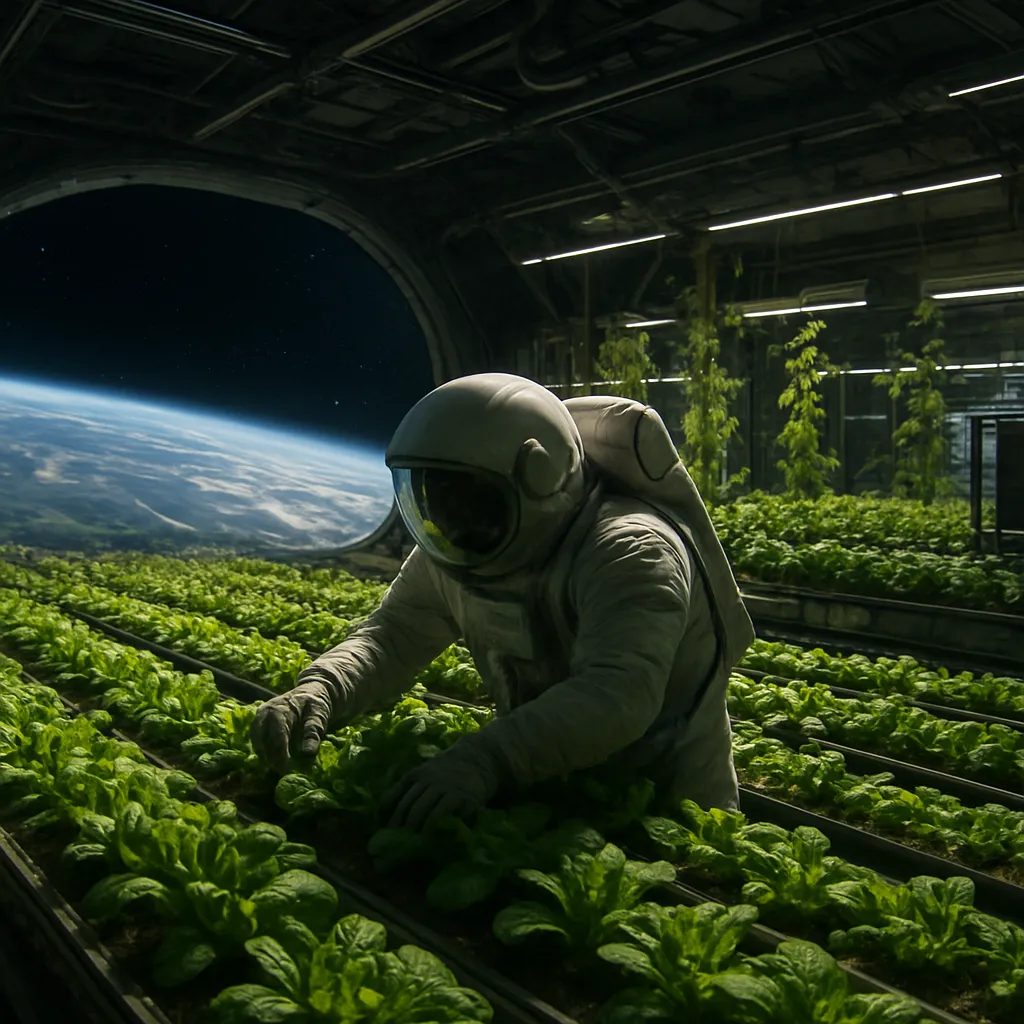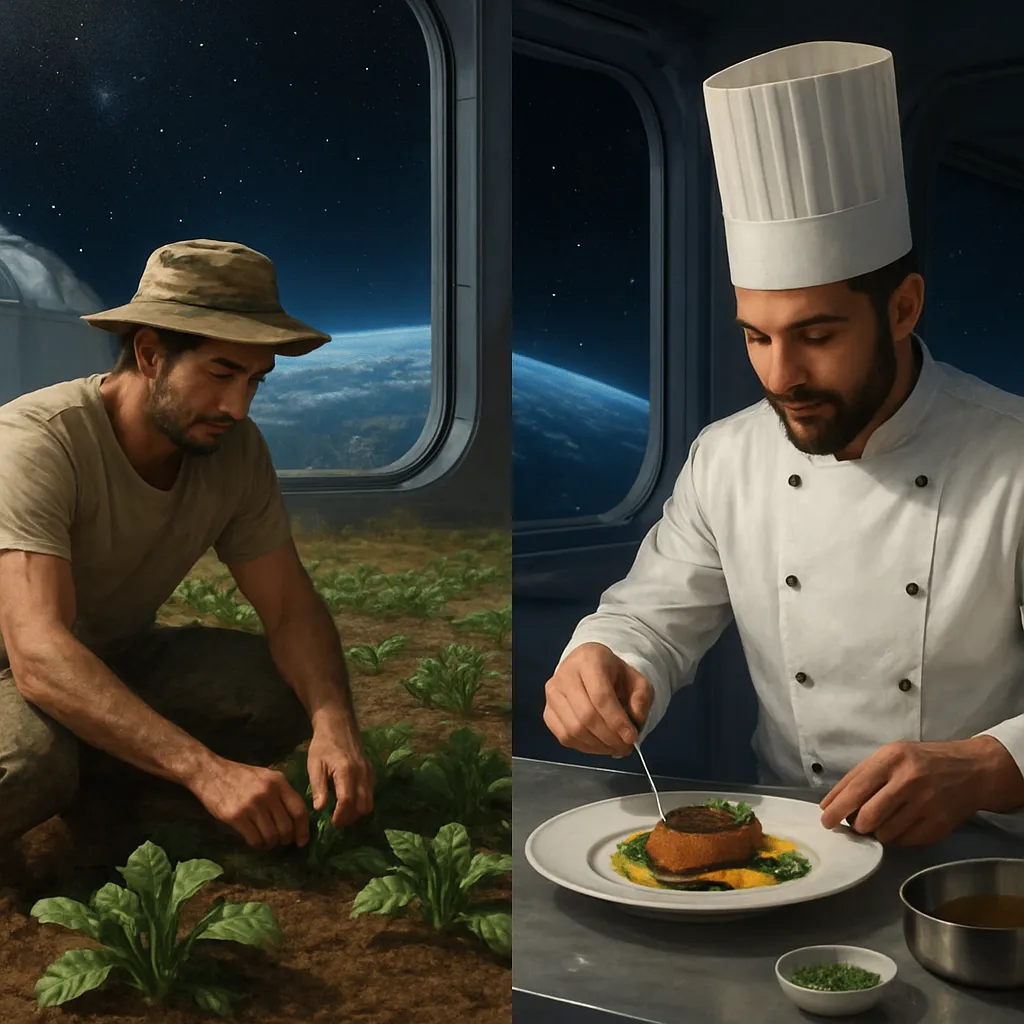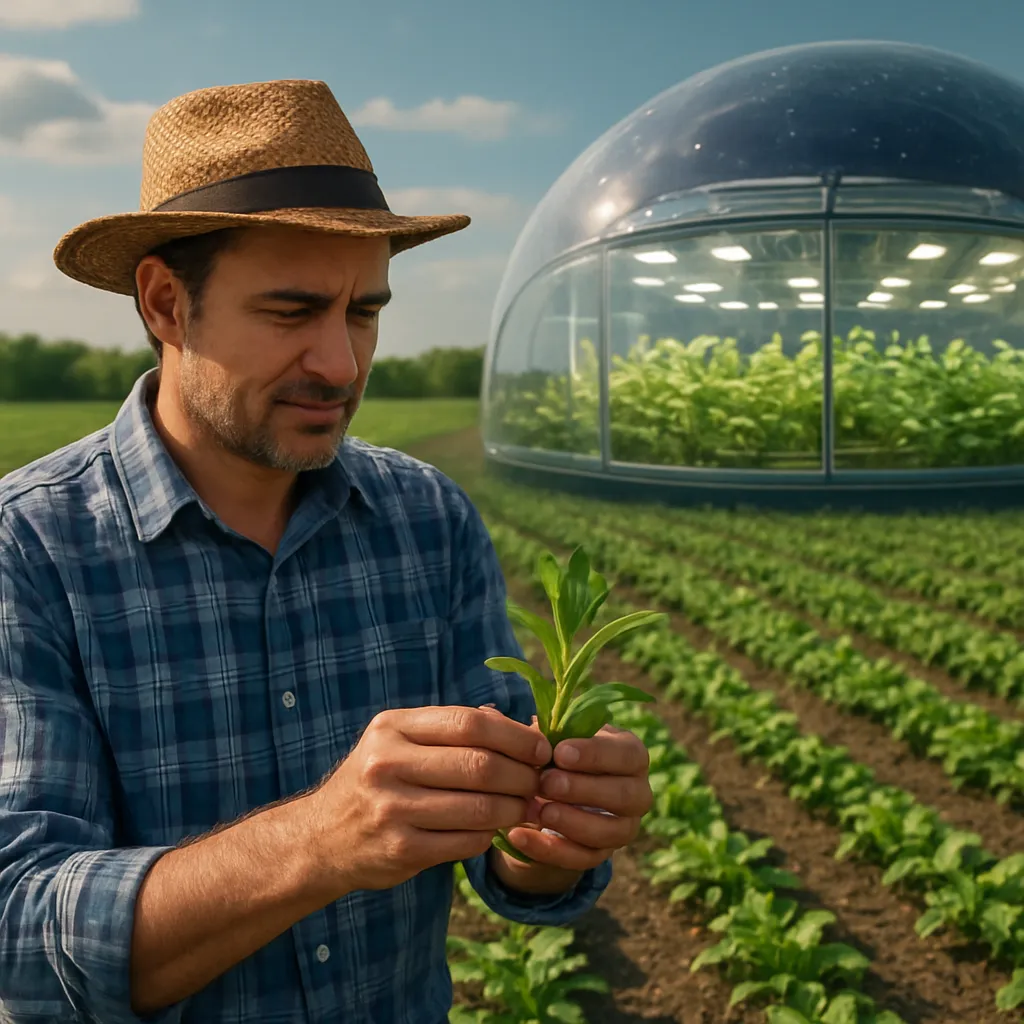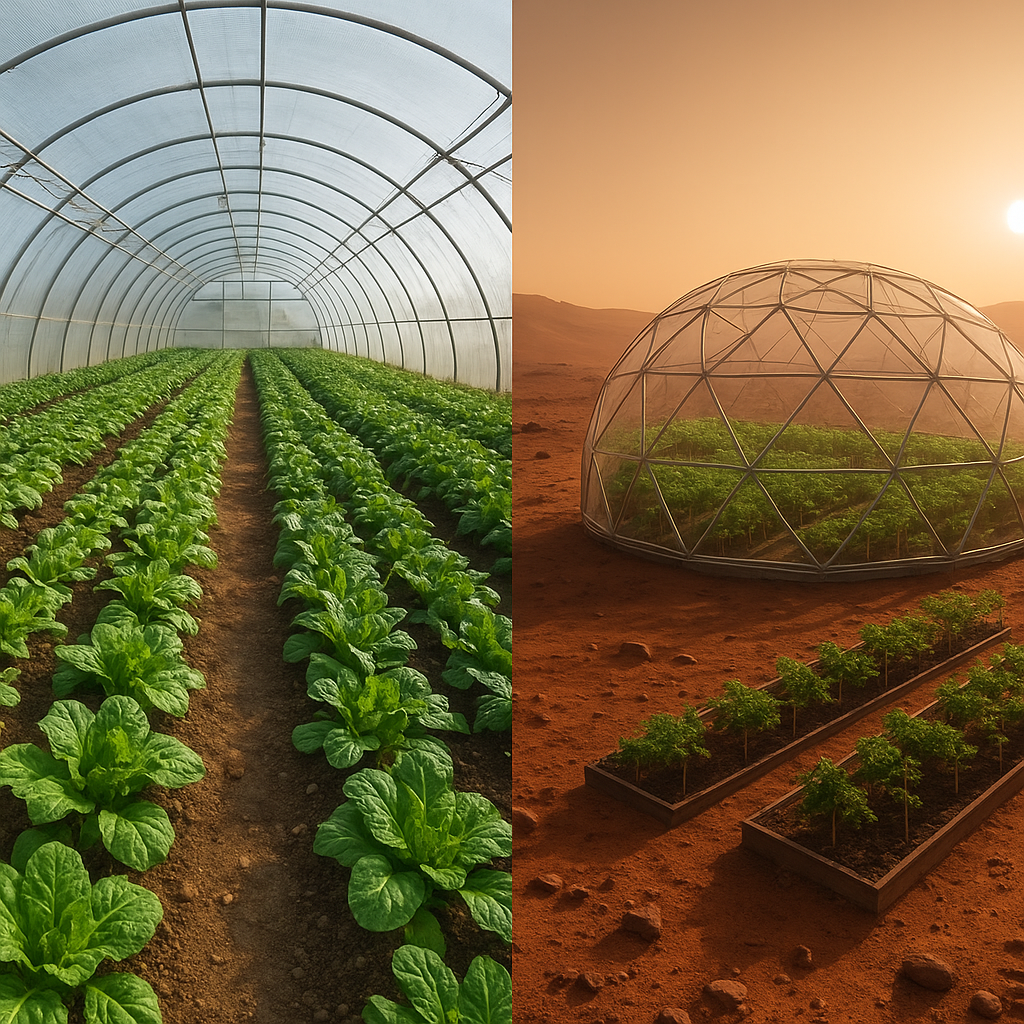
The aspiration to cultivate plants beyond our planet has driven scientists and engineers to refine existing methods of resource efficiency and sustainable production. Drawing inspiration from terrestrial systems, controlled agriculture on Earth has evolved into sophisticated models that can be adapted for life on Mars. These advances not only promise greater yields in inhospitable environments but also lay the foundation for permanent human settlements among the stars.
History and Origins of Controlled Environment Agriculture
The journey began in biodomes and greenhouses, where visionaries experimented with closed-loop systems to mimic natural cycles. By introducing nutrient cycling and precise climate control, researchers achieved harvests untethered to seasonal constraints. Early prototypes focused on:
- Hydroponics: delivering nutrient solutions directly to roots, eliminating soil-borne pathogens.
- Aeroponics: suspending roots in air mists, achieving rapid oxygenation and growth.
- Vertical farming: stacking layers of crops under LED lighting to maximize yield per square foot.
These innovations underscored the potential of Controlled Environment Agriculture to revolutionize food security. As global demand rose, so did investment in technologies that conserve water, recycle waste, and harness renewable energy.
Innovations Shaping Space-Bound Farming Systems
Translating Earth-based successes into extraterrestrial applications required addressing new constraints. In microgravity or reduced gravity, traditional soil methods proved impractical. Space agencies and private firms developed bioregenerative life support units that integrate plants, microbes, and humans in symbiosis. Key technologies include:
- Photobioreactors: cultivating algae to recycle carbon dioxide into oxygen while generating biomass for food or biofuels.
- Modular greenhouse modules with adjustable spectra LEDs to optimize photosynthesis in low-light scenarios.
- Closed aquaponic loops combining fish farming with plant growth to reuse water and organic waste.
Robotic arms and automation systems manage planting, harvesting, and cleaning in sealed habitats, minimizing human labor and contamination risks. Advanced sensors track humidity, pH, and nutrient levels, ensuring plants receive precisely what they need to thrive.
Challenges of Cultivation in Extraterrestrial Environments
Growing food on Mars presents formidable obstacles. The thin atmosphere provides minimal radiation shielding, exposing crops to cosmic rays that can damage DNA. Engineers propose regolith-based greenhouses with layers of water or specialized polymers to protect life inside. Another hurdle is water scarcity: Martian soil contains permafrost but extracting it requires significant energy and infrastructure.
Other challenges include:
- Gravity differences affecting root orientation and nutrient uptake.
- Temperature extremes demanding robust thermal management.
- Psychological factors: crew members require connection with living plants for mental health and morale.
To overcome these barriers, interdisciplinary teams are exploring sustainability through closed-loop resource cycles, where every drop of water and every gram of waste is reclaimed and reused.
Future Perspectives for Mars Agriculture
Looking ahead, researchers envision Martian colonies relying on a combination of high-tech farms and genetic improvements. Genetically engineered crops could exhibit enhanced tolerance to radiation, limited nutrients, or irregular light cycles. Scientists are investigating traits such as:
- Upregulated photosynthetic pathways for low-light efficiency.
- Drought-resistant root systems capable of extracting moisture from dry regolith.
- Production of vitamins and proteins to enrich astronauts’ diets.
In parallel, artificial intelligence will optimize daily operations, adjusting climate parameters, scheduling harvests, and diagnosing plant stress in real time. By integrating robotics with advanced materials—self-healing films, transparent aluminum windows, and nano-coatings—we can build habitats that support year-round cultivation while minimizing payload mass during transit.
The transition from experimental modules on the International Space Station to permanent greenhouses on Mars hinges on continued progress in resource efficiency and closed-loop design. Partnerships between space agencies, academic institutions, and startups drive innovation in areas like soil remediation, biomanufacturing, and modular habitat assembly.
Socioeconomic and Ethical Considerations
Deploying controlled agriculture off-world raises questions about governance, access, and environmental stewardship. Ensuring equitable distribution of technology among Earth nations can prevent monopolization of extraterrestrial resources. Ethical frameworks must address:
- The rights of future Martian inhabitants to a clean environment.
- The responsibility to conduct experiments without jeopardizing potential Martian ecosystems.
- The role of private corporations in shaping settlement policies.
By fostering transparent collaboration and establishing international treaties, humanity can pursue off-world farming while upholding principles of sustainability and shared prosperity.
Concluding Thoughts on the Path Forward
From humble greenhouse origins to ambitious Martian farm plans, controlled agriculture exemplifies human ingenuity at the nexus of biology, engineering, and exploration. As we refine bioregenerative systems and fortify habitats against harsh conditions, the dream of cultivating verdant fields on Mars inches closer to reality. Through continuous investment in research, robust ethical dialogues, and cross-disciplinary collaboration, the evolution of space-based agriculture will not only sustain life beyond Earth but also inspire new solutions for global food challenges at home.