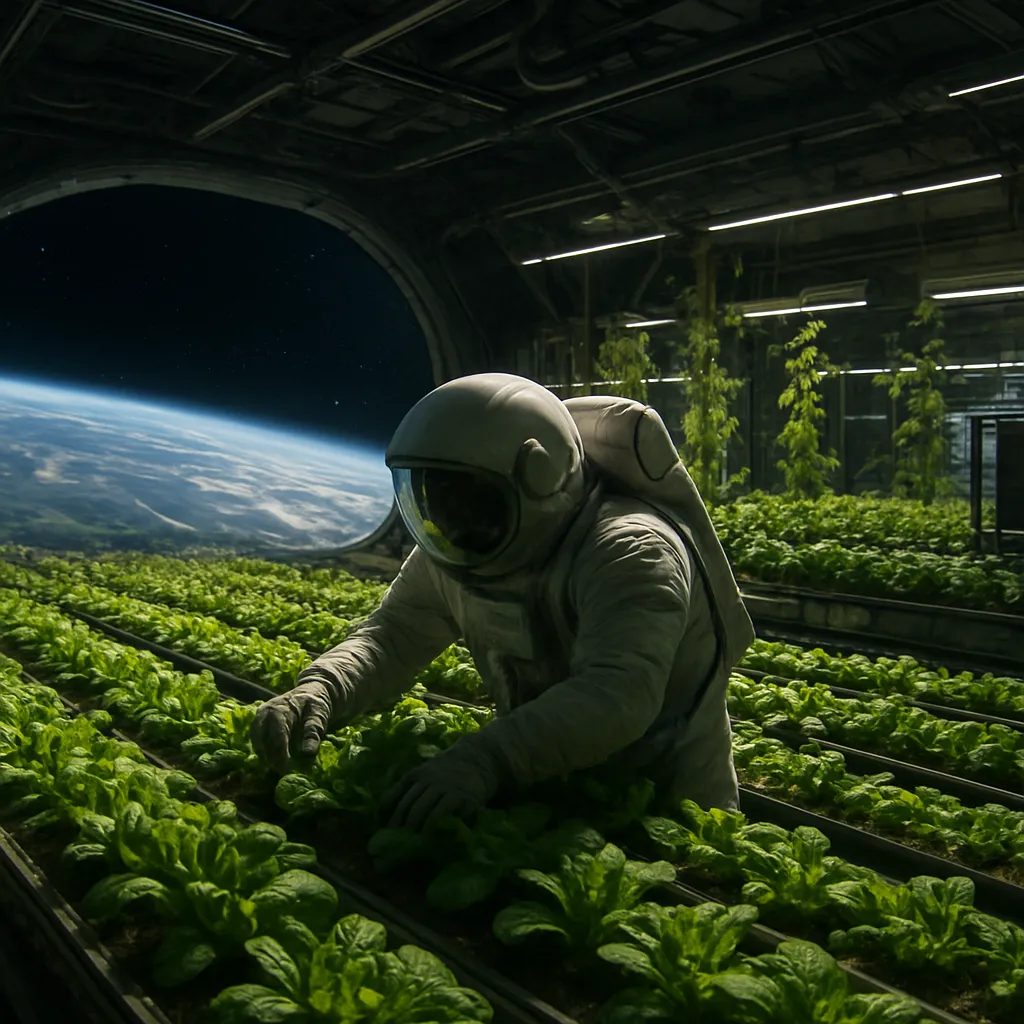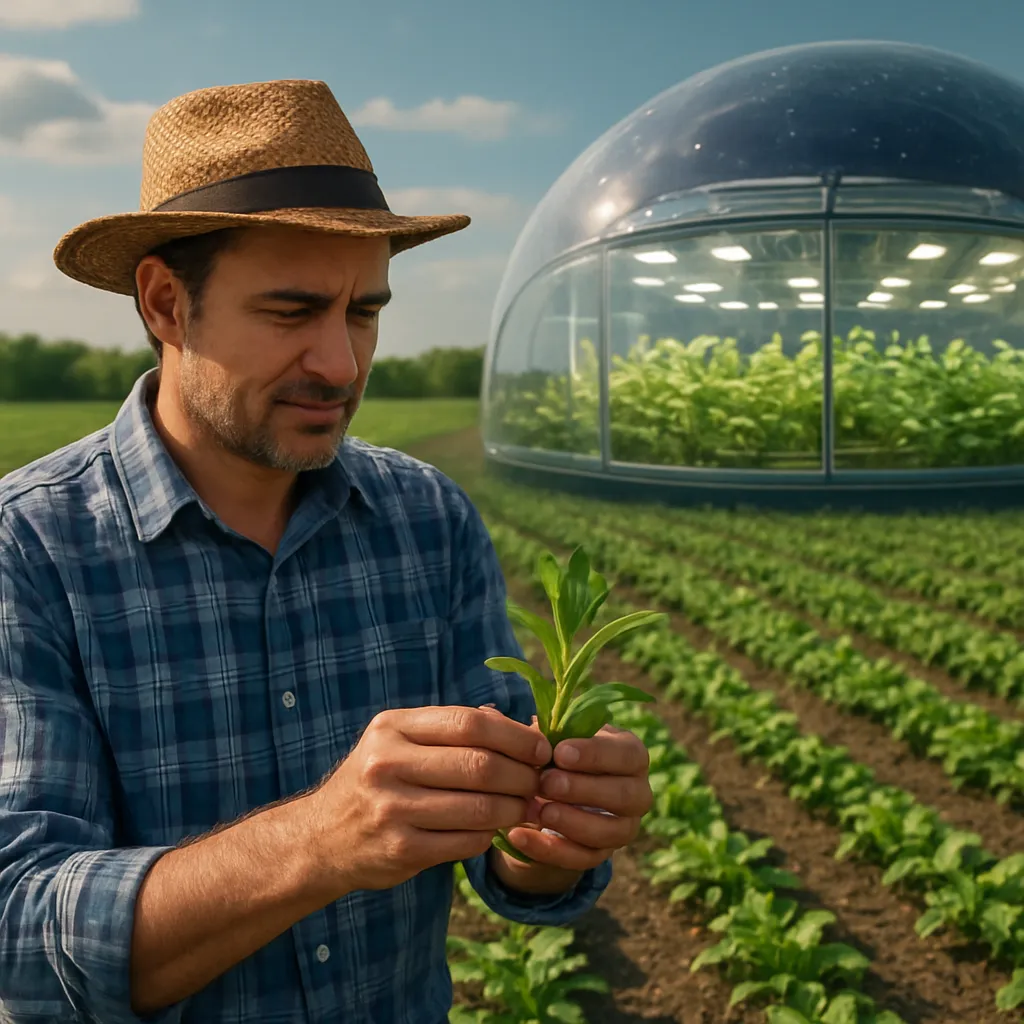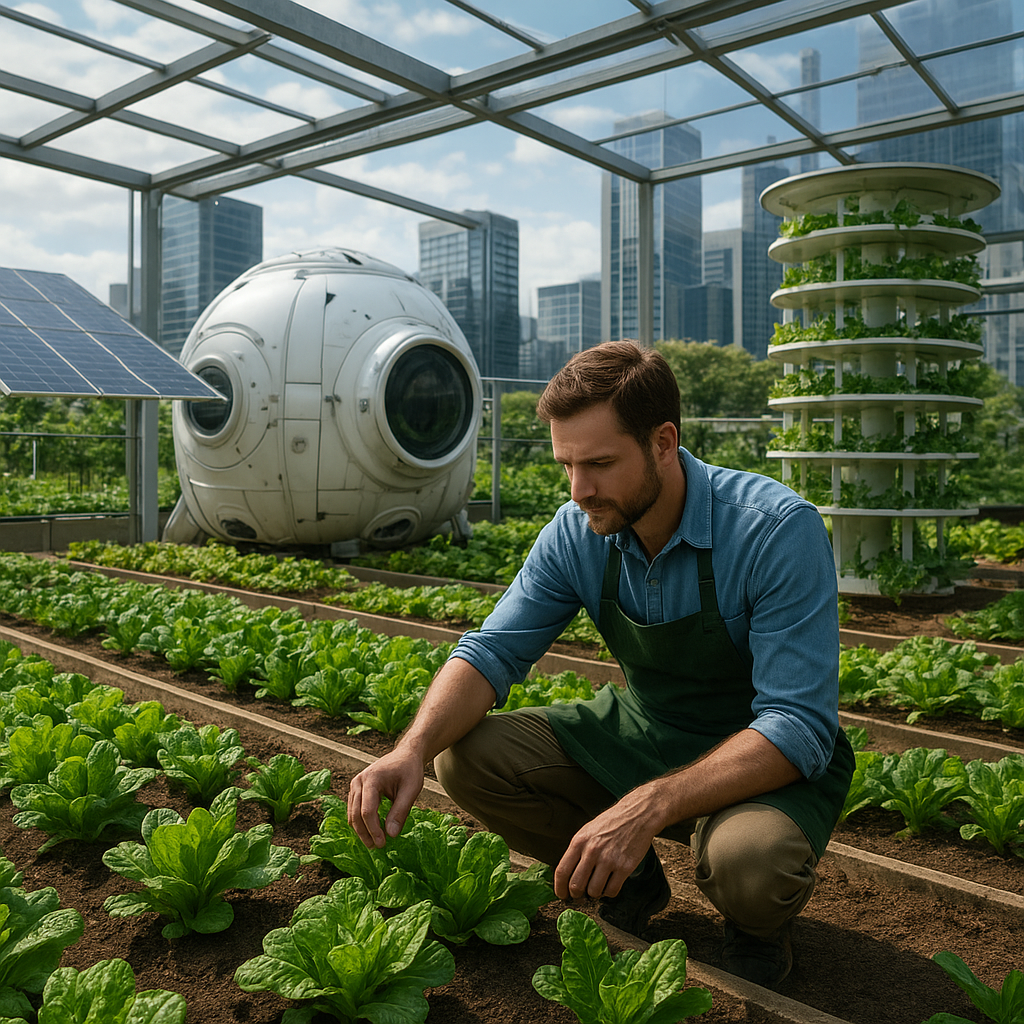
As humanity looks beyond our planet, the pursuit of cultivating crops in outer space has sparked a wave of innovation that stands to reshape agricultural practices on Earth. By leveraging lessons learned from extraterrestrial cultivation, researchers and urban planners are discovering new pathways to address food security, environmental constraints, and resource scarcity in densely populated cities. This article explores the crossover between space agriculture experiments and the next generation of urban farming.
Benefits of Space Agriculture Research for Urban Farming
Enhancing Resource Efficiency
Space missions demand extreme levels of sustainability and resource efficiency due to the limited availability of water, nutrients, and energy. Techniques pioneered aboard the International Space Station (ISS) and in analog habitats on Earth prioritize:
- Closed nutrient loops, ensuring minimal waste discharge.
- Water reclamation systems that recover and recycle up to 95% of used fluid.
- LED lighting arrays optimized for plant-specific photosynthetic spectra.
By integrating these technologies, urban farmers can drastically reduce operational costs and environmental footprints, making fresh produce affordable and accessible even in high-density areas.
Accelerating Crop Growth and Yield
Experiments in microgravity have revealed insights into plant physiology, such as altered root orientation and accelerated cell division under tailored light cycles. Applications include:
- Precise control of photoperiods to harness rapid vegetative growth.
- Use of specialized LED wavelengths that boost biomass accumulation.
- Hydroponic systems that deliver nutrients directly to plant roots, minimizing leaching losses.
Urban farms adopting these approaches report faster harvest cycles and higher overall yields, crucial for feeding growing metropolitan populations.
Key Technologies Driven by Space Programs
Hydroponics and Aeroponics
Without the luxury of soil in space, researchers have perfected soilless methods such as hydroponics and aeroponics to sustain plant life. The benefits for urban farming include:
- Up to 90% less water usage compared to conventional agriculture.
- Elimination of soil-borne pathogens, reducing the need for chemical treatments.
- Modular designs that fit in shipping containers or repurposed buildings.
These compact systems demonstrate that high-density cultivation can thrive within city blocks, rooftops, and even basement levels.
Closed-Loop Life Support Systems
Space life support systems integrate plant cultivation with human habitation to maintain air quality and water balance. Key concepts include:
- Carbon dioxide scrubbers using plant photosynthesis to replenish oxygen.
- Greywater recycling through biofilters and plant uptake.
- Solid waste composting to recover essential minerals and organic matter.
Urban vertical farms are now adapting these closed-loop principles to eliminate external inputs, fostering near-zero-waste operations in commercial and community gardens alike.
Advanced Monitoring and Automation
Robust automation systems originally designed for remote space greenhouses are finding applications in smart city farms. Technologies encompass:
- AI-driven environmental controls that adjust temperature, humidity, and light in real time.
- Sensor networks tracking nutrient levels, root health, and microbial activity.
- Robotic harvesters and pruning arms that operate around the clock.
These innovations boost labor efficiency and enable precise resource management, essential for large-scale urban cultivation.
Challenges and Opportunities in Adapting Space Agriculture Methods to Cities
Scaling Up and Cost Considerations
While space-proven systems demonstrate remarkable efficiency, their initial costs can be prohibitive. Strategies to overcome financial barriers include:
- Public–private partnerships that share investment risks.
- Modular farm kits mass-produced to drive down per-unit expenses.
- Incentive programs and grants aimed at sustainable urban development.
Novel business models, such as subscription-based produce delivery and urban farm sponsorships, are emerging to offset capital requirements and ensure economic viability.
Regulatory and Social Acceptance
Integrating space-derived agricultural systems into urban environments faces regulatory and societal hurdles:
- Building codes and zoning laws that may restrict vertical or rooftop farms.
- Public perceptions regarding food safety and the “unnatural” aspect of soilless cultivation.
- Training local workforces to manage sophisticated automation and biotechnology.
Community engagement efforts, educational workshops, and transparent safety protocols help build trust and demonstrate the tangible benefits of high-tech urban agriculture.
Enhancing Nutrient Cycling and Soil Health
Space experiments have refined techniques for continuous nutrient recovery and microbial balance. In urban settings, these practices translate to:
- Biochar integration in hydroponic media to improve water retention and microbial habitats.
- In-situ enzyme reactors that break down organic residues into plant-available nutrients.
- Microbial consortia inoculants that promote root growth and disease resistance.
Embracing these advanced approaches strengthens the resilience of urban farms, reducing dependency on external fertilizer supplies and boosting local food sovereignty.
Case Studies: From Orbit to Urban Blocks
The Veggie Experiment on the ISS
The Veggie plant growth system tested leafy greens in microgravity, focusing on crop selection, nutrient formulas, and lighting. Outcomes relevant to cities include:
- Customized nutrient blends that match plant developmental stages.
- Flexible LED panels that adapt to space and urban architecture.
- Harvest strategies that minimize root disturbance for continuous production.
Analog Habitats on Earth
Research facilities in deserts, polar regions, and underwater labs mimic the constraints of space environments. Lessons learned drive innovations such as:
- Dust- and salinity-resistant plant varieties for coastal urban farms.
- Drought-tolerant microgreen production in repurposed warehouses.
- Automated irrigation tuned to extreme temperature fluctuations.
Vision for Tomorrow’s Cities
Future urban centers will blend space agricultural technologies with city planning, resulting in vertical farming districts, rooftop orchards, and decentralized food hubs. Integration of biotechnology for seed optimization, advances in nutrient cycling, and the creation of hyper-efficient space habitats models will guide sustainable cityscapes. As municipalities embrace these systems, the synergy between extraterrestrial exploration and terrestrial food production promises to deliver fresh, organic, and locally grown produce to every urban dweller – forging a resilient and equitable food future.