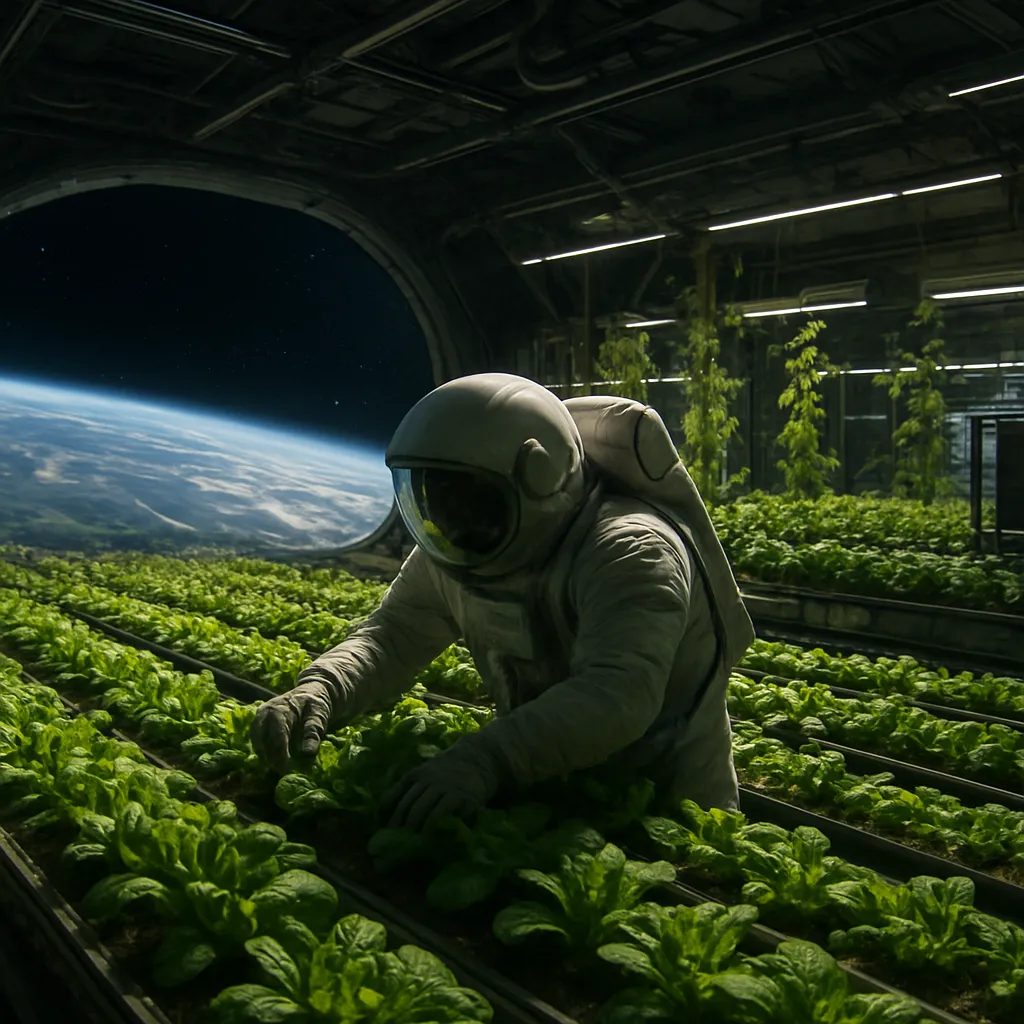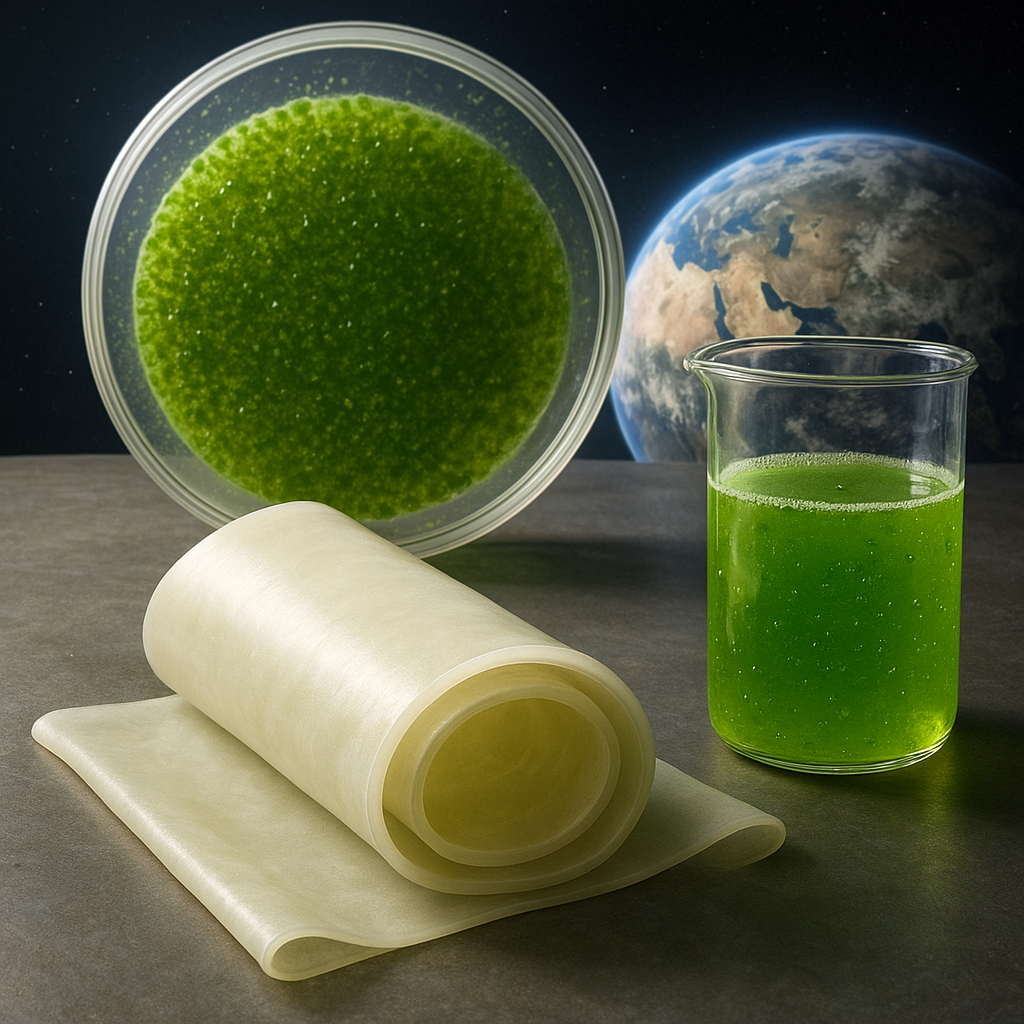
Exploring the potential of cultivating algae beyond our planet’s atmosphere offers a revolutionary path toward sustainable material science. Integrating advanced agricultural practices into extraterrestrial environments unlocks unprecedented opportunities for generating renewable resources. This article delves into the process of producing bioplastics from space-grown algae, examines technological innovations, and highlights the benefits for both off-Earth missions and terrestrial industries.
Cultivating Algae in Microgravity
Harnessing the power of algae cultivation within a microgravity setting requires refining the methods used on Earth. Standard photobioreactors are adapted to orbiting platforms, ensuring optimal light distribution, temperature control, and nutrient cycling. By modifying vessel geometries and incorporating centrifugal elements, engineers can emulate fluid dynamics critical for cell suspension and gas exchange. Successful trials have demonstrated that algae strains such as Chlorella and Spirulina thrive under these conditions, exhibiting comparable or even enhanced growth rates relative to terrestrial labs.
Key factors influencing microgravity cultivation include:
- Controlled light spectra optimized for photosynthetic efficiency
- Automated nutrient delivery pumps reducing crew intervention
- Efficient removal of metabolic oxygen to prevent cell stress
- Monitoring systems tracking optical density and biomass yield
The integration of real-time sensors and advanced AI algorithms enables remote adjustments, ensuring continuous cultivation cycles. This approach not only reduces the dependency on fresh supplies from Earth but also paves the way for a closed-loop system where byproducts fuel other mission-critical operations.
Bioplastic Synthesis in Space
Once sufficient algal biomass is amassed, the focus shifts to converting cellular constituents into valuable polymers. Algae offer high concentrations of lipids, carbohydrates, and proteins, providing multiple feedstocks for bioplastic precursors. The core processes involve:
- Extraction of lipid fractions through solvent-based or supercritical CO₂ methods
- Fermentation of carbohydrate-rich residues into lactic acid
- Polymerization of lactic acid monomers into polylactic acid (PLA)
- Integration of algal fibers into composite structures
Adapting these chemical and biological transformations to a weightless environment demands modifications to reactor design. For example, microfluidic channels are embedded within modular units to maintain mixing efficiencies. Microwave-assisted heating elements deliver energy precisely, reducing thermal gradients and ensuring consistent reaction kinetics. As a result, astronauts can produce sheets or filaments of bioplastic material directly aboard spacecraft or orbital habitats.
Enhancing Yield Through Genetic Engineering
Recent breakthroughs in synthetic biology have enabled the creation of genetically enhanced algal strains tailored for bioplastic precursors. By inserting pathways that upregulate lactic acid production, researchers achieve significantly higher monomer yields. Combined with adaptive laboratory evolution techniques, these super strains demonstrate robustness against fluctuating environmental stresses encountered during radiation exposure and variable pressure cycles.
Applications and Earth Benefits
Producing bioplastics off-world delivers immediate advantages for deep-space exploration. Lightweight, biodegradable materials can be used for:
- Construction of modular habitat components
- Manufacturing of tools and repair kits via onboard 3D printers
- Packaging and consumable containers that minimize waste accumulation
- Insulative panels for thermal control of living quarters
On Earth, insights gleaned from space-based algae cultivation inform more efficient, less resource-intensive agricultural systems. Implementing closed photobioreactors in urban settings reduces freshwater consumption by up to 90% compared to open-pond methods. Furthermore, the adoption of bioplastic feedstocks derived from industrial algae farms fosters a circular economy, significantly decreasing reliance on petrochemical inputs.
Case studies illustrate that municipalities integrating algae-powered biorefineries achieve:
- Up to 50% reduction in municipal solid waste
- Enhanced carbon capture rates, mitigating greenhouse gas emissions
- Creation of local green jobs, bolstering economic resilience
These terrestrial advancements echo the strategic Imperatives for In-Situ Resource Utilization (ISRU) in space, highlighting a symbiotic relationship between planetary and off-world agriculture.
Challenges and Engineering Solutions
Despite remarkable progress, several technical hurdles persist. Radiation exposure outside low-Earth orbit can degrade algal DNA and compromise polymer properties. To counteract this, shielding modules lined with lunar regolith simulant or water jackets provide passive protection. Additionally, sustaining long-term cultivation cycles necessitates robust sterilization protocols to prevent contamination by opportunistic microbes.
Meticulous attention to system reliability is paramount. Redundant pumps, fail-safe valves, and self-cleaning membrane filters ensure continuous operation. Software-driven diagnostics alert mission control to anomalies, enabling preemptive maintenance. Ultimately, these engineering solutions decrease the likelihood of mission-critical failures and pave the way for autonomous, long-duration bioplastic production.
Resource Optimization Strategies
Maximizing efficiency involves co-locating bioreactors with waste treatment units. Human wastewater recirculation supplies nitrogen and phosphorus, while CO₂ from life support systems fuels photosynthesis. This synergy demonstrates a quintessential example of a closed ecological life support system (CELSS), reducing resupply demands and fostering sustainable living environments both in orbit and on planetary surfaces.
Future Directions and Innovation
The momentum behind space-grown algae bioplastics is accelerating collaboration among aerospace agencies, academia, and private enterprises. Upcoming missions will test pilot-scale biorefineries aboard lunar gateways, validating the scalability of microgravity processes. In parallel, artificial intelligence frameworks will optimize strain selection and growth parameters, accelerating strain improvement cycles.
Integration with additive manufacturing platforms promises on-demand fabrication of high-strength, bio-based components. As these technologies mature, the marketplace for bioplastic products will expand, encompassing everything from aerospace-grade parts to consumer goods. This cross-pollination of space and terrestrial industries epitomizes the transformative potential of agricultural space innovation.
Ultimately, the pursuit of extraterrestrial algae cultivation and bioplastic synthesis stands as a testament to human ingenuity. By extending the frontiers of sustainability beyond Earth’s bounds, we foster resilience for deep-space exploration and catalyze a new era of eco-conscious manufacturing back home.