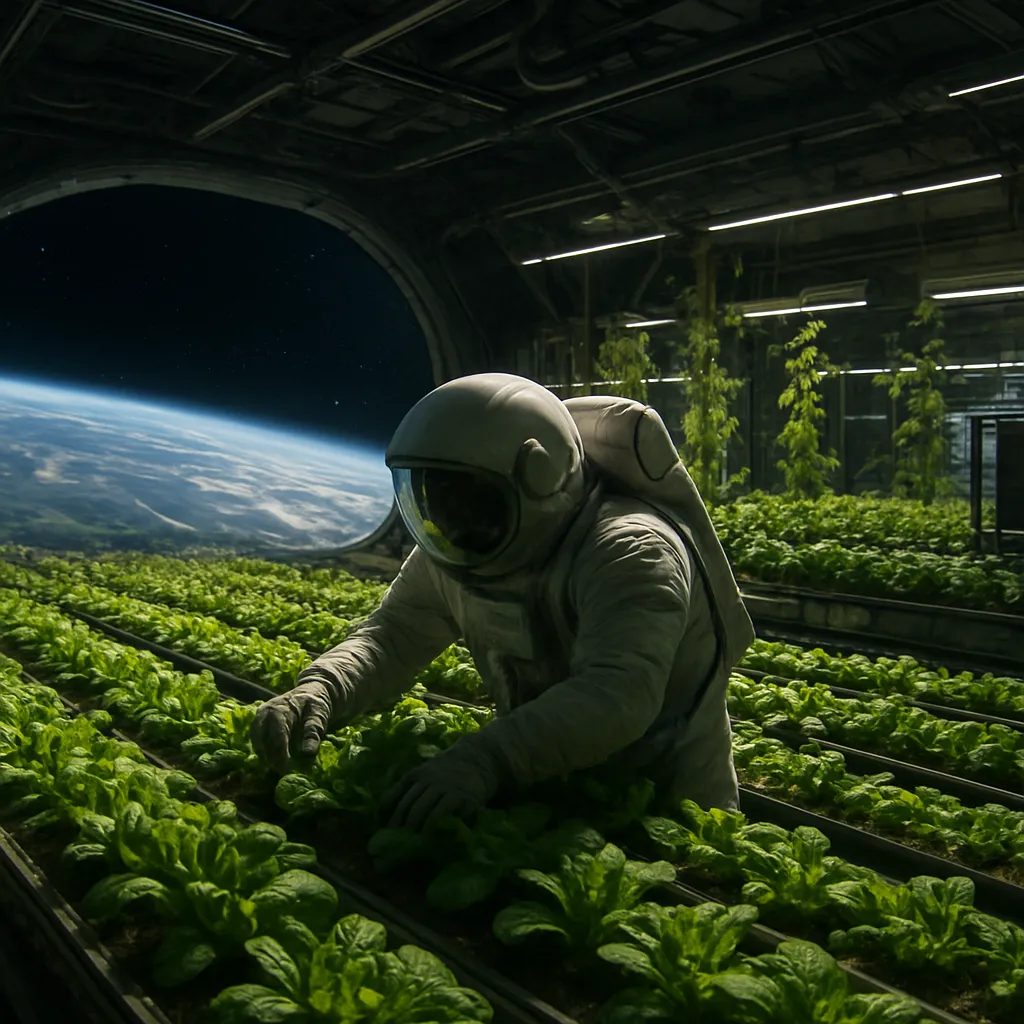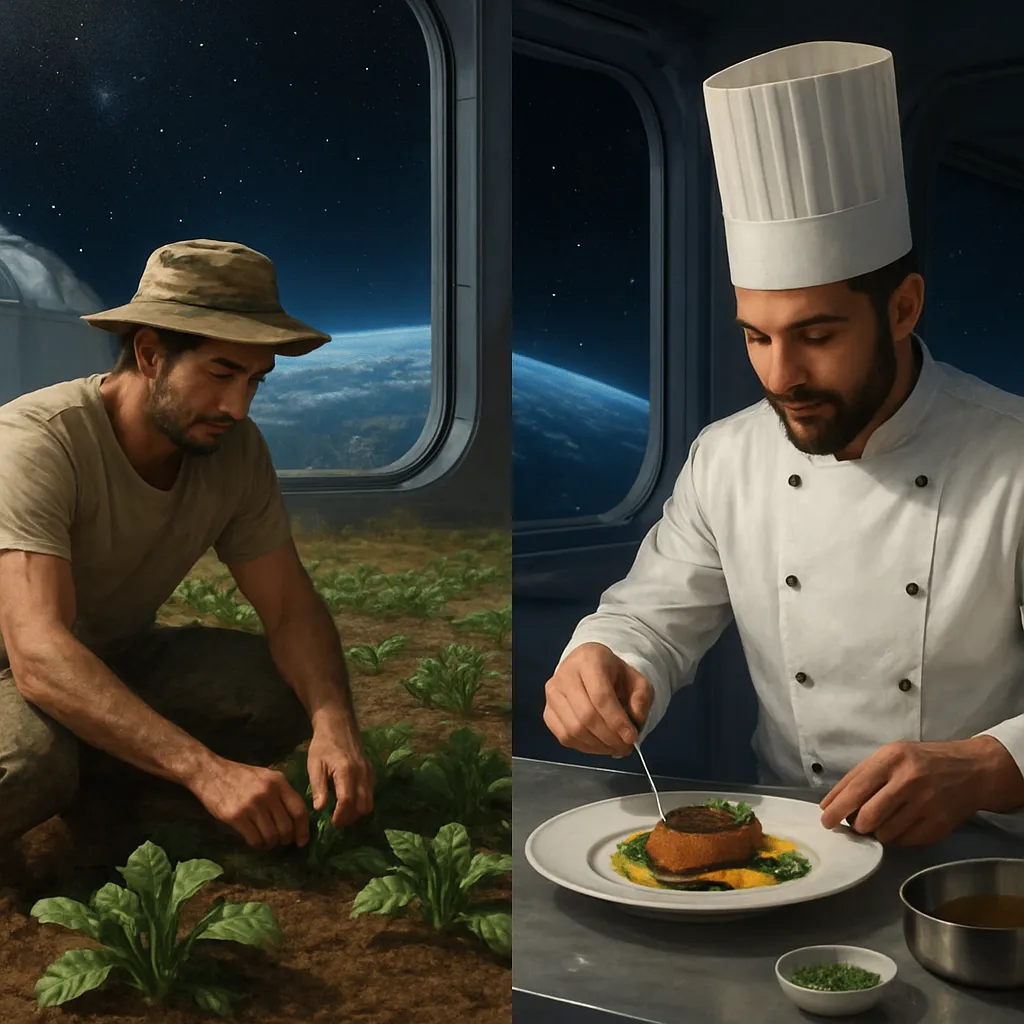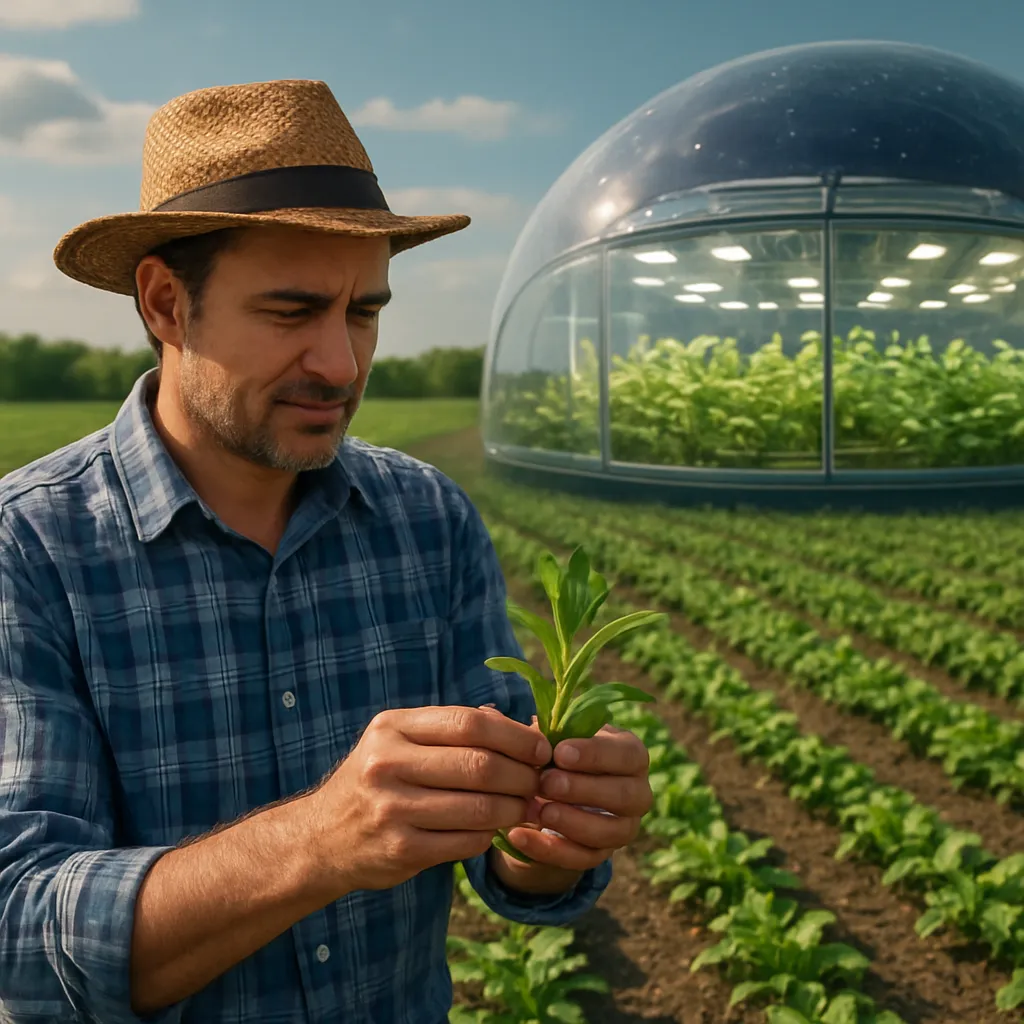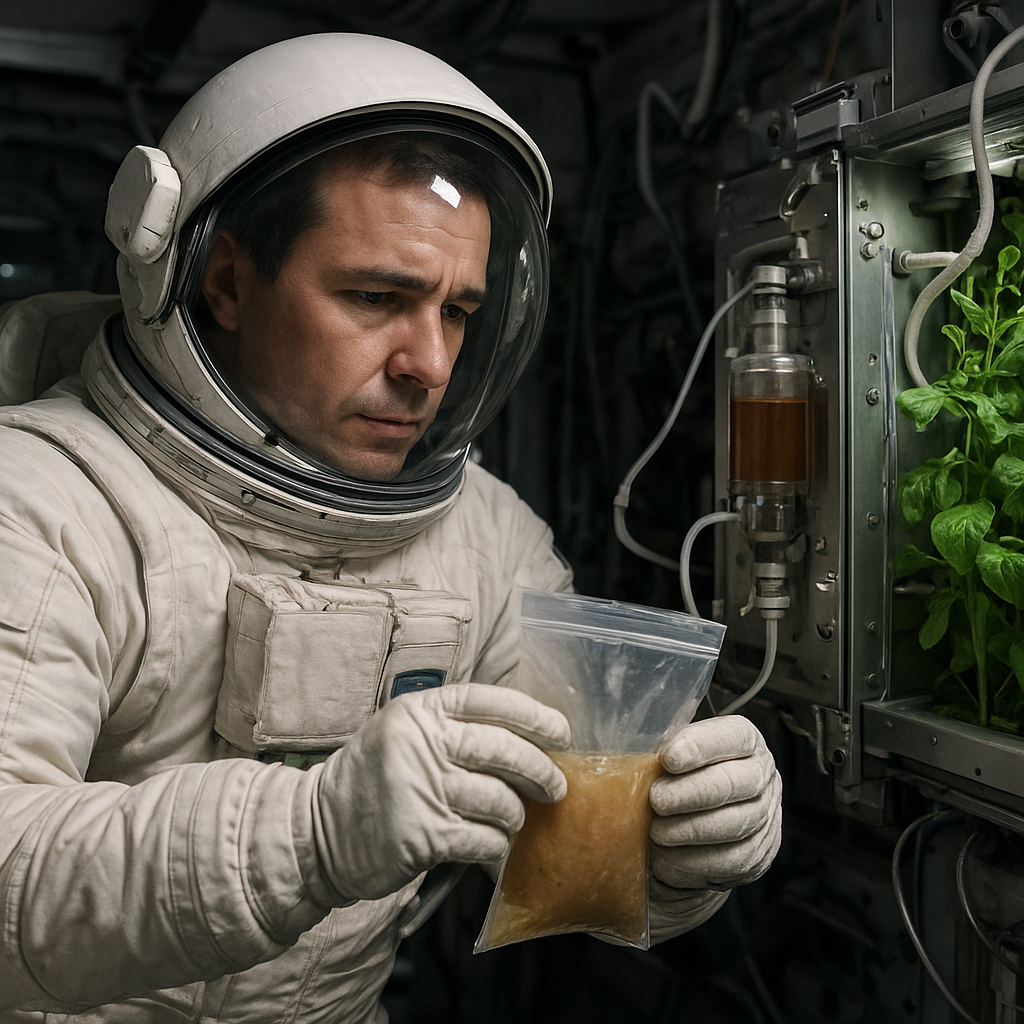
Space missions to Mars, the Moon, and beyond require innovative strategies to sustain human life far from Earth’s abundant resources. One promising approach focuses on nutrient recycling from astronaut waste to support closed-loop agriculture in extraterrestrial environments. By transforming organic by-products into essential plant inputs, future habitats can reduce resupply needs and ensure long-term crew survival. This article explores the integration of advanced biological and engineering systems, highlighting breakthroughs, challenges, and the roadmap toward truly sustainable space farming.
Biological Systems for Waste Processing
The cornerstone of effective waste conversion lies in leveraging microorganisms capable of degrading complex compounds into bioavailable forms. In terrestrial settings, composting and anaerobic digestion have proven effective, but space applications demand miniaturized, robust systems. Bioreactors housing tailored microbial consortia can break down fecal matter, uric acid, and greywater residues into ammonia, nitrates, and phosphates—key nutrients for plant growth.
Microbial Bioreactors for Nutrient Extraction
Specific bacterial strains, such as nitrifiers and denitrifiers, facilitate the conversion of ammonia to nitrate through two-step oxidation. Controlled culture vessels maintain optimal temperature, pH, and aeration, ensuring high conversion rates. By monitoring biochemical oxygen demand (BOD) and total solids, astronauts can adjust feedstock ratios to maximize efficiency. Deploying genetically optimized microbes further accelerates processing, reducing reactor volume and energy consumption.
Algal Photobioreactors as Dual-Purpose Units
Phototrophic algae provide both waste treatment and supplemental food or oxygen. When supplied with ammoniacal nitrogen from urine, species like Chlorella vulgaris thrive, converting waste into biomass rich in proteins and lipids. Integrating LED lighting systems tuned to blue and red spectra encourages rapid algal growth, establishing a low-footprint loop that satisfies two critical life support functions.
Engineering Solutions and Technologies
Beyond biology, mechanical and physical processes play a vital role in waste handling. Solid/liquid separation, filtration, and thermal treatment can precondition streams before microbial or plant uptake. Innovative hardware designs aim to minimize crew intervention and maintenance loads, embracing automation and remote monitoring to optimize system health in microgravity.
Urine Processing Units
Urine accounts for a significant fraction of waste-based nutrients, particularly nitrogen and potassium. Multi-stage filtration units use membrane technologies—such as forward osmosis and electrodialysis—to concentrate urea and mineral ions. Subsequent catalytic hydrolysis converts urea to ammonia, which is then assimilated by microbes or plants. These compact assemblies must resist fouling, operate under varying pressures, and function reliably during extended missions.
Thermal Hydrolysis and Sterilization
Thermal hydrolysis applies elevated temperatures and pressures to sterilize and solubilize organic matter, reducing pathogenic risk. The process increases the bioavailability of cellulose and proteins, making them more digestible for downstream treatment. Heat exchangers recover energy from the effluent, improving overall system sustainability and lessening power demands on the habitat.
Integration into Space Farming Modules
Closed-loop ecosystems blend waste recycling units with plant cultivation chambers, forming a continuous cycle of resource recovery. Two leading approaches—hydroponics and aeroponics—enable precise control over nutrient delivery, water usage, and root-zone environments. Selecting the right crop species and system architecture is paramount to achieving balanced nutrition, maximal yields, and minimal waste.
Hydroponic Nutrient Delivery
Hydroponics circulates nutrient-rich solutions directly to plant roots, eliminating soil-related pathogens and optimizing water use. Reclaimed water passes through ion-exchange columns to adjust pH and mineral composition, meeting specific plant demands. Monitoring electrical conductivity (EC) and total dissolved solids (TDS) ensures target concentrations remain within optimal ranges, enhancing productivity under artificial lighting regimes.
Aeroponic Systems and Root Zone Aeration
Aeroponics suspends roots in a mist environment, delivering nutrients as ultra-fine droplets. This method maximizes oxygen availability at root surfaces, accelerating uptake rates and plant growth cycles. Integrating waste-derived nutrient solutions requires fine-tuning of droplet size, frequency, and nutrient ratios to prevent clogging and root damage.
Resource Recovery
Innovations in sensor networks and machine learning algorithms enable real-time adjustments of nutrient formulations. By analyzing plant health indicators—such as chlorophyll fluorescence and stomatal conductance—automated systems can dynamically modify waste-to-nutrient conversion rates, maintaining an ideal growth environment while conserving inputs.
Challenges and Future Directions
Despite promising advances, several hurdles must be addressed before full-scale deployment. Pathogen control remains a top concern, as incomplete sterilization could introduce harmful microbes into the food supply. Developing reliable assays to verify treatment efficacy without human intervention is critical. Moreover, microgravity alters fluid dynamics, complicating mixing, sedimentation, and phase separation processes.
Pathogen Management and Biosecurity
Ensuring that recycled nutrients are free from viral and bacterial contaminants demands multi-barrier strategies. Thermal, chemical, and ultraviolet treatments can complement biological digestion, but each adds complexity and power requirements. Future research aims to combine these methods into an integrated unit that meets stringent safety benchmarks without compromising system mass constraints.
Regulatory and Ethical Considerations
The use of human waste as a fertilizer raises ethical and psychological factors impacting crew acceptance. Clear guidelines on handling, treatment verification, and risk communication help build trust. International collaboration on standards and best practices will facilitate the adoption of nutrient recycling technologies across different space agencies and commercial ventures.
Ongoing experiments on the International Space Station and ground-based analogs continue to refine our understanding of closed-loop systems. By mastering the art of transforming astronaut waste into a valuable agricultural resource, we move closer to realizing self-sufficient habitats on the Moon, Mars, and beyond.