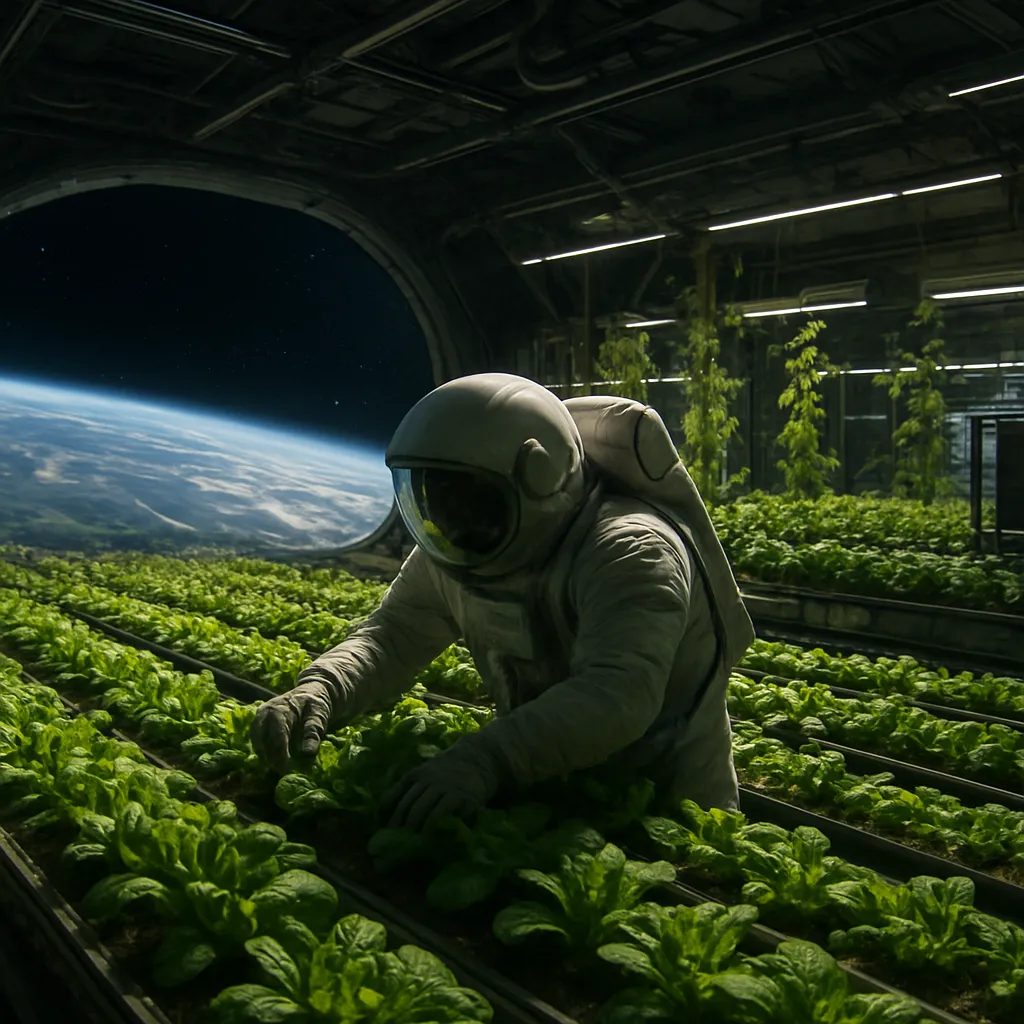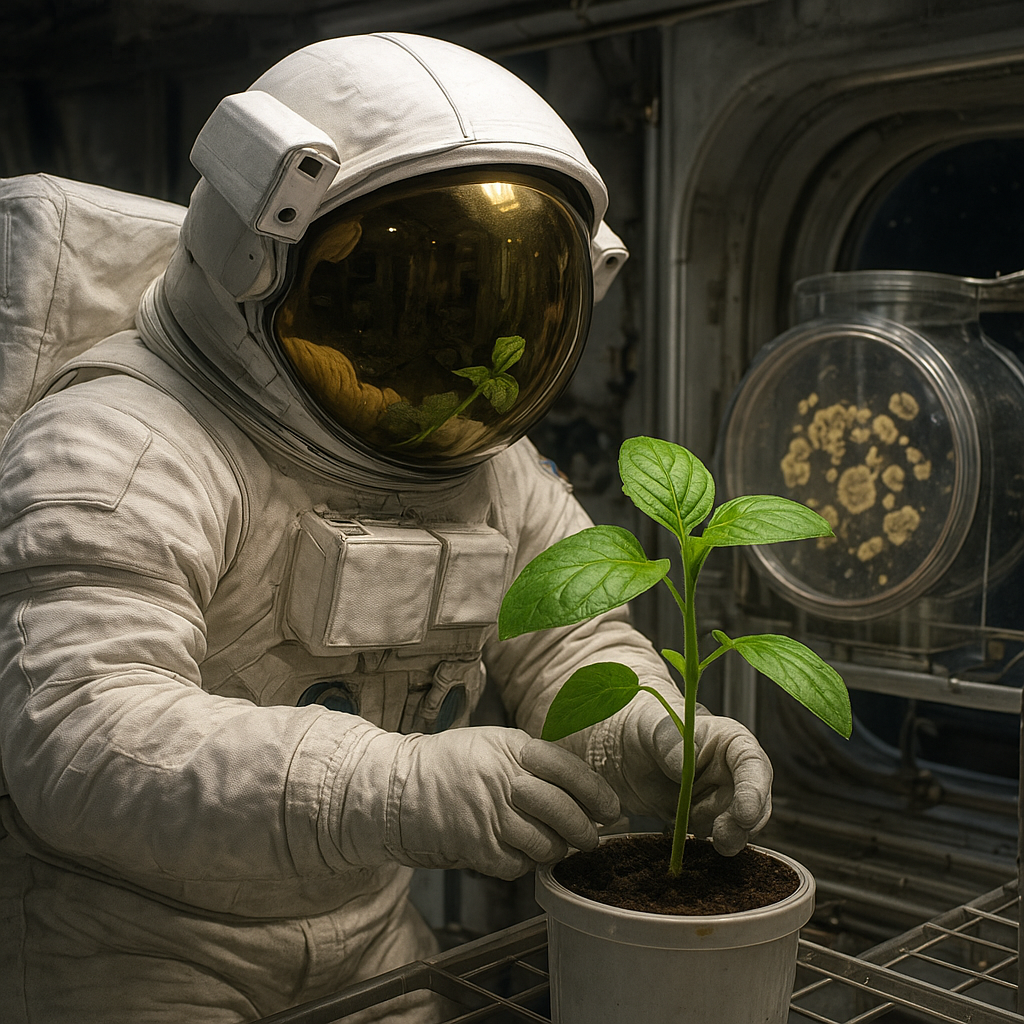
Advancements in cultivating plants beyond Earth’s atmosphere have underscored the pivotal role of microbial partners in ensuring robust growth under **extreme** conditions. As human ambitions stretch toward establishing permanent habitats on the Moon and Mars, **space agriculture** emerges as a critical pillar of sustained off-world presence. Among the many factors influencing plant health and productivity, the interactions between roots and their **symbiotic** bacteria prove indispensable. These microscopic allies facilitate nutrient acquisition, bolster stress tolerance, and contribute to closed-loop life support systems.
Understanding the Challenges of Cultivating Crops in Space
Growing plants in microgravity or reduced-gravity environments poses unique hurdles compared with terrestrial farming. Several constraints must be addressed:
- Limited access to **nutrients**: Traditional methods of soil replenishment are unfeasible in space. Plants depend on artificially supplied minerals, often in hydroponic or aeroponic setups.
- Water management complexities: In microgravity, fluid behavior differs dramatically, complicating irrigation and risking root hypoxia.
- Radiation exposure: Cosmic rays and solar particle events can damage plant tissues and may disrupt cellular processes, including **photosynthesis**.
- Restricted volume and resources: Habitats aboard the International Space Station (ISS) or future bases require compact, efficient growth systems that maximize yield per unit area.
These challenges demand innovative solutions. Integrating **beneficial** microbes into crop cultivation offers a promising avenue for overcoming resource constraints and enhancing plant performance under stress.
The Role of Symbiotic Bacteria in Space-Grown Plants
Symbiotic bacteria form mutualistic associations with plant roots, leading to significant gains in nutrition and resilience. Two main categories dominate space-based research:
- Rhizobia: Renowned for their ability to fix atmospheric nitrogen, rhizobia convert N₂ into ammonia, directly supplying an essential macronutrient in nutrient-poor substrates.
- Mycorrhizal-related bacteria: Although true mycorrhizal fungi are less common in hydroponics, certain bacteria exhibit analogous functions by enhancing phosphorus uptake and secreting growth-promoting compounds.
Key mechanisms by which these bacteria support plant health include:
- Nitrogen fixation: In the absence of soil fertility, biological fixation becomes the primary nitrogen source, reducing dependency on chemical fertilizers.
- Phytohormone production: Many symbionts synthesize indole-3-acetic acid (IAA) and other hormones, stimulating root elongation and branching for improved water and nutrient absorption.
- Stress alleviation: Bacteria can induce systemic resistance against abiotic stresses like drought and high radiation dose, enhancing overall **resilience**.
- Phosphorus solubilization: Insoluble phosphates present in regolith simulants can be mobilized by bacterial acids, making phosphorus bioavailable for plant metabolism.
Designing Microbial Consortia for Off-World Agriculture
Careful selection and combination of microbial strains are crucial for creating robust and multifunctional **bioreactors**. Factors considered include compatibility with plant hosts, stability under variable environmental parameters, and ease of storage or activation. Experimental protocols often follow these steps:
- Isolation of candidate strains from Earth soils with known harsh conditions (e.g., deserts, polar regions).
- Genomic screening for key functional genes, such as nifH for nitrogen fixation or phosphate solubilization clusters.
- Co-cultivation trials with model plants (Arabidopsis thaliana, lettuce, wheat) in controlled growth chambers mimicking microgravity via clinostats.
- Assessment of colonization efficiency using fluorescent tagging and microscopy to confirm root colonization and biofilm formation.
- Integration into spaceflight hardware: inoculants must be stable during launch, storage, and activation in orbit or on planetary surfaces.
Recent ISS experiments have validated the feasibility of microbial-assisted cultivation. Lettuce grown with a tailored bacterial consortium displayed a 20–30% increase in biomass and improved nutrient profiles compared to uninoculated controls.
Technological Implementations: From the ISS to Martian Greenhouses
Advances in space hardware design enable the seamless incorporation of microbial systems for closed-loop agriculture:
- Hydroponic growth modules: These systems allow precise control of nutrient solutions, facilitating the addition of microbial inoculants and real-time monitoring of root-zone microbiome dynamics.
- Automated bioreactors: Compact bioreactors can cultivate bacterial cultures on-demand, minimizing the need for pre-packaged freeze-dried inoculants. Such devices maintain optimal temperature, pH, and oxygen levels for microbial proliferation.
- Martian regolith testbeds: Simulant substrates, mimicking the physical and chemical properties of Martian soil, have been enriched with microbial amendments to evaluate seed germination and early growth stages under simulated Martian conditions.
- Sensor integration: Optical and electrochemical sensors embedded within growth trays track nutrient concentrations, microbial activity, and plant health metrics, enabling adaptive management strategies.
Collectively, these technologies pave the way for sustainable **bio-regenerative** life support systems that produce fresh food, recycle waste streams, and maintain crew well-being on long-duration missions.
Future Directions and Research Priorities
As space agencies and private enterprises gear up for Moon bases and Mars expeditions, several research trajectories merit attention:
- Expanding the range of symbiotic partners: Exploring endophytic bacteria and synthetic microbial consortia to widen the spectrum of plant growth-promoting traits.
- Genetic engineering for enhanced functions: CRISPR-based modifications could optimize nitrogenase stability in microgravity or tailor bacteria to secrete protective compounds against cosmic radiation.
- Long-term ecosystem studies: Simulating multi-generational plant–microbe interactions to assess evolutionary adaptations and potential microbiome shifts in closed habitats.
- Integration with waste recycling: Designing microbial loops that convert human waste into valuable nutrients, creating fully **sustainable** agronomic cycles.
- Earth applications: Technologies refined for space may translate to arid and marginal lands on Earth, promoting resilient agriculture in the face of climate change.
Exploration of these avenues will not only fortify humanity’s off-world aspirations but also yield transformative solutions for terrestrial agriculture, ensuring food security and ecological harmony.