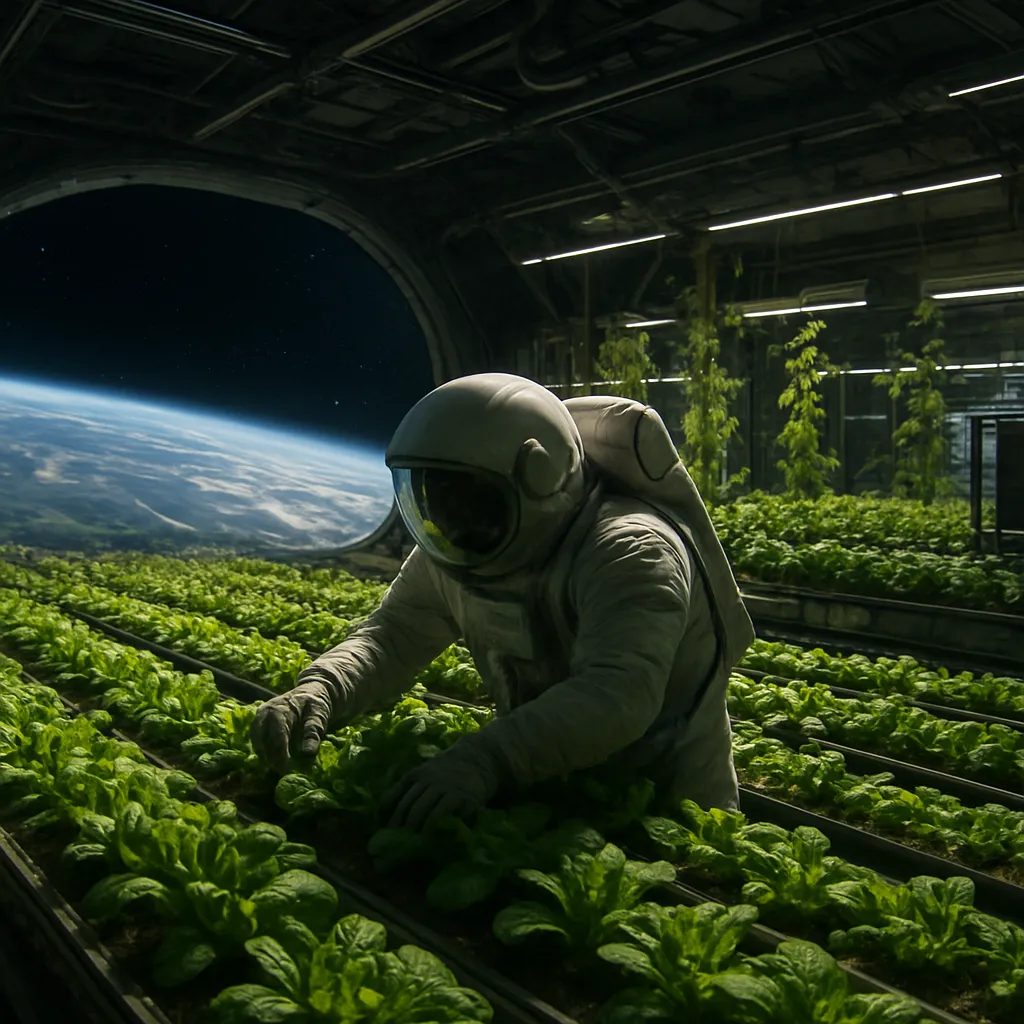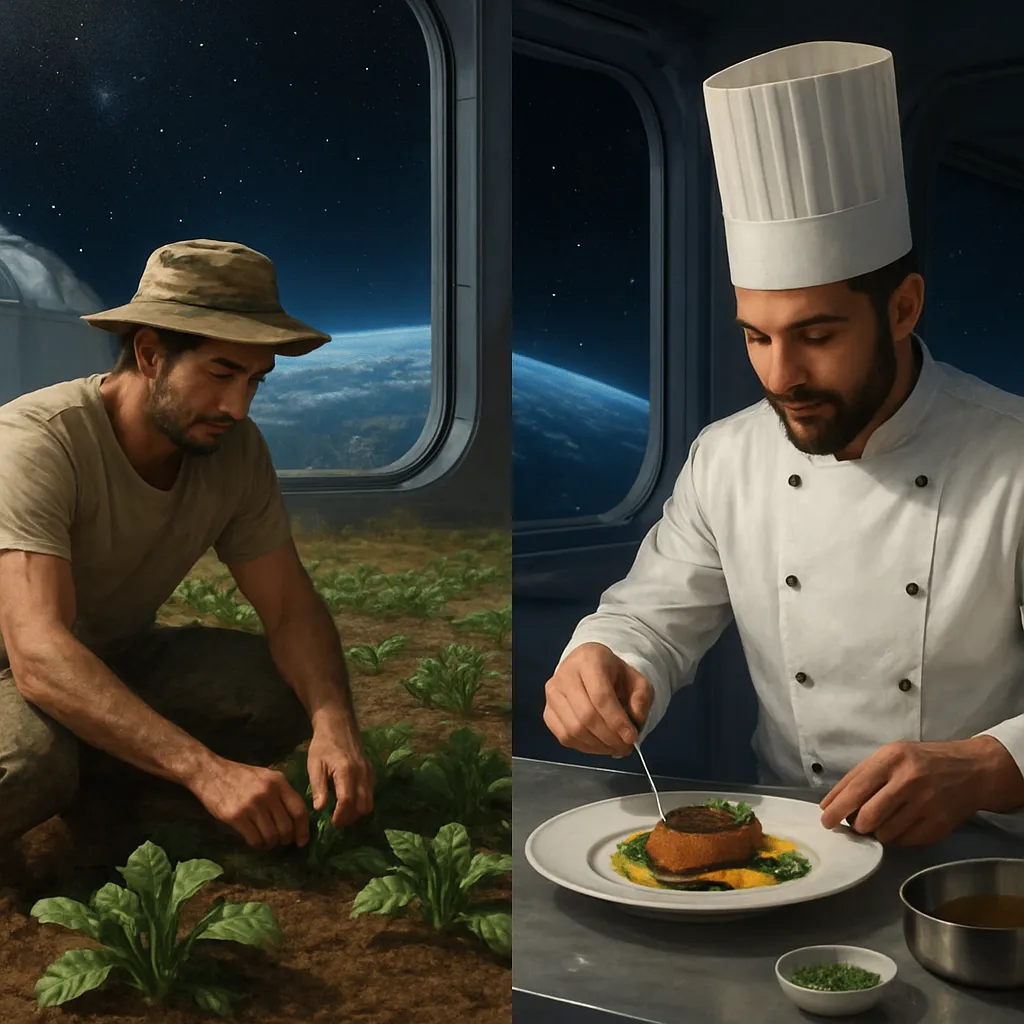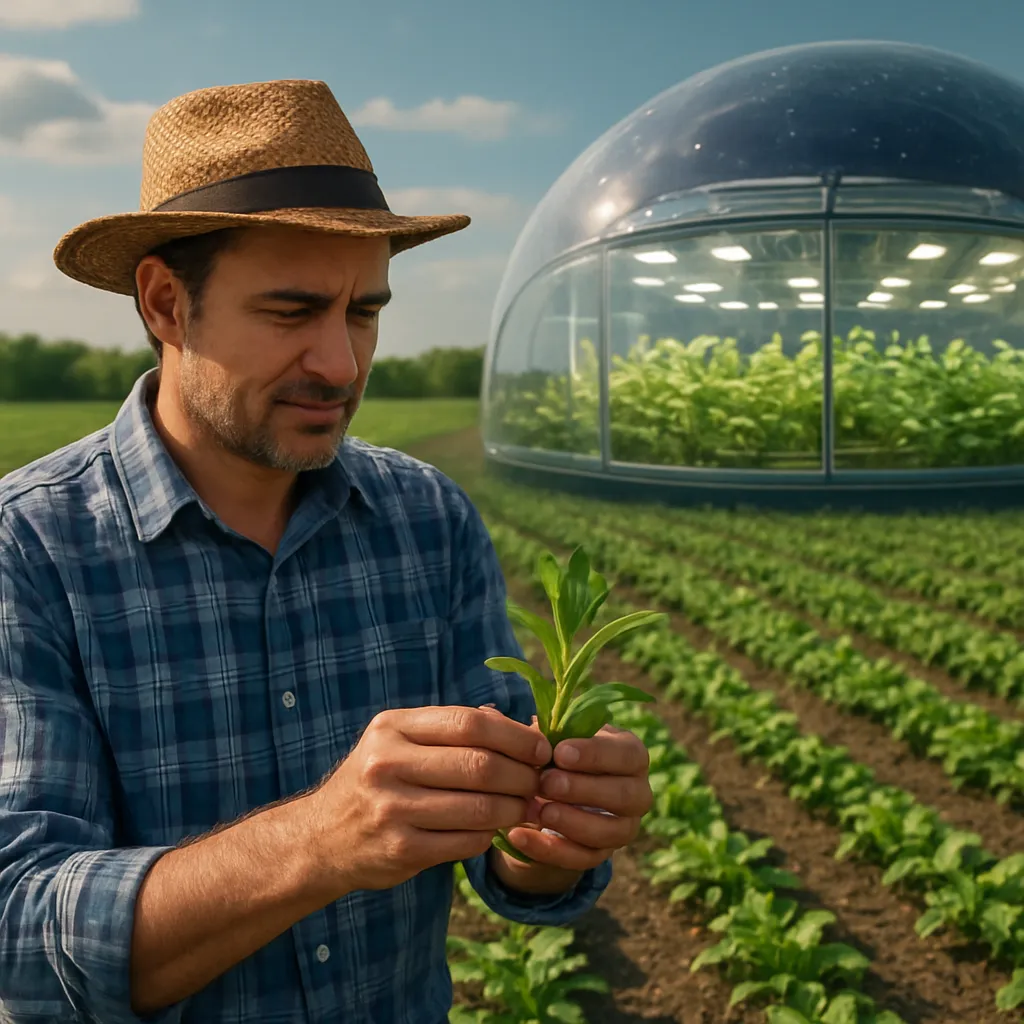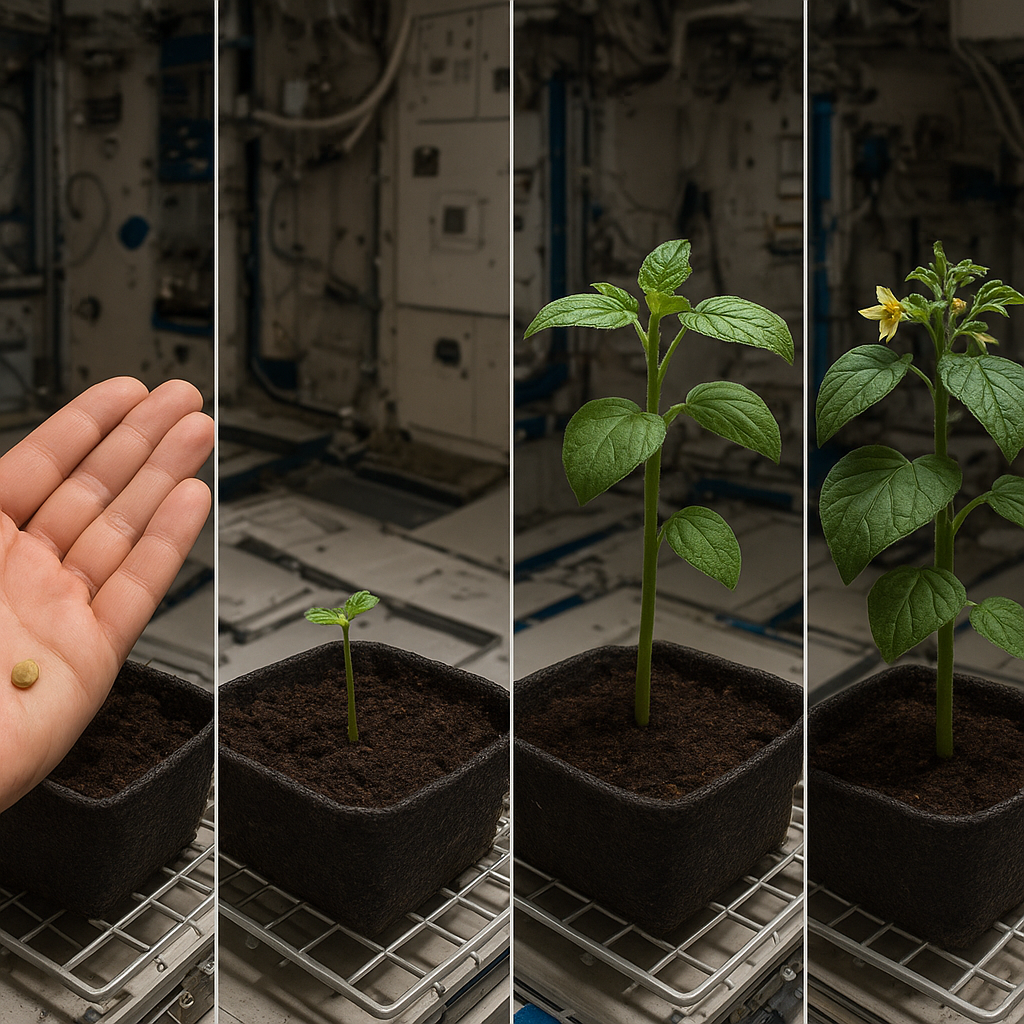
The journey of cultivating plants beyond Earth’s surface offers an unprecedented glimpse into the future of space agriculture and humanity’s quest for long-duration exploration. In orbital laboratories and on the International Space Station, researchers investigate how seeds transform into full-grown plants under the unique conditions of microgravity, radiation exposure, and limited resources. This exploration not only informs future missions to Mars and beyond but also advances terrestrial farming through innovations in controlled-environment cultivation. From the moment a seed is placed in its growth medium to the day of harvest, every phase presents both challenges and opportunities for scientific discovery.
Seed Germination Under Microgravity
In terrestrial environments, gravity guides root orientation and supports nutrient uptake. In contrast, onboard the ISS, gravity’s pull is negligible, demanding novel strategies: researchers employ specialized seed holders and gel-based substrates to anchor seeds. The absence of downward force means that roots and shoots can emerge in any direction, which complicates standard measurements of vigor and growth directionality.
Designing Growth Chambers
- Enclosures equipped with transparent walls enable continuous observation.
- Integrated cameras record time-lapse images of radicle and plumule development.
- Airflow systems deliver fresh cabin air and maintain CO₂ levels for photosynthesis.
By manipulating photoperiod settings, typically a 16:8 hour light-dark cycle, scientists stimulate germination and early growth. Light-emitting diodes are tuned to specific wavelengths—blue for leaf expansion, red for flowering induction—to compensate for the lack of natural sunlight.
Vegetative Growth and Nutrient Delivery
Once seeds germinate, sustaining vigorous growth requires precise management of water, minerals, and environmental factors. Traditional soil is heavy and impractical in orbit, so hydroponics and aeroponics systems dominate space-based cultivation research. In hydroponic modules, plant roots immerse in a circulating nutrient solution, while aeroponic designs mist roots with fine droplets, maximizing oxygen availability.
Key Components of Hydroponic Systems
- Reservoirs with sensors to monitor pH, electrical conductivity, and temperature.
- Pumps that circulate nutrient-rich water to multiple plant trays.
- Filtration units to remove microbial contaminants and maintain system health.
Researchers adjust macronutrient ratios—nitrogen, phosphorus, potassium—and trace elements to mimic optimal soil conditions. Yet, the fluid dynamics in microgravity cause challenges: bubbles can adhere to roots, impeding absorption, and sensors calibrated for Earth’s gravity require recalibration to function accurately in orbit.
Reproductive Phase and Flowering in Orbit
Transitioning from vegetative growth to flowering marks a critical milestone. Under controlled lighting, plants like Arabidopsis thaliana and lettuce varieties have completed their life cycles in orbit, demonstrating the feasibility of seed-to-seed cultivation beyond Earth. The photobioreactor approach integrates lighting, temperature control, and CO₂ regulation to trigger flowering at precise times.
Pollination Techniques
In the absence of wind and pollinating insects, researchers must intervene manually or use mechanical aids. Small brushes or vibrating elements facilitate pollen transfer between flowers. The development of self-pollinating cultivars reduces the labor required for seed production in microgravity.
Harvesting, Processing, and Nutritional Analysis
Harvesting plants in space demands ergonomic tools and packaging to prevent debris from floating freely. Crew members use scissors equipped with vacuum attachments and sealable bags to cut and collect edible biomass. Post-harvest, scientists analyze nutrient content, antioxidant levels, and microbial populations to ensure food safety and quality.
- Fresh produce tests focus on vitamins A and C, iron, and dietary fiber.
- Dry biomass undergoes mass spectrometry to detect metabolic byproducts.
- Microbial swabs verify absence of harmful pathogens that could jeopardize crew health.
Studies reveal that some crops exhibit enhanced concentrations of certain phytonutrients, suggesting that the stress of microgravity triggers unique metabolic pathways. These findings could inform novel approaches to increase nutritional density in Earth-based foods.
Technological Innovations and Future Directions
Advancements in controlled environment modules and automation hold promise for fully self-sustaining life support systems. Artificial intelligence and machine learning algorithms analyze plant health data in real time, adjusting water delivery, lighting, and nutrient dosing without human intervention. Robotic systems capable of seeding, pruning, and harvesting aim to reduce crew workload on long missions.
Challenges to Overcome
- Radiation shielding to protect DNA integrity in developing plants.
- Scalability of growth systems to produce sufficient calories for multi-person crews.
- Minimizing resource consumption—water recycling and energy efficiency are paramount.
Participation by international space agencies, universities, and private companies accelerates progress. Projects such as NASA’s Veggie facility, ESA’s MELiSSA, and commercial ventures funded by space tourism companies target the goal of continuous sustainability and resilience. On Earth, these innovations translate into improved urban farming, reduced water usage, and year-round crop production in extreme climates.
Implications for Long-Duration Exploration
Successfully closing the loop from seed to harvest in orbit addresses core challenges of self-reliance on Mars or lunar bases. Fresh food contributes to crew morale, dietary variety, and overall health. Enhanced understanding of plant responses to extraterrestrial environments lays the groundwork for terraforming concepts and in-situ resource utilization.
- Integration with life support: plants recycle CO₂ into oxygen while purifying water.
- Bioregenerative approaches may leverage plant waste for composting and soil analog development.
- Psychological benefits: greenery provides a sensory connection to Earth.
The synergy between NASA, commercial partners, and academic institutions is driving a new era of less studied species exploration, from leafy greens to tuber crops and legumes. Each success aboard the ISS brings us one step closer to sustaining human presence on other worlds.