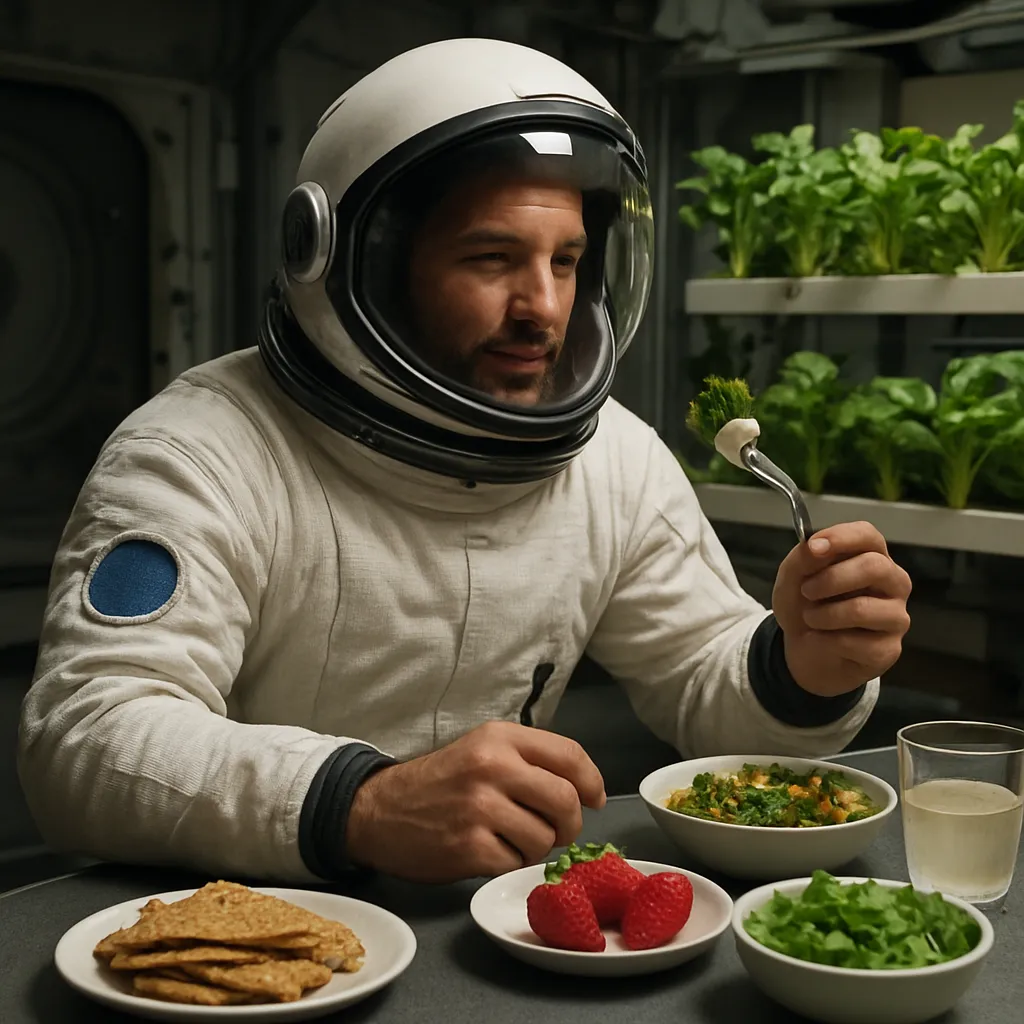
The evolution of cultivating crops beyond Earth’s surface represents a fascinating intersection of technology, culture, and gastronomy. As humanity ventures further into space, the quest to grow fresh ingredients inside spacecraft and on extraterrestrial surfaces has become both a scientific imperative and a source of creative inspiration. This article examines the historical development, cutting-edge methods, and the cultural as well as culinary dimensions of space-grown food.
Historical Roots of Space Agriculture
Early proposals for space-based agriculture date back to the 1960s, when visionaries theorized about self-sustaining orbital stations. Researchers sought to close the life-support loop by recycling carbon dioxide and water through plant photosynthesis.
First Experiments on Mir and Skylab
During missions on Mir and Skylab, cosmonauts and astronauts tested small-scale plant growth. Wheat, peas, and lettuce sprouted in specialized chambers, revealing the challenges of root orientation and watering in microgravity.
- Development of watertight containers to prevent fluid drift
- Electrical lighting systems to replace natural sunlight
- Monitoring of plant physiology under cosmic radiation
Advancements Aboard the International Space Station
The International Space Station (ISS) hosts the Veggie and Advanced Plant Habitat units, which cultivate leafy greens and dwarf wheat. These platforms integrate sensors, nutrient delivery systems, and LED arrays, providing vital data on optimal growth conditions.
Technological Innovations for Cultivating Food in Microgravity
Growing plants in space demands rethinking conventional agriculture. Microgravity affects fluid dynamics, root anchorage, and gas exchange around leaves. Engineers and biologists collaborate to develop novel solutions.
Hydroponics, Aeroponics, and Beyond
- Hydroponics: Nutrients delivered via circulated water; prevents soil-borne pathogens
- Aeroponics: Roots misted with nutrient solution; optimizes oxygen uptake
- Solid substrate approaches using inert materials like clay pellets
Controlled-Environment Agriculture in Orbit
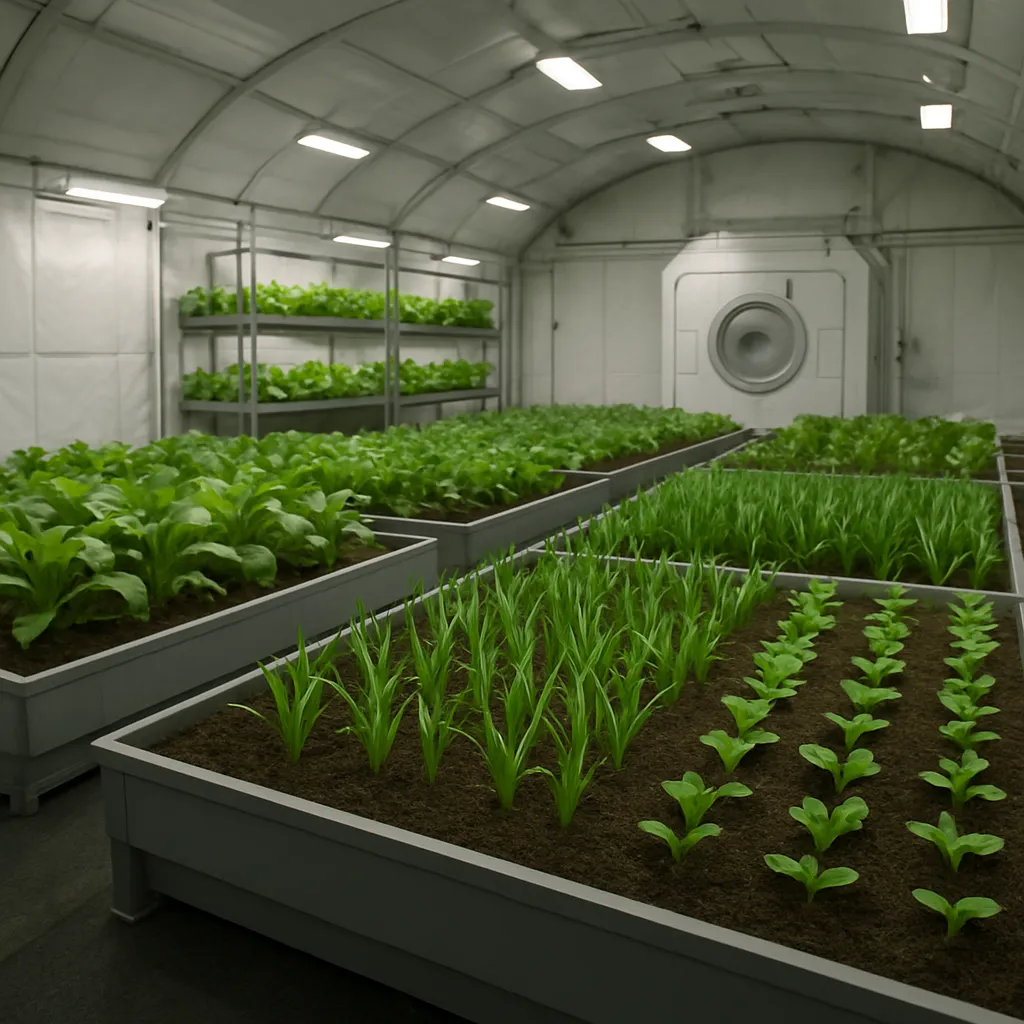
Precision control of temperature, humidity, and light wavelengths enables enhanced photosynthesis. Scientists use far-red and blue LEDs to manipulate plant morphology, accelerating growth cycles and boosting nutritional content.
Automation and Remote Monitoring
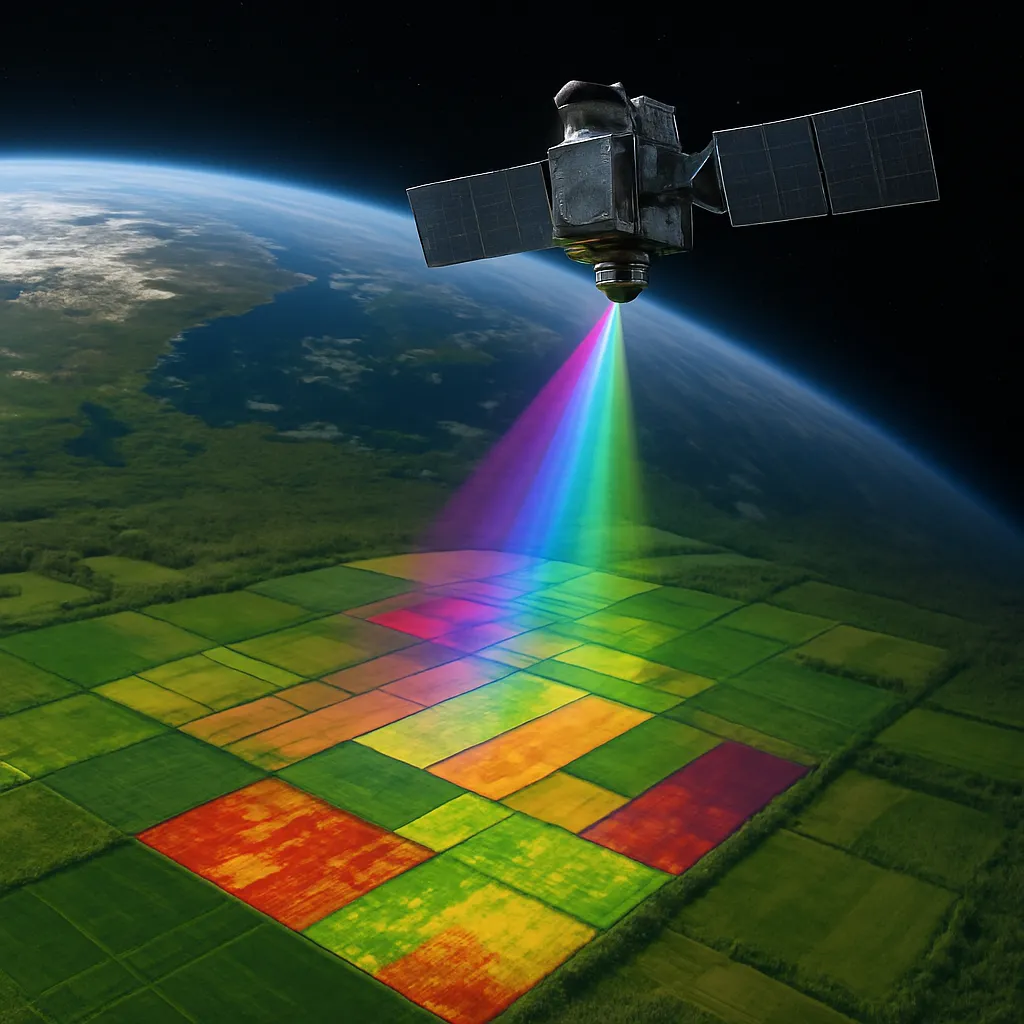
Autonomous systems equipped with cameras and spectral sensors detect nutrient deficiencies or disease outbreaks. Data transmitted to Earth-based teams supports immediate adjustments, ensuring crop health during long-duration missions.
Cultural Significance and Culinary Creativity Among Astronauts
Beyond mere sustenance, space-grown food fosters psychological well-being and cultural connection. Fresh produce provides a sensory link to home and a morale boost during extended voyages.
Rituals and Traditions in Space Dining
Astronauts have celebrated milestones—such as first harvests of lettuce and zinnias—by sharing communal meals. Trimming leaves, plating salads, and toasting with a sip of tomato juice become cherished rituals that reinforce community spirit.
Flavor Profiles and Texture Modifications
- Reduced gravity subtly alters taste perception, making some flavors appear more intense
- Enhanced vitamin C content in space-grown lettuce can result in crisper texture
- Culinary teams on Earth study these differences to craft optimized recipes
Cross-Cultural Fusion on a Cosmic Menu
Astronaut crews are multinational, bringing diverse culinary heritages. Combining space-farmed spinach with kimchi spices or drizzling microgreen shoots with Mediterranean olive oil fosters a culinary exchange that transcends national boundaries.
Challenges and Solutions for Planetary Outposts
Long-term missions to Mars or lunar bases will require robust agricultural systems capable of withstanding harsh environmental variables.
Regolith-Based Cultivation
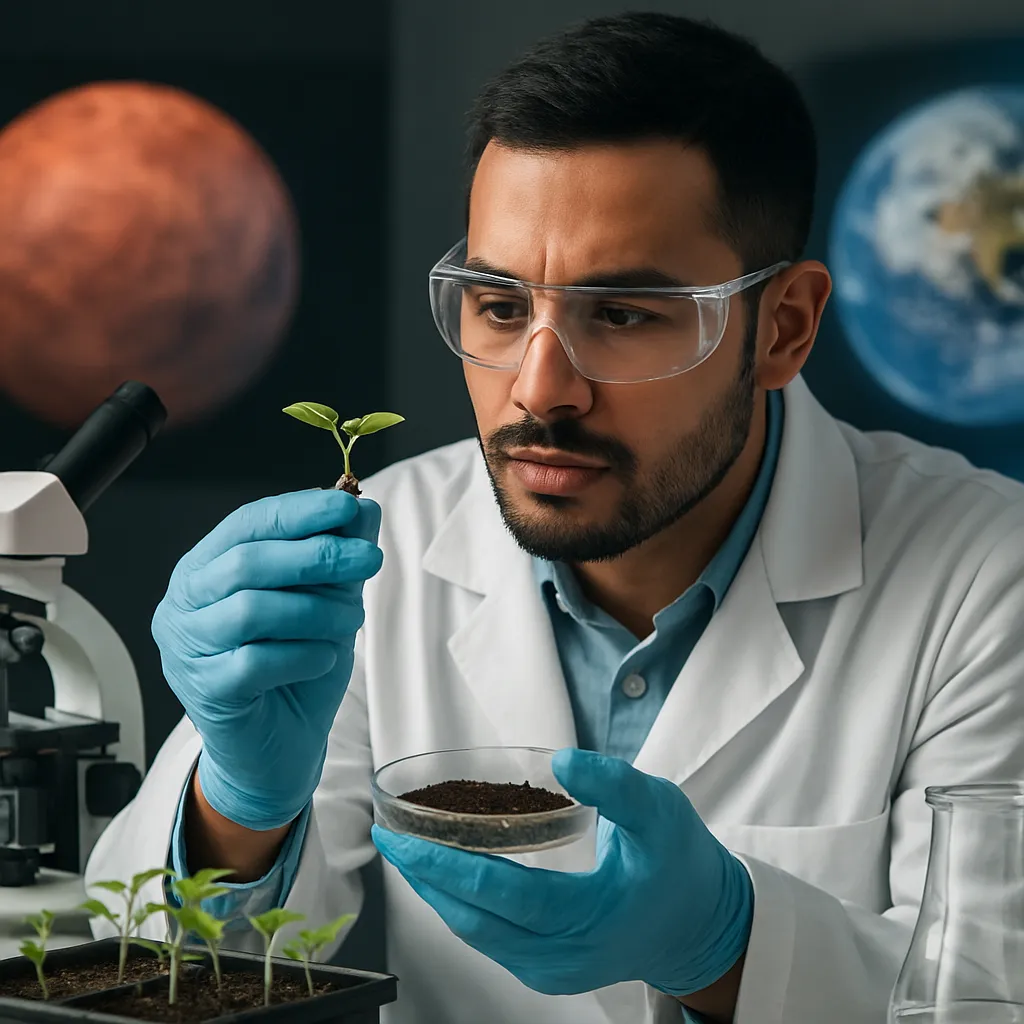
Researchers simulate Martian soil by mixing volcanic rock with organic compost. Trials show that crops like potatoes and beans can thrive when fortified with nutrients and buffered against perchlorates.
Greenhouse Designs for Lunar Habitats
Transparent domes shield plants from cosmic radiation while admitting sunlight. Internal pressure is regulated to optimize gas exchange, and water recycling loops minimize resupply needs.
Microbiome Management
Beneficial microbes support nutrient uptake and disease resistance. Scientists are mapping plant–microbe interactions to engineer a healthy rhizosphere on alien surfaces.
Future Horizons: Expanding the Galactic Palate
The next frontier involves not only feeding crews but enriching cultural identity through shared culinary experiences. Space farming could catalyze innovative cuisine that combines Earth traditions with extraterrestrial ingredients.
Synthetic Biology and Flavor Engineering
Advances in synthetic biology may allow custom-tailored flavors, vitamins, and bioactive compounds. Imagine strawberries engineered to produce higher antioxidant levels or tomatoes infused with novel aroma profiles.
Bioregenerative Life-Support Systems
Integrated ecosystems of plants, algae, and microorganisms could process waste into fresh food, creating closed-loop habitats that mimic Earth’s ecosystem. Such systems would sustain human colonies on the Moon, Mars, and beyond.
Cultural Exchange via Space Agriculture
Global participation in space-farming initiatives could democratize access to scientific breakthroughs. Virtual greenhouse tours, seed-sharing networks, and culinary workshops might unite Earth-bound communities in co-creating recipes for the stars.