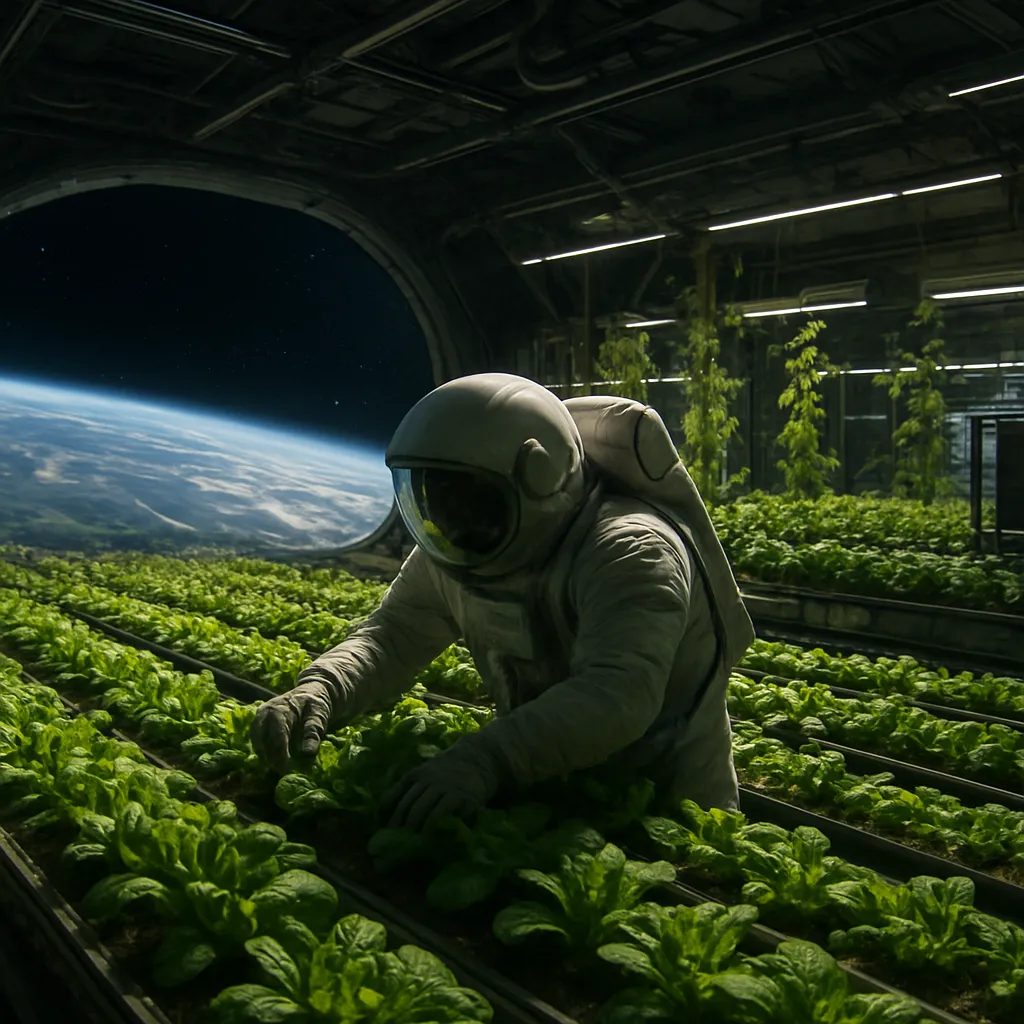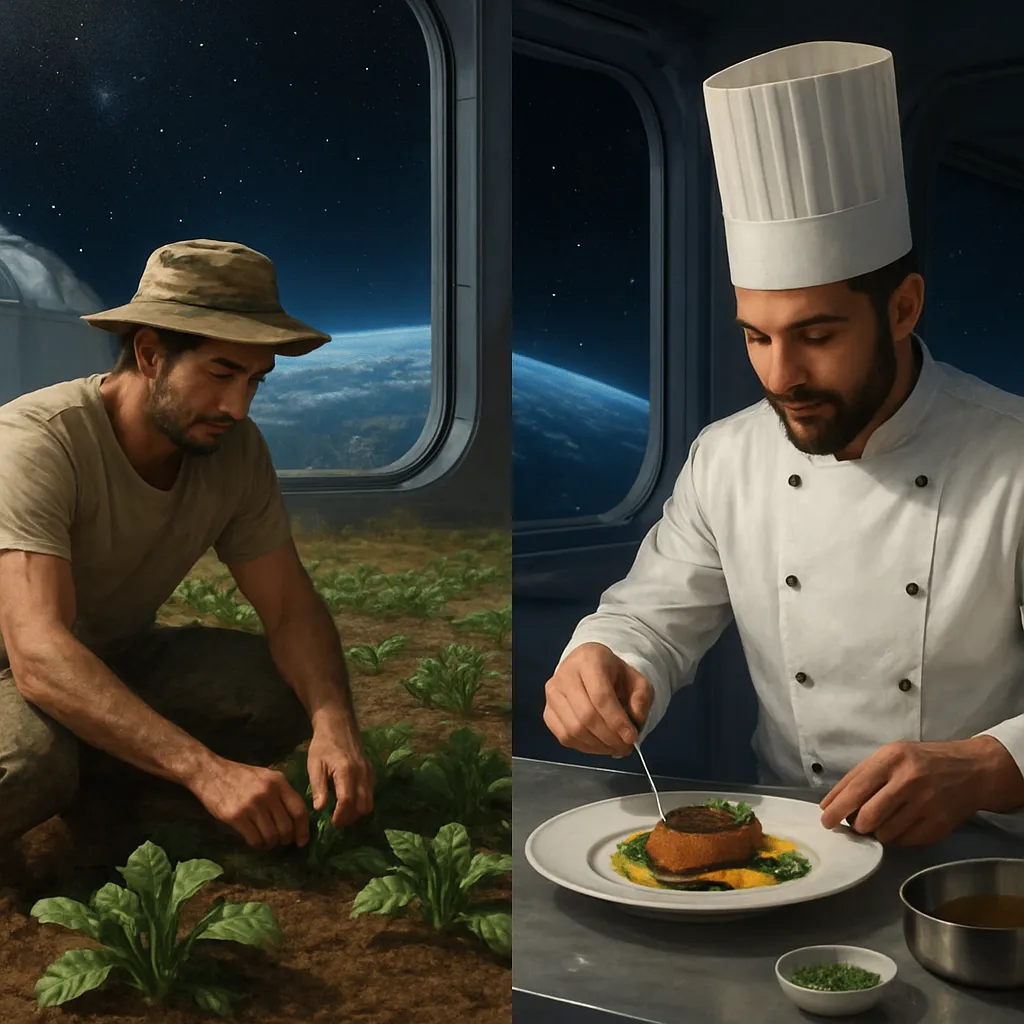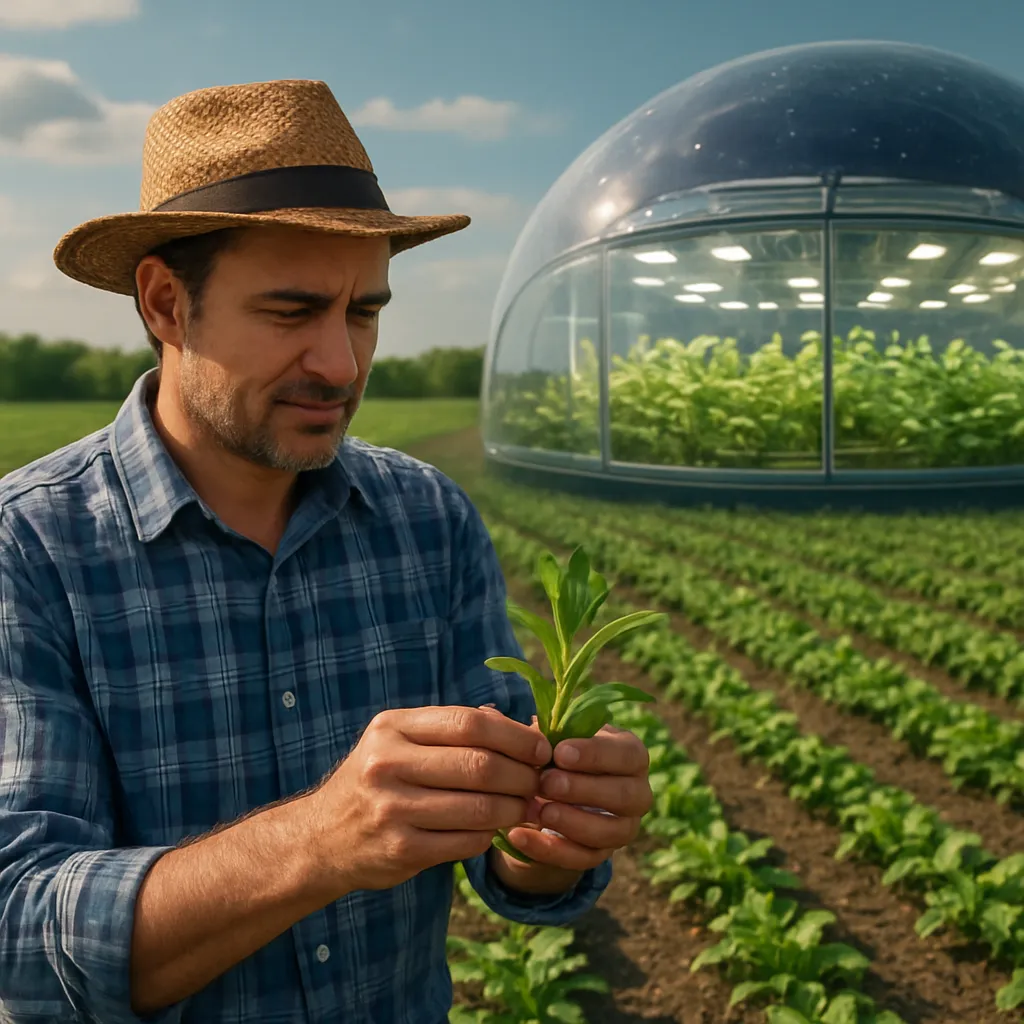
The quest to sustain long-duration missions beyond Earth orbit has driven researchers to explore innovative methods of cultivating food in extraterrestrial settings. Evaluating Space-Grown Food for Nutritional Value investigates the interplay between environmental constraints and crop quality, focusing on how plants adapt to conditions far removed from terrestrial farms. This article delves into the unique parameters shaping space agriculture, the analytical techniques used to assess nutrient profiles, and the cutting-edge technologies enabling efficient, reliable harvests aboard spacecraft and orbital habitats.
Growth Conditions and Simulated Microgravity
Cultivating plants in orbit demands meticulous control over multiple factors that differ substantially from ground-based agriculture. Chief among these is microgravity, which interrupts the normal orientation of roots and shoots, prompting physiological responses not seen on Earth. Researchers utilize clinostats and random positioning machines to approximate weightlessness, enabling the study of alterations in water uptake, cell structure, and hormonal signaling.
Another critical parameter is atmospheric composition. Elevated levels of carbon dioxide can accelerate photosynthesis, yet excessive CO₂ may cause nutrient imbalances or undesirable morphological traits. Balancing gas mixtures within growth chambers ensures that plants receive optimal carbon sources without compromising overall health. Temperature, humidity, and light spectrum must also be fine-tuned, often through LED arrays programmed to replicate sunrise-to-sunset cycles.
Simulating Extraterrestrial Substrates
- Martian regolith analogues blended with organic hydroponic media
- Basalt-rich lunar soil simulants amended for root anchoring
- Closed-loop water recycling systems integrated into growth trays
- Adjustable pH and conductivity sensors for real-time feedback
Amendments such as composted waste biomass provide essential minerals and improve resource efficiency. In parallel, automated nutrient dosing systems maintain balanced levels of nitrogen, phosphorus, and potassium, mimicking terrestrial fertilization strategies in a contained environment.
Nutrient Composition Analysis in Orbital Crops
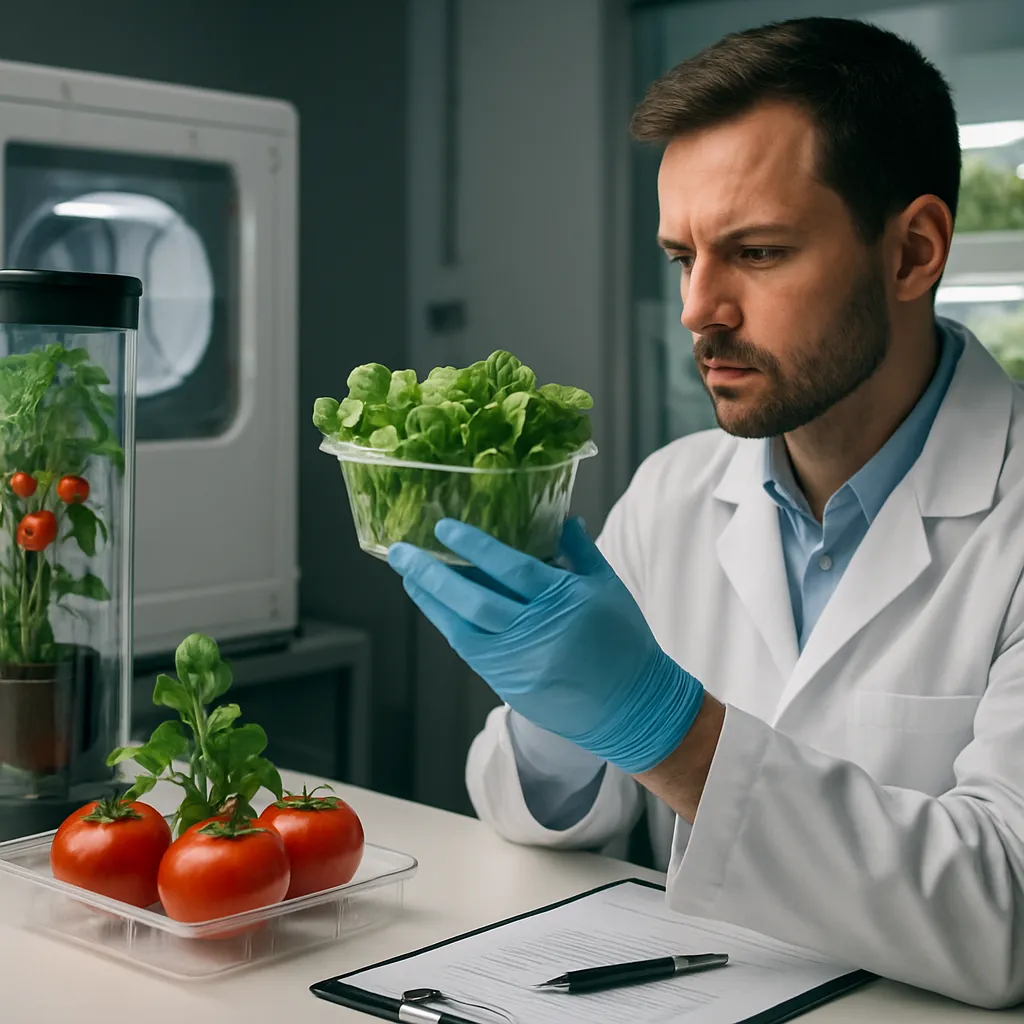
Determining the nutritional adequacy of space-grown produce requires robust analytical workflows. Initially, samples are harvested under sterile conditions to prevent contamination. Tissues—both leaf and fruit—are then lyophilized or flash-frozen to preserve delicate compounds. Analytical labs aboard space stations or return capsules employ portable tools like miniaturized spectrometry devices to measure macronutrients and trace elements in situ.
Key metrics include:
- Protein content and amino acid profiles
- Vitamin concentrations, notably vitamin C and B complexes
- Mineral levels such as iron, magnesium, and calcium
- Bioactive constituents, including antioxidants and flavonoids
Comparative studies reveal that certain crops exhibit elevated levels of secondary metabolites when grown under stress conditions akin to spaceflight. For instance, radishes cultivated in orbital chambers showed a 20% increase in vitamin C compared to ground controls. Conversely, some leafy greens may suffer from lower biomass, necessitating optimization of light intensity and nutrient delivery to sustain nutrient density.
Technological Innovations Enhancing Space Agriculture
Advanced cultivation systems are pivotal for efficient food production beyond Earth. Two principal methodologies dominate current research:
- Hydroponics: Growing plants in nutrient-rich water solutions without soil, enabling precise nutrient control and minimal waste.
- Aeroponics: Suspending roots in air while misting them with fine droplets of nutrient solution, maximizing oxygen availability and reducing water usage by up to 90%.
Moreover, modular bioreactors are under development to integrate microbial consortia that fix nitrogen, degrade waste products, and even synthesize edible proteins. These systems support closed-loop life support by recycling carbon, water, and nutrients within the habitat, thereby reducing resupply dependency from Earth.
Automation and Artificial Intelligence
Autonomous monitoring platforms leverage cameras and multispectral sensors to assess plant health, enabling early detection of deficiencies or pathogen outbreaks. Machine learning algorithms analyze growth patterns to adjust environmental variables in real time. This digital oversight not only boosts yield predictability but also frees crew members for mission-critical tasks beyond agriculture.
Future Directions in Extraterrestrial Crop Development
Researchers are exploring genetic approaches to tailor crops specifically for spaceflight. Gene editing techniques, such as CRISPR-Cas systems, target traits like enhanced root gravitropism, improved drought resistance, and faster maturation under controlled lighting schedules. Experimental trials on Earth aim to validate these modifications before deployment on the International Space Station or dedicated lunar bases.
Integration of plant cultivation with other life-support modules paves the way for synergy between oxygen production, carbon dioxide scrubbing, and food generation. Such multi-functional systems could form the backbone of sustainable habitats on Mars or beyond, reducing launch mass and extending mission durations.
Key research priorities include:
- Optimizing plant-microbe interactions for nutrient cycling
- Enhancing radiation shielding for delicate tissues
- Scaling up bioreactor volumes without compromising crew safety
- Developing consolidated modules that combine food, water, and air production