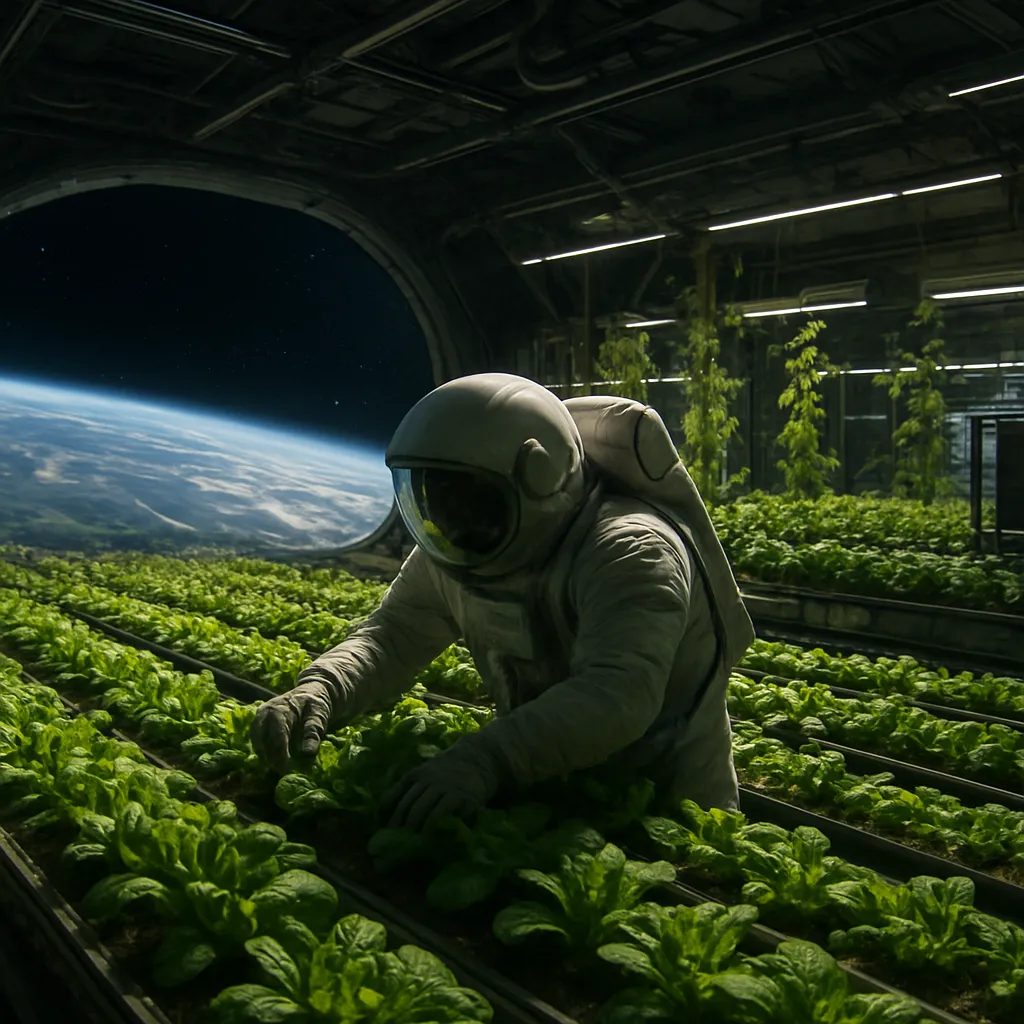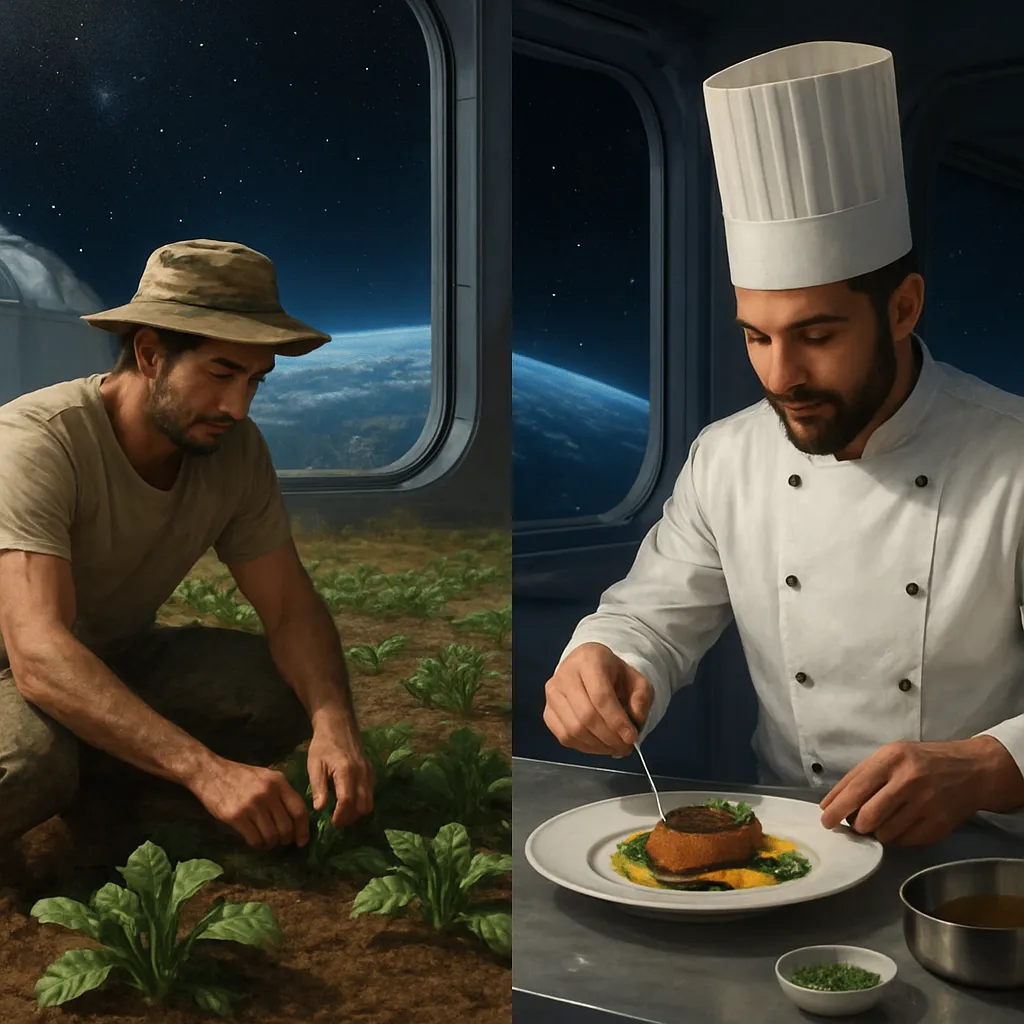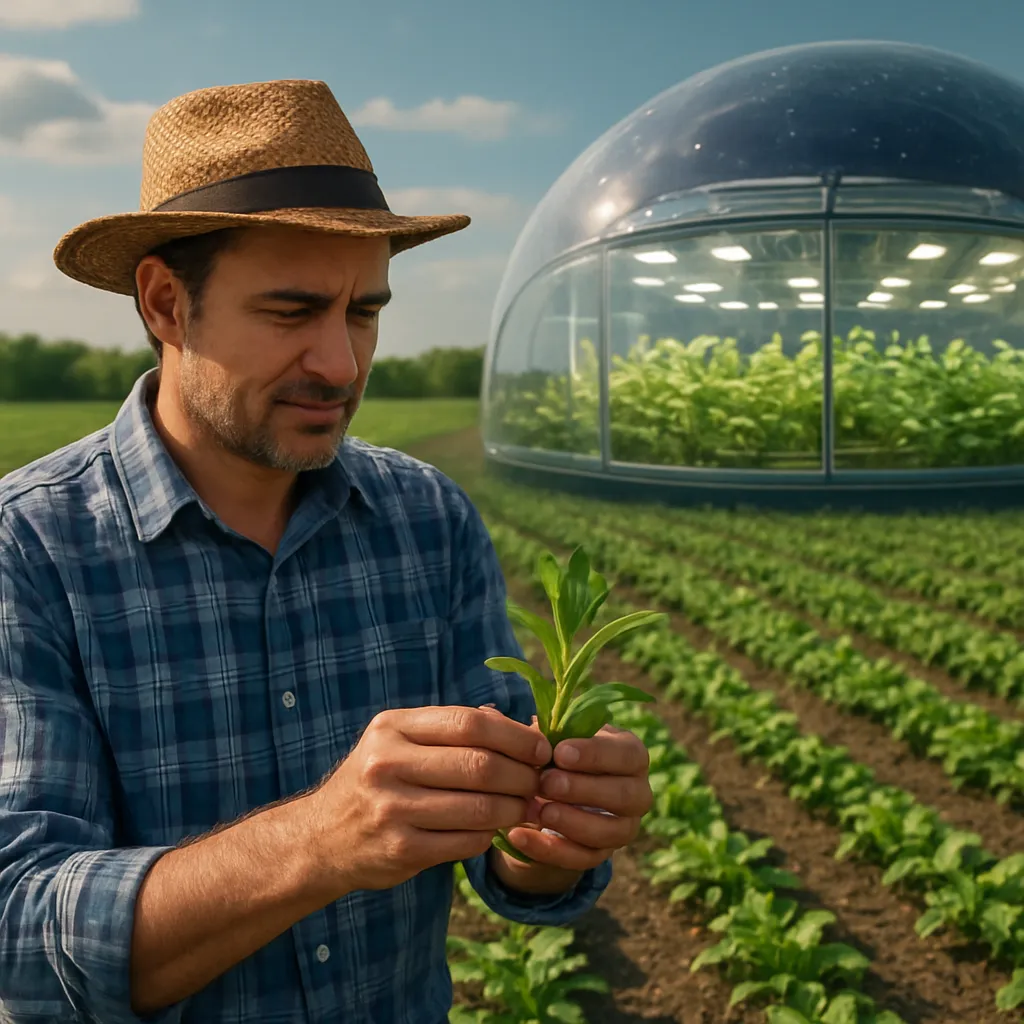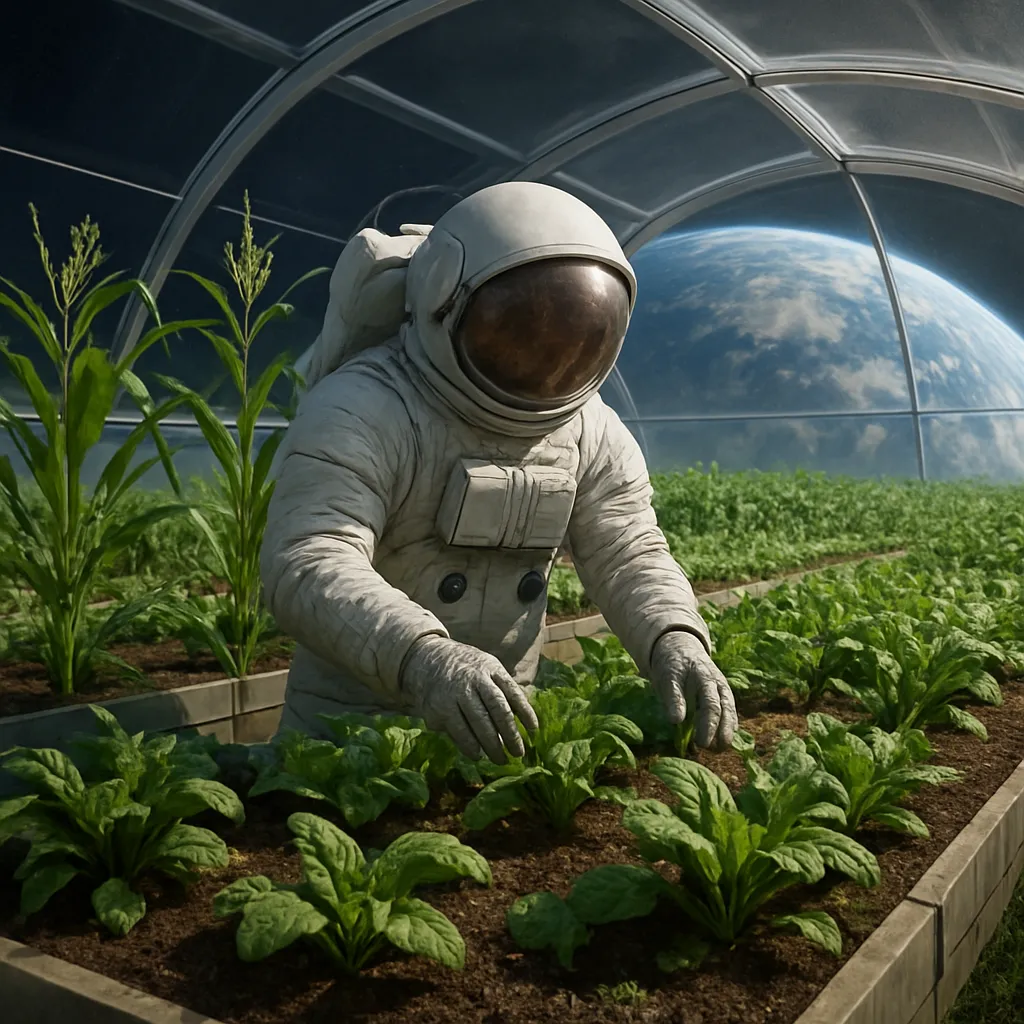
Applying regenerative farming principles to space environments offers a transformative approach to sustainable agriculture beyond Earth. As humanity ventures to the Moon, Mars, and beyond, the integration of holistic agricultural methods becomes essential for long-term mission success and ecological stewardship. Regenerative systems emphasize the restoration of natural cycles, the harnessing of biological interactions, and the minimization of external inputs. This article explores how these principles can be adapted to space agriculture, highlighting key strategies for building resilient, efficient, and life-supporting agroecosystems in extraterrestrial settings.
Regenerative Foundations in Controlled Environments
At the core of regenerative farming lies an emphasis on building healthy soils, promoting biodiversity, and fostering dynamic energy flows. In off-world habitats, traditional soil may be replaced or supplemented by artificial substrates or recycled materials. Still, the foundational goals remain: enriching the medium with essential nutrients, encouraging a thriving community of microorganisms, and designing a balanced ecosystem that can self-organize. Techniques such as biochar amendment, vermiculture, and microbial inoculation can convert inert regolith simulants into living growing media. By engineering substrate chemistry and physical structure, space farmers can ensure adequate water retention, aeration, and a spectrum of mineral availability to support robust plant development.
Restoring Substrate Health with Biological Amendments
In regenerative terrestrial systems, cover cropping and composting contribute organic matter to degraded soils. In space, closed habitats lack traditional biomass. Instead, crews can cultivate specialized microorganisms and earthworms within bioreactors to produce a steady stream of nutrient-rich compost. Algae, cyanobacteria, and fungal cultures can fix nitrogen, sequester carbon dioxide, and generate bioactive compounds. Incorporating these biological amendments to synthetic substrates gradually improves water-holding capacity and cation exchange potential, laying the groundwork for successive planting cycles that reduce reliance on resupply missions.
Encouraging Symbiotic Partnerships
Mycorrhizal fungi and plant roots form mutualistic relationships that enhance nutrient uptake and stress tolerance. Introducing arbuscular mycorrhizal fungi (AMF) to space-grown crops may bolster absorption of phosphorus and micronutrients within low-diversity systems. Similarly, legumes inoculated with rhizobia bacteria can generate bioavailable nitrogen. Establishing such partnerships mitigates the need for continuous fertilizer inputs, optimizing resource use while enhancing plant resilience against environmental fluctuations, including variations in temperature or humidity common in extraterrestrial greenhouses.
Closed-Loop Life Support through Integrated Systems
Synthetic life support in spacecraft and extraterrestrial bases typically revolves around air, water, and waste recycling. Regenerative agriculture extends this closed-loop paradigm by integrating food production into life support, leveraging plant transpiration for humidity control and biofiltration for air revitalization. Hydroponics or aeroponic modules can be coupled with fish tanks in aquaponic cycles, where fish waste becomes a source of plant nutrients. This synergy exemplifies the concept of closed-loop design, minimizing waste streams and maximizing resource recovery.
Aquaponics and Water Recycling
In the vacuum of space, water is a precious commodity. Aquaponic systems allow crews to cultivate both fish and plants within a shared water reservoir. Ammonia produced by fish is converted into nitrates by nitrifying bacteria, creating a continuous nutrient supply for leafy greens and fruiting crops. Excess water from plant transpiration condenses and is recaptured, feeding back into the system. This tight coupling of animal husbandry and horticulture underscores the potential for efficient waste management, reducing the mass and volume of stored supplies.
Atmospheric Conditioning through Plant Physiology
Plants naturally absorb carbon dioxide and release oxygen via photosynthesis. In controlled habitats, carefully selected crop species can regulate atmospheric composition, supplementing mechanical life support units. Species with high photosynthetic capacity and rapid growth rates, such as wheat, lettuce, or fast-growing herbs, contribute to carbon sequestration and O₂ generation. Pairing photoperiod optimization with tailored LED lighting spectra ensures maximum gaseous exchange efficiency and nutrient assimilation.
Innovative Technologies for Extraterrestrial Regeneration
Advancements in engineering, biotechnology, and data analytics are driving new frontiers in space-compatible regenerative practices. Precision agriculture tools—sensors, robotics, and artificial intelligence—enable minute monitoring and adaptive control of environmental parameters. These technologies help maintain consistent growth conditions, reduce labor, and detect early signs of nutrient deficiencies or disease outbreaks. Integrating machine learning with bioreactor controls can modulate microbial community composition, fostering dynamic adaptability in response to shifting mission demands or unexpected stressors.
Automated Monitoring and Adaptive Control
Deploying networks of miniaturized sensors for humidity, pH, nutrient concentration, and light intensity allows for real-time feedback loops. Smart irrigation and fertigation systems deliver precise doses, optimizing water use efficiency and nutrient uptake. When paired with robotics, maintenance tasks such as planting, harvesting, and substrate turnover can be mechanized, freeing crew time for research and exploration while ensuring consistent ecosystem performance.
Biodesign and Genetic Optimization
Synthetic biology offers the potential to engineer crops with enhanced traits: tolerance to low-pressure environments, increased nutrient bioavailability, and accelerated growth rates. Gene editing tools such as CRISPR can target specific metabolic pathways to boost the synthesis of essential amino acids, vitamins, or secondary metabolites that support crew health. By combining tailored plant lines with specialized microbial consortia, space agriculture systems can achieve higher yields with reduced input requirements, fostering a truly regenerative loop.
Challenges and Future Prospects
Translating regenerative paradigms to space entails unique challenges. Cosmic radiation, microgravity, and fluctuating thermal conditions impose stress on biological systems. Radiation can damage DNA, alter microbial behavior, and affect plant metabolism. Microgravity impacts fluid dynamics, root orientation, and gas exchange. Overcoming these hurdles requires the development of protective shielding, gravity simulators, or selective breeding of radiation-resistant strains. Moreover, resource scarcity and logistical constraints demand maximal efficiency and robustness in system design.
Despite these obstacles, the pursuit of regenerative space agriculture holds promise for Earth as well. Innovations born out of necessity—closed-loop water purification, resilient crop varieties, microbial bioreactors—can inform sustainable terrestrial farming practices, driving a positive feedback loop between space exploration and planetary stewardship. As humanity reaches for the stars, adapting regenerative principles beyond our planet paves the way for enduring presence in the cosmos while nurturing the sustainability of ecosystems on Earth and afar.