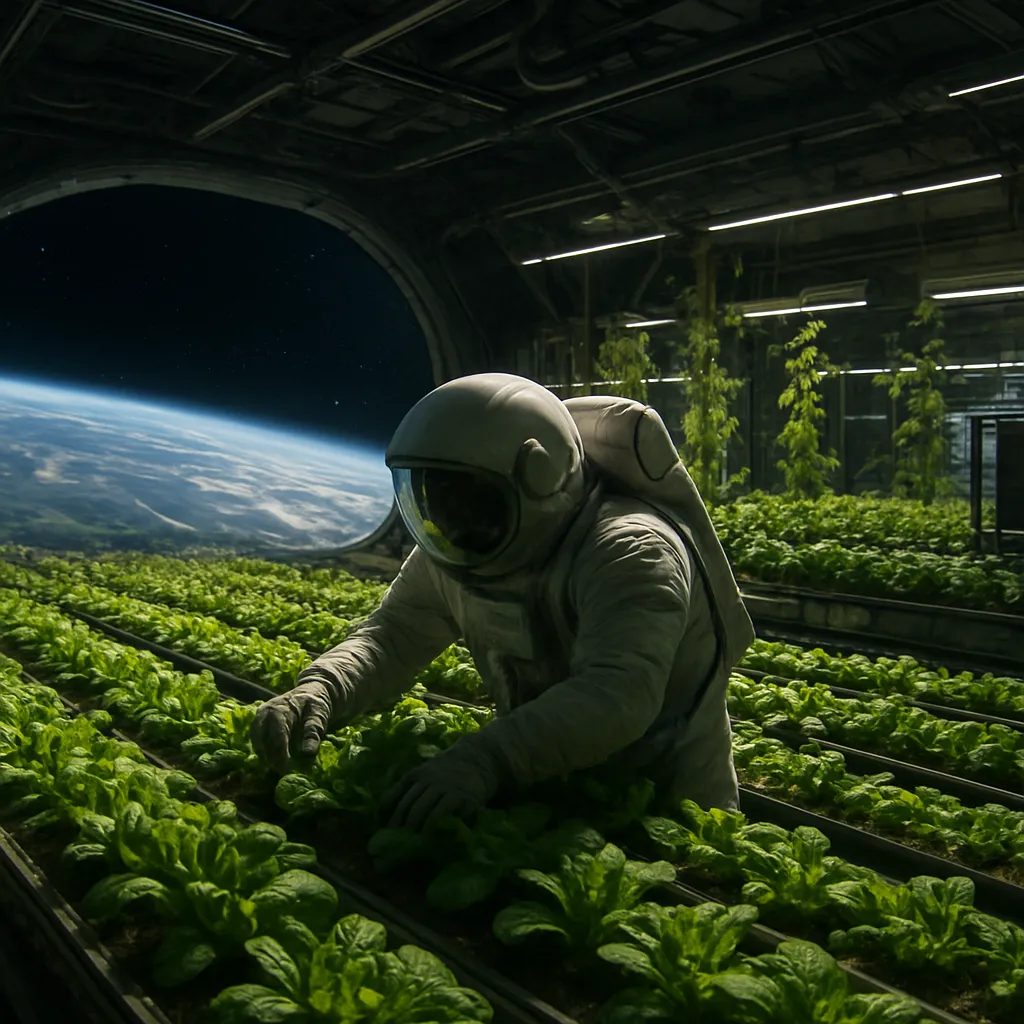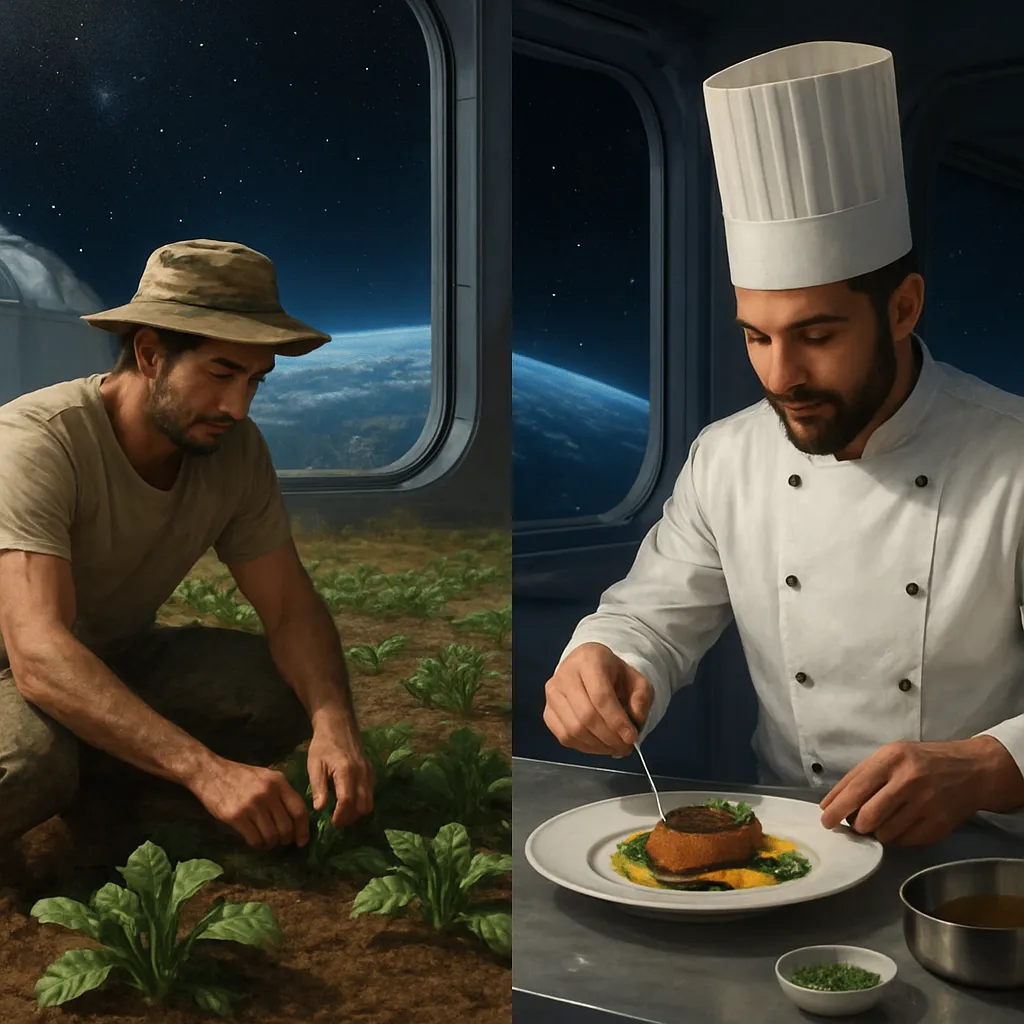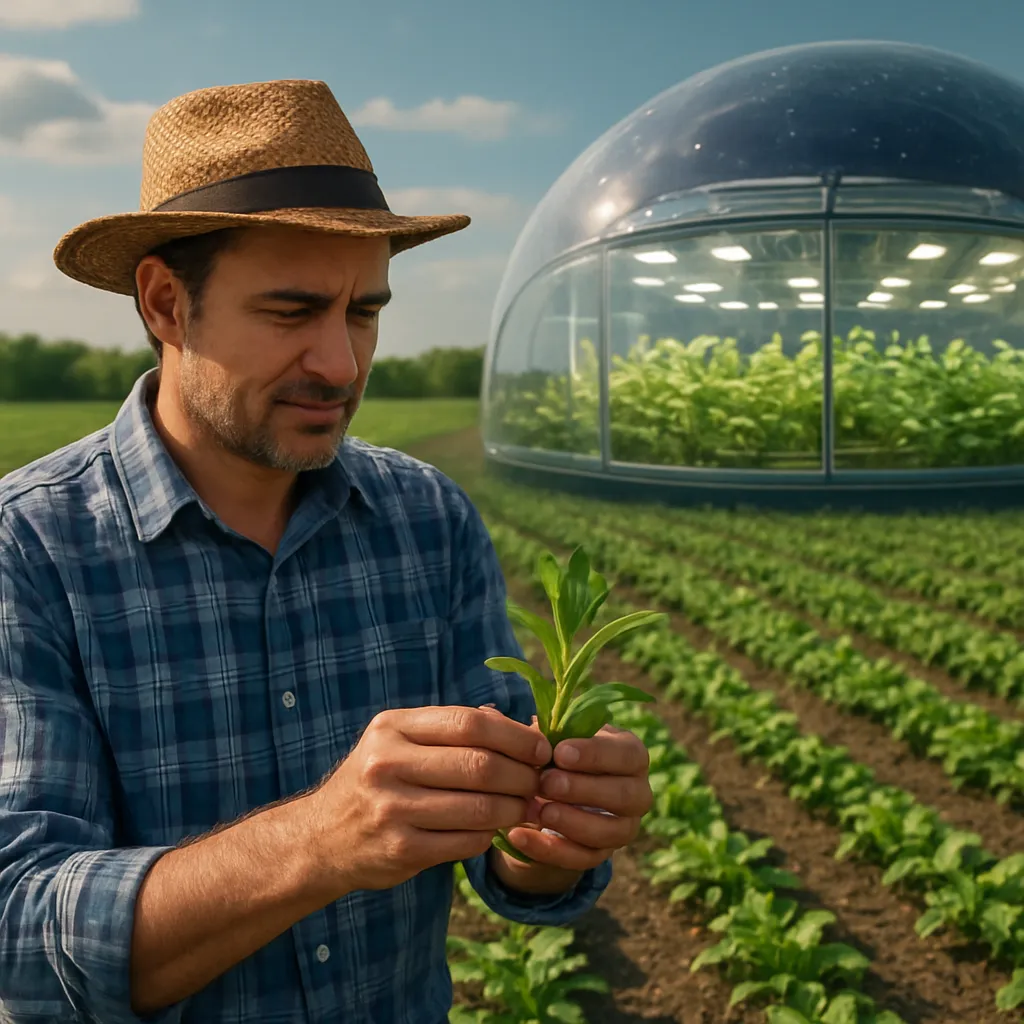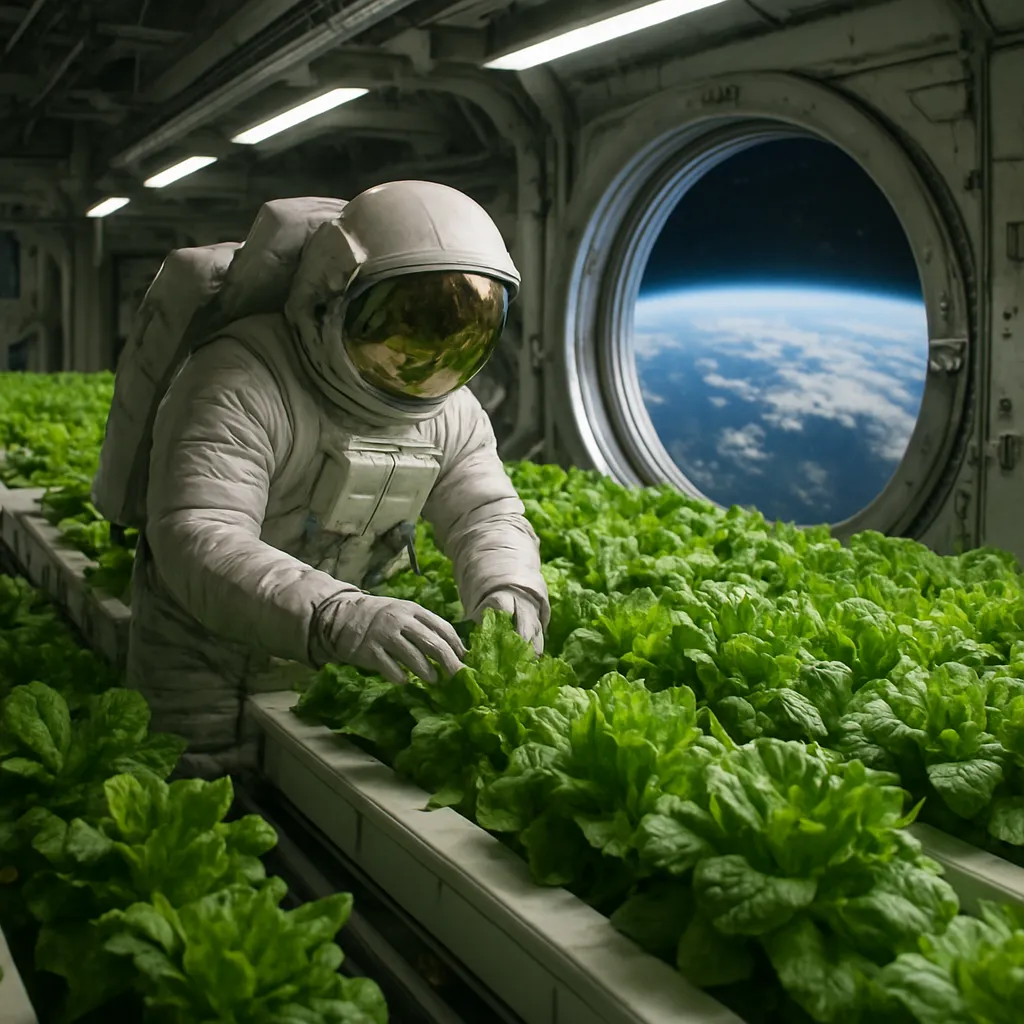
Space agriculture stands at the crossroads of **innovation** and **sustainability**, offering novel approaches to food production in environments far beyond Earth’s surface. By exploring advanced cultivation techniques under microgravity and radiation conditions, researchers gain valuable insights that can be transferred to terrestrial farming systems. This article examines how space-driven agricultural research could play a pivotal role in **climate mitigation** and address pressing environmental challenges on our home planet.
Advanced Technologies in Space Farming
Developing crops in orbit or on extraterrestrial surfaces demands rigorous control over every growth parameter. Without the buffering effects of Earth’s atmosphere and magnetic field, plants face stressors such as high-energy particles, fluctuating temperatures, and altered gravity. To overcome these obstacles, scientists employ a variety of cutting-edge tools and methods:
- Hydroponics and Aeroponics: Nutrient solutions replace soil, enabling fine-tuned delivery of water, minerals, and oxygen directly to plant roots. By eliminating soil-borne pathogens, these techniques boost **efficiency** and reduce water consumption by up to 90% compared to conventional agriculture.
- LED lighting systems: Customized light spectra optimize photosynthesis under energy constraints. Adjustable red, blue, and far-red wavelengths lead to shorter growth cycles and enhanced biomass production.
- Photobioreactors: Enclosed vessels cultivate microalgae rich in proteins and lipids, suitable for both human nutrition and biofuel feedstock. Their closed-loop design minimizes nutrient loss and maximizes **resource management**.
- Bioregenerative systems: Integrated modules recycle air and water through plant-based filtration, supporting long-duration missions. Such systems demonstrate the value of **closed-loop** ecological networks.
Researchers study these platforms aboard the International Space Station (ISS) and in ground-based analogs to refine protocols for seed germination, root architecture, and stress-response pathways. In particular, experiments focus on genetic enhancements that boost plant resilience to radiation and low-pressure environments. By isolating beneficial traits, scientists aim to breed crops capable of thriving under extreme conditions—knowledge that directly informs efforts to cultivate in marginal soils or arid regions on Earth.
Adapting Space Innovations for Earth
Many technologies originally designed for spacefarers offer promising solutions for sustainable agriculture on our planet. As climate change intensifies droughts, heatwaves, and soil degradation, these toolkit elements can help safeguard **food security** and reduce environmental footprints.
Water and Nutrient Efficiency
Technique transfer from aeroponics and hydroponics offers farmers the ability to grow crops with minimal water input. Vertical farms in urban centers now employ nutrient film techniques and misting systems to support leafy greens, herbs, and berries. By reusing up to 95% of irrigation water, these systems greatly alleviate pressure on dwindling freshwater supplies.
Climate-Resilient Varieties
Genetic research into plant tolerance under low-gravity or high-radiation conditions has uncovered genes linked to robust DNA repair mechanisms and efficient stress signaling. Through targeted breeding and biotechnology, these traits are introduced into staple crops, resulting in varieties that withstand salinity, heat stress, and unpredictable rainfall patterns.
Modular Farming Units
Portable growth chambers inspired by space-bound bioregenerative habitats now serve disaster relief missions. Compact units equipped with LED panels, minimal residual soil substrates, and automated monitoring allow rapid deployment to regions struck by floods or hurricanes. These systems produce fresh produce within days, aiding communities facing disrupted supply chains.
Environmental Impact and Policy Implications
Space agriculture’s contributions to Earth extend beyond improved productivity. By rethinking food production paradigms, policymakers can leverage space-derived insights to combat greenhouse gas emissions and restore degraded landscapes.
- Carbon sequestration: Certain photobioreactor-grown microalgae absorb CO₂ at rates exceeding terrestrial forests per unit area. Scaling these systems in wastewater treatment or rooftop installations could form part of a diversified carbon capture portfolio.
- Land-use reduction: High-yield vertical farms decrease the need for deforestation and habitat conversion. Urban integration of these farms transforms underutilized buildings into productive greenhouses, curbing further encroachment on biodiversity hotspots.
- Energy savings: Precision-controlled indoor farms, powered by renewable sources, operate at optimized temperatures and humidity levels. A shift toward such facilities can lower fossil fuel dependence within the agricultural sector.
To maximize these benefits, rigorous regulatory frameworks must encourage adoption of space-tested practices. Incentives for innovation, grants for pilot projects, and public–private partnerships are vital. Collaboration with aerospace agencies ensures continuous feedback loops, where terrestrial trials inform future space missions and vice versa.
Future Horizons in Space Agriculture
Looking ahead, the next frontier involves cultivating plants on the lunar surface and Mars, where lessons learned will further refine Earth-based applications. Experiments with lunar regolith simulants aim to extract essential minerals from crushed rock, enabling in-situ resource utilization. Meanwhile, advanced sensors employing isotopic monitoring track nutrient uptake and water cycling with unprecedented precision.
Emerging concepts include genetically engineered “smart crops” that communicate their health status via electrical signals, allowing farmers to respond instantly to stressors. Autonomous robots will tend these crops, pruning, pollinating, and harvesting with minimal human intervention. Together, these advancements promise a paradigm shift toward truly sustainable food systems.
By extending the reach of agriculture beyond Earth, researchers unlock a treasure trove of strategies to counter the escalating threat of climate change. The cross-pollination of ideas between space exploration and terrestrial farming could mark the dawn of a new era in global **sustainability**.