The pursuit of sustainable food production beyond Earth’s atmosphere has fueled remarkable advances in agricultural robotics. Researchers are developing autonomous systems capable of tending, harvesting, and processing crops under extraterrestrial conditions. These efforts aim to support long-duration missions, lunar bases, and future Mars settlements by integrating bioregenerative life support with robotics. The following sections explore the historical context, system design, environmental challenges, and emerging technologies shaping the future of space-based agriculture.
Background of Robotic Agriculture in Space
Evolution of Space Farming
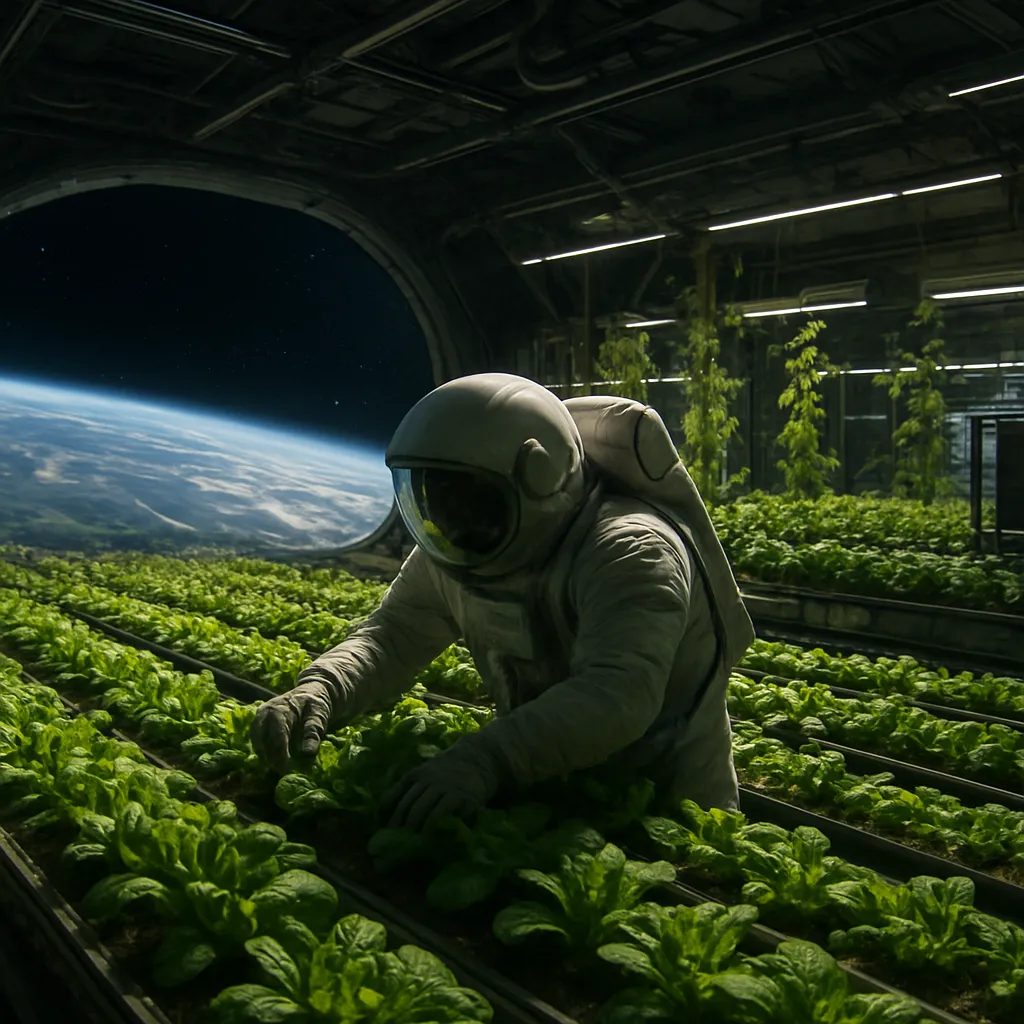
Early experiments aboard orbital platforms focused on plant biology, nutrient delivery, and light optimization. As crews demonstrated the feasibility of growing lettuce and radishes in microgravity, the need to automate labor-intensive tasks became apparent. Manual harvesting posed risks in cramped modules, prompting the shift toward mechanization. Over time, ground-based prototypes evolved into sophisticated prototypes tested in specialized testbeds and parabolic flight campaigns.
Importance of Automated Harvesters
Harvesting represents a critical bottleneck in any agrarian cycle. In weightless environments, simple gripping operations can disturb plant roots and aerosolize nutrient solutions. Systems designed for Earth cannot reliably handle the complexities of hydroponic and aeroponic farms in orbit. By deploying mechanized harvesters, mission planners aim to:
- Ensure consistent crop yield and reduce spoilage
- Minimize crew workload and occupational hazards
- Optimize resource utilization through precise removal of biomass
- Enable scalable operations for long-term missions
Design and Testing of Robotic Harvesting Systems
Key Components and Innovations
Contemporary space harvesters integrate a suite of advanced modules:
- Sensor arrays that evaluate leaf color, turgor pressure, and disease markers
- End-effectors featuring soft, compliant materials to cradle delicate produce
- Adaptive algorithms that refine grip force based on plant morphology
- High-resolution cameras paired with machine vision for dynamic targeting
- Modular design enabling maintenance and component swapping in orbit
The interplay of these elements allows a single robotic arm to harvest leafy greens, vine crops, and root vegetables with minimal human intervention.
Laboratory Simulations and Parabolic Flights
Prior to deployment on orbiting platforms, harvesters undergo extensive ground tests in clinostats and drop towers. These facilities mimic aspects of microgravity, allowing developers to study fluid distribution in growth media and validate gripper performance. Subsequent parabolic flight experiments expose prototypes to repeated intervals of weightlessness, revealing issues such as material outgassing, dust adhesion, and unexpected plant motion during handling. Through iterative refinement, teams achieve reliable end-to-end harvesting cycles under simulated space conditions.
Operating in Microgravity: Challenges and Solutions
Fluid Dynamics and Soil Behavior
In terrestrial agriculture, soil compaction and water percolation are governed by gravity. In contrast, hydroponic slabs and aeroponic mists can form unpredictable droplets that cling to surfaces. Robotic systems must manage irrigation waste, capture nutrient solutions, and prevent contamination of sensitive electronics. Solutions include sealed harvesting chambers, integrated drainage channels, and directional airflow to direct fluid away from critical areas.
Resource Constraints and Energy Management
Power and mass budgets are severely limited on space platforms. Every additional battery, motor, or sensor increases launch costs and operational complexity. To address this, modern harvesters employ energy-efficient brushless motors and lightweight composites. Smart scheduling algorithms prioritize high-value tasks and allow the system to enter low-power standby modes when idle. Solar arrays and advanced battery storage technologies ensure that the harvester remains operational during periods of limited station power.
Thermal Control and Radiation Shielding
Electronics and actuators generate heat that can compromise sensor accuracy and jeopardize thermal comfort in crewed modules. Designers integrate phase-change materials and microfluidic heat pipes to manage temperature fluctuations. Meanwhile, radiation-hardened processors and shielding materials protect control systems from cosmic rays and solar particle events. These measures ensure that the harvester can operate reliably over extended mission durations.
Integration with Life Support and Crop Management
Linking Harvesters to Bioregenerative Systems
Automated harvesters are not standalone units; they form part of a broader bioregenerative life support network. After robotic removal, harvested biomass is processed to extract nutrients, recycle water, and generate oxygen. Waste materials feed compost bioreactors, which in turn fertilize subsequent planting trays. By closing the loop, missions can approach near-complete self-sufficiency, reducing resupply needs from Earth.
Data-Driven Cultivation Strategies
Harvesters equipped with multispectral imaging and environmental sensors also contribute to adaptive crop management. Continuous data on growth rates, light exposure, and atmospheric conditions feed machine-learning models that adjust nutrient delivery, light spectra, and harvest schedules. This data-driven approach enhances environmental monitoring and maximizes productivity in confined habitats.
Future Perspectives and Emerging Technologies
Collaborations with Commercial Entities
Private space companies are increasingly interested in on-orbit agriculture ventures. Partnerships between research institutions and orbiting platforms offer opportunities to test commercial-grade harvesters in real mission settings. These collaborations promise accelerated iteration cycles and the pooling of expertise in robotics, agriculture, and spacecraft operations.
Advances in Soft Robotics and Bioinspired Designs
The next generation of harvesters may draw inspiration from the flexibility of octopus arms or the dexterity of insect legs. Soft robotics promises grippers that conform to irregularly shaped produce, further reducing damage and contamination risks. Bioinspired sensors can detect plant stress signals at the molecular level, enabling preemptive interventions to improve overall system resilience.
Scalability to Lunar and Martian Habitats
Beyond low Earth orbit, lunar and Martian conditions present new variables such as lower gravity, dust storms, and extreme temperature cycles. Prototype harvesters must be ruggedized to withstand abrasive regolith and long communication delays. Research is underway into autonomous navigation systems that allow harvesters to operate in pressurized greenhouses, underground caverns, and inflatable habitats, paving the way for truly off-world agriculture.
Synergy with Terrestrial Applications
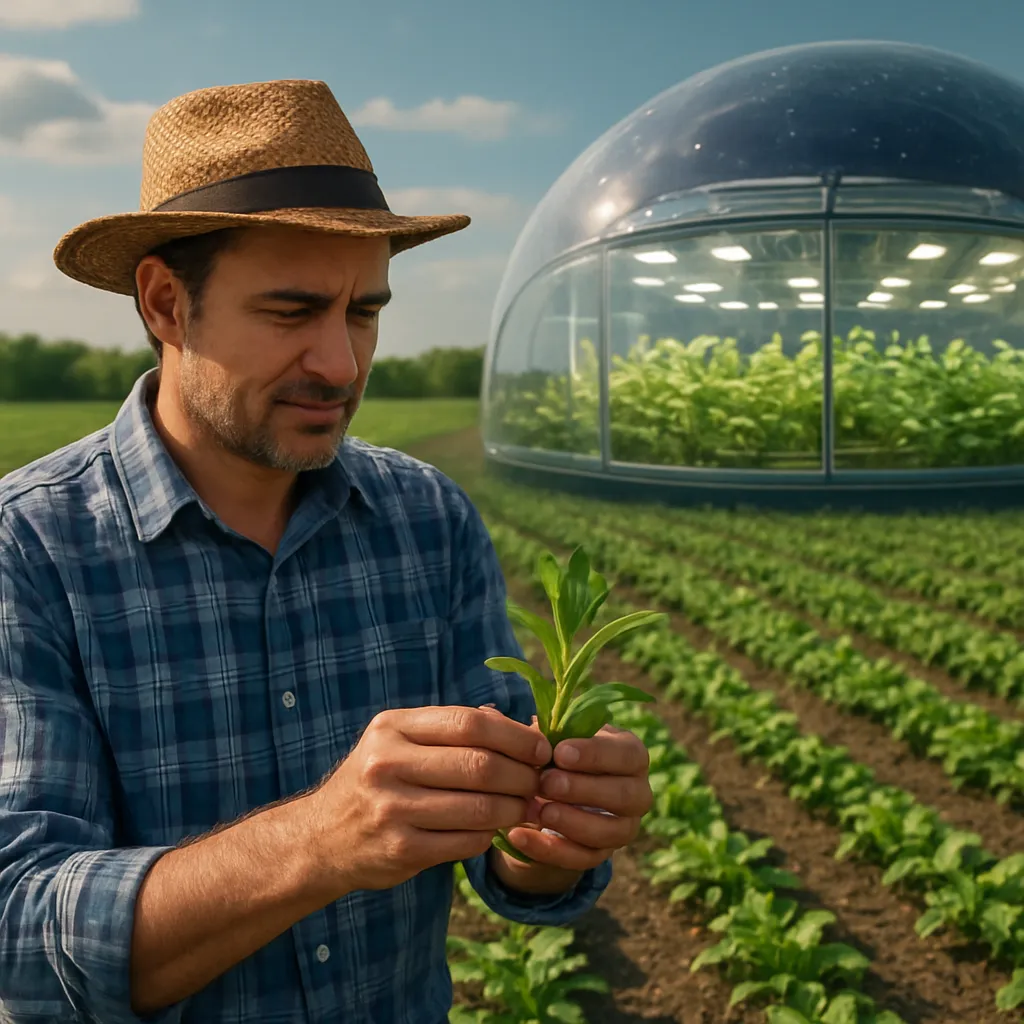
Innovations driven by space agriculture also benefit Earth-bound farming. Precision harvesters, closed-loop irrigation systems, and advanced monitoring platforms find applications in vertical farms, greenhouses, and remote research stations. This technology transfer creates a virtuous cycle, accelerating improvements for both domains and fostering global food security.