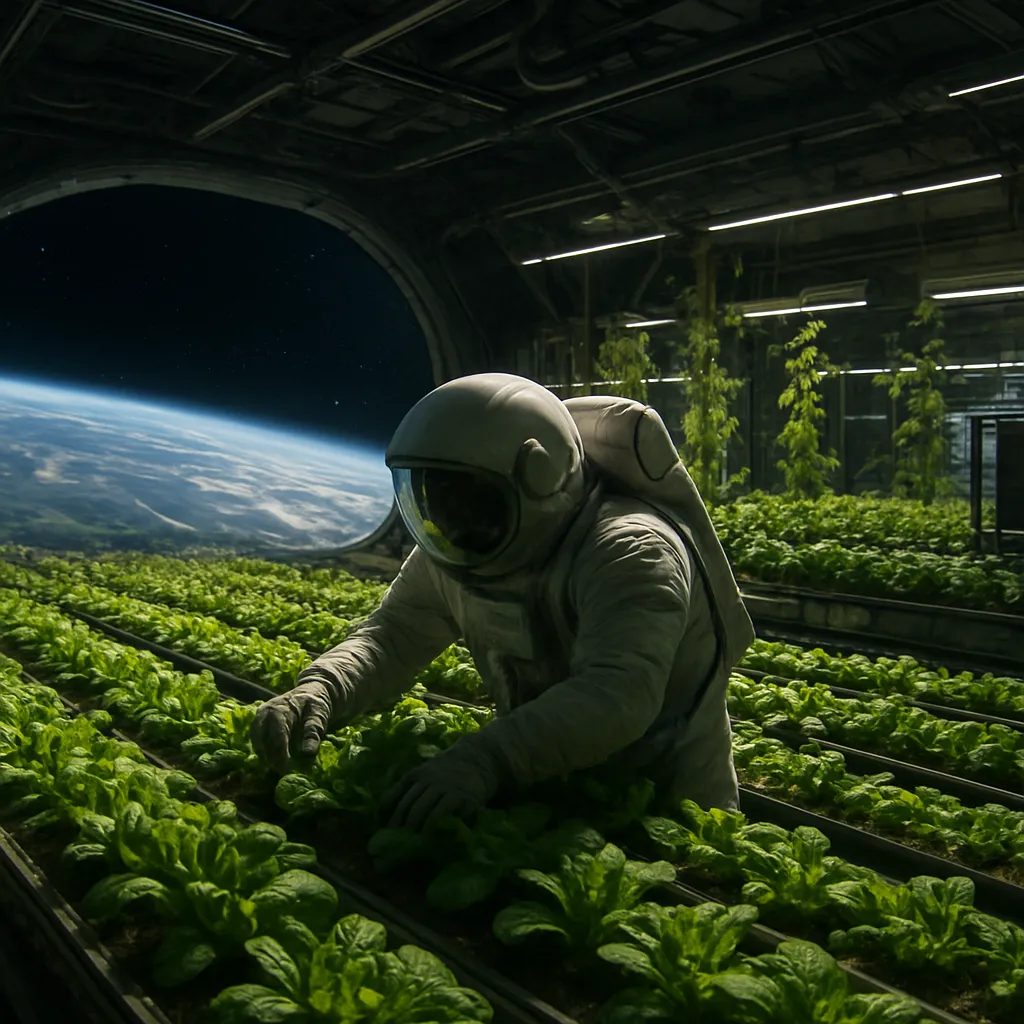
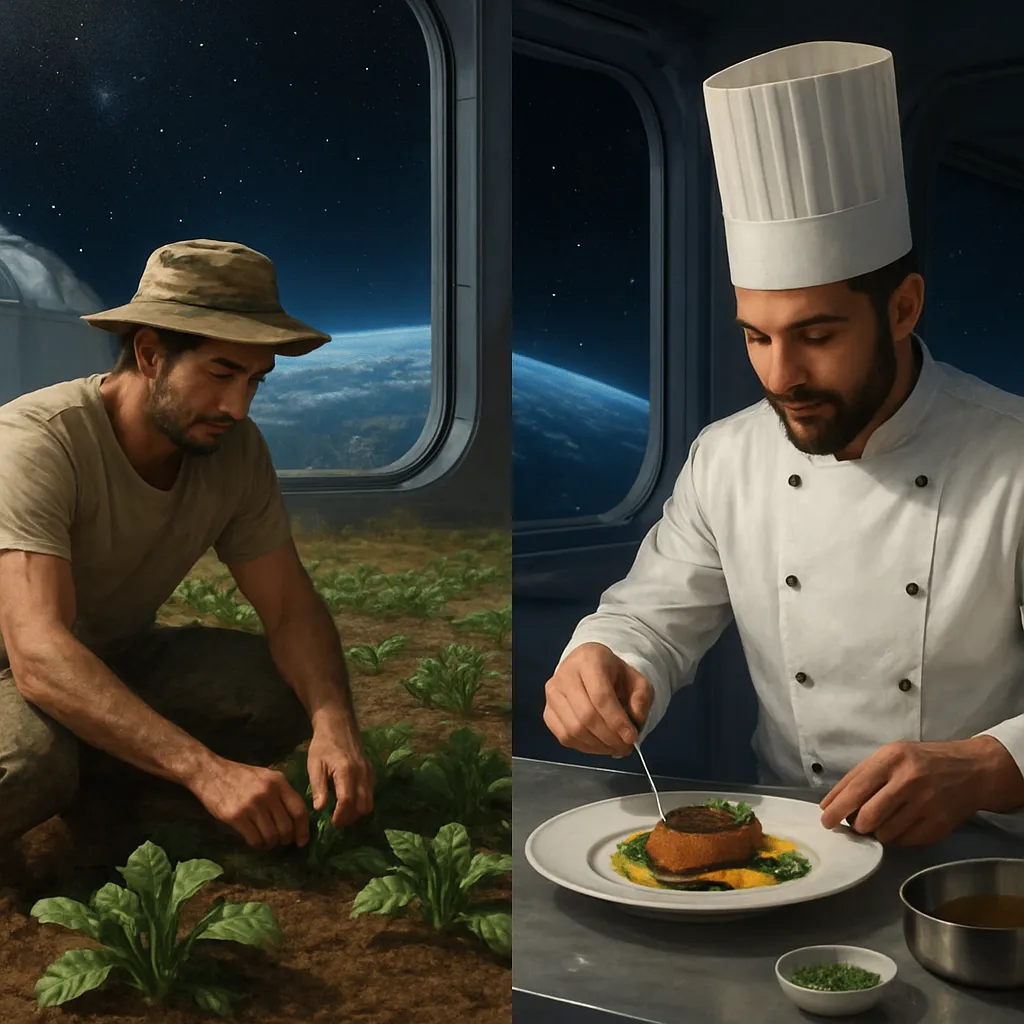
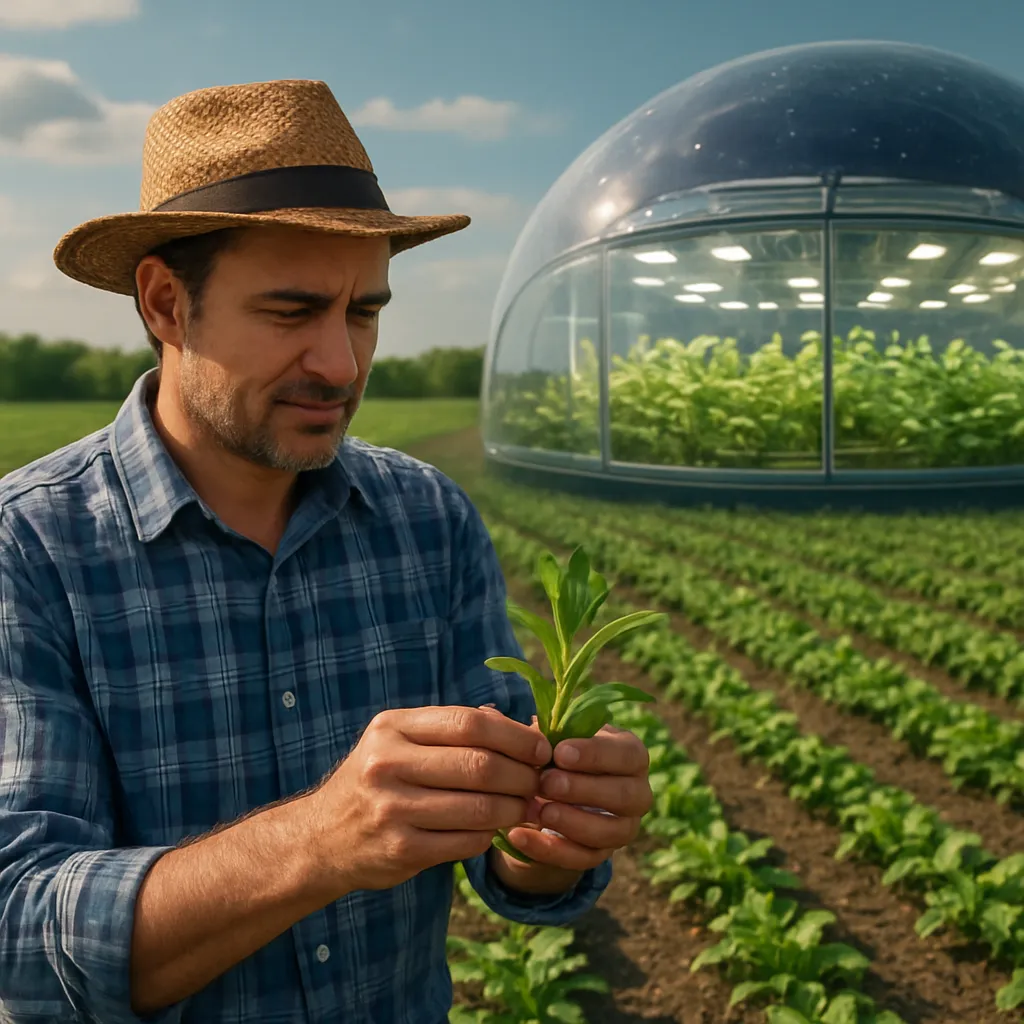
Exploring the frontier of agriculture beyond Earth’s atmosphere demands innovative solutions that integrate food production with environmental management systems. Researchers in the field of space agriculture aim to develop sustainable growth platforms that can support crewed missions, long-term habitats, and off-world colonies. By examining how plants can thrive under controlled conditions, scientists also enhance terrestrial agriculture, contributing to resilience against climate change and resource scarcity.
History and Evolution of Space Agriculture
The roots of growing plants in space trace back to early experiments on orbital stations. During the 1970s and 1980s, pioneering tests aboard the Russian Salyut and American Skylab platforms demonstrated that seeds germinate under microgravity conditions. Early efforts focused on small-scale modules, hydroponic trays, and rudimentary lighting systems. These studies revealed challenges such as uneven root development and disrupted fluid behavior. However, they also proved that photosynthetic organisms could indeed survive outside Earth’s gravity well.
Advances in the 1990s and early 2000s saw the integration of bioregenerative life support systems. Onboard Mir, astronauts cultivated wheat, lettuce, and other simple crops, using these experiments to test nutrient delivery and air revitalization. NASA’s Vegetable Production System (Veggie) and the Advanced Plant Habitat on the International Space Station (ISS) represent current state-of-the-art testbeds. They incorporate LED lighting, automated watering, and sensor arrays that monitor root-zone moisture, nutrient content, and environmental parameters.
Simultaneously, Earth-based analogs—such as Antarctic research stations and desert greenhouses—provide valuable insights. These analog environments mimic extreme resource limitations, such as water scarcity and isolation, refining system designs intended for lunar and Martian habitats.
Key Technologies and Methodologies
Hydroponics and Aeroponics
Traditional soil-based cultivation is impractical in spacecraft due to mass constraints and contamination risks. Instead, hydroponics and aeroponics deliver nutrients directly to plant roots via liquid or mist. Hydroponic systems utilize inert media—like rockwool or clay pellets—while aeroponic setups suspend roots in a nutrient-rich mist. Benefits include precise control over nutrient concentration, reduced water usage, and minimal waste. However, they require robust pumps and fail-safe irrigation controls to prevent system failures that could jeopardize entire crops.
Photobioreactors and Lighting
Optimizing light quality, intensity, and duration is crucial. Space-based agriculture relies on LED arrays tuned to the optimal wavelengths for chlorophyll absorption. Recent research explores dynamic spectral adjustments that mimic natural sunlight cycles, promoting faster growth and higher nutrient density. Photobioreactors—traditionally used for algal cultivation—are now integrated with plant chambers to study co-cultivation of microalgae and vegetables. This synergy can enhance CO₂ scrubbing and oxygen production while generating biomass for food or biofuels.
Closed-Loop Life Support Integration
A fully closed-loop system recycles water, air, and waste. Plants transpire water vapor, which can be condensed and purified. They consume CO₂ exhaled by crew members, converting it into oxygen through photosynthesis. Solid waste—plant residues and human organic by-products—undergoes bioprocessing via anaerobic digestion or composting reactors, producing nutrient-rich fertilizer and biogas. Achieving near-100% closure is an engineering challenge, requiring advanced microbial consortia and robust monitoring to prevent pathogenic outbreaks.
Challenges and Future Directions
Gravitational and Environmental Constraints
One of the most daunting barriers is replicating Earth-like gravitational forces. Partial gravity environments such as lunar (0.16 g) and Martian (0.38 g) surfaces affect root orientation, fluid distribution, and plant architecture. Research in centrifuge-based growth chambers aims to identify optimal gravity thresholds for key crops. Meanwhile, radiation shielding remains essential to protect DNA integrity and prevent developmental abnormalities. Innovative materials and electromagnetic mitigation strategies are under investigation.
Resource Utilization and In-Situ Production
Transporting equipment and supplies from Earth to the Moon or Mars is prohibitively expensive. Thus, designing systems for in-situ resource utilization (ISRU) is paramount. Concepts include extracting water ice from regolith, producing fertilizer from local minerals, and manufacturing growth modules with 3D printing. Closed-loop ISRU approaches reduce launch mass and increase mission autonomy.
Crop Selection and Genetic Optimization
Not all crops are equally suited for space agriculture. Ideal candidates exhibit fast growth cycles, high nutritional value, and tolerance to environmental fluctuations. Leafy greens, dwarf cereals, and legumes have emerged as front-runners. Advances in genetic editing and marker-assisted breeding accelerate development of traits such as compact architecture, improved photoperiod response, and stress resilience. Ensuring food safety and regulatory compliance for genetically modified organisms (GMOs) under extraterrestrial conditions presents additional hurdles.
Psychological and Social Impacts
Cultivating plants in confined habitats offers psychological benefits. The presence of living green matter reduces stress, combats isolation, and fosters a sense of normalcy for crew members. Collaborative gardening tasks can strengthen team cohesion and cultural exchange. Designing growth modules as communal spaces with interactive interfaces and aesthetic considerations enhances crew morale during long-duration missions.
Implications for Earth and Beyond
Innovations driven by space agriculture have profound terrestrial applications. Water-efficient hydroponic farms address arid region food insecurity. Closed-loop nutrient recovery systems mitigate agricultural runoff and eutrophication in fragile ecosystems. Photobioreactors for algae co-cultivation offer scalable solutions for carbon capture and sustainable biofuel production. The pursuit of extraterrestrial cultivation catalyzes a paradigm shift towards a circular bioeconomy on Earth.
Looking ahead, pilot farms in lunar lava tubes and Martian greenhouses could become testbeds for permanent settlements. Collaboration between space agencies, private enterprises, and academic institutions will accelerate technological maturation. By bridging the gap between agrotechnology and life support architecture, the relationship between space agriculture and human habitation continues to evolve—paving the way for humanity’s sustained presence among the stars.