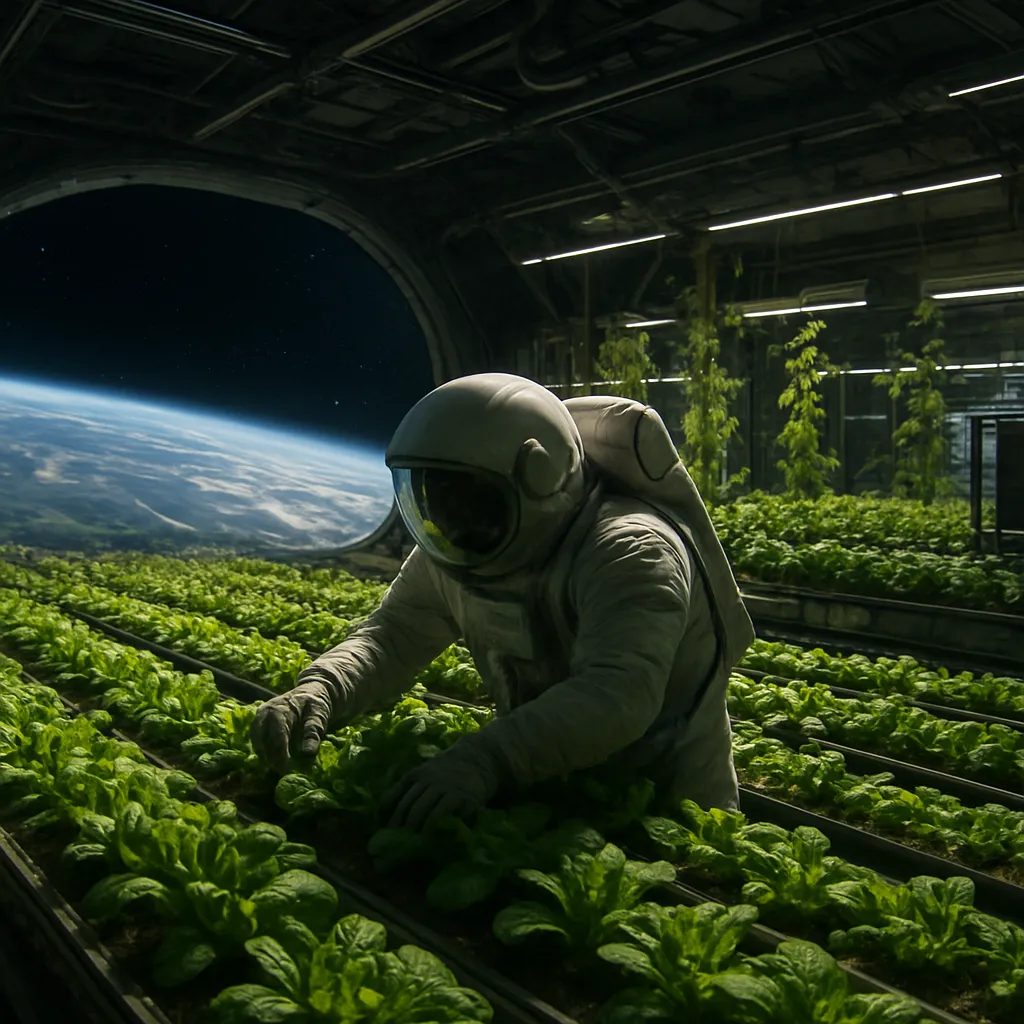
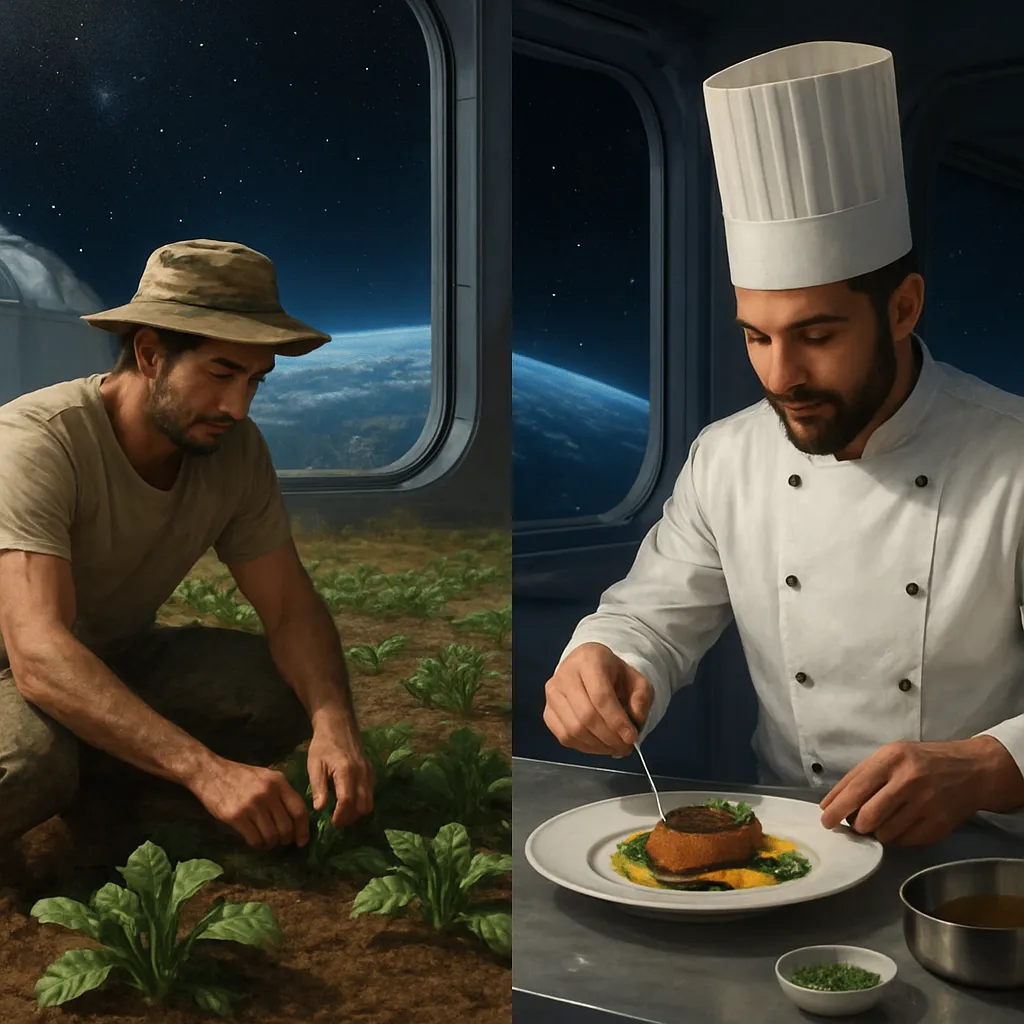
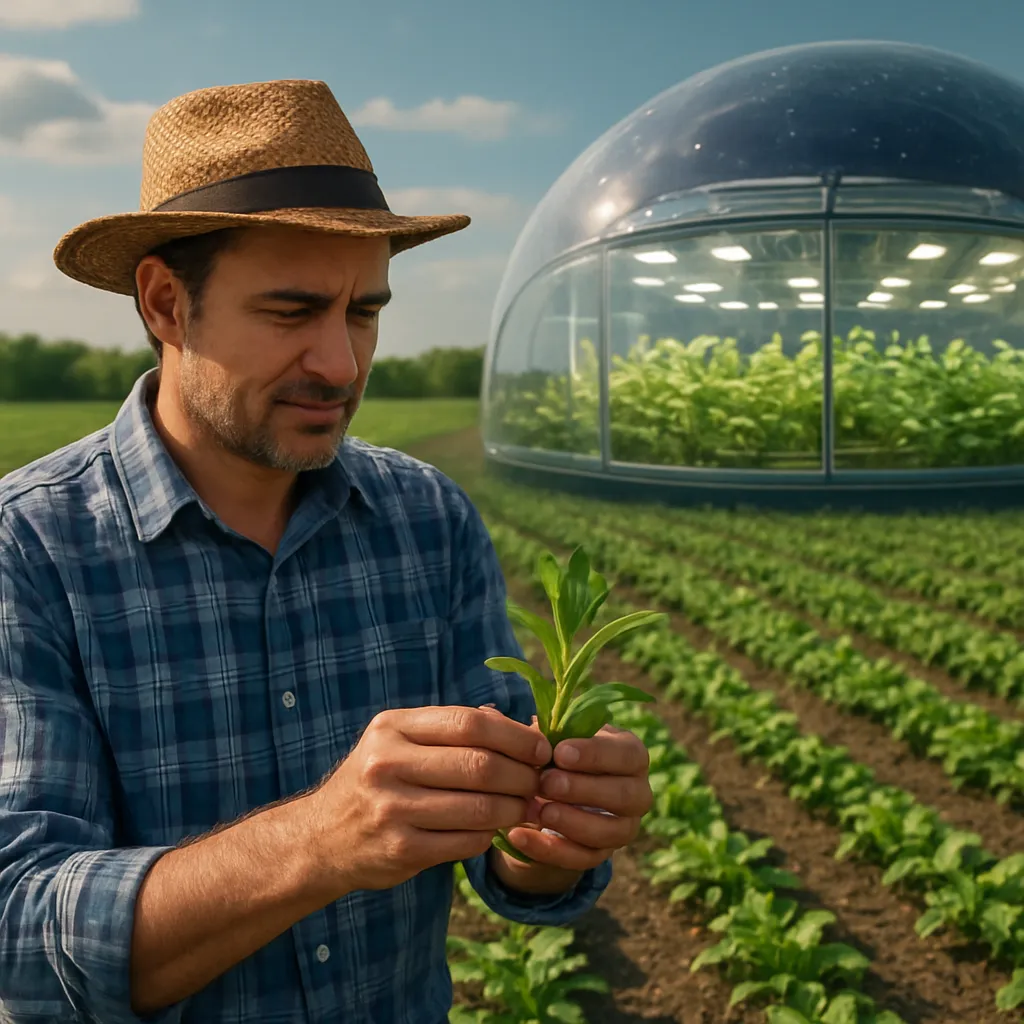
The pursuit of establishing reliable food production systems beyond Earth’s surface demands a radical rethinking of how we design living environments. By centering habitat architecture on integrated agricultural modules, it becomes possible to create self-sufficient ecosystems that nurture both human life and plant growth. The synergy between modules dedicated to cultivation and the broader structural framework paves the way for long-term off-world settlements, reduces dependence on resupply missions, and bolsters mission resilience.
Integration of Agricultural Modules into Habitat Architecture
Integrating agricultural zones within habitat structures presents multiple challenges, including spatial constraints, resource allocation, and environmental control. Effective integration necessitates a meticulous approach to layout, ensuring that the agricultural modules coexist harmoniously with living quarters, laboratories, and life-support systems.
Key design considerations:
- Light distribution: Natural sunlight on planetary surfaces or artificial illumination in orbital habitats must be optimized using reflective surfaces, light pipes, and spectra-tuned LEDs to support photosynthesis.
- Thermal management: Cultivation areas often require specific temperature and humidity levels. Zoning strategies, such as partitions and thermal buffers, can provide targeted climate control.
- Water recycling: Closed-loop hydroponic and aeroponic systems reduce water waste. Condensation recovery from habitat air and graywater treatment loops can feed irrigation cycles.
- Structural modularity: Prefabricated modules facilitate rapid deployment and reconfiguration. Standardized interfaces for power, data, and fluid transfer simplify expansion and maintenance.
By embedding agricultural pods within habitat cores or peripheral wings, architects can streamline logistics, allowing direct integration of produce-processing kitchens, nutrient analysis labs, and waste management centers. This close proximity reduces transit times for harvested crops and ensures prompt redistribution of oxygen and atmospherics.
Advanced Controlled Environment Agriculture Technologies
Applied research in environment-controlled cultivation has yielded innovative approaches tailor-made for space. Closed bioregenerative systems rely on a combination of plant, microbial, and physicochemical processes to maintain ecological balance within enclosed habitats.
Hydroponics and Aeroponics
- Hydroponic racks stack multiple tiers of crops, maximizing yield per square meter. Nutrient solutions are precisely monitored for pH, temperature, and mineral composition.
- Aeroponic towers mist root networks with nutrient-rich aerosols, enhancing oxygen availability and reducing water usage by up to 90 percent compared to terrestrial agriculture.
Bioreactor-Enriched Soil Analogues
Synthetic soil matrices inoculated with microbial consortia can mimic terrestrial nutrient cycles. The co-cultivation of nitrogen-fixing bacteria and mycorrhizal fungi promotes plant health and reduces external fertilizer requirements.
- Granular substrates composed of volcanic rock or recycled regolith analogues provide structural support.
- Continuous nutrient replenishment is achieved via automated dosing systems linked to real-time sensor arrays.
Artificial Intelligence and Automation
Integrating innovation in robotics and AI enables autonomous monitoring and maintenance of agricultural modules. Computer vision systems assess plant health, detecting early signs of stress, pest infestation, or nutrient deficiency.
- Robotic arms perform planting, pruning, and harvesting tasks with precision and consistency.
- Machine learning models optimize growth recipes based on historical data and predictive analytics, improving yield and resource use efficiency.
Sustainability and Resource Management
Long-duration missions demand maximal utilization of onboard resources. Habitat agriculture must intertwine with life-support technologies to achieve near-closed-loop operation. Effective resource management spans the handling of water, air, energy, and waste streams.
Water cycle integration:
- Atmospheric condensate, graywater, and urine are purified through multi-stage filtration, distillation, and catalytic oxidation, then directed back into hydroponic systems.
- Root-zone moisture sensors regulate irrigation, preventing overwatering and conserving freshwater reserves.
Oxygen and carbon dioxide exchange:
- Photosynthetic biomass production serves as a primary oxygen generator, while crew exhalation and microbial respiration provide CO₂ enriched air for crop growth.
- Buffer tanks and gas diffusers maintain stable atmospheric composition, avoiding harmful fluctuations.
Energy optimization:
- Photovoltaic arrays, fuel cells, and regenerative life-support units supply power to plant lighting and environmental controls.
- Thermal gradients between habitat sections can be exploited for passive heating or cooling, reducing HVAC loads.
A focus on sustainability encourages the selection of fast-growing, nutrient-dense crops such as leafy greens, tomatoes, and legumes. These crops deliver vital vitamins, minerals, and protein, contributing to crew health and morale. Additionally, by-products like plant residues can be composted in bioreactors, closing nutrient loops and generating soil conditioners for future planting cycles.
Architectural Strategies for Human-Centric Habitats
Beyond pure functionality, habitat architecture must address psychological well-being, social interaction, and ergonomic considerations. Designing agricultural spaces that double as communal areas fosters a stronger connection between inhabitants and their environment, mitigating the stresses of isolation.
Biophilic Design Elements
- Transparent walls or viewing windows into cultivation chambers provide visual relief and a sense of openness.
- Incorporation of living walls, potted plants, and green corridors within habitat corridors enhances mental health and air quality.
Modular Flexibility
- Reconfigurable grow beds can be stowed or expanded in response to changing crew size or mission phase.
- Multipurpose zones allow for agricultural demonstrations, educational workshops, and recreational gardening activities.
Ergonomic and Safety Considerations
- Adjustable-height planting benches and robotic assistance cater to varied crew statures and mobility requirements.
- Redundant water leak detection, chemical spill containment, and airlock interfaces prevent contamination between agricultural and living modules.
Future Directions and Emerging Frontiers
As humanity prepares for sustained presence on the Moon, Mars, and deep-space habitats, the evolution of architectural paradigms will revolve around increasingly automated, adaptive, and integrated agricultural systems. Research into genetic crop optimization, closed-loop bioregenerative life support, and advanced materials for radiation shielding promises to extend the boundaries of what is achievable.
Deployable inflatable greenhouses, 3D-printed growth substrates using in-situ resources, and symbiotic relationships between plants and engineered microbial communities are among the exciting developments on the horizon. Embracing these innovations will be critical to forging truly autonomous habitat ecosystems, where the interplay between space architecture and cultivation technology ensures both human survival and flourishing.