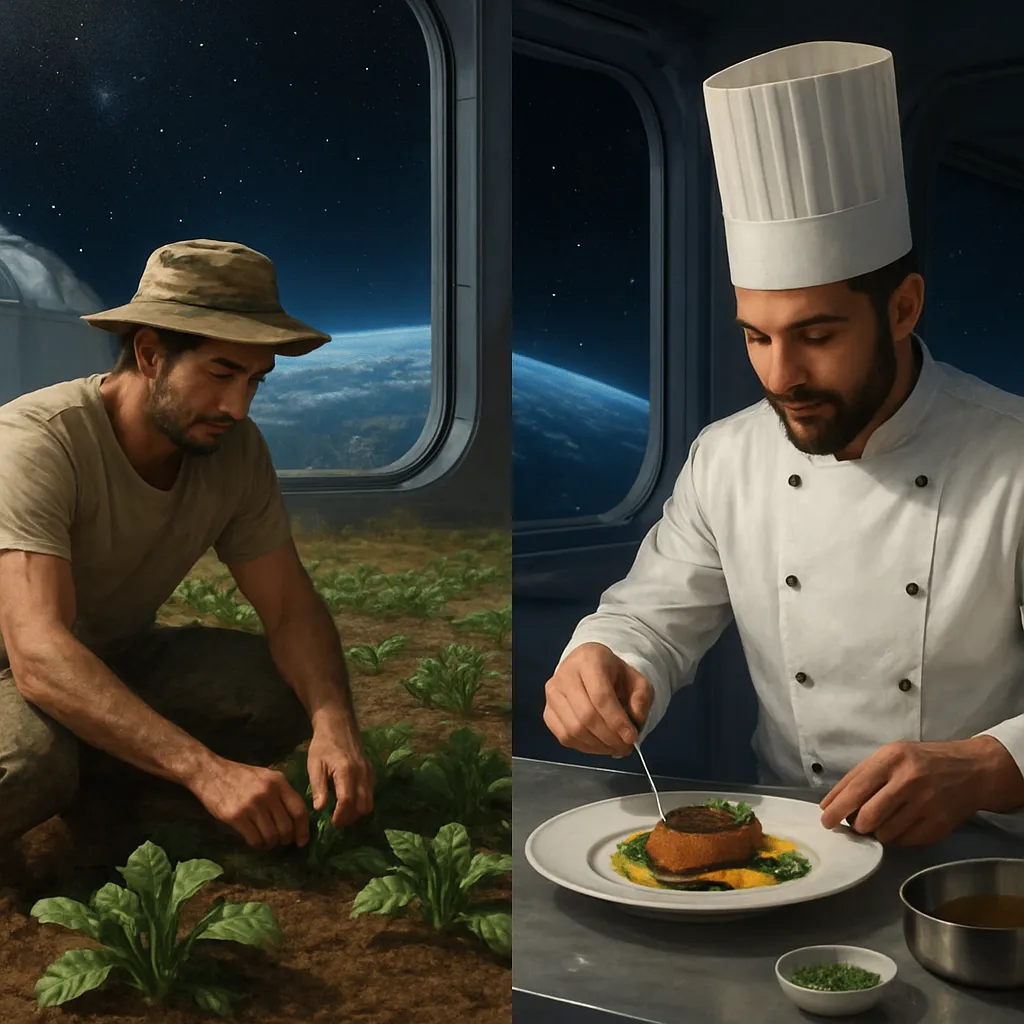
Advancing human presence beyond Earth demands innovative approaches to food production that transcend traditional boundaries in agriculture, biology and engineering. The pursuit of sustainability within enclosed habitats propels researchers to integrate biotechnology, advanced engineering, and life sciences in an interdisciplinary framework. As missions extend from weeks-long stays on the International Space Station to multi-year voyages to Mars and beyond, establishing resilient, efficient, and safe food systems becomes paramount. By harnessing techniques like hydroponics, aeroponics, and novel photobioreactors, space agencies and private enterprises strive to achieve a truly closed-loop ecosystem that recycles water, air, and nutrients with minimal resupply needs. This article explores the latest cross-disciplinary innovations driving the next generation of space agriculture and the potential spillover benefits for Earth’s food security.
Innovations in Controlled Environment Agriculture
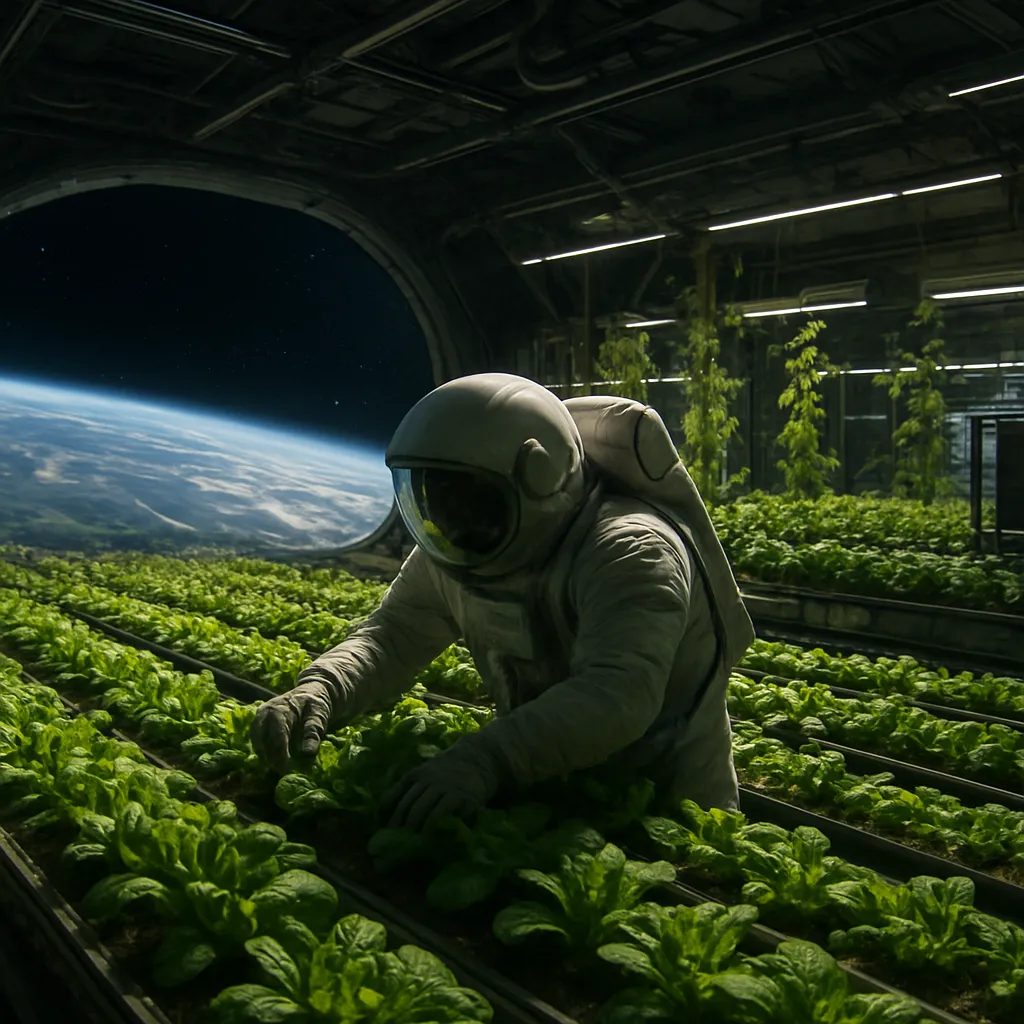
Controlled Environment Agriculture (CEA) has emerged as the cornerstone for reliable food production beyond our planet. In the microgravity environment of space, soil-based cultivation is impractical, so researchers have turned to water- and air-based systems that deliver nutrients directly to plant roots. By leveraging nutrient delivery solutions tailored to each crop’s physiological needs, hydroponic and aeroponic systems reduce water consumption by up to 95% compared to conventional farming. Advanced LED lighting systems, optimized for specific photosynthetic pigments, offer precise control over light spectra and intensity, accelerating growth cycles and enhancing nutritional profiles. Integration of sensors and automated controllers enables real-time monitoring of pH, dissolved oxygen, and electrical conductivity, ensuring stable growing conditions even in fluctuating external temperatures.
NASA’s Veggie and Advanced Plants Habitat (APH) initiatives exemplify such CEA innovations. Veggie’s simple pillow-based hydroponic modules have successfully grown lettuce, mustard greens, and zinnias aboard the ISS. Meanwhile, APH employs multi-tiered racks and high-intensity red-blue LEDs to cultivate a broader range of crops, including tomatoes and peppers. These systems demonstrate how vertical stacking and automated irrigation can maximize yield per cubic meter, a crucial metric when volume and mass are at a premium during launch.
Biotechnological Advances for Nutrient Optimization
To meet the unique challenges of space agriculture, biotechnologists are engineering both plant and microbial strains optimized for enclosed environments. Genetic modifications aimed at enhancing stress tolerance—such as improved resistance to radiation and limited atmospheric pressure—are paired with traits that increase nutrient density, flavor, and shelf life. CRISPR/Cas9 gene-editing tools enable precise adjustments to plant genomes, accelerating the development of varieties better suited to microgravity and reduced resource conditions.
In parallel, synthetic biology has given rise to modular microbial consortia capable of fixing nitrogen, degrading plant waste, and synthesizing essential vitamins and amino acids. By combining photosynthetic microbes with plant root systems in bio-regenerative modules, researchers create symbiotic relationships that mimic Earth’s soil microbiome without actual soil. Such systems contribute to resource recycling, converting carbon dioxide exhaled by crew members into oxygen and organic compounds. The deployment of engineered microalgae in photobioreactors offers an additional avenue for biomass production, providing both food supplements and bio-based polymers for in-situ manufacturing.
Systems Integration and Closed-Loop Recycling
Achieving a truly closed-loop food system requires seamless integration of agriculture, waste processing, and life support technologies. Water reclamation units recover moisture from plant transpiration and human waste, purifying it for reuse in nutrient solutions and crew consumption. Solid agricultural byproducts are processed through vermiculture or microbial digestion to produce soil analogs and additional fertilizers. In some experimental systems, black soldier fly larvae convert organic scraps into high-protein feed for aquaculture tanks, facilitating a multi-species approach to food production.
Innovations in bio-regenerative life support emphasize synergy among subsystems. For example, carbon dioxide from crew respiration enhances photosynthesis in plant chambers, while plants release oxygen for breathing. Nutrient-rich effluent from hydroponic modules supplies algae-based reactors, and harvested algal biomass can be fermented into ethanol for fuel cells or further refined into vitamins. This interconnected network of biological and mechanical components underscores the need for holistic design, where engineers, biologists, and data scientists collaborate to optimize energy, water, and nutrient flows.
Cross-Disciplinary Collaboration Models
Successful space food systems rely on effective partnerships across a spectrum of disciplines and organizations. Academic institutions contribute fundamental research on plant physiology in altered gravity, while aerospace companies develop compact, energy-efficient hardware suitable for spaceflight. Government agencies set rigorous safety standards and fund long-term demonstration missions, and private startups bring agile prototyping and iterative design methodologies.
International consortia, such as the European Space Agency’s MELiSSA (Micro-Ecological Life Support System Alternative) program, integrate expertise in microbial ecology, process engineering, and agronomy to build scalable closed-loop demonstrators. In parallel, university-led CubeSat projects test miniaturized CEA modules in low Earth orbit, enabling rapid hypothesis testing and data collection. Virtual platforms and digital twins facilitate co-design sessions among geographically dispersed teams, allowing real-time simulation of environmental variables and subsystem interactions.
Challenges and Future Prospects for Long-Duration Missions
Despite significant progress, numerous challenges remain before truly autonomous space agriculture becomes a reality. Microgravity induces changes in fluid dynamics and plant developmental biology that are not yet fully understood. Genetic stability and long-term performance of engineered organisms under cosmic radiation require further validation. Scaling up CEA systems to support larger crews while adhering to strict launch mass and volume constraints demands breakthroughs in lightweight materials and foldable structures.
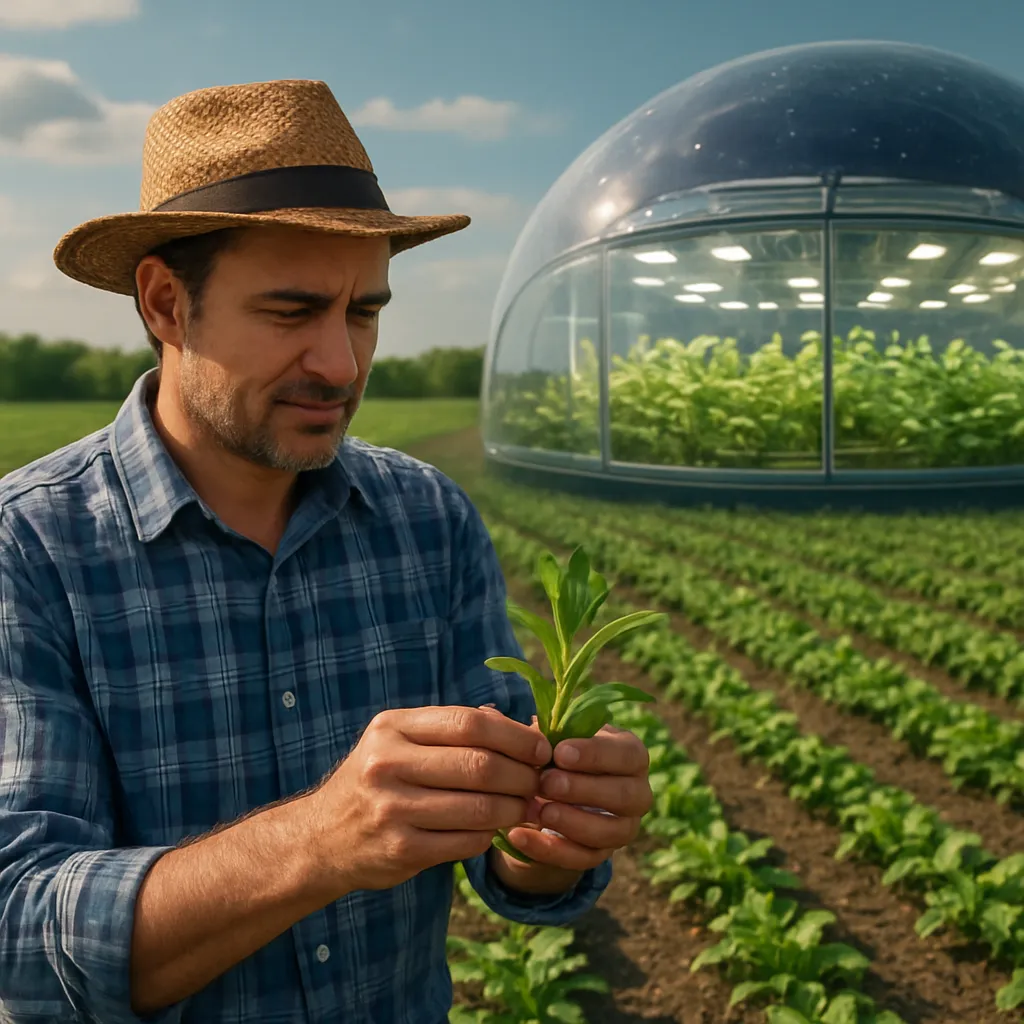
Looking forward, combining machine learning with high-throughput phenotyping could accelerate the selection of optimal cultivars, while additive manufacturing techniques may produce custom-tailored growth chambers on demand. On the lunar surface and Mars, leveraging in-situ resources such as regolith for greenhouse foundations and extracting water from ice deposits could reduce dependence on Earth-supplied inputs. Ultimately, the lessons learned in developing space-based agriculture systems are poised to revolutionize terrestrial farming, offering solutions for food security, climate resilience, and sustainable resource management in diverse environments.