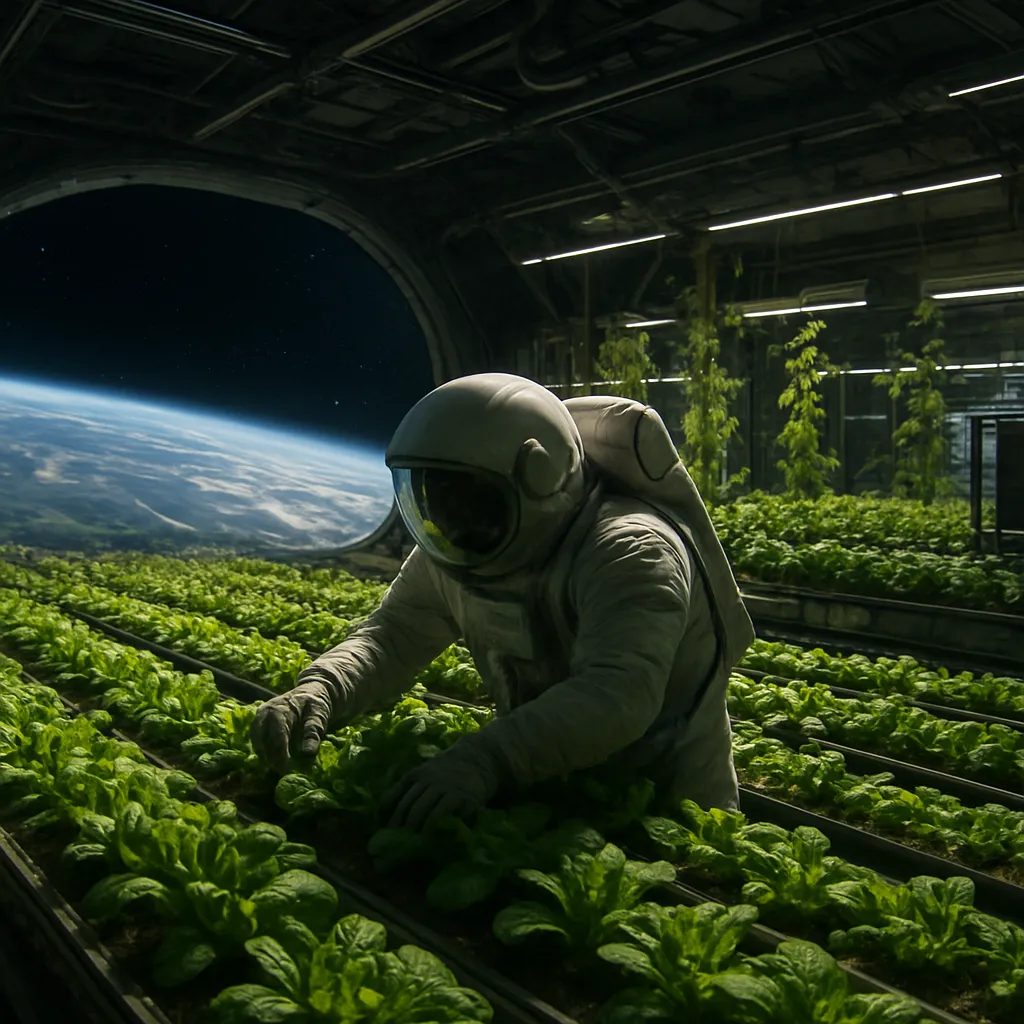
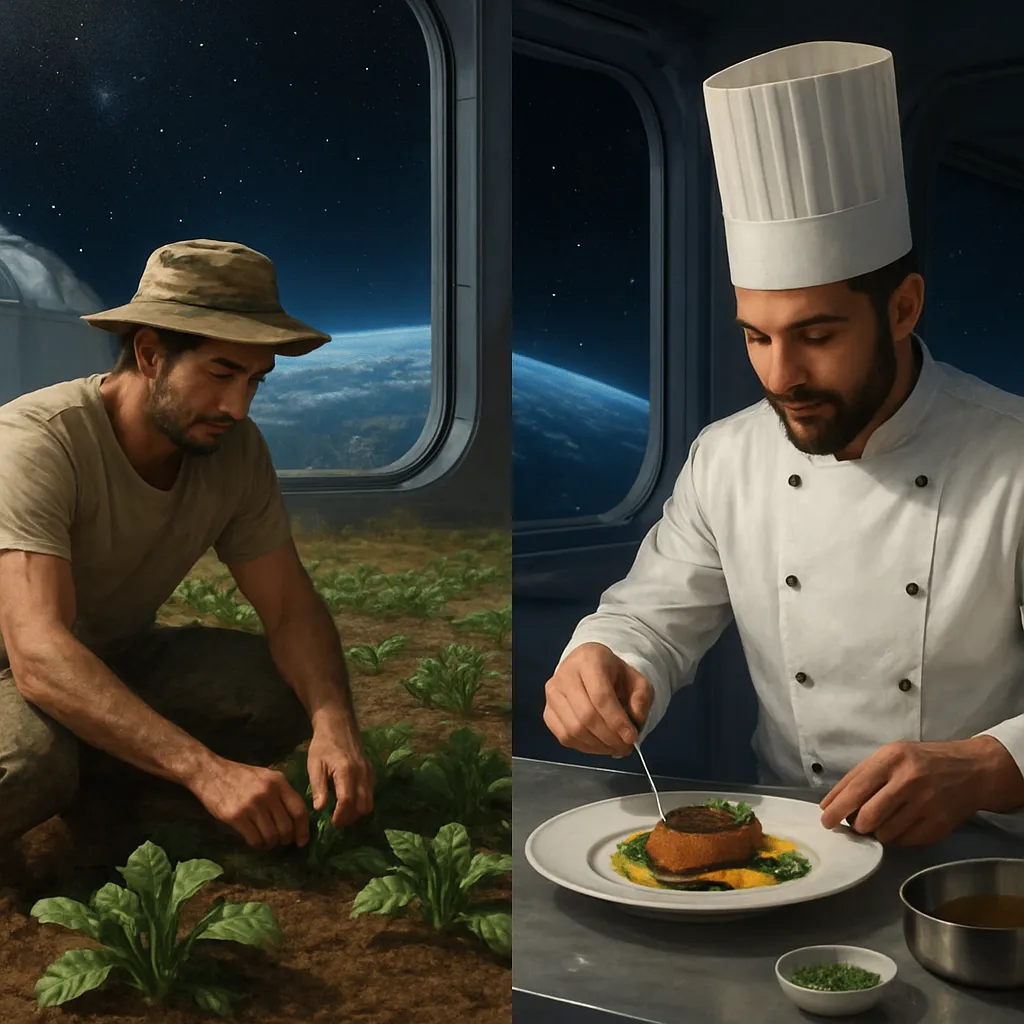
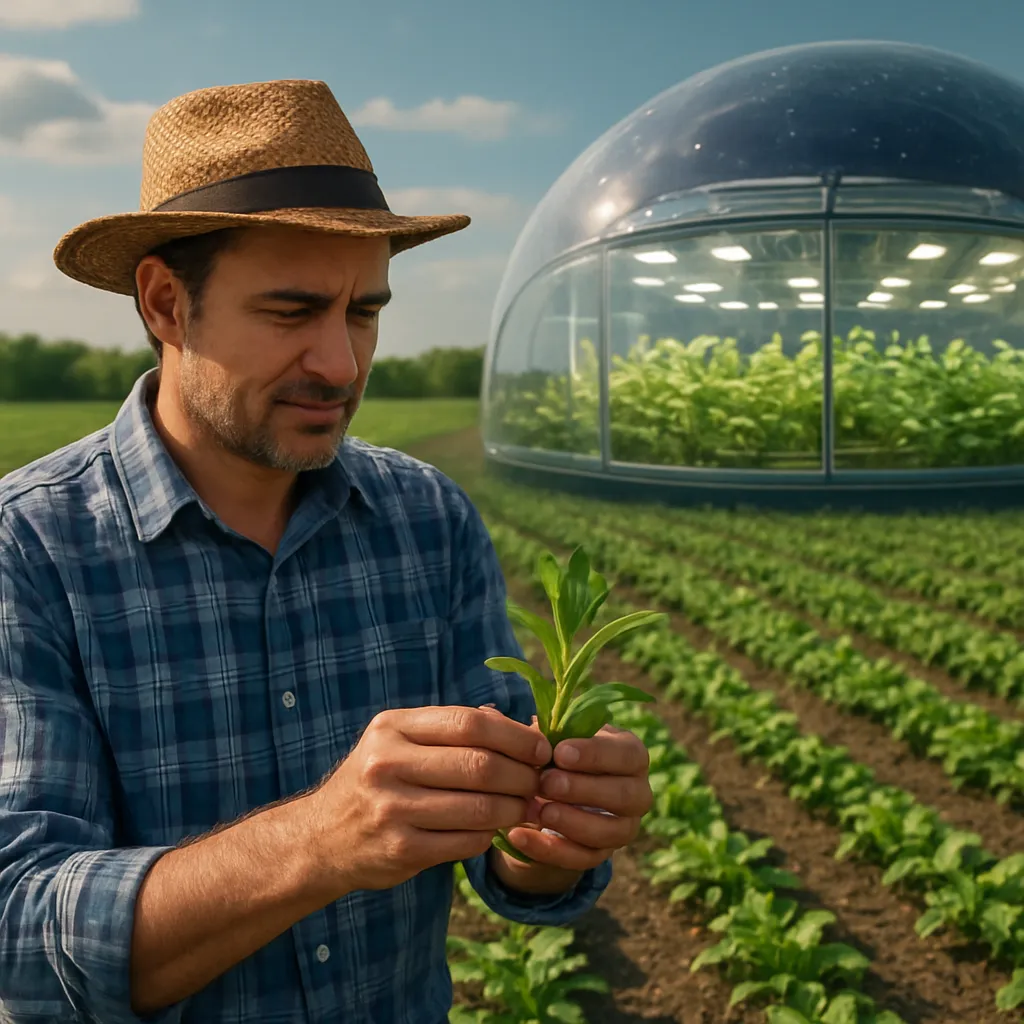
Space farming represents a groundbreaking frontier where agricultural practices are reimagined to support life beyond Earth. In orbital habitats and planetary outposts, growers must contend with a uniquely constrained environment: limited water, scarce mineral inputs, and closed-loop systems that demand precision. This article explores how space farmers optimize nutrient resources through innovative technologies, biological processes, and adaptive strategies to cultivate food in the most unforgiving of arenas.
Managing Nutrient Solutions in Microgravity
In the absence of gravity-driven soil drainage, traditional farming methods become impractical. Hydroponic and aquaponic setups dominate space agriculture, enabling growers to deliver nutrients directly to plant roots suspended in inert media or water. Advanced nutrient formulations are tailored to balance macro- and micronutrients, ensuring plants receive optimal ratios of nitrogen, phosphorus, potassium, calcium, and trace elements.
Hydroponics Underpinning Closed Systems
Hydroponic arrays recycle up to 95% of water and dissolved minerals. Nutrient reservoirs are continuously monitored by sensors that track pH, electrical conductivity, and ion concentrations. Adjustments are made automatically via micro-dosing pumps, reducing waste and preventing nutrient lockout. The integration of LED lighting with specific red, blue, and far-red spectra stimulates photosynthesis while minimizing power draw, thus complementing nutrient management by optimizing plant uptake.
Aquaponics: Synergy of Fish and Plants
Aquaponic systems combine aquaculture with plant cultivation, utilizing fish waste as a nutrient source. Beneficial bacteria convert ammonia to nitrites and then to nitrates in a process called nitrification. Plants absorb these nitrates, cleaning the water for fish. This symbiotic cycle exemplifies how space farmers achieve sustainable nutrient loops. Regular monitoring of the microbial community ensures a stable microbiome that sustains efficient conversion rates.
Biological Systems and Waste Recycling
Given the expense and complexity of resupply missions, space habitats must maximize resource recovery from organic waste. Bioreactors and composting chambers transform plant residues, inedible biomass, and human waste into usable fertilizers, closing the nutrient loop.
Vermiculture in Micro-Environments
Earthworms and other detritivores thrive in compact vermiculture modules, breaking down organic matter into humic substances rich in nitrogen and phosphorus. Bedding materials are engineered for minimal volume and high gas exchange, ensuring optimal worm health. The process not only recycles waste but also generates microbial inoculants that enhance plant growth.
Algal Bioreactors for CO₂ Fixation and Nutrition
Algae cultivation offers dual benefits: carbon dioxide fixation and nutrient production. Photobioreactors harness algae’s rapid growth to produce biomass high in proteins, lipids, and vitamins. Extracted algal residues serve as supplements in hydroponic nutrient solutions, while surplus biomass can be processed into animal feed or biofertilizer. The integration of algal systems underscores the concept of recycling within closed ecosystems.
Innovations in Resource Efficiency
Continuous research focuses on refining technologies to make every drop of water and milligram of nutrient count. Space farmers employ predictive analytics, novel substrates, and emerging desalination methods to enhance resource efficiency.
Smart Sensor Networks and AI Control
Networked sensors collect real-time data on humidity, root-zone moisture, nutrient concentration, and plant health metrics. Machine learning algorithms interpret these data to forecast plant needs and preemptively adjust environmental parameters. Such precision agriculture minimizes overfeeding or underfeeding, reducing nutrient runoff and energy consumption.
Substrate Innovations: From Rock Wool to Biopolymers
Choosing the right root medium is critical. Traditional rock wool offers stability and aeration but generates non-biodegradable waste. Novel biopolymer substrates, derived from algae or recycled plant matter, provide similar structural support while being fully compostable. These substrates retain moisture and allow for uniform nutrient distribution, boosting water use efficiency and reducing the risk of root-borne diseases.
Desalination and Water Purification
On lunar and Martian bases, in-situ water sources may contain high levels of salts and minerals. Compact reverse osmosis units and forward osmosis membranes remove dissolved solids to produce purified irrigation water. Brine byproducts undergo further treatment to recover valuable minerals such as magnesium and potassium, which can be recycled back into nutrient solutions. This circular approach to water management is essential for long-term habitation.
Future Directions and Challenges
The pursuit of extraterrestrial agriculture continues to push boundaries. Researchers are investigating genetically optimized crops with enhanced nutrient uptake, as well as multi-trophic ecosystems that mimic terrestrial biodiversity. Despite progress, challenges remain in scaling systems, managing energy budgets, and ensuring psychological well-being through access to fresh produce.
Genetic and Metabolic Engineering
Advances in CRISPR and synthetic biology permit the modification of plants to use alternative nutrient pathways, tolerate variable ion concentrations, and exhibit compact growth habits. Metabolic engineering could enable crops to fix atmospheric nitrogen, reducing reliance on external fertilizer inputs. Such breakthroughs promise to transform nutrient management by embedding resilience directly into plant genetics.
Multi-Trophic Integration
Future space farms may host insects, worms, and microorganisms alongside plants and fish, creating complex food webs. Black soldier fly larvae, for instance, can process organic waste into high-protein biomass for animal feed, while excreted frass serves as fertilizer. This “all-in-one” ecosystem not only optimizes nutrient cycles but also provides diversified food sources for crew members.
Psychosocial Impact and Community Farming
Beyond mere sustenance, cultivating plants in space holds psychosocial benefits. Crew members derive a sense of purpose and stress relief from tending crops. Designing communal agriculture modules with colorful flowers and fragrant herbs can boost morale and foster social bonds. Ensuring that nutrient systems support diverse plant varieties is key to enriching both diets and mental well-being.
Planetary Protection and Ethical Considerations
Transporting terrestrial microbes and genetically modified organisms to other planets raises concerns about contamination. Rigorous sterilization protocols and biocontainment measures are essential to prevent unintended ecological impacts. Ethical frameworks guide decisions on whether to introduce Earth-based life forms to extraterrestrial environments, balancing scientific exploration with preservation of alien ecosystems.
As humanity ventures further into space, mastering the art of nutrient management will be central to sustaining off-world colonies. Through integrated biological systems, cutting-edge technologies, and visionary research, space farmers are redefining what’s possible in agriculture, ensuring that every resource counts in the quest for self-sufficiency beyond our home planet.