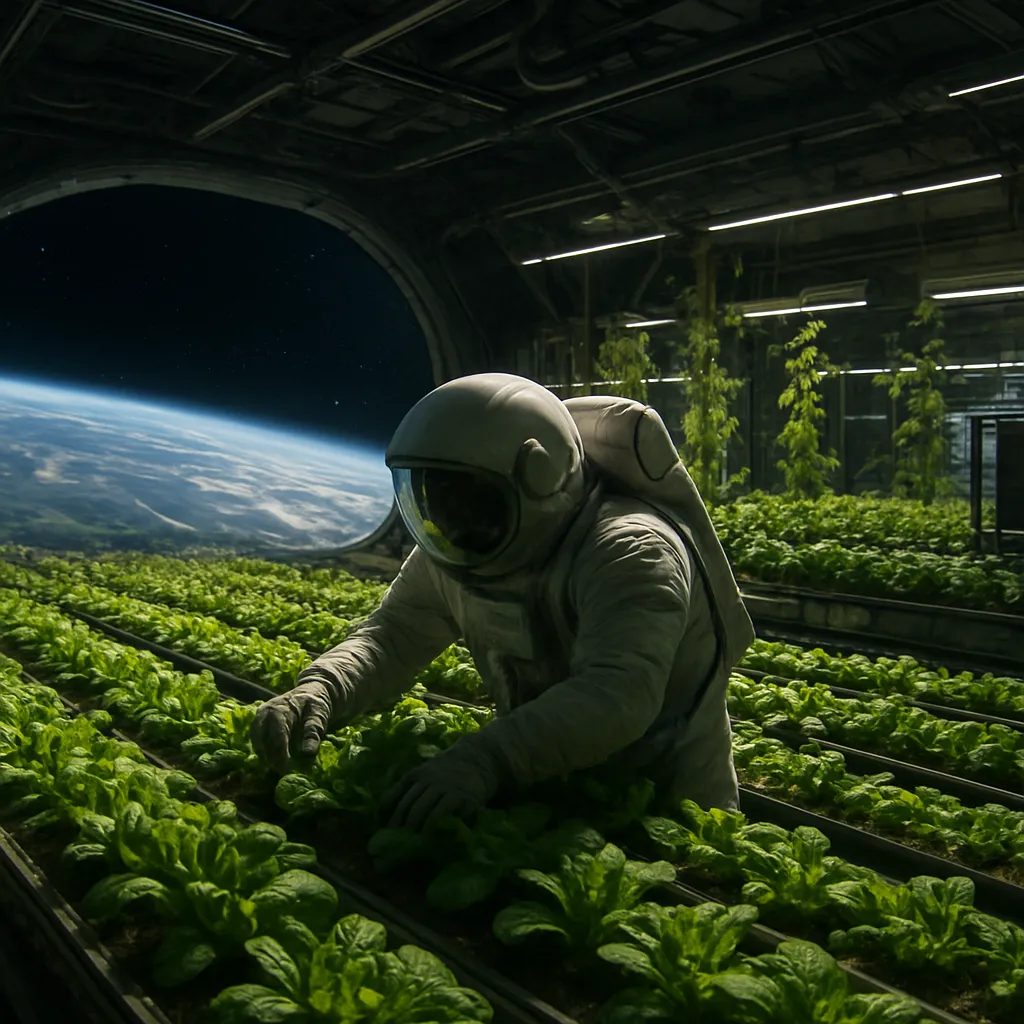
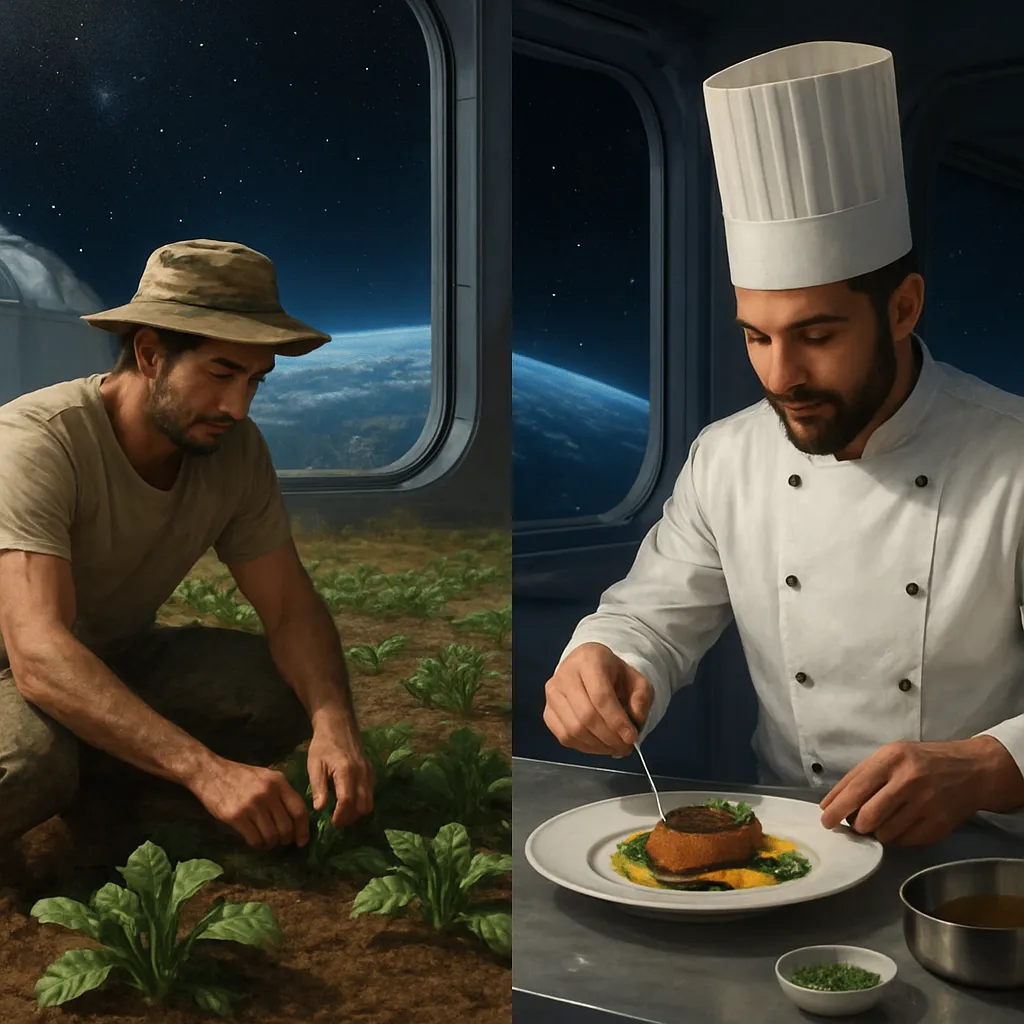
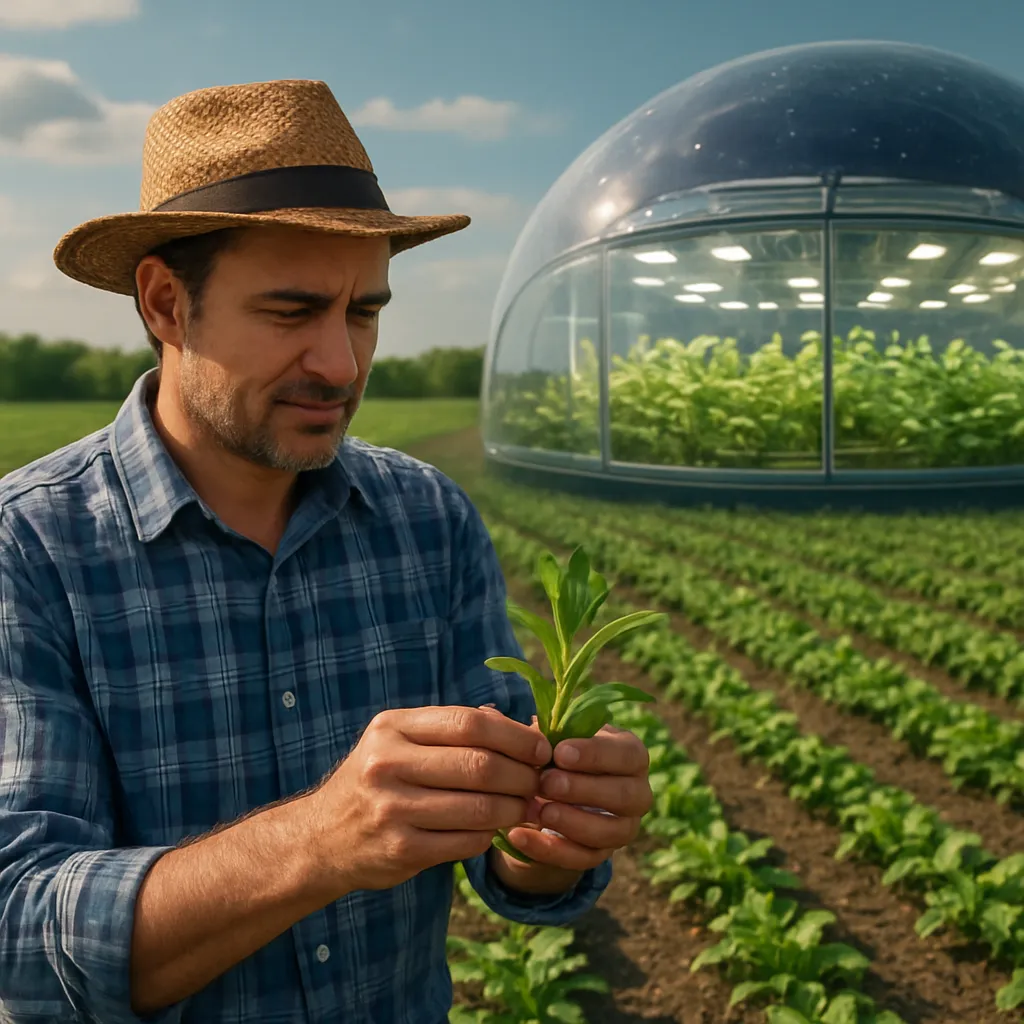
Establishing a reliable and efficient **food production** infrastructure on the lunar surface presents both an exciting frontier and a formidable challenge. Success depends on integrating advanced technologies with a deep understanding of the Moon’s unique environment. Building a **resilient** agricultural framework will ensure long-term human presence, support mission objectives, and foster scientific breakthroughs that may reshape how we approach **sustainability** on Earth and beyond.
Essential Principles for Lunar Agriculture
Controlled Environment Design
Designing an enclosed growth habitat on the Moon requires strict control over multiple parameters:
- Atmospheric Control: Maintaining optimal levels of CO2, O2, humidity, and pressure is vital for plant growth. Advanced sensors and automated feedback loops will adjust gas composition in real time.
- Thermal Regulation: Lunar night temperatures can plunge to –173°C, and daytime to +127°C. Multi-layer insulation, regolith-based shielding, and thermal radiators will help maintain stable internal conditions.
- Lighting Systems: Customized LED arrays tuned to the photosynthetically active spectrum (400–700 nm) maximize energy efficiency and promote robust growth cycles.
Resource Management Strategies
Given the logistical constraints of transporting materials from Earth, resource efficiency is paramount:
- Water Recycling: Closed-loop water systems will reclaim and purify up to 95% of wastewater from plant transpiration, crew hygiene, and condensation.
- Regolith Utilization: Lunar soil contains essential minerals but also harmful perchlorates. Bioremediation techniques and physical-chemical treatments will convert regolith into usable growth media.
- Energy Optimization: Solar panels, energy storage units, and possibly small modular nuclear reactors will power lighting, heating, and life support, emphasizing peak efficiency.
Overcoming Environmental Constraints
Low Gravity Effects
At one-sixth of Earth’s gravity, plant roots, stems, and cellular processes will adapt in unique ways:
- Root Architecture: Hydroponic and aeroponic systems anchor roots in nutrient-rich solutions, mitigating issues related to poor substrate anchorage.
- Fluid Dynamics: Microgravity alters capillary action and fluid distribution. Automated nutrient delivery systems must account for uneven flow patterns to prevent root desiccation or flooding.
Radiation and Shielding
High-energy cosmic rays and solar particle events pose risks to both crew and crops:
- Material Barriers: Regolith berms and hydrogen-rich polymers offer effective radiation attenuation while doubling as structural support.
- Biological Resilience: Genetic engineering and selective breeding may yield plant varieties with enhanced DNA repair mechanisms and radiation tolerance.
Atmospheric and Microbial Balance
Maintaining a healthy microbiome is as critical in closed habitats as on Earth:
- Microbial Consortia: Beneficial bacteria and fungi facilitate nutrient cycling, plant growth promotion, and disease suppression within hydroponic reservoirs.
- Air Quality: Active monitoring of volatile organic compounds (VOCs) and microbial aerosols ensures a safe habitat environment for both plants and astronauts.
Cutting-Edge Technological Innovations
Advanced Cultivation Techniques
To maximize yield and minimize footprint, lunar agriculture will rely on next-generation systems:
- Aeroponics: Roots suspended in air are misted with nutrient solution, reducing water use by up to 90% compared to soil-based methods.
- Photobioreactors: Cultivation of microalgae, such as Spirulina and Chlorella, provides high-protein biomass, oxygen generation, and CO2 sequestration in compact modules.
- Vertical Farming: Multi-tiered racks illuminated with dynamic LED spectrums optimize spatial density and crop rotation schedules.
Automation and Artificial Intelligence
Autonomous systems will handle routine tasks, allowing crew to focus on research and exploration:
- Robotic Caretakers: Mobile manipulators perform planting, pruning, and harvesting under direction from onboard AI.
- Predictive Analytics: Machine learning models forecast plant stress, nutrient deficiencies, and pest outbreaks before visible symptoms emerge.
- Remote Monitoring: Earth-based specialists can observe and adjust parameters, ensuring continuous **optimization** even during communication delays.
Community and Sustainability Considerations
Nutritional Diversity and Health
Long-duration lunar missions demand varied diets to support physical and psychological well-being:
- Crop Selection: Leafy greens, legumes, tubers, and fruiting crops balance macronutrients and essential vitamins.
- Functional Foods: Biofortified plants enriched with antioxidants, omega fatty acids, and probiotics can mitigate health risks associated with radiation and confinement.
Psychological Benefits of Green Spaces
Interacting with living plants offers comfort and stress relief in the sterile lunar environment:
- Biophilic Design: Incorporating green walls, garden alcoves, and communal hydroponic benches enhances crew morale.
- Therapeutic Horticulture: Hands-on gardening routines stimulate mental engagement, reducing anxiety and depression.
Closed-Loop Ecosystem Integration
True sustainability on the Moon hinges on self-sufficiency:
- Carbon Cycling: Plants assimilate CO2 exhaled by crew, release O2, and create biomass that can be composted for nutrient regeneration.
- Waste Valorization: Organic waste streams—plant trimmings, inedible biomass, and crew waste—feed fermenters that produce biofertilizers, reducing reliance on Earth-supplied inputs.
Scalability and Earth Applications
Technologies developed for lunar agriculture have profound implications for terrestrial farming and emergency food systems:
- Resource Efficiency Models: Water- and energy-saving cultivation methods address global challenges in arid regions and densely populated cities.
- Modular Farming Units: Deployable systems can rapidly establish food production after natural disasters or in remote communities.
- Knowledge Transfer: Insights into closed-loop ecology advance sustainability research, benefitting ecosystems and agricultural resilience worldwide.