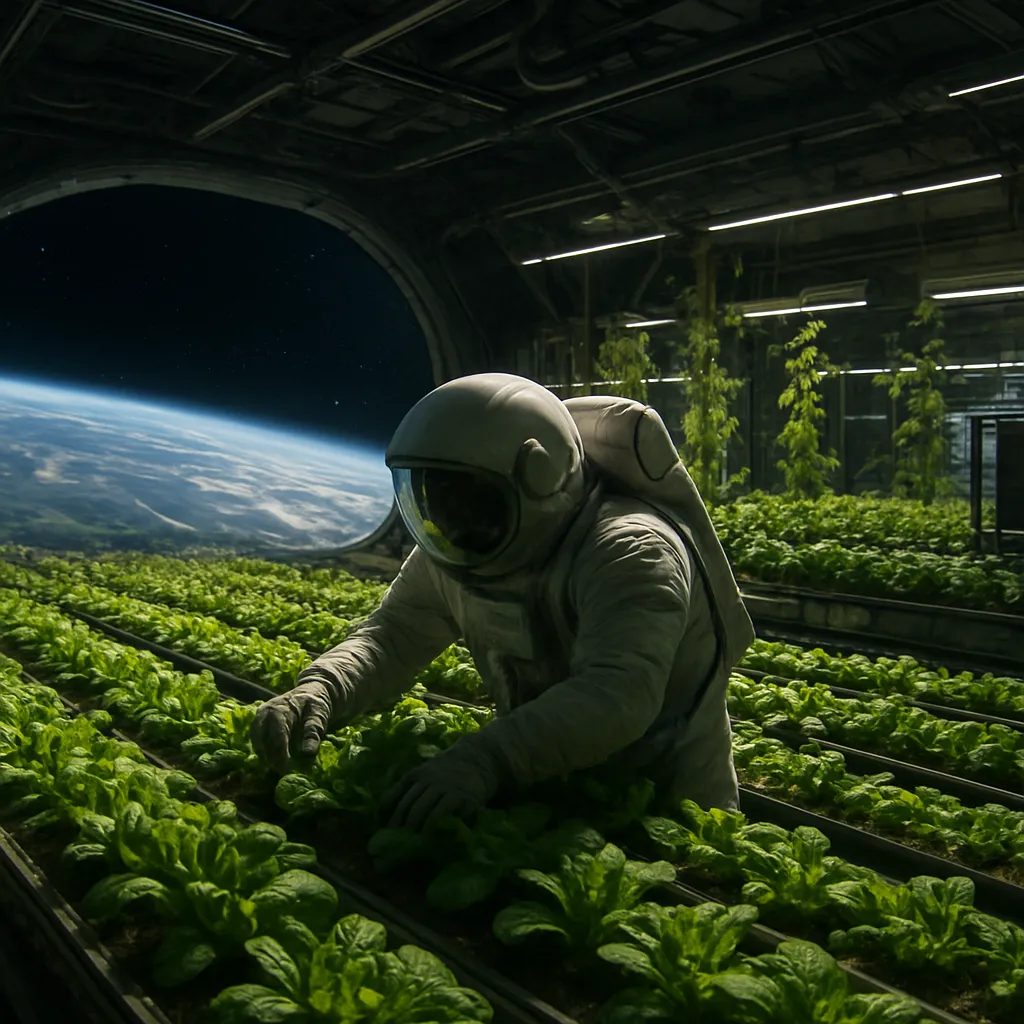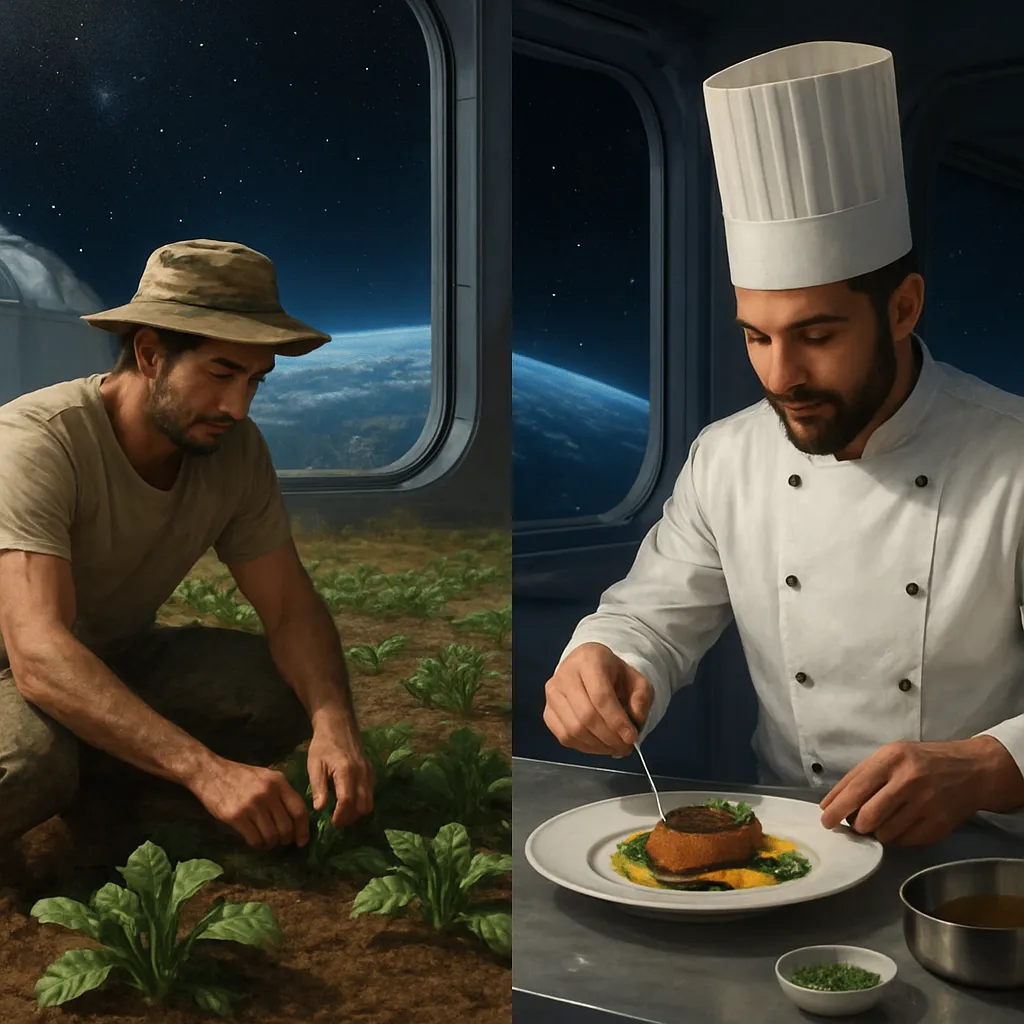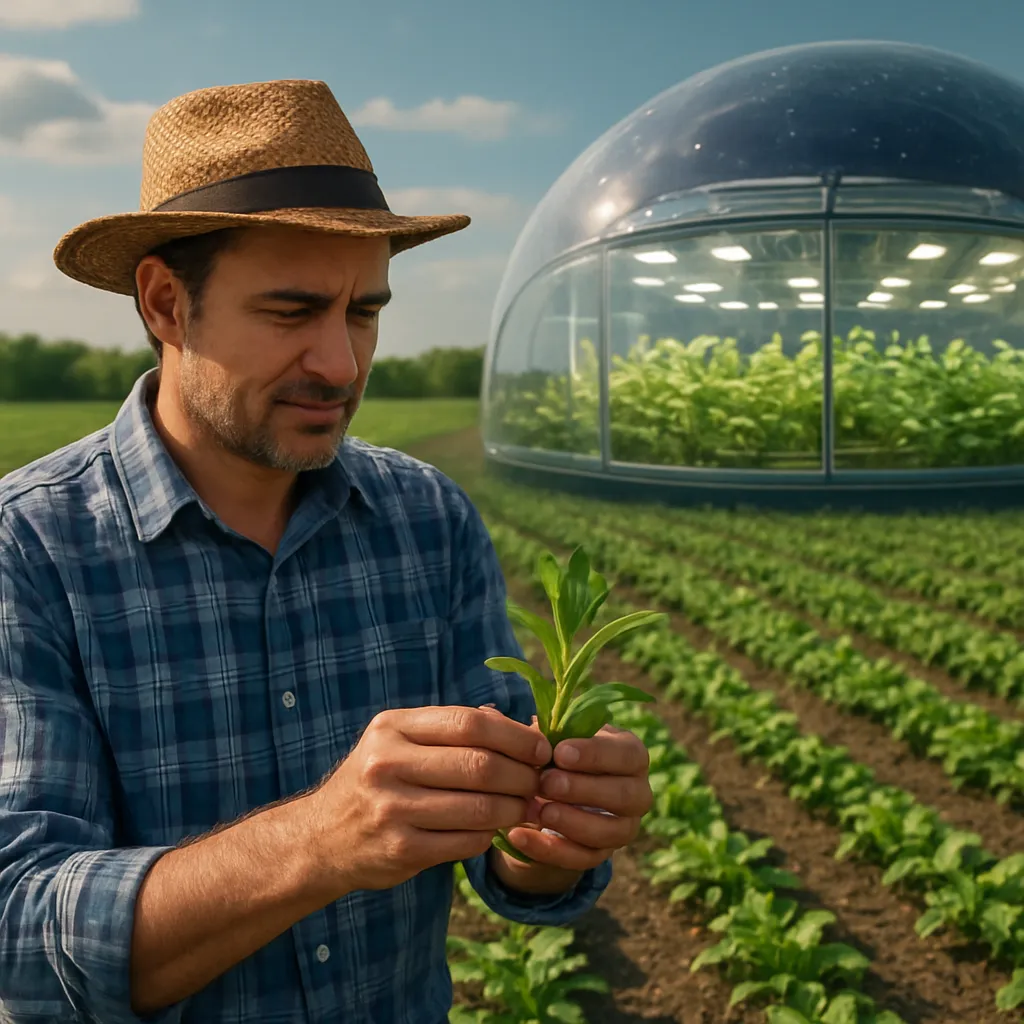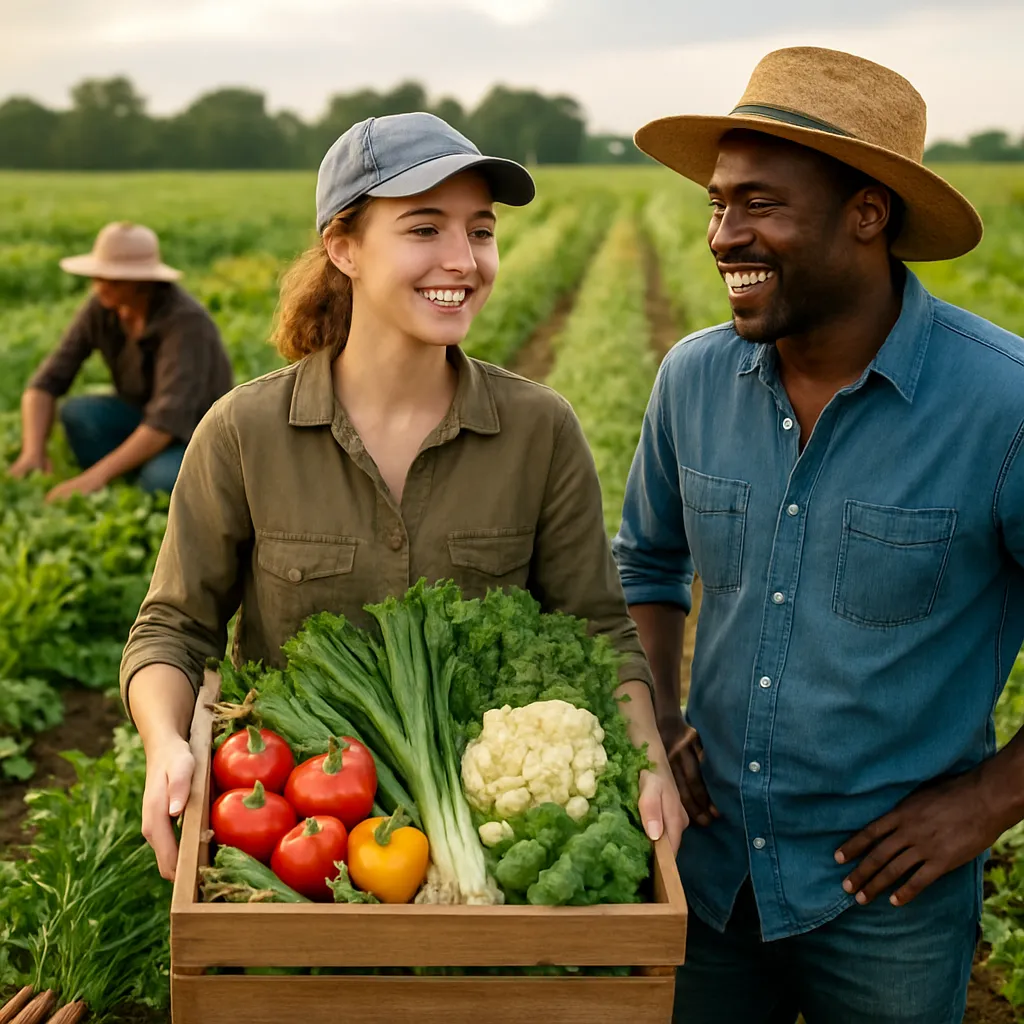
The integration of diverse crops into space-based agriculture systems holds profound potential for enhancing crew well-being on long-duration missions. By cultivating a broad range of plant species, mission planners can not only meet basic caloric needs but also address complex nutritional requirements, boost psychological resilience, and foster a sense of community. This article explores how harnessing crop diversity optimizes life support, uplifts crew morale, and drives innovation in extraterrestrial farming.
The Nutritional Advantages of Crop Diversity in Space
When astronauts embark on missions that extend months or even years, their dietary intake becomes a critical factor in maintaining physical health. A monoculture approach—growing a single staple crop—might satisfy caloric demands, but it misses the micronutrient spectrum essential for long-term wellness. Incorporating a diverse portfolio of crops can dramatically improve the nutritional profile of spacefarers’ diets.
Micronutrient Balance
Different crops harbor distinct sets of vitamins, minerals, and phytonutrients. Leafy greens like lettuce and kale are rich in antioxidants, which neutralize free radicals and support cellular repair. Root vegetables such as carrots and radishes supply vital precursors to vitamin A, critical for vision and immune function. Legumes deliver plant-based proteins alongside iron and folate, preventing deficiencies that can compromise bone density and blood health.
Macronutrient Variety
A blend of grains, pulses, and tubers can ensure balanced levels of carbohydrates, proteins, and fats. Cereals like wheat and barley provide energy-dense carbohydrates, while soybeans and peas contribute high-quality proteins necessary for muscle maintenance in microgravity. Experimentation with oilseed crops such as flax or sunflower offers healthy lipids to support cell membrane integrity and hormone synthesis.
- Enhanced nutrition prevents muscle atrophy and bone loss.
- Diversified diets reduce reliance on pre-packaged supplements.
- Multiple food sources lower the risk of crop failure affecting total caloric intake.
Water Efficiency and hydration
Some crops excel in water retention: cucumbers and tomatoes boast high moisture content, contributing to crew hydration. Pairing these with drought-tolerant varieties optimizes water recycling in closed-loop hydroponic or aeroponic systems, supporting both fluid balance and freshwater conservation.
Psychological and Social Benefits for Crew Wellbeing
Beyond physical sustenance, cultivating a garden in orbit or on another planet can profoundly impact mental health. Green spaces evoke feelings of tranquility and connection to Earth, counteracting the isolation and monotony of confined environments.
Stress Reduction and Mood Enhancement
Tending plants reduces cortisol levels, the body’s primary stress hormone. Engaging in daily horticultural tasks—watering, pruning, and harvesting—offers astronauts a meditative routine that breaks the monotony of scientific experiments and maintenance chores. The act of caring for living organisms reinforces purpose and fosters emotional stability.
Community Building and motivation
Collaborative gardening projects strengthen interpersonal bonds. Assigning crop plots to individual crew members or teams encourages friendly competition and shared responsibility. Celebrating a successful harvest with a meal prepared from crew-grown produce can become a morale-boosting ritual, enhancing group cohesion. A diverse garden yields more frequent harvest events, ensuring that celebrations aren’t confined to rare milestones.
- Seasonal changes in crop growth simulate Earth’s natural cycles, providing structure.
- Varied textures, colors, and flavors lure crew members to share feedback and swap recipes.
- Collective problem-solving—addressing pest outbreaks or nutrient imbalances—enhances teamwork.
Habitats and Biophilic Design
Integrating greenery into living quarters fulfills biophilic design principles, which prioritize human affinity for nature. Strategic placement of lush, multi-species planters can transform sterile modules into inviting spaces, elevating overall comfort and satisfaction.
Technical Implementation: Systems, Crop Selection, and Cycles
Launching a self-sustaining horticultural installation demands careful planning in system architecture, resource management, and crop scheduling. Advanced technologies now enable precision agriculture under extraterrestrial conditions.
Hydroponic and Aeroponic Systems
Soilless setups minimize mass while maximizing root-zone control. In hydroponics, nutrient-rich solutions circulate through channels, ensuring uniform delivery to plants. Aeroponic racks mist roots with fine droplets, reducing water usage by up to 95% compared to soil-based methods. Both approaches support rapid growth, tight packing densities, and easy waste monitoring.
Crop Rotation and Succession Planting
Implementing rotation schemes prevents nutrient depletion and disease buildup within the closed environment. Succession planting—staggering sowing dates—guarantees continuous availability of fresh produce. A well-designed schedule might include:
- Leafy greens every two weeks for instant salads.
- Fast-maturing herbs (e.g., basil, mint) for flavor enhancement.
- Longer-cycle staples (e.g., tomatoes, peppers) for monthly harvests.
- Legumes interplanted with cereals to maintain soil analog nutrient cycles, mimicking natural ecosystem dynamics.
Crop Selection Criteria
Priority factors when choosing plant species include:
- Growth rate and yield per unit volume.
- Resistance to spaceflight stressors—radiation, altered gravity, limited airflow.
- Contribution to overall biodiversity and nutrient diversity.
- Compatibility with automated monitoring and harvesting robots.
Life Support Integration
Plants play a dual role: food production and environmental conditioning. Through photosynthesis, they recycle carbon dioxide into oxygen, closing the respiratory loop. Their root systems, in tandem with microbial communities, can purify water by biofiltration, assisting in waste management. By carefully balancing plant biomass with crew size, missions can approach near-total sustainability of life support functions.
Enhancing System resilience and Future Innovations
Building redundancy into agroponic modules and leveraging emerging technologies will ensure robust performance under unexpected challenges.
Genetic Optimization and Biotech Advances
Through selective breeding or CRISPR-based editing, scientists aim to develop plant strains with increased radiation tolerance, enhanced nutrient profiles, and compact growth habits. Engineered crops could also secrete beneficial compounds—natural vitamins or stress-relief metabolites—further supporting crew health.
Artificial Intelligence and Automation
Machine learning algorithms can analyze sensor data—humidity, nutrient concentration, light intensity—to optimize growth conditions in real time. Robotic arms equipped with cameras and gentle grippers perform tasks from sowing seeds to targeted harvesting, reducing crew workload and enabling precise management of high-value cultivars.
Modular Expandable Farms
Future settlements on the Moon or Mars may employ expandable greenhouse modules that attach to habitat cores. Each module could be preconfigured for specific crop categories, allowing mission designers to scale the agricultural footprint as crew numbers grow. Mobile “garden carts” provide flexibility, transporting plants to communal or private quarters for individual care sessions, reinforcing psychological benefits.
- Distributed sensor networks detect early signs of disease or nutrient imbalance.
- 3D-printed growth racks tailored to spacecraft dimensions.
- Solar-powered LED arrays with tunable spectra optimize photosynthetic efficiency.
Community and Earth Applications
Lessons learned from space-based agriculture can transform terrestrial farming: advanced water-saving techniques, automation of repetitive tasks, and high-density vertical cultivation. Urban environments facing land scarcity or harsh climates stand to benefit from system designs proven in the extreme conditions of space.
The synergy of variety, technological innovation, and human centric design cements crop diversity as a cornerstone of sustainable life support. By enriching diets, nurturing social bonds, and forging resilient cultivation platforms, a multi-species garden becomes more than an agricultural system—it evolves into a vital nexus of health, purpose, and hope for explorers reaching beyond Earth’s bounds.