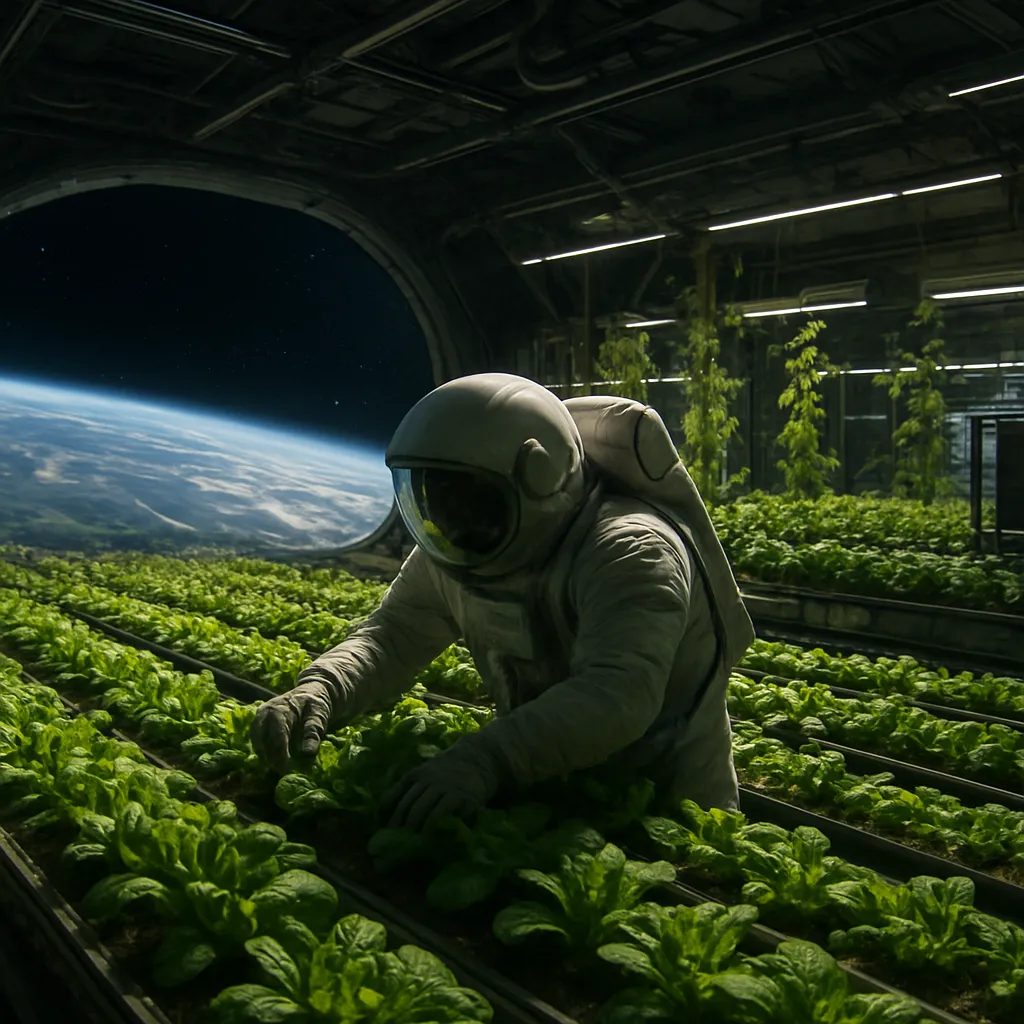
Exploring the frontier of agriculture beyond Earth offers unique opportunities to cultivate medicinals under conditions that cannot be replicated on the planet’s surface. This article delves into the intersection of space exploration and herbal pharmacology, highlighting how cosmic environments shape the growth, potency, and accessibility of therapeutic plants. By leveraging cutting-edge techniques, researchers aim to develop sustainable life-support systems that deliver both nourishment and high-value pharmaceuticals for crewed missions to the Moon, Mars, and beyond.
Benefits of Cultivating Medicinal Plants in Space
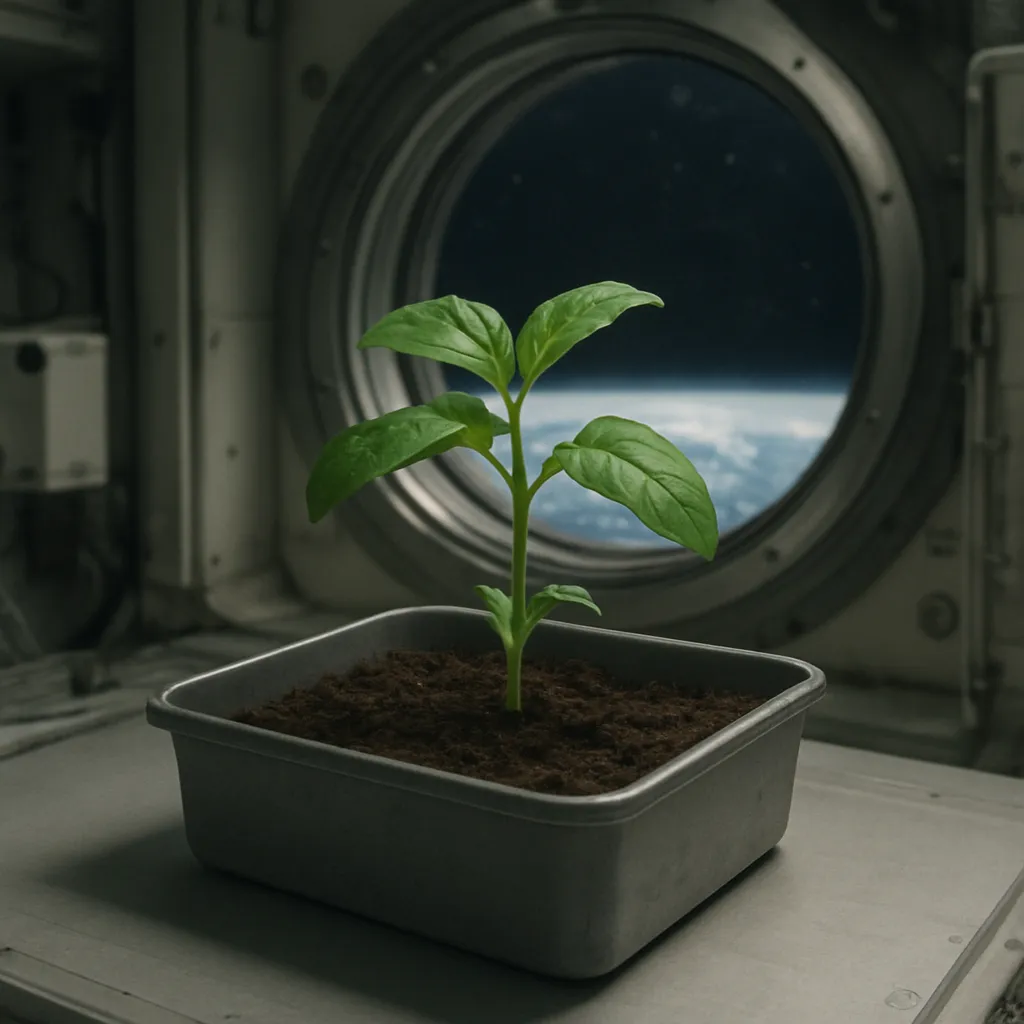
Growing herbs aboard spacecraft and orbital habitats presents a range of advantages. First, microgravity-induced physiological shifts can enhance phytochemistry, triggering elevated concentrations of bioactive compounds. Second, on-site plant production reduces mass and volume constraints, replacing bulky supply packs with compact growth modules. Finally, integrated bioregenerative life-support systems improve air quality and water recycling while providing fresh, therapeutic resources.
- Enhanced compound yield: Microgravity stress often triggers secondary metabolism, resulting in richer extracts.
- Reduced resupply frequency: Crew can cultivate fresh batches rather than waiting months for Earth deliveries.
- Psychological support: Tending to living greenery offers mental health benefits during lengthy missions.
- Closed-loop sustainability: Plants aid in carbon dioxide absorption and oxygen production.
Challenges of Microgravity Farming
Space-based agriculture navigates a series of engineering and biological hurdles. Without natural gravity, fluid dynamics change dramatically, affecting nutrient delivery to roots. Cosmic radiation can induce genetic mutations or degrade delicate metabolites. Limited volume and energy budgets constrain lighting, irrigation, and atmospheric control systems. Moreover, micro-environmental fluctuations in temperature, humidity, and pressure demand robust automation and monitoring.
- Water distribution: In microgravity, water forms floating droplets rather than soaking substrate, necessitating advanced capillary wicking designs.
- Structural support: Plants evolved around gravity; root orientation and shoot development must be guided through engineered scaffolding.
- Radiation shielding: Protective layers or water walls are required to safeguard sensitive biochemical pathways.
Innovative Cultivation Technologies
To overcome these constraints, scientists have devised multiple growth platforms. Hydroponic arrays using nutrient films, aeroponic misters, and gel-based media ensure precise nutrient uptake. LED illumination systems simulate tailored light spectra, optimizing photosynthesis and metabolite synthesis. Automated bioreactors and sensor networks regulate pH, moisture, and gas composition, reducing crew intervention. Integration with AI-driven control enables real-time adjustment to environmental variables, maximizing yield and consistency.
Bioregenerative Life-Support Modules
Combining plant growth with waste processing, these modules recycle organic residues into fertilizers and filter greywater. The synergy between microorganisms and plant roots fosters a miniature ecosystem, enhancing nutrient cycling and resource efficiency. For long-duration missions, such bioregenerative approaches promise near-closed ecological loops that can sustain multiple generations of crops.
Modular Plant Growth Units
Compact rack-based systems integrate stacked trays with adjustable LED arrays and nutrient circulation loops. Each module can be swapped or reconfigured, allowing diverse species trials without contaminating the entire habitat. Real-time imaging and spectral sensors track leaf color, growth rate, and stress markers, feeding data to predictive models.
Case Studies of Crucial Medicinal Species
Certain plants demonstrate exceptional adaptability and therapeutic potential in space-like conditions. Studies focus on herbs known for antimicrobial or anti-inflammatory properties, aiming to support astronaut health without reliance on pharmaceutical imports.
- Rhodiola rosea: Known for stress resilience and endurance enhancement, this adaptogen shows increased rosavin content under simulated cosmic radiation.
- Ashwagandha (Withania somnifera): Exhibits neuroprotective and immune-modulating effects; microgravity experiments reveal altered withanolide profiles that may boost efficacy.
- Aloe vera: Provides wound-healing gel and digestive support; gel polysaccharides maintain structural integrity despite variable humidity.
- Mint (Mentha spp.): Offers anti-nausea and digestive relief; robust growth in hydroponic arrays with minimal nutrient adjustments.
Future Directions and Sustainability Considerations
As missions venture further into deep space, the role of on-demand plant-derived pharmaceuticals will expand. Genetic engineering could optimize pathways for targeted metabolite production, increasing yields of key alkaloids or flavonoids. Rotating cultivation schedules and polyculture approaches may enhance biodiversity within closed habitats, improving resilience against pests and pathogens. Furthermore, leveraging in situ resource utilization—such as regolith-based substrates or localized water extraction—could reduce dependence on Earth-supplied inputs.
Ultimately, establishing robust agricultural infrastructure in microgravity and partial gravity environments (e.g., lunar or Martian surfaces) will be essential to support human presence beyond low Earth orbit. Integrating medicinal plant cultivation with broader habitat design underpins the vision of self-sufficient, long-term colonies where health maintenance is inherently tied to the living greenhouse ecosystem.